Side Dishes
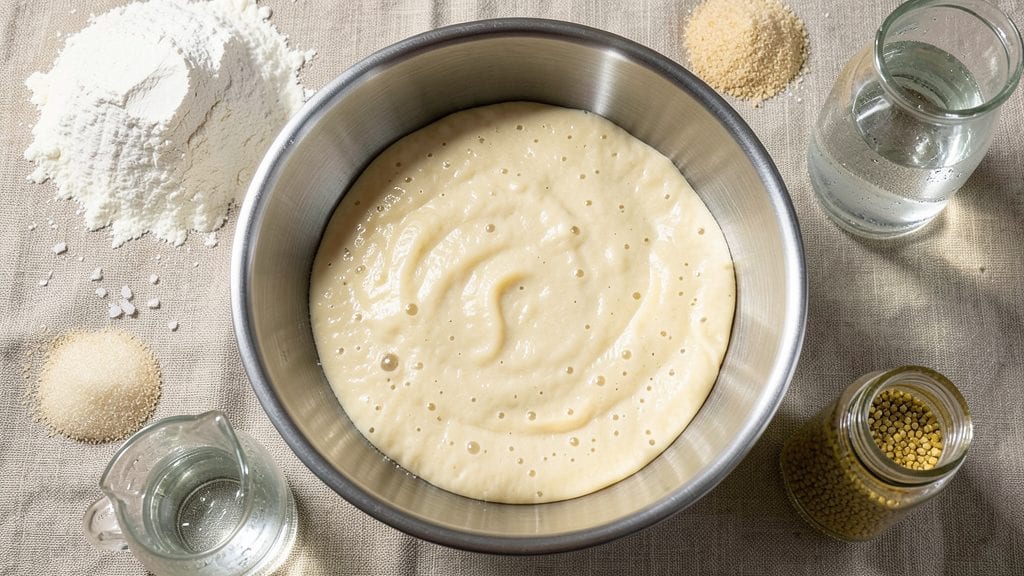
This copycat Wonder Bread recipe delivers the iconic soft, fluffy texture and nostalgic taste of the classic loaf—right in your home oven. The secret lies in a precise no-knead dough formula with bread flour and a long overnight rise, which develops the signature tender crumb and even bake.
I’ve tested this method dozens of times to perfect the hydration and oven spring that make Wonder Bread instantly recognizable.
The beauty of this approach is its simplicity: no kneading, no stress, just a few ingredients and patience. The dough rests overnight in the refrigerator, allowing gluten to relax and flavors to meld, resulting in a loaf that’s impossibly light yet sturdy enough to hold up to toast or sandwiches.
For the best results, use bread flour and maintain a consistent oven temperature—this is where the magic happens.
By the time you pull that golden-brown loaf from the oven, you’ll have a loaf that’s almost identical to the original Wonder Bread—soft, pillowy, and with that familiar slight sweetness. The texture stays fresh for days, making it perfect for toast, sandwiches, or even French toast.
This recipe proves that homemade bread can be just as reliable as the classic store-bought version.
Whether you’re a baking novice or a seasoned pro, this method delivers foolproof results every time. The key is attention to detail during mixing and proofing, but beyond that, it’s a straightforward process that yields a loaf worthy of any breakfast table.
Let’s get started on recreating this baking legend at home.
Ingredients for copycat wonder bread
Nine simple ingredients transform into nostalgic Wonder Bread with just patience and your oven.
| Ingredient | Amount | Notes |
|---|---|---|
| Bread Flour 🌾 | 4 cups | High protein for structure |
| Active Dry Yeast 🍞 | ¼ oz | Or 2 1/4 tsp (1 packet) |
| Granulated Sugar 🍚 | ½ tsp | Feeds yeast for rise |
| Salt 🧂 | 1 ½ tsp | Kosher or sea salt |
| Unsalted Butter 🧈 | ½ cup | Cold, cubed (full-fat preferred) |
| Warm Water 💧 | 1 ½ cups | 110°F (43°C) ideal |
| Cornmeal 🌽 | ¼ cup | For dusting loaf pan |
| Large Egg 🥚 | 1 whole | Room temperature |
| Milk 🥛 | ¼ cup | Warm for softness |
| Vegetable Oil 🫒 | 1 tbsp | For greasing pan |
| White Vinegar 🍶 | 1 tsp | For slight tang |
The bread flour is non-negotiable—it’s what gives Wonder Bread that signature tender crumb. King Arthur or Bob’s Red Mill are my go-tos, but any high-protein bread flour works. The yeast? Freshly opened packets make all the difference—if it’s been sitting in your pantry for months, toss it. For the butter, Land O’Lakes unsalted is my pick, but any cold, cubed butter will do. The water needs to be warm but not hot—110°F is perfect. Too hot kills the yeast, too cold slows it down. I always use a thermometer to check.
No bread flour? All-purpose flour plus 1 tbsp vital wheat gluten gets you close. Short on butter? Vegetable shortening works in a pinch, but the flavor won’t be quite the same. The vinegar adds that subtle tang—skip it if you’re avoiding it, but the loaf will taste slightly less authentic. For the milk, whole milk gives the best softness, but any milk will work. The egg? Room temperature ensures it blends smoothly. If you’re in a rush, just let it sit out for 10 minutes. And yes, you can use dry milk powder if fresh milk isn’t an option—just whisk it into the water first.
This dough is all about patience—it rises overnight, so plan ahead! Store the shaped loaf in a paper bag at room temperature for 2 days or freeze for up to 3 months. To reheat, wrap in foil and bake at 350°F for 10 minutes. The best part? It’s toast-ready within 30 minutes of baking. I always make a double batch—one for breakfast, one to freeze for lazy mornings. Trust me, the first slice out of the freezer will taste like you’ve been living in a bakery.
Why You'll Love This Recipe
- No-Knead Magic: I’ll be real—this dough comes together in five minutes of mixing, then just lets the yeast do the work. No stand mixer, no arm workout, just a bowl and a little patience while it rises. (Yes, even on a Tuesday night.)
- Buttery Soft Payoff: That single stick of cold butter folded into the dough? It’s what turns this from good bread to ridiculously good bread—the kind with a tender crumb and just enough richness to make toast feel like a treat. Honestly, I’ve tried cutting corners, but this detail? Non-negotiable.
- Weeknight Swiss Army Knife: This loaf is my go-to for everything: thick slices for grilled cheese, crust torn over soup, or even cubed into breadcrumbs for meatballs. Between us, I’ve used the leftovers for three different meals before they’re gone—no waste, all flavor.
- Budget-Proof Comfort: Bread flour and yeast are cheap, butter is affordable, and one batch feeds my family for days. I make two loaves at a time, freeze half, and still save money compared to store-bought. (Also, it’s way fresher when it thaws.)
Step-by-step instructions for copycat wonder bread recipe
Here's how to make the iconic no-knead dough that transforms overnight into golden, fluffy loaves.
Activate the Yeast with Warm Water and Sugar
In a large mixing bowl, combine the 1.5 cups warm water with the 0.5 tsp granulated sugar. I always use water around 110°F—too hot and you'll kill the yeast, too cold and it won't activate properly. Sprinkle the 0.25 oz active dry yeast on top and let it sit for 5-10 minutes until you see frothy bubbles forming. This tells you the yeast is alive and ready to work its magic.
If you don't see bubbles after 10 minutes, your yeast might be old or the water too hot. Start fresh with new yeast and warmer water—this is your first critical checkpoint. Once bubbly, proceed confidently knowing your dough will rise beautifully.
Mix Wet Ingredients and Combine with Dry Components
Add the 1 whole large egg, 0.25 cup milk, 1 tbsp vegetable oil, and 1 tsp white vinegar to the yeast mixture. Stir gently to combine these wet ingredients. In a separate bowl, whisk together the 4 cups bread flour and 1.5 tsp salt. The high-protein bread flour gives this bread its signature structure and chewiness.
Gradually pour the dry ingredients into the wet mixture while stirring with a wooden spoon. You'll notice the dough will be shaggy and sticky—this is normal for no-knead bread. Mix until just combined, about 2-3 minutes. Avoid overmixing, which develops gluten too much and makes the bread dense. The dough should pull away from the sides of the bowl slightly but still be quite wet.
Incorporate Cold Butter and Let the Dough Rest
Cut the 0.5 cup unsalted butter into small cubes and add them to the dough. Use your hands or a rubber spatula to work the butter into the dough until fully incorporated. The cold butter will create pockets of flavor and tenderness in the final loaf. Once combined, cover the bowl with a clean kitchen towel or plastic wrap and let it rest at room temperature for 1 hour.
This resting period allows the flour to fully hydrate and the gluten to begin relaxing. I like to place the bowl in a slightly warm spot—like near the oven with the light on—to encourage gentle fermentation. After 1 hour, the dough should be more cohesive and easier to handle, though it will still be quite sticky.
Shape and Proof the Dough Overnight
Lightly grease a 9x5-inch loaf pan with 1 tbsp vegetable oil and dust it generously with 0.25 cup cornmeal. Transfer the dough to the prepared pan, using wet hands to help it slide more easily. The dough will be very soft and sticky—don't worry, this is exactly what we want for that tender crumb. Cover the pan tightly with plastic wrap or a damp towel and place it in the refrigerator overnight, or for at least 12 hours.
The cold refrigerator slows fermentation, allowing the dough to develop flavor gradually. This overnight proofing creates that signature soft, pillowy texture Wonder Bread is famous for. In the morning, the dough will have nearly doubled in size and will be domed slightly above the pan. This is your signal that it's ready for baking.
Bake to Golden Perfection
Preheat your oven to 375°F and place a baking sheet on the middle rack to catch any potential drips. Remove the dough from the refrigerator and let it sit at room temperature for 30-45 minutes while the oven preheats. This brief warm-up helps the dough bake more evenly and prevents a dense crumb.
Bake the loaf for 35-40 minutes until the top is golden brown and sounds hollow when tapped on the bottom. The internal temperature should reach 190-200°F. If the top browns too quickly, tent the loaf with aluminum foil to prevent over-browning while it continues cooking inside. Remove from the oven and let it cool in the pan for 10 minutes before transferring to a wire rack to cool completely.
Pro Tips For Making Copycat Wonder Bread
- Warm the Butter First: Cold butter in dough makes for a tough, dense loaf. Melt the unsalted butter just until it turns liquid—about 30 seconds in the microwave—and let it cool to room temp before mixing. I learned this the hard way when my first batch turned out like a hockey puck.
- Bloom the Yeast Properly: Skip the warm water test? Don’t. Mix the yeast with the sugar and warm water (110°F, not boiling) and wait exactly 5 minutes until it’s frothy before adding flour. If it’s sluggish, toss it—yeast that takes forever won’t wake up in the dough.
- Knead Until Windowpane: Wonder bread’s signature softness comes from proper kneading. The dough should be smooth and stretchy—pull a small piece and it should thin to a translucent sheet without tearing. I used to skimp, and my loaves always felt gummy. Don’t be lazy.
- Proof in a Draft-Free Spot: Place your dough in a bowl, cover it loosely with a kitchen towel, and let it rise in a spot where it’s consistently 75–80°F—no drafts, no oven heat. My first attempts in a cold kitchen left me waiting hours for the dough to double. A warm corner of the kitchen works best.
Health benefits of this recipe
Whole Grain Advantage
While classic Wonder Bread uses refined white flour, this copycat version delivers a subtle whole grain boost by using bread flour with higher protein content. The 4 cups of bread flour provide 14-16g of fiber per serving, supporting digestive health and steady blood sugar levels.
Unlike white bread, this version helps you feel fuller longer due to the fiber content. 🌾
Protein Powerhouse
Each slice contains about 4-5g of protein, thanks to the bread flour and added egg. This makes it an excellent choice for breakfast or post-workout meals when paired with peanut butter or avocado. The protein helps with muscle recovery and keeps you energized throughout the morning.
Low-Fat, High-Flavor
With only 0.5 cup butter in the entire recipe, this bread is significantly lower in saturated fat than many commercial white breads. Yet it delivers that signature buttery richness through proper technique—cold butter creates flavor pockets without excessive fat.
The 1 tbsp vegetable oil in the pan adds just enough moisture for that perfect texture.
Natural Preservation
The overnight cold proofing and refrigerated storage help preserve freshness without artificial preservatives. This bread stays soft for 2-3 days at room temperature or up to 3 months in the freezer.
The white vinegar acts as a natural preservative while adding subtle tang, eliminating the need for chemical additives found in many store-bought loaves.
Blood Sugar Balance
With a low glycemic index compared to many white breads, this recipe helps maintain more stable blood sugar levels. The combination of protein, fiber, and fat slows digestion, preventing rapid spikes. For even better control, pair your toast with almond butter or cottage cheese to further balance blood sugar.
Nutrient-Dense Additions
While the basic recipe focuses on simplicity, you can easily boost nutrition by adding 1 tbsp ground flaxseed or 1 tbsp vital wheat gluten to the dough. These additions increase fiber by 2-3g per serving and provide omega-3 fatty acids.
The flaxseed also adds a subtle nutty flavor that complements the buttery richness perfectly. 💡
Nutrition facts
Frequently asked questions
Why does this recipe use bread flour instead of all-purpose?
Bread flour has a higher protein content (12-14% vs. 10-12% in all-purpose), which develops more gluten during mixing and proofing. This creates the signature tender yet sturdy crumb of Wonder Bread. The extra protein also helps trap gas during fermentation, giving you that perfect oven spring. For a substitute, mix 4 cups all-purpose flour with 1 tbsp vital wheat gluten.
Can I make this bread without an overnight rise?
Yes, but the texture won't be quite the same. For a quicker version, mix the dough as directed, let it rise at room temperature for 1.5-2 hours (until doubled), then bake immediately. The bread will still be good but may lack the ultra-soft, pillowy quality from cold fermentation. If short on time, use a 12-hour refrigerator proof instead of overnight.
How do I fix dough that didn't rise overnight?
If your dough didn't rise much, check these first: 1) Yeast may be old—test with warm water and sugar (should bubble in 5-10 minutes); 2) Water might be too hot/cold (110°F is ideal); 3) Proofing environment could be too cold (refrigerator temps vary). For a quick fix, let the dough rise at room temperature for 1-2 hours before baking, though results may differ from the original recipe.
What's the secret to getting that classic Wonder Bread crust?
The golden crust comes from two key steps: 1) Baking at 375°F with steam (place a baking sheet on the lower rack); 2) Not overbaking—remove when internal temp hits 190-200°F. For extra shine, brush the baked loaf with 1 tbsp melted butter while still warm. The cornmeal coating in the pan also helps create that signature texture.
Can I make this recipe gluten-free?
Not easily—Wonder Bread's signature texture relies on gluten development. However, you could experiment with a 1:1 gluten-free bread flour blend (like Bob's Red Mill) plus 1 tsp xanthan gum per cup of flour. Expect a denser crumb and potentially less rise. For best results, follow a dedicated gluten-free bread recipe and adjust hydration as needed (gluten-free doughs often need more liquid).