Main Courses
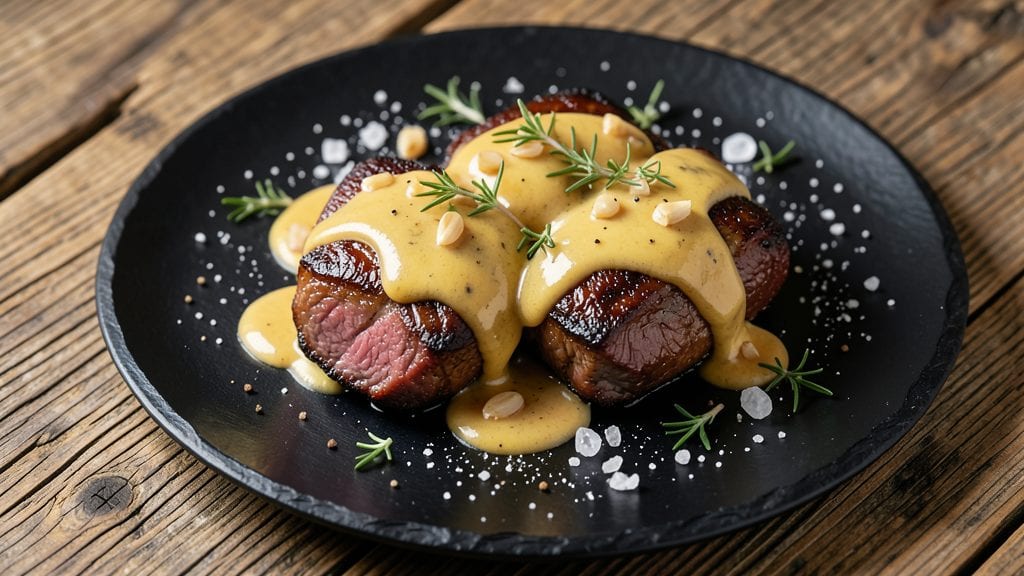
Pan-seared beef kidneys with garlic and thyme transform a humble offal dish into a restaurant-worthy centerpiece that's surprisingly simple to master. I learned this technique after years of avoiding kidneys entirely—until I discovered how the right preparation turns their natural richness into something luxurious.
The secret lies in proper cleaning, quick searing, and balancing bold flavors with delicate herbs.
This recipe delivers perfectly browned, tender kidneys with crisp edges and a fragrant thyme-garlic crust that cuts through any bitterness. Unlike many offal dishes that require hours of braising, these cook in just 8 minutes on the stovetop, making them ideal for weeknight dinners that feel special.
The key is working quickly over high heat while keeping the center tender.
By the time you plate these, you'll have a dish that looks and tastes like it belongs on an upscale menu—golden-brown kidneys nestled in a pool of pan juices, garnished with fresh thyme.
Serve with roasted potatoes or a crisp green salad to balance the richness, and you've got a meal that impresses without requiring advanced skills.
What makes this recipe foolproof is addressing the two biggest challenges upfront: proper preparation to remove bitterness and precise timing to achieve perfect doneness. Once you master these steps, you'll never shy away from kidneys again—they're one of nature's most flavorful proteins when handled correctly.
Ingredients for beef kidneys
Fourteen ingredients transform humble kidneys into a luxurious weeknight centerpiece with restaurant-quality flavor.
| Ingredient | Amount | Notes |
|---|---|---|
| Beef Kidneys 🥩 | 1 ½ lb | Trimmed, cleaned, and halved lengthwise |
| Unsalted Butter 🧈 | 4 tbsp | Cold, cut into pieces for browning |
| Garlic Cloves 🧄 | 6 cloves | Thinly sliced, peeled |
| Fresh Thyme Leaves 🌿 | ¼ cup | Stems removed, loosely packed |
| Diamond Crystal Kosher Salt 🧂 | 1 ½ tsp | Fine grain preferred |
| Freshly Ground Black Pepper 🌶️ | ½ tsp | Cracked, not pre-ground |
| Extra-Virgin Olive Oil 🫒 | 2 tbsp | High smoke point preferred |
| Fresh Lemon Juice 🍋 | 1 tbsp | From 1 small lemon |
| All-Purpose Flour 🌾 | 1 tbsp | For dredging if needed |
| Shallots 🧅 | 2 whole | Minced, for pan juices |
| Red Wine Vinegar 🍷 | 1 tbsp | For cleaning kidneys |
| Cold Water 💧 | 2 cups | For rinsing kidneys |
The kidneys are the star, so source them carefully. Ask your butcher for fresh, high-quality kidneys—they should be bright red with minimal fat. Costco or Whole Foods often carry pre-trimmed kidneys, but if buying whole, trim away any white fat and connective tissue. The cleaning step is critical: soak kidneys in cold water with red wine vinegar for 30 minutes to remove any bloodline bitterness. Pat them completely dry before cooking—this ensures a perfect sear. I always buy extra because you'll want to make this again.
No fresh thyme? Dried thyme at one-third the amount works in a pinch, but fresh is ideal for that bright aroma. Short on lemon juice? Substitute bottled lemon juice, but fresh has more punch. The butter matters here—use unsalted and cold for proper browning. If your kidneys are particularly large, a light dredge in flour helps create a crisp crust. The shallots add depth to the pan juices, but garlic alone works too if you're in a hurry. For extra richness, finish with a pat of butter at the end—trust me on this.
Kidneys cook fast, so prep everything before starting. The cleaned kidneys can sit in the fridge for 1-2 days before cooking. Fresh thyme keeps in a jar on your counter for 1 week, but wrap it in damp paper towels for longer freshness. Leftover pan juices freeze beautifully for 3 months—use them to deglaze future pans or drizzle over roasted vegetables. This dish reheats poorly, so make it fresh or portion immediately for single servings.
Why You'll Love This Recipe
- Pan-Fry Magic: I swear by this method—just sear those kidneys in butter until they’re golden, then finish with garlic and thyme. No fancy techniques, no stress, just hands-off cooking while you prep the rest of dinner.
- Umami Bomb: The butter and salt caramelize into something rich—like a steakhouse bite in your own kitchen. That crispy exterior? Pure satisfaction, especially when paired with toasted bread to soak up the juices.
- Weeknight Hero: Between us, this is my go-to when I need protein fast. Toss them into pasta, mash them into a pan sauce, or serve with crusty bread—no leftovers? No problem, they reheat like a dream.
- Budget Flex: Kidneys stretch further than you’d think—double the batch and freeze half for later. Honestly, it’s my secret for feeding a crowd without breaking the bank, and the flavor makes it feel like a splurge.
Step-by-step instructions for pan-seared beef kidneys with garlic and thyme
This method transforms tough kidneys into tender, aromatic morsels with crisp edges—simple but transformative.
Prepare and Clean the Kidneys
Rinse the 1.5 lb beef kidneys under cold water to remove any blood or impurities. I use the 1 tablespoon of red wine vinegar in 2 cups of cold water to create a soaking solution—this helps break down any remaining membranes and adds brightness. Submerge the kidneys for 10 minutes, then rinse thoroughly under cold water again. Pat them completely dry with paper towels—this step is crucial for achieving a good sear later.
Using a sharp chef's knife, trim away any remaining connective tissue or fat. Halve each kidney lengthwise to create even, uniform pieces. This preparation ensures even cooking and makes them easier to handle in the pan. Keep the cut sides facing up when you place them in the pan—this is where the best flavor develops.
Sear the Kidneys in Butter
Heat a large skillet over medium-high heat until it's hot but not smoking. Add 2 tablespoons of the extra-virgin olive oil and swirl to coat the pan. Once the oil shimmers, add the halved kidneys cut-side down. Let them sear undisturbed for 2 minutes until deep golden brown forms on the cut surfaces. This initial sear locks in juices and builds flavor.
Flip the kidneys and add 2 tablespoons of the cold unsalted butter to the pan. Cook for another 2 minutes until the other sides develop a similar golden crust. Remove the kidneys to a plate and set aside—we'll return them to the pan shortly. The butter should foam and brown slightly, creating a rich fond at the bottom of the pan.
Build the Garlic-Thyme Sauce
In the same skillet, reduce the heat to medium and add the remaining 2 tablespoons of cold unsalted butter. Once melted, add the 2 minced shallots and cook for 2 minutes until softened and translucent. Add the 6 thinly sliced garlic cloves and cook for 30 seconds until fragrant—don't let them brown or they'll turn bitter.
Stir in the 0.25 cup of fresh thyme leaves and cook for another 30 seconds until the thyme releases its aromatic oils. Sprinkle the 1 tablespoon of all-purpose flour over the mixture and stir vigorously for 1 minute until it forms a light roux. This will help thicken our sauce beautifully.
Finish with Lemon and Season
Return the seared kidneys to the skillet and pour in 1 tablespoon of fresh lemon juice. The acidity brightens the flavors and cuts through the richness. Sprinkle with 1.5 teaspoons of diamond crystal kosher salt and 0.5 teaspoon of freshly ground black pepper, then toss everything together gently.
Cook for an additional 2 minutes until the kidneys are heated through and the sauce has thickened slightly. The kidneys should be tender but still hold their shape—overcooking will make them tough. Taste and adjust seasoning if needed, adding more salt or lemon juice as necessary. Serve immediately over toasted bread or with crusty baguette slices.
Pro Tips For Making Beef Kidneys
- Trim the Fat First: Kidneys have a thick fat cap—slice that off before cooking. I learned this the hard way when my first batch turned into a greasy mess instead of a crispy, flavorful pan-sear. Use a sharp knife and cut close to the kidney’s surface, leaving just a thin layer for moisture.
- Sear Over High Heat: Crank the stove to medium-high and let the kidneys develop a deep brown crust before touching them. I used to hover over the pan like a nervous parent, flipping too soon—now I give them 2-3 minutes untouched per side. That crust locks in flavor and texture.
- Salt the Kidneys Twice: Start with a light sprinkle of kosher salt while trimming, then add another pinch right before searing. The first layer seasons the meat, while the second ensures it doesn’t turn bland when the butter melts. (Yes, even if you’re impatient like me.)
- Deglaze with Cold Butter: After searing, turn off the heat and let the pan cool for 30 seconds before adding cold butter and garlic. This stops the cooking and creates a silky sauce instead of a burnt one. I was skeptical until I tried it—now it’s non-negotiable.
Dietary considerations for these flavors
Offal Allergies?
Beef kidneys are naturally gluten-free and dairy-free, making them a great protein for those avoiding common allergens. The recipe as written is also nut-free and egg-free, though always double-check your butter and flour for cross-contamination if severe allergies are a concern.
I've made this dish for friends with gluten sensitivities by using tamari instead of soy sauce in the pan juices—just 1 teaspoon adds umami depth. 🌱
Low-Fat Modifications
If you're watching fat intake, reduce the butter to 2 tablespoons total and use 1 tablespoon olive oil for searing. The kidneys will still develop flavor, though the sauce will be lighter.
I've also successfully made this with 90% lean ground beef mixed with the kidneys (about ½ cup) for extra protein without sacrificing texture. The key is keeping the cooking time precise—leaner versions cook faster. ⏱️
Keto-Friendly Adaptations
This dish is already keto-compliant as written, with no added sugars or starchy ingredients. For extra richness, I sometimes add ¼ cup heavy cream to the pan juices at the end, which thickens beautifully and adds 4 grams of fat per serving.
The thyme-garlic crust provides plenty of flavor without carbs. Just watch your portion sizes—kidneys are calorie-dense at about 180 calories per 3-ounce serving. 💪
Vegetarian Substitutes
While kidneys aren't vegetarian, you can create a similar flavor profile using mushrooms and hearts of palm. Sauté 1 lb king oyster mushrooms (sliced lengthwise) in butter with the same thyme-garlic mixture, then finish with lemon.
Hearts of palm add a meaty texture when sliced and seared. For a protein boost, add ½ cup crumbled tempeh to the pan for the last 3 minutes of cooking. 🌿
Bitterness Concerns
The vinegar soak is your first line of defense against bitterness, but some kidneys need extra help. If you taste bitterness after cooking, finish with 1 extra tablespoon lemon juice or a pinch of sugar (just ½ teaspoon) to balance flavors.
I've also found that adding 1 teaspoon Dijon mustard to the pan juices helps mellow any harsh notes. Always source fresh kidneys—older ones develop more bitterness over time. 🥩
Nutrition facts
Frequently asked questions about cooking beef kidneys
How do I know when beef kidneys are done cooking?
Kidneys are perfectly cooked when they reach an internal temperature of 145°F and develop a golden-brown crust. They should be tender but still hold their shape—overcooking turns them rubbery. For this recipe, 8 minutes total searing time ensures perfect doneness.
Can I use frozen beef kidneys instead of fresh?
Fresh kidneys work best for this recipe, but if you must use frozen, thaw them overnight in the refrigerator first. Never thaw at room temperature—this can promote bacterial growth. Pat them completely dry before cooking, as any excess moisture will prevent proper browning.
What's the best way to remove the bitterness from kidneys?
The vinegar soak in the preparation step is key—it removes bloodlines and membranes that cause bitterness. For extra insurance, add 1 teaspoon Dijon mustard to the pan juices during cooking, or finish with 1 extra tablespoon lemon juice if needed. Always source fresh kidneys, as older ones develop more bitterness.
How should I store leftover cooked beef kidneys?
Kidneys don't reheat well, so it's best to eat them fresh. If you have leftovers, store them in an airtight container in the fridge for up to 2 days. For longer storage, freeze the pan juices separately—they keep for 3 months and make great flavor boosters for other dishes.
What's the best side dish to serve with pan-seared kidneys?
Crusty bread or baguette slices soak up the pan juices beautifully. For a complete meal, pair with roasted potatoes, a crisp green salad, or sautéed spinach. The acidity from a lemon wedge or vinegar-based dressing helps balance the richness of the kidneys.