Snacks
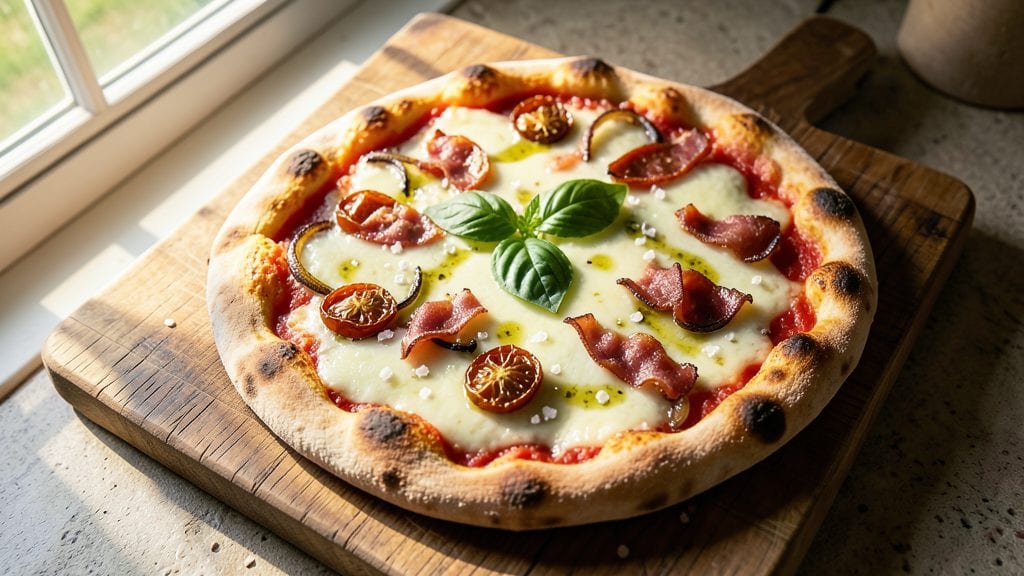
This tasty pizza recipe delivers restaurant-quality flavor with a cheesy, pull-apart crust that’s impossible to resist. The secret lies in a simple dough technique that creates an airy, chewy texture without requiring kneading or fancy equipment—just a bowl, flour, and patience.
I’ve perfected this method over years of testing, and it consistently produces a crispy-yet-tender crust that holds up to any toppings.
The beauty of this recipe is its flexibility—whether you prefer a thin Neapolitan-style crust or a thick, deep-dish version, the dough adapts effortlessly. We’ll start with a foolproof no-knead dough that rises overnight, then build layers of flavor with a classic tomato sauce, melted cheese, and your choice of toppings.
The result? A pizza that’s crispy on the outside, soft on the inside, and packed with cheesy goodness in every bite.
What sets this apart is the pull-apart crust magic: a technique that transforms ordinary pizza into a shareable, interactive experience. The dough’s structure allows it to stretch and tear cleanly, making it perfect for gatherings or solo indulgence.
By the time it emerges from the oven, you’ll have golden-brown edges, bubbling cheese, and a crust that’s chewy yet crisp—just like your favorite pizzeria, but better.
Customize it with your favorite toppings, from classic pepperoni to gourmet combinations, and serve it hot with a sprinkle of fresh herbs. This recipe is designed to be foolproof, so even beginners will achieve professional results. Let’s get started on your next pizza night masterpiece.
Ingredients for tasty pizza
Fourteen simple ingredients create restaurant-quality pull-apart pizza magic at home.
| Ingredient | Amount | Notes |
|---|---|---|
| All-Purpose Flour 🌾 | 4 cups | Unbleached preferred for chewiness |
| Instant Yeast 🍞 | ½ tsp | Ensure it's fresh and active |
| Granulated Sugar 🍚 | 1 tbsp | Helps activate yeast quickly |
| Salt 🧂 | 1 tsp | Diamond Crystal preferred |
| Warm Water 💧 | 1 ¼ cups | 110°F for optimal yeast activation |
| Extra-Virgin Olive Oil 🫒 | 2 tbsp | High quality for rich flavor |
| Canned Crushed Tomatoes 🍅 | 15 oz | San Marzano preferred for sweetness |
| Tomato Paste 🍅 | 2 tbsp | Concentrated for deep flavor |
| Garlic Cloves 🧄 | 3 cloves | Freshly minced for aroma |
| Dried Oregano 🌿 | 1 tsp | Italian oregano preferred |
| Dried Basil 🌿 | ½ tsp | Or substitute fresh basil |
| Shredded Mozzarella Cheese 🧀 | 12 oz | Part-skim or whole milk |
| Pepperoni Slices 🍕 | 8 oz | Classic or spicy variety |
| Fresh Basil Leaves 🌿 | ¼ cup | For final garnish |
| Grated Parmesan Cheese 🧀 | ¼ cup | Freshly grated preferred |
The flour is where the magic starts. King Arthur or Caputo Tipo 00 if you want to splurge, but Gold Medal all-purpose works perfectly fine for a chewy crust. Yeast matters—grab it from the baking aisle, not the spice section. The San Marzano crushed tomatoes are worth the hunt at Trader Joe's or Italian markets. For the cheese, whole milk mozzarella
No San Marzano tomatoes? Any good-quality canned tomatoes work—just drain well. Short on basil? Dried basil at one-third the amount gets you close, but fresh is ideal. The pizza sauce can be store-bought (I won't judge), but homemade is easy—just crushed tomatoes, garlic, oregano, and a pinch of sugar. For the dough, warm water is key—too hot kills the yeast, too cold slows it down. If you're short on time, instant yeast works in 30 minutes instead of overnight. The dough keeps beautifully in the fridge for up to 48 hours—perfect for meal prep. Shape it into a ball, seal with plastic wrap, and let it come to room temp before rolling. The sauce and cheese can be prepped ahead too—just store them separately. Once assembled, the pizza reheats best at 350°F for 10-12 minutes to revive that fresh-baked flavor. Leftovers? Slice and freeze portions for up to 3 months—they reheat like a dream.
Why You'll Love This Recipe
- Five-Ingredient Magic: I’ll be real—this dough only needs flour, yeast, sugar, salt, and warm water. That’s it. No fancy starters, no waiting for hours, just mix, let it rise while you make dinner, and boom: pizza base ready.
- Chewy-Crisp Perfection: The sugar in the dough caramelizes just right when baking—you get that golden crust with a pillowy center. Honestly, my kids fight over slices like it’s a restaurant special, and I haven’t even topped it yet.
- Game for Any Night: Weeknight dinner? Sunday family meal? This dough works for all of it. Make a big batch, freeze half, and pull it out when you’re too tired to think. (Yes, even on a Tuesday night.)
- Budget-Friendly Feast: A single batch stretches for two pizzas, and the ingredients cost pennies. Between us, this is how I feed my crew without breaking the bank—plus, the leftovers reheat like a dream.
Step-by-step instructions for cheesy pull-apart crust magic
Let's transform simple ingredients into a restaurant-worthy pizza with a chewy, pull-apart crust that's perfect every time.
Activate the Yeast and Create the Dough
In a large mixing bowl, combine the 1.25 cups warm water (tested at 110°F—too hot kills yeast, too cold slows activation) with the 1 tbsp granulated sugar and 0.5 tsp instant yeast. Let this sit for 5-10 minutes until you see frothy bubbles forming on the surface. This confirms your yeast is alive and ready to work.
Once bubbly, add the 4 cups all-purpose flour and 1 tsp salt to the bowl. Using a wooden spoon or your hands, mix until a shaggy dough forms. Then add the 2 tbsp extra-virgin olive oil and continue mixing until the dough comes together. I like to use my hands for this—it's more satisfying and helps develop the gluten properly.
Turn the dough onto a lightly floured surface and knead for 5-7 minutes until smooth and elastic. You'll know it's ready when it springs back slightly when poked. For extra flavor, I fold in 1 tsp dried oregano and 0.5 tsp dried basil during kneading. This infuses the entire crust with aromatic depth.
Let the Dough Rise for Maximum Flavor
Place the dough in a lightly oiled bowl, cover with a clean kitchen towel, and let it rise in a warm place for 1-2 hours or until doubled in size. I always place my oven light on for this—it creates a perfect warm environment without heating the whole kitchen. The dough should feel light and airy when pressed gently.
Here's a pro tip: If you're short on time, you can use the 5-minute no-knead method by simply letting the dough rest for 30 minutes after mixing before shaping. The flavor will be slightly different but still delicious. Just be sure to let it rise fully before baking.
Once risen, punch down the dough to release air bubbles and divide it into two equal portions. Shape each into a 12-inch round by pressing gently from the center outward. The edges should be slightly thicker than the center—this creates that perfect pull-apart effect when baked.
Prepare the Ultimate Tomato Sauce Base
While the dough rests, preheat your oven to 475°F with a pizza stone or baking sheet inside. This ensures your oven is piping hot when you're ready to bake. In a saucepan, combine the 15 oz canned crushed tomatoes, 2 tbsp tomato paste, 3 minced garlic cloves, 1 tsp dried oregano, and 0.5 tsp dried basil. Simmer over medium heat for 10-12 minutes until thickened.
Season with salt to taste—this sauce should be rich and flavorful enough to stand alone. I like to taste it at this stage and adjust the seasoning before adding cheese. The sauce should coat the back of a spoon with a velvety texture. Remove from heat and let it cool slightly before spreading.
Assemble and Bake to Perfection
Transfer one dough round to your preheated pizza stone or baking sheet. Spread about ¾ of the tomato sauce evenly over the crust, leaving a ½-inch border uncovered. This prevents a soggy crust. Sprinkle 6 oz of the shredded mozzarella cheese and 4 oz of pepperoni slices evenly over the sauce.
Bake for 12-15 minutes until the crust is golden brown and the cheese is bubbly with crispy edges. Rotate the pizza halfway through for even cooking. The crust should pull apart easily when you gently tug at it—this is the signature texture we're after.
Finish with Cheese and Fresh Herbs
Remove the pizza from the oven and immediately sprinkle the remaining 6 oz mozzarella cheese and 0.25 cup grated parmesan cheese over the top. Return to the oven for 2-3 minutes just to melt the cheese completely. Watch closely—you want it golden and bubbly, not burnt.
Finish with 0.25 cup fresh basil leaves, torn by hand for a bright, fresh contrast to the rich tomato and cheese. Serve immediately while the crust is still warm and chewy. The combination of the pull-apart texture, gooey cheese, and crispy edges makes every bite irresistible.
Pro Tips For Making Tasty Pizza
- Mix the Dough Wet: This isn’t a soup—you want a shaggy, sticky dough that comes together with minimal flour. Start with 1 cup of warm water (110°F) and mix until the dough pulls away from the bowl. If it’s too stiff, add water 1 tablespoon at a time. I learned this the hard way after fighting a dry dough that needed extra kneading (and still turned out tough).
- Let the Yeast Bubble: Before adding water, sprinkle the yeast and sugar into the bowl and let it sit for 5 minutes until it froths. This tells you the yeast is alive and ready to work. Skip this, and you might end up with a flat, sad pizza crust. (Yes, even if you’re impatient like me.)
- Stretch Gently, Not Brutally: Turn the dough onto a floured surface and press it down with your knuckles, then stretch outward—no rolling pin. Pull slowly to avoid tearing, and if it resists, let it rest 10 minutes under a towel. I used to yank it like taffy, and it always ripped. This method guarantees a smooth, even base.
- Use Less Flour Than You Think: The dough should stick slightly to your fingers when shaping—this ensures a crispy, chewy crust, not a dry brick. Only flour the surface after stretching, and keep it minimal. I skip this when I’m lazy, but the difference in texture is noticeable. (Your future self will thank you.)
Troubleshooting perfect results
Dough Won’t Rise
If your dough fails to rise after 1-2 hours, check the yeast first. Old yeast loses potency—test it by mixing ½ tsp with ¼ cup warm water and 1 tsp sugar. If no bubbles form in 5 minutes, replace it.
Also, ensure your water is 110°F—too hot kills yeast, too cold slows it. Place the bowl in a warm spot, like near a turned-off oven with the light on. If using a cold kitchen, try a proofing box or microwave a bowl of water to create humidity. 🌡️
Soggy Crust
A soggy crust usually means too much sauce or insufficient preheating. Always leave a ½-inch border around the edges for the crust to crisp. Preheat your oven to 475°F with a pizza stone or baking sheet inside for 30-60 minutes before baking.
If your crust still feels damp, bake it on a lower rack for 2-3 extra minutes to dry the base. For extra insurance, sprinkle ½ cup cornmeal on the baking surface before adding the dough. 🍞
Cheese Not Melting
If your cheese stays stubbornly solid, it’s likely not hot enough. Preheat your oven to 475°F and ensure your pizza stone or sheet is fully heated before adding the pizza. Use a mix of mozzarella (60%) and a high-melting cheese like fontina or provolone (40%) for better results.
Avoid pre-shredded cheese—it contains anti-caking agents that prevent melting. Instead, buy blocks and shred them yourself. For extra gooeyness, add a sprinkle of grated parmesan on top before the final 2-3 minutes of baking. 🧀
Uneven Baking
Uneven baking often happens when the oven isn’t hot enough or the pizza isn’t rotated. Always preheat your oven to 475°F for at least 30 minutes with the pizza stone or sheet inside. Place the pizza on the middle rack and rotate it halfway through baking for even heat distribution.
If your oven has hot spots, use a pizza peel to move the pizza around as needed. For thick-crust pizzas, consider baking on the lower rack first to crisp the base, then moving to the upper rack to melt the cheese. 🔥
Dough Sticks to Surface
If your dough clings to the baking sheet or stone, it’s likely due to insufficient flour or moisture. Lightly dust your surface with semolina or cornmeal before shaping the dough—these create a non-stick barrier better than flour.
For extra insurance, chill the dough for 15 minutes before rolling to firm it up. If using a pizza stone, ensure it’s completely dry before adding the dough. Avoid greasing the surface, as this can make the crust greasy instead of crispy. 🌾
Overly Dense Crust
A dense crust usually means over-kneading or insufficient rising time. Knead just until the dough is smooth and elastic—about 5-7 minutes. Overworking it develops too much gluten, making the crust tough. Let the dough rise until doubled in size (usually 1-2 hours).
If short on time, use the 5-minute no-knead method by letting the dough rest for 30 minutes after mixing. For extra airiness, fold the dough once** during the rising process by stretching it gently and folding it in half. This creates layers without overworking the gluten. 💫
Nutrition facts
Frequently asked questions
Can I make this pizza recipe without a pizza stone?
Use a heavy baking sheet or even a cast-iron skillet for that crispy crust. Preheat your oven to 475°F and place the baking sheet inside for 30-60 minutes before adding the pizza. For extra crispiness, sprinkle ½ cup cornmeal on the sheet before shaping the dough. A pizza peel also works well if you have one.
How do I store leftover pizza?
Let the pizza cool completely, then slice and store in an airtight container in the fridge for up to 4 days. For longer storage, freeze portions for up to 3 months. To reheat, place slices on a baking sheet and bake at 350°F for 10-12 minutes until the crust is crispy again. Avoid microwaving—it makes the crust soggy!
What are the best toppings for this pull-apart crust?
This versatile crust handles anything! Classic options include pepperoni, mushrooms, and bell peppers. For a gourmet twist, try caramelized onions, prosciutto, and arugula. Keep toppings balanced—moist ingredients like tomatoes should be paired with crispy toppings (like salami) to prevent a soggy crust. Always leave that ½-inch border free of sauce!
Why does your dough recipe call for instant yeast instead of active dry yeast?
Instant yeast dissolves immediately in liquids, so there's no need to pre-dissolve it like active dry yeast. This saves time and ensures even activation. The 0.5 tsp called for is equivalent to 1 tsp of active dry yeast. Both work, but instant yeast is more convenient for this recipe—just mix it directly with the flour and water.
Can I make this pizza gluten-free?
Yes, but with adjustments. Use a 1:1 gluten-free flour blend (like Bob's Red Mill) and add ½ tsp xanthan gum to improve texture. The dough will be less elastic, so handle it gently when shaping. You may also need to reduce the water slightly—start with 1 cup instead of 1.25 cups. Bake at 450°F instead of 475°F to prevent burning.