Side Dishes
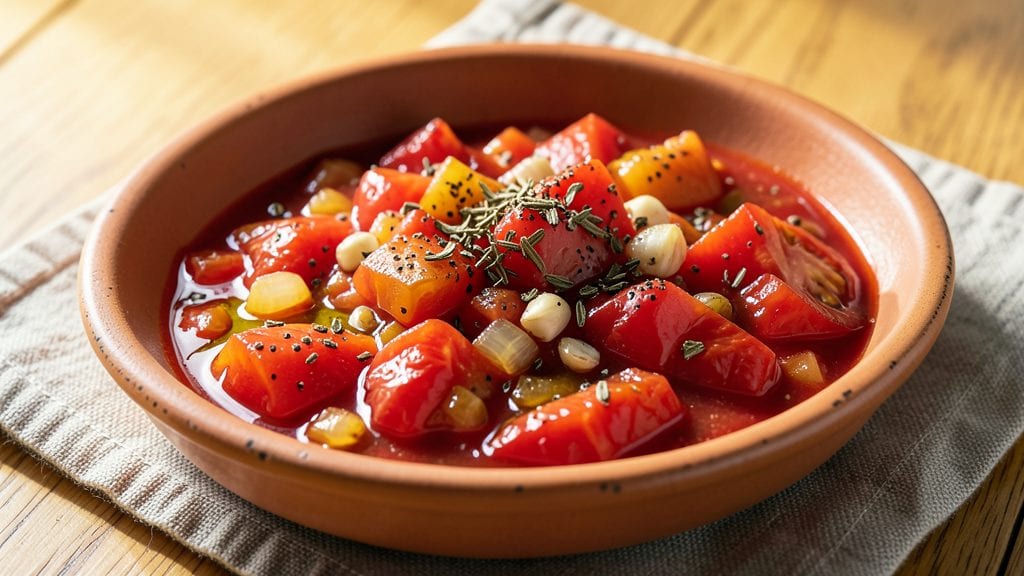
Transforming canned chopped tomatoes into a rich, flavorful sauce takes just 15 minutes and requires only a handful of pantry staples. This simple method elevates basic canned tomatoes into a versatile sauce perfect for pasta, pizza, or dips—no fancy ingredients needed.
The key lies in balancing acidity and sweetness while building depth through aromatic bases like garlic and onions.
What makes this sauce stand out is its adaptability—it works as a quick marinade, a base for soups, or even a tangy condiment for grilled meats.
The process involves simmering the tomatoes with garlic, herbs, and a touch of sugar or honey to mellow the acidity, resulting in a smooth, well-rounded sauce with complex flavor. No blending required; the texture remains rustic and inviting.
The result is a savory, slightly sweet sauce with a velvety consistency that clings beautifully to noodles or crusts. This recipe proves that pantry ingredients can deliver restaurant-quality results with minimal effort.
Whether you're prepping for a weeknight dinner or stocking your freezer for future meals, this sauce is a game-changer.
Use it immediately or store it in the fridge for up to a week, where flavors deepen over time. The simplicity of the ingredients makes this sauce ideal for beginners, while the customizable seasonings allow for endless variations. Let’s get cooking!
Ingredients for canned chopped tomatoes
Pantry staples transform into a velvety sauce with just 10 ingredients and 15 minutes.
| Ingredient | Amount | Notes |
|---|---|---|
| Canned Chopped Tomatoes 🍅 | 2 cans | 28 oz each, San Marzano preferred |
| Yellow Onion 🧅 | 1 whole | Medium size, finely diced |
| Garlic Cloves 🧄 | 4 cloves | Fresh, minced for aromatic depth |
| Extra-Virgin Olive Oil 🫒 | ¼ cup | High-quality, fruity variety |
| Dried Oregano 🌿 | 1 tsp | Mediterranean or Italian blend |
| Ground Black Pepper 🌶️ | ½ tsp | Freshly ground preferred |
| Granulated Sugar 🍚 | 1 tbsp | Balances tomato acidity |
| Sea Salt 🧂 | 1 tsp | Diamond Crystal preferred |
| Balsamic Vinegar 🍷 | 1 tbsp | Aged, for depth of flavor |
| Fresh Basil Leaves 🌿 | ¼ cup | Chopped, for bright finish |
The foundation starts with San Marzano canned tomatoes—their natural sweetness and low acidity create a superior base. While any quality canned tomatoes work, store-brand options often contain added salt, so rinse them if needed. For onions, yellow onions provide the perfect balance of sweetness and sharpness, while red onions add color but can make the sauce too acidic. Garlic should be freshly minced—pre-minced garlic loses potency quickly. The extra-virgin olive oil isn't just for cooking; its fruity notes elevate the sauce's depth, so avoid the cheap bottled kind. Penzeys Spices or bulk bins at Whole Foods ensure your dried oregano stays potent longer.
No San Marzano tomatoes? Crushed tomatoes work in a pinch, but they may require an extra 0.5 tsp of sugar to balance acidity. Substitute dried oregano with fresh basil at double the amount, though the flavor profile shifts slightly. Running low on balsamic vinegar? Red wine vinegar delivers a similar tang, but reduce to 0.5 tbsp to avoid overpowering. For a smokier twist, swap 1 tsp smoked paprika for half the oregano. The sugar can be omitted entirely if using very ripe tomatoes, though it helps mellow the acidity—especially important for lower-quality canned tomatoes. Fresh basil is ideal, but dried basil at one-third the amount works if you're in a bind.
This sauce develops richer flavors over time, so reheat gently on the stove or microwave until warmed through. Store in an airtight glass container in the fridge for up to 7 days, where the flavors meld beautifully. For longer storage, freeze in ice cube trays—perfect for single-use portions. The sauce thickens as it cools, so add a splash of water or broth when reheating if needed. Portion into jars for easy grab-and-go meals, and label with the date to track freshness. The balsamic vinegar and basil can be added fresh after reheating to preserve their bright qualities.
Why You'll Love This Recipe
- Pantry Magic: I swear by this recipe when I’ve got nothing but a can of tomatoes and a few basics. The onions caramelize in minutes with that olive oil, and the garlic? Oh, it just happens—no measuring, no fuss, just pure flavor.
- Umami Bomb: That canned tomato base is already rich, but adding a splash of olive oil and a pinch of dried oregano? It’s like a secret weapon. The acidity cuts through the sweetness, and the oregano gives it that cozy, rustic kick—no fancy ingredients needed.
- Weeknight Workhorse: I make this for pasta, toss it into eggs for breakfast, or even serve it over toast when I’m too tired to think. It’s the kind of dish that works in a hurry but still feels intentional—no one will guess it came from a can.
- Budget-Friendly Staple: Honestly, this is my go-to when I’m pinching pennies. A single can of tomatoes stretches for multiple meals, and the rest of the ingredients? Cheap and always in my pantry. Leftovers taste just as good the next day—if they even make it that far.
Step-by-step instructions for pantry-to-table tomato sauce
Transform simple pantry staples into a rich, balanced tomato sauce with this precise method.
Sauté Aromatics Until Fragrant
Heat the 0.25 cup extra-virgin olive oil in a medium saucepan over medium heat. Add the finely diced yellow onion and cook for 5-6 minutes until softened and translucent. You'll notice the onions release moisture and become nearly clear at the edges.
Add the 4 minced garlic cloves and cook for another 30 seconds until the garlic releases its aroma—don't let it brown or it will become bitter. This foundational step develops the sauce's depth of flavor before introducing any acidity or sweetness. Keep the heat at medium throughout this process to ensure even cooking without burning.
Build the Tomato Base
Pour in the 2 cans canned chopped tomatoes and stir to combine with the aromatics. Add the 1 tbsp granulated sugar, 1 tsp sea salt, 1 tsp dried oregano, and 0.5 tsp ground black pepper. The sugar helps balance the natural acidity of the tomatoes while the salt enhances all flavors.
Bring the mixture to a gentle simmer over medium-low heat. Let it cook uncovered for 8-10 minutes until the sauce begins to thicken slightly and the raw tomato flavor mellows. You'll see the sauce reduce by about 20% and develop a glossy sheen. Stir occasionally to prevent sticking and ensure even heating.
Finish with Acid and Fresh Herbs
Reduce the heat to low and stir in the 1 tbsp balsamic vinegar. The vinegar adds complexity and helps brighten the flavors without overpowering the tomato base. Simmer for another 3-4 minutes until the sauce reaches your desired consistency—it should coat the back of a spoon but remain smooth.
Remove the saucepan from heat and stir in the 0.25 cup chopped fresh basil leaves. The basil adds a vibrant finish and fresh contrast to the rich tomato flavors. Let the sauce sit off the heat for 5 minutes to allow the basil to infuse fully. Taste and adjust seasoning if needed, adding more salt or sugar as necessary to achieve perfect balance.
Serve Immediately or Store Properly
For immediate serving, ladle the sauce over your choice of pasta, drizzle over grilled meats, or use as a base for pizza sauce. The sauce should be warm and vibrant, with well-integrated flavors that highlight both the sweetness of the tomatoes and the herbal notes.
For storage, let the sauce cool completely before transferring to an airtight container. It will keep in the refrigerator for up to 5 days or can be frozen for up to 3 months. When reheating, warm gently over low heat to preserve texture and prevent skin formation. The sauce's versatility makes it perfect for meal prep or last-minute cooking solutions.
Pro Tips For Making Canned Chopped Tomatoes
- SWEAT THE ONIONS: I learned this the hard way—don’t just chop onions and toss them in. Take 3-4 minutes to cook them over medium-low heat until they’re translucent and just starting to soften. This stops them from releasing bitter juices later, and the flavor actually integrates better with the tomatoes.
- CRUSH GARLIC PROPERLY: Skip the mincer if you’re in a hurry, but resist the urge to just chop garlic cloves into tiny pieces. Lightly smash them with the flat side of your knife first—this releases more flavor without burning. Then, add them to the oil when it’s hot but not smoking, and cook for 30 seconds before adding tomatoes.
- DRAIN AND RINSE TOMATOES: That canned tomato juice? It’s salty and can make your dish taste flat or overly briny. Drain the tomatoes and give them a quick rinse under cold water to strip away excess salt and concentrate the flavor. (Yes, even if the can says “low-sodium”—better safe than sorry.)
- SIMMER, DON’T BOIL: After adding the tomatoes, bring the mixture to a gentle simmer, then immediately reduce the heat to the lowest setting you can tolerate. Boiling can turn the sauce bitter and break down the texture of the chopped tomatoes. A steady, quiet simmer keeps everything tender and lets the flavors meld—no babysitting required.
Essential equipment for perfect results
Saucepan Essentials
Start with a medium-sized saucepan (2-3 quart capacity) that fits comfortably on your stovetop burner. I prefer All-Clad stainless steel for even heat distribution, but any heavy-bottomed pan like Calphalon or Le Creuset works perfectly.
Avoid nonstick pans—they can't handle the prolonged simmering without releasing harmful fumes. A wooden spoon (like OXO Good Grips) is ideal for stirring without scratching the pan. 🔥
Heat Control Tools
Invest in a digital thermometer (I use ThermoWorks Thermapen) to monitor saucepan temperatures accurately. This helps maintain the medium-low heat needed for even reduction without scorching. A kitchen timer ensures you don't overcook the sauce—set it for 12 minutes total from start to finish.
For precise heat adjustment, a gas stove gives better control than electric, but electric ranges with adjustable burners work fine too.
Blending (Optional)
If you prefer a smoother sauce, a immersion blender (like Ninja Foodi) eliminates transferring hot liquids. For chunkier textures, a stainless steel ladle with a fine-mesh strainer works well to remove skins while keeping tomato pieces intact.
Avoid plastic utensils—they can melt when exposed to prolonged heat from the sauce.
Storage Containers
For fridge storage, use glass mason jars (8-16 oz size) or BPA-free plastic containers with airtight lids. I recommend Ball Mason jars for their durability and seal. For freezing, silicone ice cube trays are perfect for single-use portions.
Label all containers with the date using a permanent marker to track freshness. The sauce thickens when refrigerated, so add 1-2 tbsp water when reheating.
Herb Freshener
Keep a small mortar and pestle handy for crushing fresh basil leaves just before adding them to the sauce. This releases more oils and intensifies flavor. A microplane works well for grating garlic if you prefer a finer texture.
For dried herbs, store them in amber glass jars with tight-sealing lids to preserve potency for up to 6 months. 🌿
Nutrition facts
Frequently asked questions
Can I use crushed tomatoes instead of chopped?
Yes, but you may need to adjust the sugar slightly. Crushed tomatoes have more liquid, so reduce the sugar to 0.5 tbsp to prevent over-sweetening. Simmer for an extra 2-3 minutes to achieve the same thickness. The texture will be slightly smoother since crushed tomatoes have fewer seeds and skins.
How do I make this sauce spicier?
Add 1 tsp red pepper flakes or ½ tsp cayenne pepper when simmering the tomatoes. For a smoky kick, stir in ½ tsp smoked paprika with the oregano. If you prefer heat at the end, mix in 1 tbsp hot sauce or fresh chili flakes after removing from heat. Start with half the amount and adjust to taste.
Why did my sauce turn out too acidic?
This usually happens with lower-quality canned tomatoes or skipping the sugar. Next time, add 1 extra tbsp sugar or ½ tsp baking soda (just a pinch!) to neutralize acidity. Also, ensure you're using medium-low heat—high heat intensifies acid flavors. For immediate fixes, stir in 1 tsp honey or 1 tbsp tomato paste to balance the taste.
Can I make this sauce in a slow cooker?
Combine all ingredients in the slow cooker on low heat for 3-4 hours or high heat for 1.5-2 hours. The sauce will reduce more slowly, so you may need to add 1 tbsp cornstarch mixed with 2 tbsp water at the end to thicken it. Stir occasionally to prevent sticking. The slow cooker method works best for meal prep.
What are the best ways to use leftover sauce?
Use it as a pizza sauce, pasta topping, or dip for garlic bread. Stir into soups or stews for extra depth, or mix with cream cheese for a quick tomato dip. Freeze portions in ice cube trays for easy single-use additions to recipes. The sauce also makes a great marinade for chicken or pork—simmer with 1 tbsp olive oil before using.