Sauces & Condiments
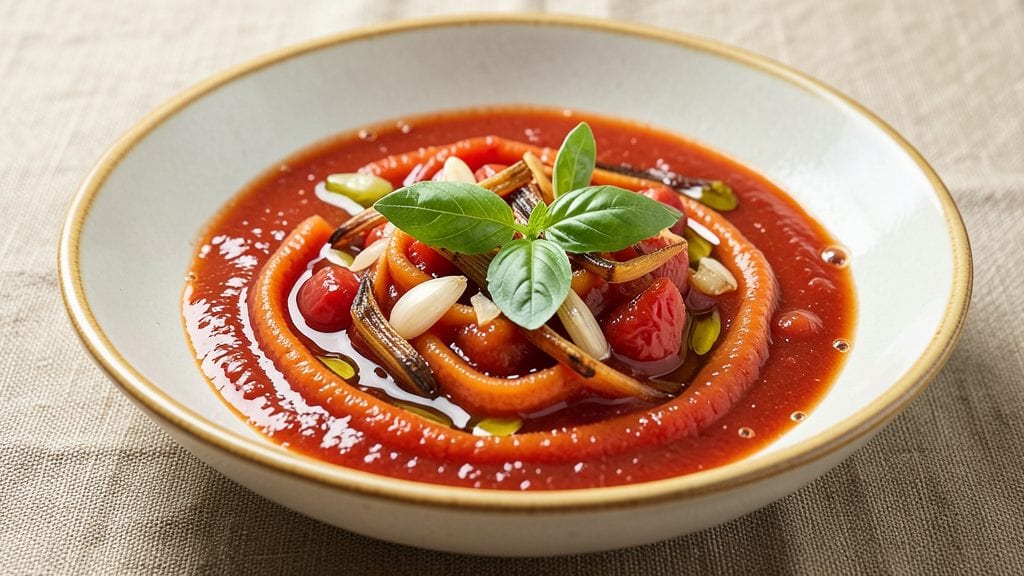
Creating Ina Garten’s tomato sauce transforms simple canned tomatoes into a velvety, umami-rich base that elevates everything from pasta to bruschetta. The secret lies in slow simmering aromatic vegetables until they dissolve into the sauce, building layers of flavor without overpowering the natural tomato sweetness.
I’ve perfected this method over years of testing—no blender required, just patience and precise seasoning.
This sauce starts with a simple foundation: canned tomatoes, garlic, onions, and olive oil, all simmered until the vegetables break down into a silky texture.
Fresh basil and a pinch of red pepper flakes add brightness and depth, while a splash of white wine or a pinch of sugar balances acidity. The result is a versatile sauce that’s rich enough for lasagna but light enough for summer dipping.
What makes this recipe foolproof is the technique: simmering uncovered to develop concentrated flavor, then adjusting seasoning at the end for perfect balance. Store it in the fridge for up to a week or freeze for months—it only gets better with time as the flavors meld.
Whether you’re tossing it with spaghetti or drizzling it over grilled chicken, this sauce delivers restaurant-quality depth with minimal effort.
The beauty of this tomato sauce is its adaptability. Use it as a marinara for pasta, a topping for homemade pizza, or a dip for crusty bread. The key is letting it simmer until it reaches that perfect consistency—thick enough to coat but still silky smooth.
Once you master this method, you’ll never buy store-bought sauce again.
Ingredients for ina garten tomato sauce
Eleven simple ingredients transform into Ina Garten's velvety tomato sauce, perfect for pasta and beyond.
| Ingredient | Amount | Notes |
|---|---|---|
| Canned San Marzano Tomatoes 🍅 | 28 oz | Crushed by hand or whole |
| Extra-Virgin Olive Oil 🫒 | ½ cup | High quality, fruity variety |
| Yellow Onion 🧅 | 1 whole | Medium size, finely chopped |
| Garlic Cloves 🧄 | 4 cloves | Peeled, thinly sliced |
| Celery Stalks 🥬 | 2 whole | Trimmed, finely chopped |
| Carrot 🥕 | 1 whole | Medium size, finely chopped |
| Fresh Basil Leaves 🌿 | ½ cup | Packed, roughly torn |
| Dry Red Wine 🍷 | ¼ cup | Cabernet Sauvignon preferred |
| Granulated Sugar 🍚 | 1 tbsp | Adjusts acidity balance |
| Kosher Salt 🧂 | 1 ½ tsp | Adjust to taste at end |
| Crushed Red Pepper Flakes 🌶️ | ¼ tsp | Adjust for heat preference |
San Marzano tomatoes are the gold standard here—their natural sweetness and low acidity create the perfect base. Grab a 28-ounce can from Whole Foods or Trader Joe's for optimal quality. The aromatic vegetables (onion, celery, carrot) form the flavor foundation, so don't skip chopping them finely—they'll dissolve completely. For the olive oil, California extra-virgin brands like Corto or Lucini add fruity depth without overpowering. Fresh basil is non-negotiable for that bright, herbaceous finish, though dried oregano at one-third the amount works in a pinch.
No red wine? Substitute an extra 0.25 cup of dry white wine or tomato paste for depth. The sugar isn't about sweetness—it's about balancing acidity, so adjust if using particularly tart tomatoes. Prefer less heat? Skip the red pepper flakes entirely or use half the amount. For extra richness, stir in 1 tbsp of unsalted butter at the end. The sauce thickens as it cools, so don't worry if it looks too thin while hot. If you're short on time, pre-chop all vegetables and store them in the fridge for up to 3 days.
This sauce only gets better with time—flavors meld beautifully over 2-3 days in the fridge, so make extra. For longer storage, portion into ice cube trays and freeze for up to 6 months. Thaw overnight in the fridge or microwave for 30 seconds. The sauce reheats beautifully—simmer gently to prevent skin formation. Double batches make perfect lunches or pizza toppings. If storing, always keep a small portion in the fridge to use first—it's that good.
Why You'll Love This Recipe
- No Chopping Chaos: I swear, the celery, onion, and garlic barely need dicing—just rough chop and toss in. That’s it. The San Marzano tomatoes handle the rest.
- Umami Bomb: The moment you crush those garlic cloves into the simmering olive oil? Pure flavor magic. Sweet, tangy, and deep—like a hug in a jar.
- Pantry-to-Table Hero: This sauce turns my fridge into a buffet: toss it with pasta, dollop on grilled cheese, or freeze it for when I’m too tired to cook. (Yes, even on a Tuesday night.)
- Budget Stretch: A single can of San Marzano tomatoes and a handful of fresh herbs stretch into meals for days. I’ve fed my whole family for under $10—no guilt, just flavor.
Step-by-step instructions for Ina Garten tomato sauce
This method delivers a velvety, deeply flavorful sauce that builds layer upon layer of umami richness.
Sauté the Vegetable Base
Heat the 0.5 cup extra-virgin olive oil in a large, heavy-bottomed pot over medium heat. Add the 1 whole yellow onion, 2 whole celery stalks, and 1 whole carrot, all finely chopped. Cook for 8-10 minutes, stirring occasionally, until the vegetables soften and begin to caramelize slightly. You'll notice the onions turn translucent and the carrot loses its raw edge.
Add the 4 cloves garlic cloves, sliced thinly, and cook for 1 minute until fragrant but not browned. Garlic burns quickly, so keep an eye on it. This aromatic base forms the flavor foundation for the entire sauce, so don't rush this step. The vegetables should yield about 1 cup of cooked mixture—this is your "soffritto," the classic Italian flavor builder.
Deglaze and Simmer with Wine
Pour in the 0.25 cup dry red wine and scrape up any browned bits from the bottom of the pot with a wooden spoon. This deglazing step captures all the concentrated flavors that would otherwise burn. Let the wine simmer for 3-4 minutes until it reduces by half and the alcohol aroma dissipates completely. You'll see the liquid transform from ruby to deep amber.
Add the 28 oz canned San Marzano tomatoes (crushed by hand if whole) along with 1 tbsp granulated sugar and 1.5 tsp kosher salt. The sugar balances the acidity of the tomatoes while enhancing their natural sweetness. Stir well to combine, then bring the mixture to a gentle boil. Once boiling, reduce heat to medium-low and let it simmer uncovered for 30 minutes, stirring occasionally.
Build Depth with Basil and Seasoning
After 30 minutes, stir in the 0.5 cup fresh basil leaves, roughly torn, and the 0.25 tsp crushed red pepper flakes. The basil should wilt slightly as it releases its aromatic oils into the sauce. Taste and adjust seasoning with additional salt if needed—this is where you fine-tune the balance between acidity and saltiness. The sauce should be rich but not overpowering.
Continue simmering for another 20-25 minutes, stirring occasionally, until the sauce thickens slightly and coats the back of a spoon. You're looking for a consistency that's smooth but still saucy enough to cling to pasta or meat. If it thickens too much, whisk in 1-2 tablespoons of water to loosen it. The final volume should yield about 4 cups of sauce, perfect for serving over pasta or as a base for other dishes.
Finish and Rest for Maximum Flavor
Remove the pot from heat and let the sauce rest for 10 minutes. This resting period allows the flavors to meld and the sauce to thicken slightly as it cools. Skim off any excess foam or fat that rises to the surface—this ensures a clean, velvety texture. The sauce should have a deep, complex flavor with notes of caramelized vegetables, wine, and fresh basil.
Taste one final time and adjust seasoning if necessary. The sauce should be vibrant, balanced, and full of umami richness. Serve immediately over your choice of pasta or use as a base for other recipes. For best results, store any leftovers in an airtight container in the refrigerator for up to 5 days, or freeze for up to 3 months. The flavors will continue to develop over time, making this sauce even more delicious with each passing day.
Pro Tips For Making Ina Garten Tomato Sauce
- SWEAT THE SOFTS FIRST: Cook the onion, celery, and garlic until the onion is translucent and the celery’s edges soften—about 8-10 minutes on medium-low. I learned this the hard way: skipping this step means your sauce will taste raw and dull, like you’re eating a salad instead of a rich, layered tomato base.
- CRUSH THOSE TOMATOES: Break open the San Marzano cans with your hands—don’t use a spoon or blender—so the sauce develops depth as it simmers. The rough texture releases more juice and flavor over time, and it’s easier to adjust consistency later. (Yes, even if you’re impatient like me.)
- SALT THE POT WATER: Add a pinch of salt to the water when blanching the tomatoes (if you’re using fresh) or to the initial sauté of aromatics. It seasons the base and prevents bitterness from lingering in the sauce. My grandmother swore by this, and she was right: it’s the thing that matters most when building flavor.
- SKIP THE BOIL: Simmer the sauce at a gentle bubble, not a rolling boil—low and slow for at least 45 minutes. High heat burns the tomatoes and makes the sauce taste cooked, not rich. I was skeptical until I tried it: the difference is noticeable, even if it means you’re staring at the stove longer. (Your future self will thank you.)
Creative variations of this recipe
Classic Marinara Twist
For a lighter, more versatile sauce, reduce the wine to 0.125 cup and add 1 tbsp tomato paste to deepen the color. Simmer the sauce with 1 sprig fresh rosemary instead of basil for an earthy aroma.
Remove the rosemary before serving. This variation works beautifully with linguine pasta or as a pizza sauce base. 🍝
Creamy Garlic Basil
After simmering the sauce, stir in 0.25 cup heavy cream and 1 tbsp butter for a luxurious finish. Add an extra 2 cloves garlic minced into the soffritto for extra punch.
This richer version pairs perfectly with fettuccine or grilled chicken. For extra depth, fold in 1 oz grated Parmesan at the end.
Spicy Arrabbiata
Boost the heat by adding 1-2 dried chili peppers (like arbol or guajillo) along with the red pepper flakes. For smoky depth, toast the dried peppers in a dry pan for 30 seconds before adding them to the sauce.
Finish with 1 tbsp fresh lemon juice to brighten the acidity. This bold sauce is perfect for penne pasta or as a dip for crusty bread.
Herb-Infused Roasted Red Pepper
Roast 2 red bell peppers under a broiler until charred, then peel and chop. Add them to the sauce along with 1 tsp dried oregano and 1 tsp smoked paprika during the final 15 minutes of simmering.
This variation has a naturally sweet, smoky profile that works well with baked ziti or as a topping for grilled vegetables.
White Wine & Mushroom
Sauté 8 oz sliced cremini mushrooms with the onions and celery. Deglaze with 0.5 cup dry white wine instead of red, then proceed with the recipe. The mushrooms add an earthy depth that balances the acidity. This version is ideal for risotto or as a sauce for chicken piccata.
Summer Bruschetta Sauce
For a quick, no-cook variation, blend 1 cup crushed tomatoes, 0.25 cup basil, 1 clove garlic, 2 tbsp olive oil, and 1 tsp balsamic vinegar until smooth.
Let it sit for 30 minutes before serving. This bright, fresh sauce is perfect for bruschetta or as a dip for grilled vegetables. 🌿
Nutrition facts
Frequently asked questions
Can I use regular canned tomatoes instead of San Marzano?
While San Marzano tomatoes create the best texture and sweetness, you can substitute with other high-quality canned tomatoes like Muir Glen or Cento. Avoid low-end brands with added salt or preservatives—they'll make your sauce taste flat. For extra depth, add 1 tbsp tomato paste to compensate for lower-quality tomatoes.
How do I prevent the sauce from getting too thick?
Simmer the sauce uncovered and stir frequently to prevent over-thickening. If it becomes too thick, whisk in 1-2 tablespoons of water or pasta water while hot. For a smoother texture, you can blend it briefly after simmering, but the recipe is designed to work perfectly as-is without a blender.
What's the best way to store leftover tomato sauce?
Let the sauce cool completely, then transfer it to an airtight container. It keeps in the fridge for up to 5 days and freezes beautifully for 3 months. For freezing, portion into ice cube trays first—this makes it easy to thaw exactly what you need. The sauce actually improves with time as flavors meld!
Can I make this sauce without wine?
Replace the red wine with 0.25 cup extra tomato juice or 0.25 cup broth to maintain moisture. For depth, add 1 tsp balsamic vinegar or 1 tbsp tomato paste to compensate for the missing wine acidity. The sauce will still develop rich flavors without alcohol.
Why does my sauce taste bland after simmering?
Blandness usually comes from under-seasoning or not letting flavors develop. Always taste and adjust salt at the end—this sauce should be rich but balanced. For extra umami, add 1 tsp fish sauce or soy sauce during the final 10 minutes of simmering. Never skip the resting time—flavors meld during those 10 minutes off heat.