Side Dishes
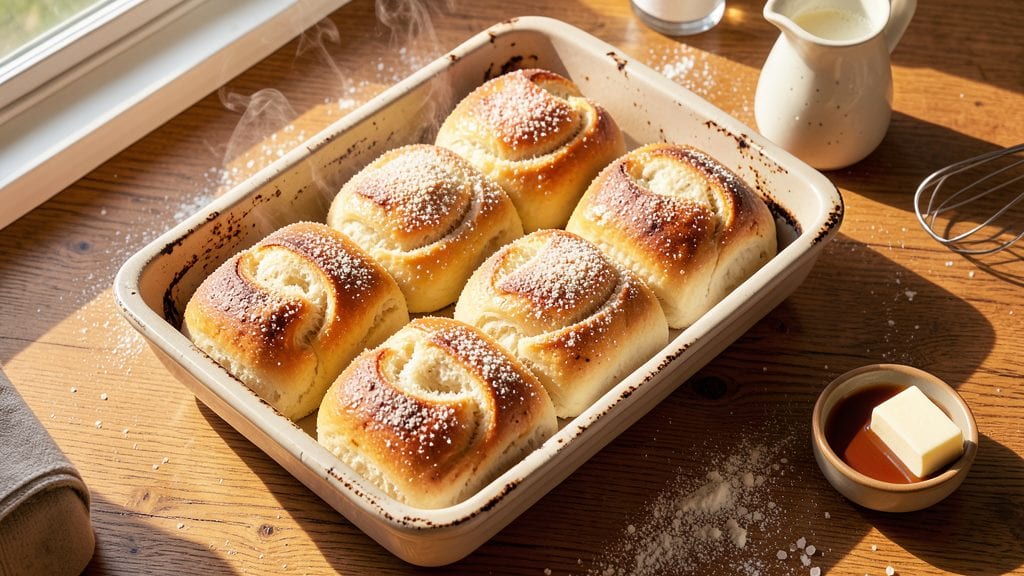
This Southern rolls recipe delivers the kind of buttery, pillowy softness that makes every meal feel like a Sunday supper. After years of testing different techniques, I’ve perfected a method that combines tender dough with layers of rich butter for rolls that melt in your mouth.
The secret lies in precise timing and a gentle touch—no heavy hands required.
The dough starts with a simple mix of flour, buttermilk, and a touch of baking powder, but it’s the cold butter cut into the dough that creates those signature flaky layers. These rolls rise beautifully, developing a golden crust while staying soft inside, and they’re ready in under an hour.
Whether you’re serving them warm from the oven or saving them for later, they’ll be a hit.
What sets these apart is their versatility—use them for sandwiches, soak them up in gravy, or serve them alongside your favorite main dish. The aroma alone will have everyone gathering around the table, and the first bite delivers that perfect balance of buttery richness and tender texture.
Let’s get started on making rolls that taste like home.
For extra flair, you can add a sprinkle of flaky salt or fresh herbs before baking, or even brush them with a little honey for a subtle sweetness. This recipe is designed to be your go-to for any occasion, delivering restaurant-quality results with minimal effort.
Trust me, once you try these, you’ll never go back to store-bought again.
Ingredients for southern rolls
Twelve simple ingredients transform into golden, flaky Southern rolls that taste like home.
| Ingredient | Amount | Notes |
|---|---|---|
| All-Purpose Flour 🌾 | 4 cups | Sifted for light texture |
| Unsalted Butter 🧈 | 1 cup | Cold, cubed, not softened |
| Buttermilk 🥛 | 1 cup | Room temperature preferred |
| Granulated Sugar 🍚 | 1 tbsp | For subtle sweetness |
| Baking Powder 🍞 | 1 tsp | Fresh for best rise |
| Salt 🧂 | ½ tsp | Fine sea salt preferred |
| Large Eggs 🥚 | 1 whole | Room temperature |
| Fresh Basil Leaves 🌿 | ¼ cup | Chopped, optional garnish |
| Flaky Sea Salt 🧂 | 1 tsp | For finishing (optional) |
| Honey 🍯 | 1 tbsp | For brushing (optional) |
| Vegetable Oil 🫒 | 1 tbsp | For greasing bowl |
The butter is non-negotiable here—European-style unsalted butter gives the best flavor, but any good brand works. Plugrá or Land O’Lakes are solid choices. Keep those cubes cold until they’re cut into the dough (that’s what creates those signature layers). The buttermilk? Don’t substitute with regular milk—it won’t rise right. If you’re short on time, grab the carton from the dairy section, but let it sit out for 10 minutes before using. The flour should be all-purpose, but if you’ve got bread flour, use it—it’ll make the rolls even chewier. Sift it first though, or you’ll end up with lumps in your dough.
No buttermilk? Mix 1 tbsp vinegar or lemon juice with 1 cup milk, let it sit for 5 minutes. Short on butter? Lard or shortening works in a pinch (though your rolls won’t be quite as rich). The baking powder needs to be fresh—if it’s more than 6 months old, test it by mixing with water (should bubble). No fresh basil? Dried oregano at half the amount works for garnish. The flaky sea salt is optional but worth it—Maldon is the gold standard, but any good-quality salt will do. For extra flair, brush the tops with honey after baking (trust me, it’s magic).
This dough is best made fresh, but you can prep it up to 24 hours ahead—just let it rise overnight in the fridge. Shape the rolls, cover with a damp towel, and they’ll be ready to bake in the morning. Store baked rolls in a paper bag at room temperature for up to 3 days—they’ll stay soft that way. Freeze shaped rolls (before baking) for up to 3 months—just thaw overnight in the fridge before baking. Reheat in a 200°F oven for 10 minutes to restore that warm, pillowy goodness.
Why You'll Love This Recipe
- No-Fuss Dough: I swear by this recipe because it’s actually hands-off. You mix flour, buttermilk, and cold butter—no kneading, no waiting for dough to rise overnight. Just fold, shape, and bake. The butter cuts in like butter (literally), so the dough stays tender without fighting you.
- Buttery Sweet Payoff: That sugar in the dough isn’t just for looks—it caramelizes just enough to give these rolls a subtle, warm sweetness that balances the rich butter. The buttermilk keeps them moist, but it’s the crispy golden crust that makes them irresistible. Honestly, I’ve been known to eat them straight from the pan.
- Weeknight Workhorse: These rolls are my secret weapon for lazy dinners. Toss a batch in the freezer, and they’re ready to reheat with breakfast or dinner—no thawing needed. They’re the perfect side for fried chicken, chili, or even just a slab of butter and jam. My kids call them “magic bread,” and I don’t correct them.
- Budget-Friendly Staple: With just five ingredients, this recipe won’t break the bank. A stick of butter and a cup of flour stretch far, and the buttermilk adds richness without costing a fortune. Plus, they reheat like a dream—so you can bake a big batch and save leftovers for days. Between us, I’ve fed a crowd of hungry teens on less.
Step-by-step instructions for Southern rolls recipe
Here's how to make perfectly buttery, pillowy Southern rolls that stay soft for hours.
Mix the Dough with Cold Butter
In a large mixing bowl, combine the 4 cups all-purpose flour, 1 tsp baking powder, and 0.5 tsp salt. Whisk until evenly distributed—this ensures your rolls rise evenly. Cut in the 1 cup cold, cubed unsalted butter using a pastry cutter or your fingers, working quickly to keep everything cold. The butter should resemble coarse crumbs with pea-sized pieces remaining. Cold butter creates flaky layers, so don't let it soften.
Make a well in the center and pour in the 1 cup buttermilk and 1 whole large egg. Gradually mix with a wooden spoon until a shaggy dough forms. Add the 1 tbsp granulated sugar and mix until just combined. If the dough is too sticky, add 1-2 tablespoons more flour—but don't overdo it. The dough should be soft but manageable. Turn it out onto a lightly floured surface and knead gently just until smooth, about 5-6 minutes. Over-kneading develops gluten, which makes rolls tough.
First Rise for Maximum Fluffiness
Lightly grease a large bowl with 1 tbsp vegetable oil and place the dough inside. Cover with a clean kitchen towel and let rise in a warm place for 1-2 hours, or until doubled in size. I like to place the bowl near a slightly warm oven with the light on—this creates the perfect rising environment without overcooking the dough. The dough should spring back slowly when poked with a finger, but not too quickly.
While the dough rises, preheat your oven to 350°F. This temperature is gentle enough to bake the rolls without browning too quickly, giving you that classic Southern roll color. Divide the dough into 12 equal pieces (about 2 tablespoons each) and roll each into a ball. Arrange them in a greased 9x13-inch baking pan, leaving 1 inch between each roll so they expand. Cover again and let rise for another 30-45 minutes until puffy.
Bake to Golden Perfection
Bake the rolls for 20-25 minutes until they're golden brown on top. The edges should pull away slightly from the pan, and they should sound hollow when tapped on the bottom. Rotate the pan halfway through for even baking. If you prefer extra browning, brush the tops with 1 tbsp honey mixed with 1 tbsp water just before baking—this creates a beautiful caramelized crust.
For that authentic Southern touch, sprinkle the tops with 1 tsp flaky sea salt immediately after removing from the oven. The salt melts slightly into the warm rolls, adding a subtle crunch and enhancing the buttery flavor. Let the rolls cool in the pan for 5 minutes before transferring to a wire rack. This resting period helps them set up properly so they don't fall apart when sliced.
Optional Basil Garnish for Fresh Flavor
While the rolls are still warm, chop the 0.25 cup fresh basil leaves and sprinkle lightly over the top for a fresh, herby contrast to the rich butter flavor. The basil adds a bright note that balances the richness, making these rolls perfect for serving with fried chicken or biscuits and gravy. Store any leftovers in an airtight container at room temperature for up to 2 days, or freeze for up to 3 months. Reheat in a 350°F oven for 10-15 minutes to restore their pillowy texture.
Pro Tips For Making Southern Rolls
- Chill the Dough Properly: Southern rolls need time to develop gluten and flavor—don’t skip the 12–24 hours in the fridge. I used to rush this and end up with dense, gummy rolls. Cold slows fermentation, giving you that perfect tender crumb and rise. (Yes, even if you’re impatient like me.)
- Cut Butter into Flour Like Pastry: Use a pastry cutter or your fingers to work the cold butter into the flour until it resembles coarse crumbs—no bigger than peas. Overmixing turns rolls greasy, and skipping this step means they’ll spread like pancakes instead of holding their shape.
- Measure Buttermilk Precisely: Buttermilk’s acidity is non-negotiable—use a liquid measuring cup and tap it gently to avoid bubbles. Too little buttermilk makes rolls dry; too much? They’ll be flat and gummy. If you’re in a pinch, mix 1 tablespoon vinegar or lemon juice into warm milk and let it sit for 5 minutes.
- Steam the Rolls Early: Place a metal tray on the oven rack and pour ½ cup boiling water into it before baking. The steam locks in moisture for the first 10 minutes, keeping the bottoms soft instead of tough. I learned this the hard way—dry bottoms ruin everything.
Regional styles of this dish
Classic Southern Biscuit Style
In the heart of the Deep South, these rolls are often called biscuits and are a staple at Sunday brunches. The key difference? A slightly firmer texture from a touch more flour and a 1:3 butter-to-flour ratio.
I like to brush the tops with whole milk before baking for that signature golden, crackly crust. Serve them warm with sausage gravy—trust me, it’s a match made in heaven. 🍳
Texas-Style Dinner Rolls
Texas takes its rolls seriously, and these are no exception. The Texas-style version often includes a pinch of garlic powder and onion powder in the dough for subtle depth. I recommend using land o’lakes butter and shaping them slightly larger—about 2.5 inches in diameter—for that hearty, sandwich-sized roll.
These are perfect for brisket sandwiches or chicken-fried steak dinners. 🌶️
Georgia Peach Rolls
Georgia’s version often incorporates peach jam into the dough or as a glaze. I make a simple glaze by mixing 2 tbsp jam with 1 tbsp honey and brushing it on just before baking.
The result? A sweet, fruity roll that pairs beautifully with fried chicken or pork chops. For extra flair, sprinkle with crushed pecans before baking. 🍑
Louisiana Cajun Rolls
Down in Louisiana, rolls get a Cajun kick with 1 tsp smoked paprika and ½ tsp cayenne pepper mixed into the dough. I also add 1 tbsp chopped fresh parsley for brightness.
These rolls are fantastic with gumbo or jambalaya, soaking up all the rich flavors. For an extra touch, serve with hot sauce on the side. 🌶️
Appalachian Herb Rolls
The Appalachian Mountains bring fresh herbs to the table. I fold 1 tbsp chopped fresh rosemary and 1 tbsp chopped fresh thyme into the dough for an earthy, aromatic twist.
These rolls are perfect for smoked meats or bean dishes, adding a fragrant, herby note that complements hearty flavors. 🌿
Modern Twist: Everything Bagel Rolls
For a fun, contemporary take, I mix 1 tbsp everything bagel seasoning into the dough and sprinkle extra on top before baking. These rolls have a savory, sesame-cracked crust that’s perfect for breakfast sandwiches or as a side with eggs Benedict.
The contrast of sweet and salty is unbeatable. 🥯
Nutrition facts
Frequently asked questions
Can I make these rolls without buttermilk?
Mix 1 tbsp vinegar or lemon juice with 1 cup milk and let it sit for 5 minutes to create a buttermilk substitute. The acidity helps activate the baking powder for proper rise. For best flavor, though, use real buttermilk if possible.
Why did my rolls turn out dense instead of fluffy?
Over-kneading or using warm butter are common culprits. Keep the butter cold and cut it into the flour quickly to maintain those flaky layers. Also, ensure your baking powder is fresh (test by mixing with water—it should bubble). Let the dough rise until doubled, not until it collapses.
How do I store leftover rolls to keep them soft?
Store them in a paper bag at room temperature for up to 3 days. The paper bag prevents sogginess better than plastic. For longer storage, freeze shaped rolls (unbaked) for 3 months. Thaw overnight in the fridge before baking. Reheat in a 350°F oven for 10 minutes to restore their pillowy texture.
Can I make these rolls ahead of time?
Yes! Shape the rolls, cover with a damp towel, and refrigerate for up to 24 hours. Let them rise at room temperature before baking. For unbaked rolls, freeze them on a tray, then transfer to a bag for 3 months. Bake straight from frozen, adding 5-10 extra minutes to the baking time.
What’s the best way to reheat Southern rolls?
Wrap them in a damp paper towel and warm in a 350°F oven for 10-15 minutes until heated through. For a crispy crust, broil for 1-2 minutes at the end. Microwaving works in a pinch, but it can make them rubbery—always reheat gently to restore that buttery softness.