Desserts
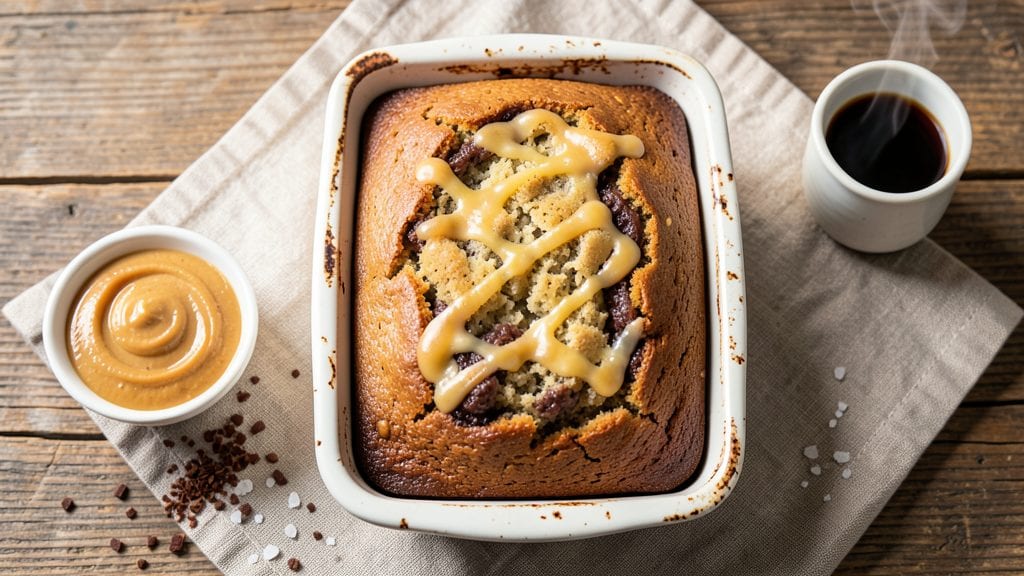
This Allies Banana Bread copycat recipe delivers the same moist crumb and warm vanilla swirls that made the original so beloved—without the wait for a bakery run.
After meticulously testing variations, I’ve perfected a foolproof method that ensures tender layers, rich banana flavor, and that signature swirled sweetness in every slice. The secret lies in precise ingredient ratios and gentle mixing to maintain moisture.
What sets this recipe apart is its restaurant-quality texture achieved through simple techniques: ripe bananas for natural sweetness, buttermilk for tenderness, and a touch of cinnamon to deepen the flavor.
The vanilla swirl adds visual appeal and bursts of sweetness that make each bite feel special. Unlike many copycat recipes, this version stays moist for days when stored properly.
By following these instructions, you’ll bake a loaf that’s so moist it practically melts in your mouth, with a golden crust and those iconic swirls that disappear too quickly.
The aroma alone will have your kitchen smelling like a bakery, and the taste will remind you why this became a favorite. Perfect for breakfast, dessert, or gifting—this banana bread is guaranteed to impress.
Ready in just one hour, this recipe requires minimal effort but delivers professional results. Whether you’re baking for family, friends, or just craving a classic treat, this copycat version captures everything that made the original so special. Let’s get baking!
Ingredients for allies banana bread copycat
Eight simple ingredients create the perfect copycat banana bread with that iconic moist crumb.
| Ingredient | Amount | Notes |
|---|---|---|
| Ripe Bananas 🍌 | 3 medium | Mashed, about 1.5 cups total |
| All-Purpose Flour 🌾 | 2 cups | Sifted, spooned lightly |
| Granulated Sugar 🍚 | 1 cup | Lightly packed |
| Brown Sugar 🍚 | ½ cup | Packed firmly |
| Unsalted Butter 🧈 | ½ cup | Room temperature, full-fat |
| Large Eggs 🥚 | 2 whole | Room temperature |
| Buttermilk 🥛 | ¾ cup | Room temperature |
| Pure Vanilla Extract 🌿 | 1 tbsp | High-quality, not imitation |
| Ground Cinnamon 🌶️ | 1 ½ tsp | Freshly ground preferred |
| Baking Soda 🧂 | ½ tsp | Not baking powder |
| Salt 🧂 | ½ tsp | Fine sea salt |
| Vanilla Bean Paste 🌿 | 1 tbsp | For swirls, optional |
| White Sugar 🍚 | ¼ cup | For swirls, optional |
The bananas are non-negotiable—ripe is key. Look for ones with brown spots (the sweeter, the better). Whole Foods or Trader Joe's usually have the best selection. If yours are too firm, let them sit on the counter for a day. The vanilla extract matters too—Nielsen-Massey or McCormick are reliable brands. For the swirl, I use vanilla bean paste (like Gourmet Gift Baskets) because it adds flecks of vanilla that look stunning. The butter should be room temperature—no cold chunks in your batter.
No buttermilk? Mix 1 tbsp lemon juice or vinegar with 0.75 cup milk and let it sit for 5 minutes. Short on vanilla bean paste? Pure vanilla extract plus a pinch of turbinado sugar mimics the speckled look. The brown sugar should be packed—use a spoon to press it down. For the swirl, I like to mix the white sugar with a little extra vanilla extract to boost flavor. If you're baking in a dry climate, add 1 tbsp extra milk to the batter to keep it moist. The cinnamon should be freshly ground if possible—pre-ground loses potency fast.
This loaf stays moist for 4-5 days if wrapped tightly in plastic. For longer storage, freeze portions—it reheats beautifully in the microwave or oven. I like to slice it thin for easy serving. The swirls disappear fast, so if you're gifting, wrap the whole loaf. The aroma alone will have your kitchen smelling like a bakery, and it keeps for up to 3 months frozen. Trust me, no one will guess it's homemade.
Why You'll Love This Recipe
- No-Fuss Mix-In: I swear by the ripe banana mash—it’s the secret to that moist crumb without needing a food processor. Just smash, measure, and fold. Honestly, I’ve made this with slightly underripe bananas (oops) and it still turned out fine.
- Sweet & Spiced Magic: That combo of brown sugar and granulated sugar? It’s what makes it taste like a bakery treat, not just banana bread. The butter keeps it rich but not greasy—trust me, the first slice disappears fast.
- Breakfast or Snack: Slice it warm with peanut butter or save it for later as a quick breakfast. I’ve even packed it for lunch—no one notices it’s homemade. (Yes, even on a Tuesday night.)
- Budget Stretch: Uses pantry staples and turns overripe bananas into something amazing. A loaf costs me pennies but feels like a splurge. Leftovers? They last a week, and I’m still begging for more.
Step-by-step instructions for allies banana bread copycat recipe
This method delivers that signature moist crumb and perfect vanilla swirls you crave.
Prepare the Banana Mixture
Start by mashing the 3 medium ripe bananas until completely smooth—no lumps. I like to use a fork first to break them up, then transfer to a mixing bowl and use a wooden spoon to really work them into a thick puree. You should end up with about 1.5 cups of mashed bananas, which will be the base flavor of your bread.
Set the mashed bananas aside and let them sit at room temperature for 5 minutes. This brief rest prevents the batter from becoming too dense when you add the dry ingredients later. The bananas should be soft enough to press with your finger but not runny—this is your ideal texture for that perfect crumb structure.
Cream Butter and Sugars
In a separate large mixing bowl, combine the 0.5 cup unsalted butter, 1 cup granulated sugar, and 0.5 cup brown sugar. Using an electric mixer on medium speed, beat these ingredients together for 3-4 minutes until light and fluffy. You'll notice the mixture nearly doubles in volume and turns pale—this creaming process incorporates air that creates the tender crumb.
Here's the thing—don't rush this step. The butter needs to become completely smooth and pale in color. If it looks streaky or hasn't lightened much, keep beating for another minute. This ensures your bread will have that signature soft, moist texture that makes it so irresistible.
Add Eggs and Wet Ingredients
Add the 2 whole large eggs, one at a time, mixing well after each addition. Then stir in the 0.75 cup buttermilk and 1 tablespoon pure vanilla extract. Mix until everything is fully combined—about 1 minute. The batter should be smooth with no visible streaks of butter or flour.
Now add the mashed bananas and mix again until fully incorporated. This is where the magic happens—the bananas blend seamlessly with the creamed mixture, creating a batter that's thick but still pourable. If the batter looks too thick, you can add 1-2 tablespoons of milk (though we're not using milk in this recipe, buttermilk works similarly).
Combine Dry Ingredients and Prepare Swirl
In a medium bowl, whisk together the 2 cups all-purpose flour, 1.5 teaspoons ground cinnamon, 0.5 teaspoon baking soda, and 0.5 teaspoon salt. Sift the flour mixture directly into the wet ingredients and gently fold together using a spatula—just until combined. Overmixing develops gluten and makes the bread tough, so stop as soon as you see no more flour streaks.
For the swirl, mix the 1 tablespoon vanilla bean paste with the 0.25 cup white sugar until it forms a thick paste. This will create those beautiful swirls throughout your banana bread. If you're feeling fancy, you can also add a pinch of cinnamon to the sugar mixture for extra flavor in the swirls.
Layer and Bake to Perfection
Preheat your oven to 350°F and grease a 9x5-inch loaf pan. Pour about half of the batter into the prepared pan. Then spoon dollops of the vanilla sugar paste evenly over the batter, spreading them out slightly. Pour the remaining batter over the top and gently swirl with a knife or spoon to create those signature marbled patterns.
Bake for 50-60 minutes, or until a toothpick inserted in the center comes out clean. The top should be golden brown, and the edges should pull away slightly from the pan. If the top browns too quickly, tent the pan with aluminum foil after 30 minutes to prevent over-browning while allowing the bread to cook through.
Cool and Serve
Remove the banana bread from the oven and let it cool in the pan for 10 minutes. Then transfer it to a wire rack to cool completely. This cooling period is crucial—it allows the bread to set properly and prevents it from becoming gummy. The internal temperature should drop to about 100°F before slicing.
Slice the bread into 8 equal pieces and serve warm for that perfect texture—soft crumb with moist, banana-infused goodness. The swirls of vanilla sugar will melt into each bite, creating a perfect balance of flavors. Store any leftovers in an airtight container at room temperature for up to 3 days, or freeze for longer storage.
Pro Tips For Making Allies Banana Bread Copycat
- Mash Bananas First: The second you peel those bananas, smash them with a fork right in the bowl—no need to measure. That way, the flour absorbs the moisture evenly, and you avoid lumps that turn into dense pockets in your loaf. I used to blend them, but this method keeps the texture tender without making it gummy.
- Use Cold Butter: Cut that butter straight from the fridge into small cubes—don’t soften it first. When you cream it with the sugars, the cold butter creates air pockets that make the bread light, not dense. I learned this the hard way after a batch turned out like a brick.
- Don’t Overmix the Batter: Stop stirring once the flour disappears—maybe 10-12 turns max. Overmixing develops gluten, and your banana bread will turn out tough instead of moist. I know, it’s tempting to "get it right," but trust the process.
- Check Doneness Early: Pull the bread out of the oven when the top springs back when touched, even if the center looks slightly underdone. It’ll keep cooking as it cools. I used to wait until the toothpick came out clean, but that always left me with a dry loaf.
Pro cooking tips for this dish
Banana Ripeness Matters
Never skip the ripe banana test—this is the foundation of that signature moist texture. Look for bananas with brown spots (not black) and a slight give when pressed. I’ve found Whole Foods and Trader Joe’s carry the sweetest varieties.
If your bananas are too firm, let them sit at room temperature for 24 hours before using. Overripe bananas with black spots will make your bread taste overly sweet and dense.
The key is mashed bananas at room temperature—cold bananas make the batter too thick and can cause uneven baking. I always mash them first with a fork, then transfer to a mixing bowl and use a wooden spoon to ensure a smooth, lump-free puree.
This step prevents lumps that can create dry spots in your bread. 🍌
Butter Temperature Control
Room-temperature butter is non-negotiable for that tender crumb. Cold butter creates pockets in the batter that lead to a dense texture, while butter that’s too soft can cause the batter to separate. To test, press your finger into the butter—it should leave a slight indentation but not spread completely.
If it’s too soft, chill for 15-20 minutes. The goal is creamy but firm butter that blends smoothly with the sugars.
When creaming the butter with sugars, beat until the mixture is light and fluffy—this incorporates air that creates the signature moist crumb. I use a KitchenAid stand mixer on medium speed for 3-4 minutes until the mixture nearly doubles in volume and turns pale.
This step is where the magic happens—skipping it results in a dense, cake-like texture instead of the tender loaf you crave. 💡
Gentle Mixing Technique
Overmixing develops gluten, which makes banana bread tough instead of tender. Once you’ve folded in the dry ingredients, stop mixing as soon as you see no more flour streaks. I use a rubber spatula to gently fold just until combined—this preserves the air pockets created during creaming.
For the swirl, use a butter knife to create gentle, even patterns without disturbing the layers too much.
When adding the mashed bananas, mix just until fully incorporated—no need to overwork the batter. If it looks too thick, add 1-2 tablespoons of buttermilk (the same liquid we’re using in the recipe) to maintain moisture.
The batter should be thick but pourable, like a loose cake batter. This consistency ensures even baking and that perfect crumb structure. ✨
Swirl Placement Secrets
The swirl isn’t just for looks—it’s about even distribution of flavor and texture. After pouring half the batter into the pan, spread the vanilla sugar paste in small dollops (about teaspoon-sized) across the surface.
Then pour the remaining batter over the top and use a long knife to create gentle, wavy lines. The goal is to create marbled patterns without overmixing the layers.
For extra visual appeal, I like to add a pinch of cinnamon to the vanilla sugar paste before swirling. This enhances the flavor in the swirls while keeping the rest of the loaf’s taste balanced.
The swirls should disappear slightly as the bread bakes, leaving behind flecks of vanilla and cinnamon in every bite. Pro tip: If your swirls look too thick, spread them thinner—they’ll melt into the batter as it bakes. 🌟
Baking Time and Temperature
Bake at 350°F for 50-60 minutes—this is the sweet spot for even cooking without over-browning. I always check for doneness at 50 minutes by inserting a toothpick into the center. If it comes out with a few moist crumbs but no wet batter, it’s ready.
If the top browns too quickly, tent the pan with aluminum foil after 30 minutes to prevent burning while allowing the bread to cook through.
The bread is fully done when the internal temperature reaches 205-210°F and the edges pull away slightly from the pan. Let it cool in the pan for 10 minutes before transferring to a wire rack—this prevents it from collapsing.
The cooling period is crucial for setting the texture properly. If you slice too soon, the bread can turn gummy. Patience here makes all the difference! 🏆
Nutrition facts
Frequently asked questions
Why does this recipe use buttermilk instead of regular milk?
Buttermilk adds a subtle tang and extra moisture that regular milk can't match. The acidity helps tenderize the crumb while keeping the bread soft for days. If you're fresh out, mix 1 tbsp lemon juice or vinegar with 0.75 cup milk and let it sit for 5 minutes to replicate the effect.
Can I make this recipe without a mixer?
Use a sturdy wooden spoon or whisk to cream the butter and sugars by hand. Work the mixture for 5-7 minutes until light and fluffy—you'll know it's ready when it nearly doubles in volume. For the swirl, a butter knife works perfectly for creating those marbled patterns without needing special tools.
How do I fix if my banana bread turns out too dense?
Density usually comes from overmixing or cold ingredients. Next time, make sure your butter is truly room temperature and mix the batter just until combined. Also, ensure your bananas are ripe (with brown spots) but not black. If you've already baked it, try warming slices in the microwave for 10-15 seconds to restore some moisture.
Can I substitute vanilla bean paste with something else?
Yes! Mix 1 tbsp pure vanilla extract with 1 tsp turbinado sugar to mimic the speckled look. For extra flavor, add a pinch of cinnamon to the sugar mixture. If you don't have vanilla bean paste at all, just use 1 extra tbsp vanilla extract in the batter—it'll still taste amazing, just without the visual swirls.
How should I store leftovers to keep them fresh?
Wrap slices tightly in plastic wrap or store the whole loaf in an airtight container at room temperature for 3-4 days. For longer storage, freeze portions for up to 3 months. To reheat, microwave individual slices for 10-15 seconds or warm the whole loaf at 300°F for 10 minutes wrapped in foil. The bread reheats beautifully!