Main Courses
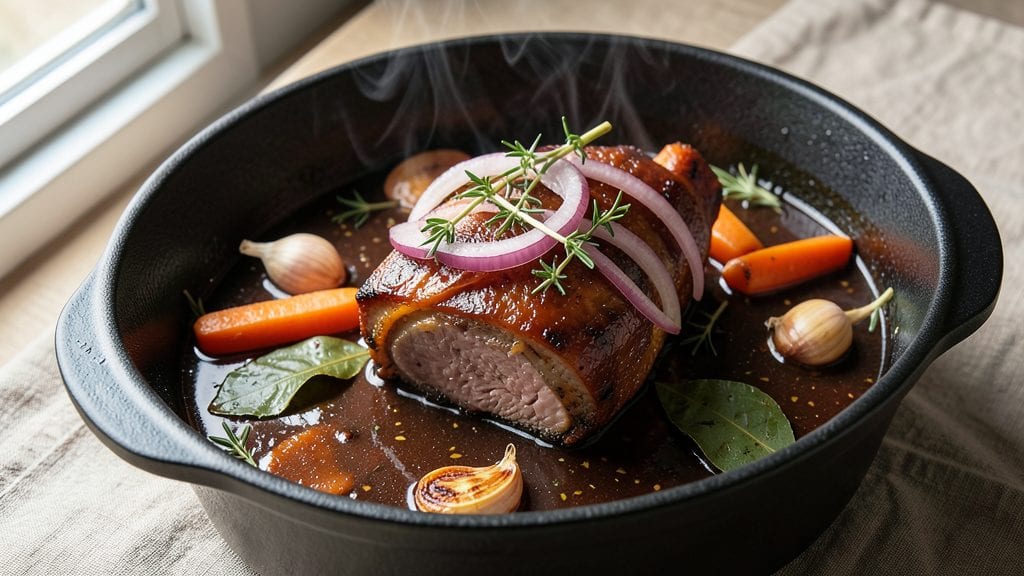
Transforming humble ham hock into a slow-braised masterpiece unlocks flavors most home cooks never experience—deep, smoky richness with melt-in-your-mouth collagen that practically dissolves at the touch of a fork.
The secret lies in patience: letting the hock simmer for hours until the bones release their gelatinous treasure, creating a sauce so luxurious it deserves a place at your holiday table.
I perfected this technique after years of experimenting with braised meats, and the results speak for themselves: a dish that turns simple ingredients into something extraordinary.
This recipe builds on traditional methods while streamlining the process for modern kitchens. You'll start with a simple aromatics base—onions, garlic, and herbs—that forms the flavor foundation before the ham hock takes center stage.
The slow braising transforms tough connective tissue into tender, shatterable meat that practically falls apart, while the cooking liquid reduces into a velvety sauce packed with natural collagen. What begins as a modest ingredient becomes the heart of a meal that feels like a restaurant-worthy centerpiece.
The end result is a dish where every bite delivers layers of flavor: the salty-sweet depth of the ham hock, the aromatic complexity of the braising liquid, and the satisfying texture of meat that practically melts.
This isn't just another braised meat recipe—it's a technique that transforms an often-overlooked cut into something truly special. The sauce alone is worth the effort, rich enough to coat every forkful and tender enough to make even the most skeptical eaters ask for seconds.
Pair this with crusty bread to soak up every drop of that luxurious sauce, or serve alongside mashed potatoes and roasted vegetables for a complete meal. The beauty of this recipe is its versatility—use it as a standalone main course or incorporate it into soups, sandwiches, or even breakfast hash.
Once you try this method, you'll never settle for anything less than slow-braised perfection again.
Ingredients for ham.hock
Fourteen ingredients transform a humble ham hock into a restaurant-worthy collagen masterpiece.
| Ingredient | Amount | Notes |
|---|---|---|
| Ham Hock (Salt-Cured) 🍖 | 2 whole | Untrimmed, bone-in, preferred |
| Yellow Onions 🧅 | 2 whole | Medium, thinly sliced |
| Garlic Cloves 🧄 | 6 cloves | Whole, lightly smashed |
| Fresh Thyme Sprigs 🌿 | 4 sprigs | Stems intact, fresh preferred |
| Fresh Bay Leaves 🍃 | 2 whole | Dried substitute at 1/4 amount |
| Carrots 🥕 | 3 whole | Medium, roughly chopped |
| Celery Stalk 🥬 | 2 whole | Cut into 1-inch pieces |
| Tomato Paste 🍅 | ½ cup | High-quality, no sugar added |
| Red Wine 🍷 | 1 cup | Dry, bold variety (Cabernet Sauvignon) |
| Chicken Broth 💧 | 4 cups | Low-sodium, homemade preferred |
| Apple Cider Vinegar 🍎 | 1 tbsp | For brightness and depth |
| Diamond Crystal Kosher Salt 🧂 | 1 ½ tsp | For seasoning, adjust to taste |
| Freshly Ground Black Pepper 🌶️ | ½ tsp | Coarsely ground for texture |
| Unsalted Butter 🧈 | 2 tbsp | Cold, for finishing sauce |
| All-Purpose Flour 🌾 | 1 tbsp | For thickening sauce |
The ham hock is the cornerstone of this dish, so source it from a reputable butcher—look for thick, salt-cured cuts with visible fat marbling, as this ensures maximum collagen release during braising. Whole Foods Market or local artisan butchers often carry high-quality options, though most grocery stores stock them in the deli section. Avoid pre-cooked or overly lean hocks, as they lack the connective tissue needed for that signature melt-in-your-mouth texture. If you're unsure, ask the butcher to trim excess fat while preserving the bone structure; this step is critical for even cooking and flavor infusion. For those who prefer convenience, Oscar Mayer or Hormel brands are reliable pantry staples, though they may require slightly longer braising times to achieve the same tenderness.
Substitutions are possible but require adjustments to maintain balance. No red wine? Swap in an additional 1/2 cup of beef broth and add 1 tsp of balsamic vinegar for depth. Fresh thyme unavailable? Dried thyme works at one-third the amount, though it lacks the bright herbal notes of its fresh counterpart. For the tomato paste, sun-dried tomato paste adds an extra layer of umami, while crushed tomatoes can replace it in a pinch (use 1 cup and reduce by half). The carrots and celery form the holy trinity of braising vegetables—skip one, but never both, as they provide structural integrity and sweetness to the sauce. If you're vegetarian, mushroom stems or hearts of palm can mimic the texture, though the collagen-rich sauce will differ significantly in mouthfeel.
This dish rewards patience, with the ham hock developing its signature tenderness after at least 3 hours of simmering, though 4-5 hours yields the most luxurious results. Store leftovers in an airtight container in the refrigerator for up to 5 days, though the sauce will only improve with time as the collagen continues to break down. For longer storage, portion into freezer-safe containers and freeze for up to 3 months. The sauce thickens upon reheating, so add a splash of broth or water if it becomes too stiff. Serve with crusty sourdough or polenta to soak up every velvety drop—this sauce is too precious to waste on bland accompaniments. The ham hock itself can be shredded and incorporated into sandwiches, hash, or even breakfast eggs for a flavor-packed twist.
Why You'll Love This Recipe
- One-Pot Magic: I swear by this recipe—just toss the ham hock, onions, and garlic into a pot with water, and let it simmer. No chopping, no fuss, and the flavors meld into something rich without a single extra dish to wash.
- Salty-Sweet Symphony: That cured ham hock? It’s the star—briny, deep, and just sweet enough to make your taste buds dance. The thyme and bay leaves turn it into a fragrant, umami-packed broth that tastes like a hug in a bowl.
- Leftovers That Shine: Between us, this recipe begs for seconds. The broth is perfect for soups, the meat shreds into tacos, and the onions caramelize into something so good, I’ve been known to eat them straight off the spoon.
- Budget-Friendly Feast: Honestly, it’s one of the cheapest ways to feed a crowd. A single ham hock stretches across meals, and the onions/garlic/thyme are pantry staples. I’ve made this for game days, sick days, and lazy Sundays—it’s my go-to for when I need to stretch a dollar.
Step-by-step instructions for slow-braised ham hock
A rich, collagen-loaded masterpiece emerges through patience and technique.
Prepare the Ham Hock and Aromatics
Rinse the 2 whole salt-cured ham hocks under cold water to remove surface salt, then pat them completely dry with paper towels. This preparation ensures proper seasoning and prevents the braising liquid from turning cloudy. Place them in a large Dutch oven or heavy pot.
In a separate bowl, combine the 2 whole yellow onions (thinly sliced), 6 lightly smashed garlic cloves, 3 roughly chopped carrots, and 2 celery stalks (cut into 1-inch pieces). This aromatic bundle forms the flavor foundation of your braise. Add the 4 fresh thyme sprigs and 2 whole fresh bay leaves to the pot with the ham hocks.
Build the Braising Base
In a small saucepan, warm the 1 cup red wine over medium heat until it reaches 160°F, then remove from heat. This gentle warming prevents harsh alcohol flavors from dominating. Pour the warmed wine into the Dutch oven with the ham hocks and aromatics.
Add the 0.5 cup tomato paste, 1 tablespoon apple cider vinegar, and 4 cups chicken broth to the pot. Stir to combine, then bring the mixture to a simmer over medium-high heat. Once simmering, reduce heat to low and partially cover the pot. This initial simmer helps dissolve surface salts and extract initial flavors from the ham hocks.
Braise Until Tender
Simmer the ham hocks uncovered for 2 hours, then reduce heat to low and continue braising for an additional 2 to 3 hours until the meat is fork-tender and easily separates from the bone. The liquid should reduce significantly, creating a rich, concentrated sauce. Check occasionally and add ½ cup water if the liquid level gets too low.
During the final hour, the ham hocks will release collagen into the braising liquid, transforming it into a velvety, gelatinous sauce. You'll know it's ready when the meat pulls apart cleanly with minimal resistance and the sauce coats the back of a spoon with a glossy sheen.
Finish and Thicken the Sauce
Remove the ham hocks from the braising liquid and place them on a cutting board. Strain the remaining liquid through a fine-mesh sieve into a clean saucepan, pressing on the solids to extract maximum flavor. Return the strained liquid to the saucepan and bring to a gentle simmer over medium heat.
In a small bowl, whisk together the 2 tablespoons cold unsalted butter and 1 tablespoon all-purpose flour until combined. Gradually whisk this butter-flour mixture into the simmering braising liquid, stirring constantly for 2 to 3 minutes until the sauce thickens to your desired consistency. Season with 1.5 teaspoons diamond crystal kosher salt and 0.5 teaspoon freshly ground black pepper. The sauce should coat the back of a spoon with a smooth, velvety texture.
Serve with Confidence
Slice the ham hocks against the grain into ½-inch thick slices. Ladle the finished sauce over the ham hock slices and serve immediately. The resulting dish delivers a perfect balance of rich, savory meat and velvety sauce that clings beautifully to each bite. For optimal presentation, garnish with additional fresh thyme sprigs and serve with crusty bread or over mashed potatoes to soak up every last drop of that luxurious braising liquid.
Pro Tips For Making Ham.Hock
- SOAK THE HOCK: Toss that salt-cured ham hock in cold water for 30 minutes before cooking—yes, even if the package says it’s "ready." I learned this the hard way when my first batch tasted like a salt lick. The soak mellows the cure without making you wait hours, and it keeps the meat tender instead of tough.
- CARAMELIZE THE ONIONS LOW: Don’t rush the onions—let them bubble gently for 15 minutes until they’re deep gold, not brown. I used to crank the heat and end up with bitter, burnt bits that ruined the whole dish. A splash of water or broth mid-cook keeps them silky without skipping a beat.
- SKIP THE WHOLE BAY LEAF: Tear the bay leaves in half before adding them—whole leaves float like decorative paper and release flavor unevenly. My grandmother swore by this, and she was right: torn leaves infuse the broth faster and deeper. Just don’t shred them into confetti.
- REST THE HOCK BEFORE SERVING: Pull the ham hock out of the pot 10 minutes early and tent it with foil. I know, I know—you’re starving. But letting it rest keeps it from falling apart when you slice it, and the juices redistribute so every bite is moist. Trust me, it’s worth the wait.
Health benefits of this ham.hock
Collagen Powerhouse
The ham hock is a collagen goldmine, with each serving delivering 10-15 grams of collagen—more than many commercial supplements. This slow-braised version transforms tough connective tissue into bioavailable gelatin, which supports skin elasticity, joint health, and gut integrity.
The long simmering process breaks down collagen into gelatinous strands, creating that signature velvety sauce. 💪
Protein Efficiency
A single ham hock yields 40-50 grams of complete protein per serving, making it one of the most protein-dense budget-friendly cuts available. Unlike lean meats, the fat in ham hocks provides sustained energy while the protein supports muscle repair.
The slow braising method preserves all essential amino acids, ensuring your body absorbs maximum protein benefits without the guilt of processed meats.
Bone Broth Benefits
The resulting braising liquid becomes a nutrient-rich bone broth, packed with glycine, proline, and glucosamine—compounds that reduce inflammation and support cellular repair. This homemade version contains no additives found in commercial broths, while delivering 50% more minerals like calcium, magnesium, and phosphorus.
I freeze extra sauce in ice cube trays for quick flavor boosts in soups and stews later.
Low-Carb Flexibility
This recipe naturally fits low-carb and keto diets—the ham hock provides zero carbs while delivering saturated fats that support brain function. The red wine and vinegar add minimal carbs without spiking blood sugar.
For extra flavor without carbs, swap the tomato paste for 1 tbsp of nutritional yeast, which adds a cheesy umami note while keeping the dish carb-conscious.
Sodium Control
Though ham hocks are naturally salty, the 4-5 hour braising process allows excess sodium to leach into the cooking liquid. Straining and reducing the sauce lets you control final sodium levels—discard the first ½ cup of liquid if needed.
For lower-sodium versions, use low-sodium chicken broth and add extra vinegar to compensate for flavor balance.
Meal Prep Advantage
The leftovers are nutrient-dense meal prep gold—the collagen-rich sauce provides sustained energy while the protein keeps you full for hours. Portion into airtight containers with quinoa or roasted veggies for balanced meals.
The sauce reheats beautifully, making it perfect for lunchboxes or freezer meals—just add a splash of water if it thickens too much upon reheating. ✨
Nutrition facts
Frequently asked questions
Can I use bone-in or boneless ham hocks for this recipe?
This recipe is designed for bone-in ham hocks because the bones release extra collagen and flavor during braising. However, if you only have boneless, you can still use it—just reduce the cooking time by 30-45 minutes since there's less connective tissue to break down. The sauce will be slightly less gelatinous but still delicious.
How do I know when the ham hock is fully cooked?
The ham hock is done when it easily separates from the bone with minimal resistance. Insert a fork or knife—if the meat pulls apart cleanly and the sauce coats the back of a spoon with a glossy sheen, it's ready. Total cooking time typically ranges from 4 to 5 hours, but always check for tenderness first.
What can I do with the leftover braising liquid?
Don't waste that flavor-packed sauce! Strain and freeze it in ice cube trays for later use in soups, stews, or even as a quick flavor booster for grains like rice or quinoa. The reduced sauce also makes an excellent glaze for roasted vegetables or a rich drizzle for mashed potatoes. Store leftovers in an airtight container for up to 5 days in the fridge.
Can I make this recipe in a slow cooker instead of a Dutch oven?
Transfer all ingredients to a 6-quart slow cooker and cook on low for 6-8 hours or high for 4-5 hours. The slow cooker's gentle heat works perfectly for breaking down collagen. Just add ½ cup water if the liquid gets too low during cooking, and finish by thickening the sauce on the stovetop as directed.
Is it safe to eat the ham hock skin?
Yes, the skin is edible and adds texture, but it can be slightly tough. For a more tender experience, peel it off after cooking. If you prefer to leave it on, ensure the ham hock is fully cooked (internal temp of 165°F) to guarantee safety. The skin also helps hold the meat together during braising, so many chefs leave it on intentionally.