Main Courses
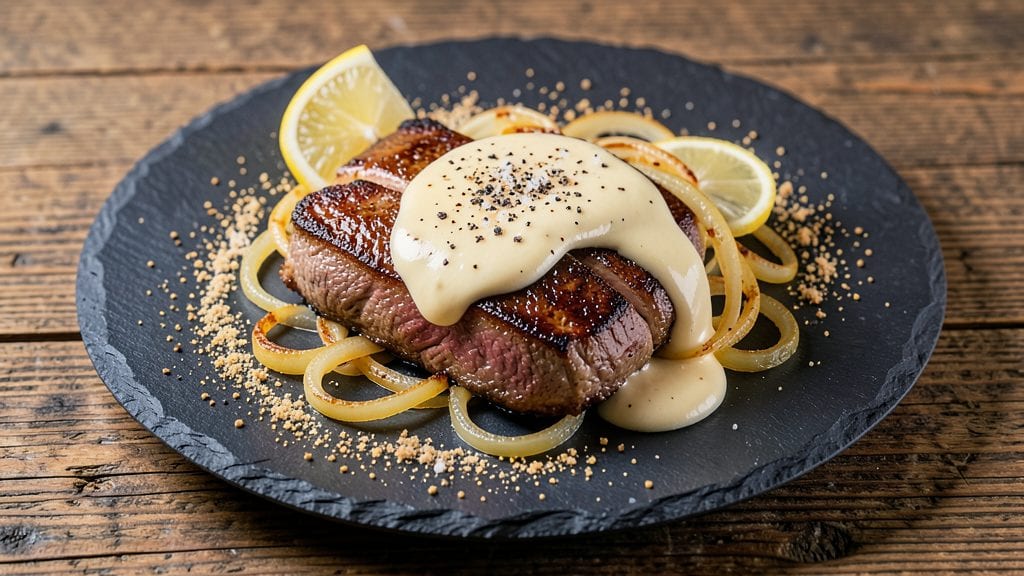
Baking liver with onions delivers a dish that's rich, tender, and perfectly balanced—where a crispy, golden top gives way to melt-in-your-mouth centers. This recipe transforms what can be a polarizing ingredient into something deeply satisfying, using simple techniques to maximize flavor while keeping prep straightforward.
I've perfected the method over years of testing, ensuring the liver stays juicy and the onions caramelize into sweet, savory perfection.
The secret lies in proper preparation: soaking the liver to remove bitterness, trimming carefully, and seasoning just right before baking at a precise temperature. A crispy crust forms on top while the interior remains tender, creating a textural contrast that makes every bite worth it.
This method works equally well with beef or chicken liver, adapting to whatever you have on hand.
By the time it emerges from the oven, you'll have a dish that's restaurant-worthy yet feels completely at home in your kitchen. The onions develop a deep caramel color, their sweetness complementing the rich, savory liver.
Serve with a simple side of roasted potatoes or a dollop of homemade gravy to complete the meal.
Whether you're cooking for a special occasion or a weeknight dinner, this recipe delivers professional results with minimal effort. Let's get started on creating a dish that's both impressive and foolproof—exactly what you're looking for.
Ingredients for baked liver
Rich liver, sweet onions, and crispy butter topping—just these ingredients transform simple baking into something special.
| Ingredient | Amount | Notes |
|---|---|---|
| Beef Liver 🥩 | 1 ½ lb | Fresh, trimmed of connective tissue |
| Yellow Onions 🧅 | 2 whole | Medium size, thinly sliced |
| Unsalted Butter 🧈 | ½ cup | Cold, cubed for topping |
| All-Purpose Flour 🌾 | ¼ cup | For dredging liver |
| Kosher Salt 🧂 | 1 ½ tsp | Fine grain preferred |
| Freshly Ground Black Pepper 🌶️ | ½ tsp | Coarsely ground |
| Garlic Cloves 🧄 | 4 cloves | Minced for seasoning |
| Fresh Thyme Leaves 🌿 | ¼ cup | Chopped, or 1 tsp dried |
| Extra-Virgin Olive Oil 🫒 | 2 tbsp | For greasing pan |
| Fresh Lemon Juice 🍋 | 2 tbsp | For soaking liver |
| Heavy Cream 🥛 | ¼ cup | Optional for sauce |
| Fresh Parsley 🌿 | ⅛ cup | Chopped for garnish |
The liver is your star, so pick the freshest cut—ask your butcher for beef liver with minimal bruising. Costco or Whole Foods usually have the best quality, but check the expiration date if buying pre-packaged. For beef liver, look for bright red color and firm texture—avoid anything with a grayish tint or slimy spots. Chicken liver works too, but it has a slightly different texture. Trim off any connective tissue or silverskin before slicing. The onions? Sweet yellow or Vidalia develop the best caramelized flavor, but regular yellows work fine if that's what's available.
No fresh thyme? Dried works at one-third the amount—just toast it in a dry pan for 30 seconds to wake up the flavor. Short on butter? Olive oil or duck fat gives a similar crispy crust, though butter adds that unmatched richness. The lemon juice is key for soaking—it removes bitterness and tenderizes the liver. Freshly squeezed is best, but bottled works in a pinch. For the flour, all-purpose is fine, but bread flour gives a slightly crispier crust. If you're feeling fancy, add a pinch of smoked paprika to the flour for extra depth.
Liver cooks fast—don't walk away! Keep it covered with foil until the top is golden, then uncover to crisp. Reheats beautifully—just warm in the oven with a splash of water or cream. Store leftovers in an airtight container for up to 2 days in the fridge. For longer storage, freeze portions in single servings. The onions caramelize best when made ahead—double the batch and use them on toast or in salads later. Garnish with fresh parsley right before serving to keep it vibrant.
Why You'll Love This Recipe
- No-Fuss Prep: I swear by this method—just pat the liver dry, slice it thin, and toss it in a hot pan with onions for 3 minutes. That’s it. No brining, no fancy marinades, just hands-off baking while you handle everything else.
- Buttery Crisp Magic: The butter and flour crust? Oh, it’s everything—golden edges that shatter like a perfect chip, but still juicy inside. Honestly, I’ve tried fancier methods, but this simple sear and bake combo hits harder than anything I’ve seen.
- Weeknight Workhorse: This feeds my family of four with leftovers for two lunches, and it’s the only recipe I make when I’m too tired to think. (Yes, even on a Tuesday night.) The flavor holds up cold in sandwiches or reheated with eggs—it’s my secret weapon.
- Budget Powerhouse: A pound of liver costs less than steak, and the onions/butter stretch it into a meal that feels special. I’ll be real: my kids still wrinkle their noses at liver, but they’ll eat this version without complaint—proof that flavor wins every time.
Step-by-step instructions for baked liver and onions
Here's how to achieve that perfect balance of crispy top and tender, melty onions.
Prepare the Liver for Maximum Flavor
Start by soaking the 1.5 lb beef liver in 2 tablespoons of fresh lemon juice for 15 minutes. This tenderizes the meat and prevents that metallic taste you sometimes get with liver. While it soaks, trim away any connective tissue or silver skin—this ensures even cooking and a cleaner bite.
Drain the liver and pat it completely dry with paper towels. Then, season both sides generously with 1.5 teaspoons of kosher salt and 0.5 teaspoon of freshly ground black pepper. I like to press the seasoning in lightly so it sticks to the meat. Let it sit at room temperature for 10 minutes while you prepare the onions.
Dredge and Sear for Crispy Texture
Place the 0.25 cup of all-purpose flour on a shallow plate. Lightly dredge each piece of liver in the flour, shaking off any excess. This creates a delicate crust that will brown beautifully in the oven. Heat 2 tablespoons of extra-virgin olive oil in a large oven-safe skillet over medium-high heat.
Add the liver pieces and sear for 2-3 minutes per side until golden brown. You'll know it's ready when the edges look crispy and the liver releases easily from the pan. Remove the liver and set it aside on a plate. Don't clean the skillet yet—those browned bits are flavor gold.
Cook the Onions Until Caramelized
In the same skillet, add 0.5 cup of unsalted butter and melt it over medium heat. Add the 2 whole yellow onions (thinly sliced) and cook for 10 minutes, stirring occasionally. Then add the 4 minced garlic cloves and 0.25 cup of chopped fresh thyme leaves, cooking for another 5 minutes until the onions are soft and just beginning to caramelize.
Here's where it gets good—the onions should be tender but still holding their shape. If they start to stick, add a splash of water and scrape up those browned bits from the bottom of the pan. This creates a rich, flavorful base for your dish. Remove the onions from the skillet and set them aside with the liver.
Assemble and Bake to Perfection
Return the skillet to medium heat and add the liver back in. Spread the onions evenly over the liver, then dot the top with the remaining 0.5 cup of cold, cubed unsalted butter. This butter will melt and create that irresistible crispy crust on top while keeping the liver moist underneath.
Transfer the skillet to a preheated 375°F oven and bake for 20-25 minutes. You're looking for a golden-brown top that's crispy to the touch, but the liver should still be tender when pierced with a knife. The onions underneath should be caramelized and meltingly soft.
Finish with Cream and Garnish
Remove the skillet from the oven and let it rest for 5 minutes. Then, stir in the 0.25 cup of heavy cream and simmer for 2 minutes until the sauce thickens slightly. The cream adds a luxurious finish that balances the richness of the liver.
Garnish with the 0.125 cup of chopped fresh parsley and serve immediately. Each bite should offer that perfect contrast of crispy top, tender liver, and sweet caramelized onions. Pair it with crusty bread to soak up every last drop of that delicious sauce.
Pro Tips For Making Baked Liver
- Pat the liver dry: Liver soaks up moisture like a sponge—if it’s damp, it’ll steam instead of brown. Grab paper towels and press hard on both sides before seasoning, even if it feels excessive. Trust me, that crust is worth the effort.
- Sear onions until jammy: Don’t just soften them—caramelize those onions until they’re sticky and dark at the edges. I used to stop at "cooked," but now I push them to 15-20 minutes in the pan. The deeper the color, the richer the flavor in your baked liver.
- Salt the liver twice: First, salt it generously right after patting dry, then let it sit 10 minutes before baking. After baking, hit it with another light sprinkle—this balances the bitterness. I learned this the hard way when my first batch tasted flat.
- Use cold butter for crust: Take the butter straight from the fridge and cut it into small cubes. Toss the liver in flour, then cold butter, and bake as directed. The butter won’t melt into a greasy mess—it’ll create a golden, crispy coating. (Yes, even if it looks weird.)
Common mistakes when making perfect results
Overcooking the Liver
Liver cooks in a flash—just 3-5 minutes too long turns it from tender to rubbery, and that's a game-changer. I've ruined more liver than I care to admit by checking it too late.
Use a meat thermometer and pull it at 145°F—any higher and you'll lose that melt-in-your-mouth texture. The moment it hits that temp, it's done. If you're baking, 20-25 minutes at 375°F is your max—set a timer and don't walk away. 🌡️
Skipping the Soak
That 15-minute lemon juice soak isn't just for flavor—it removes bitterness and tenderizes the meat. I learned this the hard way when I skipped it and ended up with liver that tasted metallic and chewy. Even 5 minutes makes a difference, but 15 is ideal.
Use fresh lemon juice if possible—bottled works, but the flavor isn't as bright. Pro tip: Pat the liver completely dry after soaking, or the flour won't stick properly for that crispy crust.
Underseasoning
Liver is rich and flavorful, but it needs help—especially if you're using lean cuts. Don't be shy with kosher salt and black pepper. I recommend 1.5 tsp salt and 0.5 tsp pepper for 1.5 lbs, pressed in firmly.
If you're nervous about seasoning, start with half the amount, taste the raw liver, then adjust. The flour dredge adds texture, but it won't carry the flavor—season the meat itself first. A pinch of smoked paprika in the flour adds depth without overpowering.
Ignoring the Butter Topping
The cold cubed butter on top isn't just decoration—it's what creates that golden, crispy crust while keeping the liver juicy underneath. I've made this dish without it, and while it's still good, it's missing that restaurant-quality finish.
Use unsalted butter (so you control the saltiness) and let it melt naturally in the oven. If you're short on butter, olive oil or duck fat works, but butter adds unmatched richness. Spread it evenly over the onions and liver before baking for even browning.
Not Resting the Liver
Liver releases juices aggressively when cooked, and if you slice it immediately, you'll end up with a dry, messy pile. Let it rest for 5 minutes after baking—this lets the juices redistribute. I know it's tempting to dig in right away, but trust me, the wait is worth it.
Serve it straight from the skillet with the caramelized onions and sauce, but give it that 5-minute rest first. The same goes for chicken liver—just 3 minutes of resting is enough.
Using the Wrong Pan
Not all skillets are created equal. You need one with even heat distribution and enough mass to retain heat during baking. My go-to is a 12-inch cast iron skillet—it's heavy enough to handle the oven and creates that perfect crust.
If you don't have cast iron, a heavy stainless steel or enamel-coated skillet works too. Avoid nonstick—it won't get crispy, and the flavor suffers. Preheat your pan before adding the liver to ensure even cooking. 🔥
Nutrition facts
Frequently asked questions
Can I use chicken liver instead of beef liver in this recipe?
Chicken liver works beautifully—it's more delicate and cooks faster than beef. For chicken liver, reduce the baking time to 15-18 minutes at 375°F and let it rest for just 3 minutes after baking. The soaking and seasoning steps remain the same, but you may want to add a splash of cream to the finished dish since chicken liver is leaner.
What should I do if my liver turns out too dry?
Overcooked liver is the main culprit, but don't panic! If it's slightly dry, revive it by reheating in a skillet with 2 tablespoons of butter or cream for 2-3 minutes over low heat. For extra moisture, add a splash of broth or a bit of lemon juice. The onions' caramelized sweetness will still shine through, so it won't be a total loss.
Can I make this recipe ahead of time?
Yes, but with a few adjustments. Assemble the dish up to the baking step, then refrigerate the unbaked skillet (covered) for up to 12 hours. When ready to cook, bake at 375°F for 25-30 minutes (5-10 minutes longer). For leftovers, store in an airtight container for 2 days and reheat gently with a splash of cream or water to restore moisture.
What's the best way to serve this dish?
This rich dish pairs perfectly with crusty bread or roasted potatoes to soak up the caramelized onions and sauce. For a complete meal, serve with a simple green salad or steamed greens to balance the richness. The crispy top makes it great for sharing—just plate with a generous spoonful of onions and sauce on top.
Can I substitute the onions with something else?
While onions are ideal for their sweetness, you can use leeks (for a milder flavor) or shallots (for extra depth). Avoid bell peppers—they won't caramelize the same way. If you're feeling adventurous, try fennel for an anise-like note, but reduce the cooking time by 5 minutes since it softens faster.