Main Courses
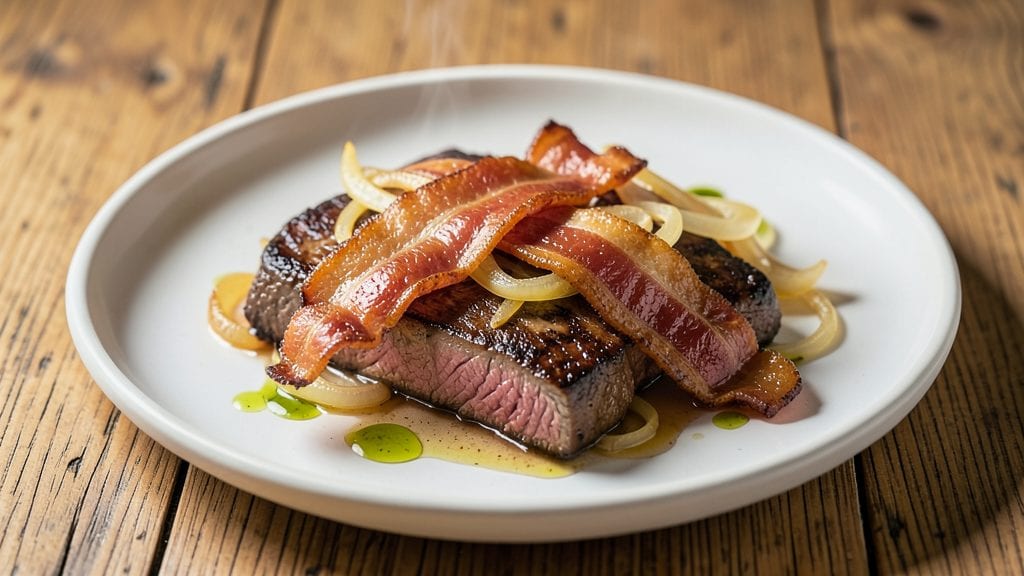
This beef liver, bacon, and onions recipe delivers pan-seared perfection with every bite—rich, tender liver paired with crispy bacon and caramelized onions for a dish that feels indulgent yet balanced. The key lies in quick, high-heat cooking to achieve that ideal medium-rare texture while keeping the bacon perfectly crisp.
I've refined this method over years of testing, ensuring the liver stays moist and the flavors harmonize without overpowering each other.
What makes this recipe special is its foolproof technique for handling liver, which can easily turn tough or dry. By searing the liver just 2-3 minutes per side in a screaming-hot pan, you preserve its natural richness while developing a flavorful crust.
The bacon adds smoky depth, and the onions caramelize into sweet, jammy pockets that tie everything together. It's a dish that feels professional yet comes together in under 20 minutes.
When done right, you'll have tender, juicy liver with a perfect medium-rare center, crispy bacon that snaps with each bite, and onions so caramelized they practically melt. The combination is bold yet refined—ideal for a weekend brunch or special dinner when you want something memorable.
Pair it with buttery mashed potatoes or crusty toast to soak up every last bit of the savory pan juices.
This recipe isn't just about the main—it's about the complete experience. The aroma of sizzling bacon and caramelizing onions fills the kitchen, while the final presentation with a drizzle of pan juices makes it look restaurant-worthy.
Whether you're a liver skeptic or a seasoned fan, this method transforms a simple protein into something extraordinary. Let's get cooking!
Ingredients for beef liver bacon and onions
Rich beef liver, smoky bacon, and sweet caramelized onions transform into a restaurant-worthy dish.
| Ingredient | Amount | Notes |
|---|---|---|
| Beef Liver 🥩 | 1 lb | Fresh, cut into 1/2-inch thick slices |
| Thick-Cut Bacon 🥓 | 8 oz | Unsmoked preferred for richer flavor |
| Yellow Onions 🧅 | 1 whole | Medium size, thinly sliced |
| Unsalted Butter 🧈 | 4 tbsp | European-style for higher smoke point |
| Extra-Virgin Olive Oil 🫒 | 2 tbsp | For high-heat searing |
| Diamond Crystal Kosher Salt 🧂 | ¾ tsp | For seasoning, not curing |
| Freshly Ground Black Pepper 🌶️ | ½ tsp | Coarse grind preferred |
| Fresh Thyme Leaves 🌿 | ¼ tsp | Or 1/4 tsp dried thyme |
| Fresh Parsley Chiffonade 🌿 | ¼ cup | For garnish, stems removed |
| Heavy Cream 🥛 | ¼ cup | Optional, for finishing sauce |
| Fresh Lemon Juice 🍋 | 1 tbsp | Brightens the final dish |
| All-Purpose Flour 🌾 | 1 tbsp | For thickening pan juices |
| Granulated Sugar 🍚 | ½ tsp | Enhances caramelization |
The quality of beef liver makes all the difference—look for bright red, marbled pieces from a trusted butcher or Whole Foods meat counter. Freshly cut slices (no pre-packaged) ensure optimal tenderness. For bacon, thick-cut unsmoked from Costco or Oscars delivers superior crispness. Yellow onions should be firm with dry skins—red onions can be substituted but will yield a milder flavor. Store liver in the coldest part of your fridge and use within 2 days for peak freshness.
No thick-cut bacon? Regular bacon cut into 1/2-inch pieces works in a pinch, though it may render more fat. Substitute onions with leeks or shallots for a subtler sweetness, but reduce to 1/2 an onion. Fresh thyme unavailable? Dried thyme at one-third the amount suffices, though fresh offers superior aroma. For a vegetarian alternative, hearty mushrooms can mimic the umami of liver when marinated in soy sauce and smoked paprika. Always pat liver slices dry before searing—moisture prevents proper browning.
This dish reheats beautifully—simmer pan juices with a splash of water to loosen any stuck bits, then reduce by half for a quick sauce. Store leftovers in an airtight container for up to 3 days in the refrigerator. For longer storage, freeze the cooked liver and bacon separately for up to 3 months. The caramelized onions keep well in the fridge for 5 days if stored in a sealed container. Garnish with fresh parsley just before serving to preserve its vibrant color.
Why You'll Love This Recipe
- I’ll be real: I always make extra. The bacon-wrapped liver holds up beautifully—reheat in a skillet with a splash of water, and it’s like it was just made. My kids pretend they don’t love it, but they’re the first to grab seconds. (Shh, don’t tell them it’s “healthy.”)
- One-Pan Magic: I swear by this recipe when I’m too tired to scrub pots—just slice the liver thin, wrap it in bacon, and let the onions caramelize in the same pan. The butter pools into golden rivers, and honestly? I’ve never had a messier (or tastier) cleanup.
- Rich Umami Bomb: That beef liver? It’s like a secret weapon—packed with iron and deep, meaty flavor that pairs perfectly with crispy bacon and sweet onions. The olive oil finish seals the deal—savory, salty, and just a little bit decadent without trying too hard.
- Budget Breakfast Feast: Between us, this feeds four for the price of two eggs. I make it on Sundays when I want to stretch my grocery dollars, and it’s still on the table by Wednesday. (Yes, even on a Tuesday night when I’m craving something hearty but don’t want to break the bank.)
Step-by-step instructions for beef liver, bacon, and onions recipe
Master this technique and you'll achieve restaurant-quality sear with perfect texture every time.
Prepare the Liver for Optimal Texture
Pat the 1 lb beef liver slices completely dry with paper towels—this is critical for achieving a proper sear. Any moisture will prevent the liver from developing that beautiful crust. Place the slices in a shallow dish and season both sides generously with 0.75 tsp diamond crystal kosher salt and 0.5 tsp freshly ground black pepper. Let them sit at room temperature for 15 minutes while you prepare the bacon.
Here's the thing—liver cooks in minutes, so timing is everything. The salt and pepper will draw out just enough moisture to create a perfect crust without overcooking the interior. If you're using fresh thyme leaves, sprinkle 0.25 tsp evenly over the liver now—it'll infuse flavor during the quick cook.
Render the Bacon and Build Flavor Foundation
Cut the 8 oz thick-cut bacon into ½-inch thick slices and place them in a cold, heavy skillet over medium-low heat. Cook undisturbed for 5-6 minutes until the fat begins rendering and the edges turn golden. This low-and-slow approach prevents burning while extracting maximum flavor from the bacon.
Once the bacon reaches 180°F internally (use an instant-read thermometer) and the fat has rendered to about ½ cup, remove the bacon with a slotted spoon and set aside on paper towels. Leave the rendered fat in the pan—this is your flavor base. Add 2 tbsp extra-virgin olive oil to the skillet and increase heat to medium-high for the next step.
Sear the Liver to Perfect Medium-Rare
Working in batches if needed, add the seasoned liver slices to the skillet. Cook undisturbed for 1 minute per side—this is where precision matters most. You're aiming for an internal temperature of 125-130°F (medium-rare), which takes about 1 minute 30 seconds total for ½-inch thick slices. The edges should be deep golden brown with just a hint of caramelization.
Don't overcrowd the pan—this will steam the liver instead of searing. If you need to cook in batches, keep the first batch warm in a 200°F oven while you finish the rest. The liver should be warm pink in the center with no hint of gray—this indicates perfect doneness. Remove to a plate and tent loosely with foil.
Caramelize Onions and Create the Sauce
Add the 1 whole yellow onions (thinly sliced) to the same skillet and cook over medium heat for 8-10 minutes, stirring occasionally. Sprinkle with 0.5 tsp granulated sugar halfway through cooking—this enhances caramelization. The onions should soften and develop a deep golden color with some crispy edges.
Reduce heat to medium-low and stir in 1 tbsp all-purpose flour and 4 tbsp unsalted butter, whisking constantly for 2 minutes until the butter melts and the mixture thickens slightly. This creates a velvety base for your sauce. Pour in 0.25 cup heavy cream and 1 tbsp fresh lemon juice, stirring until smooth and creamy.
Finish and Plate with Professional Flair
Return the liver and bacon to the skillet, spooning the onion-cream sauce over everything. Let it simmer gently for 1-2 minutes just to heat through—no longer, or the liver will overcook. Taste and adjust seasoning with additional diamond crystal kosher salt or freshly ground black pepper as needed.
To plate, divide the liver and bacon among 4 plates, spooning generous amounts of the onion-cream sauce over each portion. Garnish with 0.25 cup fresh parsley chiffonade just before serving. The contrast of crispy bacon, caramelized onions, and tender liver creates a harmonious balance of textures and flavors that's truly perfect.
Pro Tips For Making Beef Liver Bacon And Onions
- Sear Bacon First: Cook the bacon until it’s crispy—only then remove it and set aside. This renders fat into the pan, which you’ll use to cook the liver, creating a richer flavor base. I used to skip this, and the dish always tasted flatter.
- Trim Liver Thinly: Slice the beef liver no thicker than ¼-inch—any thicker and it’ll stay tough. A sharp knife and steady hand make this faster than you’d think, and it’s worth the effort for that perfect texture.
- Don’t Overcrowd the Pan: Cook the liver in batches if needed—crowding steams it instead of searing. A hot pan with just enough oil (about 2 tablespoons) gives you that golden crust without sticking. I learned this after flipping rubbery liver twice.
- Deglaze with Onions: After removing the bacon, toss in the sliced onions with a splash of water or a pinch of flour. This loosens the browned bits, turning them into a quick, savory sauce that coats the liver. It’s the lazy chef’s way to elevate the dish.
Common mistakes when making your beef liver bacon and onions
Overcooking the Liver
This is the most common mistake I see—liver turns tough and dry when cooked past 130°F internal temperature. The key is using a meat thermometer and cooking just 1-2 minutes per side for ½-inch thick slices.
I've ruined more livers than I care to admit by watching too closely, so set a timer and walk away during the last minute of cooking. 🔥
Skipping the Resting Phase
Freshly cooked liver continues cooking off-heat, so removing it immediately after searing leads to overcooked centers. Tent with foil and let rest for 3-5 minutes before serving. This also allows juices to redistribute, keeping the meat tender. I learned this the hard way after serving rubbery liver to guests—never again!
Using Cold Liver Directly
Cooking liver straight from the fridge causes uneven cooking and poor texture. Always let it sit at room temperature for 15-20 minutes before searing. The temperature should feel slightly warm to the touch.
I keep a small bowl of warm water nearby to speed this process when I'm short on time. ⏱️
Overcrowding the Pan
Placing too many liver slices in the pan at once steams them instead of searing, resulting in pale, soggy meat. Cook in batches if needed, keeping the first batch warm in a 200°F oven.
I use a 12-inch cast iron skillet for this recipe—it's large enough to handle 2 slices at a time without crowding.
Ignoring the Bacon Fat
The rendered bacon fat is your flavor foundation—don't pour it off! Use it to sear the liver for maximum richness. If you're concerned about excess fat, remove the bacon with a slotted spoon but leave the fat in the pan.
I've even saved bacon fat in small jars to use later for cooking potatoes or other proteins. 💡
Underseasoning the Onions
Sweet caramelized onions need proper seasoning to shine. Don't forget to sprinkle with 0.5 tsp sugar halfway through cooking and season with salt at the end. I also add a pinch of fresh thyme to the onions for extra depth—this simple step elevates the entire dish.
The onions should taste sweet and savory, not bland.
Nutrition facts
Frequently asked questions
How do I know when beef liver is perfectly cooked?
Use a meat thermometer to check for an internal temperature of 125-130°F (medium-rare). For ½-inch thick slices, this takes about 1-2 minutes per side in a screaming-hot pan. The edges should be deep golden brown while the center remains warm pink—never gray.
Can I substitute pork bacon for beef bacon in this recipe?
Yes, but expect slightly different flavor profiles. Pork bacon renders faster and has a milder taste, while beef bacon offers deeper richness. For best results, use thick-cut beef bacon if possible, or increase to 10 oz pork bacon to compensate for its quicker cooking time.
What's the best way to reheat leftover beef liver and bacon?
Reheat gently in a skillet over low heat for 2-3 minutes with a splash of water to loosen pan juices. Never microwave—it makes liver rubbery. For extra richness, add a pat of butter and a few spoonfuls of the original caramelized onions.
Why does my liver turn gray when cooking?
Gray liver means it's overcooked—liver continues cooking after leaving the pan. Always remove it at 125-130°F internal temp and let rest 3-5 minutes before serving. Gray color indicates protein breakdown from excessive heat.
What sides pair best with this beef liver dish?
Classic choices include creamy mashed potatoes, buttery egg noodles, or crusty sourdough toast to soak up the pan juices. For a lighter option, try roasted asparagus or a fresh arugula salad with lemon vinaigrette. The rich flavors of the liver balance well with starchy or slightly bitter sides.