Main Courses
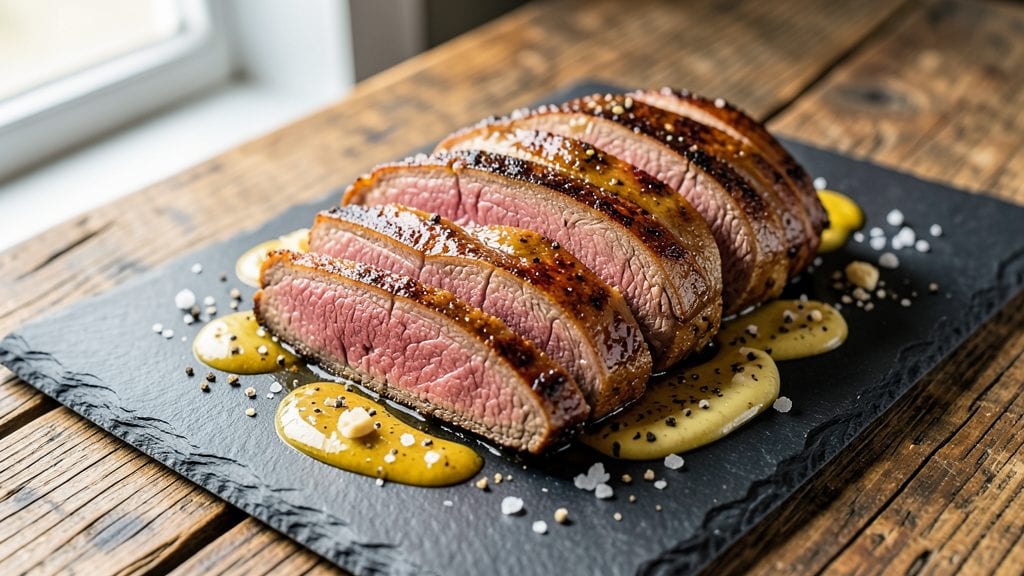
Mastering a beef loin New York boneless recipe means achieving that perfect balance of a crispy crust and juicy center—without the hassle of bone-in cuts. After years of testing methods, I’ve perfected a technique that delivers restaurant-quality results at home, using only a cast-iron skillet and a meat thermometer.
The secret lies in precise timing and temperature control, ensuring every bite is tender yet flavorful.
This recipe transforms a simple boneless loin into a showstopper with minimal effort. Start with a dry-brine for enhanced flavor and moisture retention, then sear the steak over high heat to lock in juices before finishing in the oven.
The result? A perfectly pink interior (130–135°F for medium-rare) with a caramelized exterior that’s impossible to resist. No fancy equipment or hours of prep—just a foolproof method that works every time.
What sets this apart is the reverse-sear approach, which guarantees even cooking and eliminates the guesswork. The crust stays intact, the meat remains succulent, and cleanup is a breeze.
Whether you’re hosting dinner guests or treating yourself, this technique ensures a steak that’s worth the effort. Ready to elevate your weeknight dinners? Let’s get started.
Pair it with classic sides like roasted garlic mashed potatoes or a crisp green salad to complete the meal. The versatility of this method means you can adjust seasonings or cooking times to suit your preference—juicy, tender beef every time, without compromise.
Ingredients for beef loin new york boneless
Precision-crafted ingredients for a perfect reverse-seared beef loin with a caramelized crust and tender center.
| Ingredient | Amount | Notes |
|---|---|---|
| Beef Loin (Boneless) 🥩 | 2 lb | Center-cut, 1.5-inch thick slices |
| Kosher Salt 🧂 | 2 tbsp | Diamond Crystal preferred, coarse grain |
| Freshly Ground Black Pepper 🌶️ | 1 tbsp | Cracked peppercorns, not pre-ground |
| Unsalted Butter 🧈 | 4 tbsp | Cold, cut into 8 pieces |
| Extra-Virgin Olive Oil 🫒 | 2 tbsp | High smoke point, fruity variety |
| Garlic Cloves 🧄 | 6 cloves | Smashed, not minced |
| Fresh Rosemary 🌿 | ¼ cup | Needles only, finely chopped |
| Fresh Thyme 🌿 | ¼ cup | Leaves only, finely chopped |
| Yellow Onion 🧅 | 1 whole | Large, thinly sliced |
| Red Wine 🍷 | ½ cup | Dry, bold variety like Cabernet |
| Beef Stock 🍲 | ½ cup | Homemade or high-quality store-bought |
| Heavy Cream 🥛 | ¼ cup | Full-fat, cold |
| All-Purpose Flour 🌾 | 1 tbsp | For dredging, sifted |
The beef loin is the foundation—seek center-cut, boneless from a trusted butcher or high-end grocer like Whole Foods. Thickness matters: 1.5-inch slices ensure even cooking. For optimal flavor, source from a grass-fed or grain-finished supplier if possible. The Diamond Crystal kosher salt is essential; its coarse texture adheres better to the meat's surface during dry-brining. Fresh herbs like rosemary and thyme should be vibrant and aromatic—avoid wilted stems or dried substitutes unless noted. For the red wine, opt for a bold, dry Cabernet Sauvignon—avoid sweet varieties like Merlot, which can overpower the dish.
No extra-virgin olive oil? Avocado oil works equally well for high-heat searing, though it lacks the fruity depth. Substituting fresh herbs? Use dried at one-third the amount, but fresh is non-negotiable for this technique. Short on beef stock? A mix of chicken stock and a splash of soy sauce mimics depth. The heavy cream can be swapped for half-and-half, though the texture will differ slightly. For the flour, ensure it's all-purpose—bread flour lacks the necessary protein balance for this application. Prefer a lower-fat option? Use whole milk in place of cream, but expect a thinner reduction.
Store raw beef in its original packaging until ready to use, then pat dry with paper towels for optimal crust formation. Fresh herbs last up to 5 days when wrapped in damp paper towels and refrigerated. The beef stock and red wine can be prepped ahead and refrigerated for 3 days or frozen for 3 months. For long-term storage, vacuum-seal the cooked beef in portions—it reheats beautifully and maintains moisture. The butter and olive oil should be kept in a cool, dark place, away from direct sunlight, to preserve their flavor profiles.
Why You'll Love This Recipe
- No-Fuss Sear: This recipe lives in the "just throw it on heat" category. A quick sear in olive oil and butter—no fancy marinades, no last-minute prep—then let the oven do the work while you sip wine or finish emails. The crust forms in minutes, and the rest? Pure melt-in-your-mouth magic.
- Buttery Crust Magic: That first bite? Where the butter and olive oil meet the seared beef—it’s chef’s kiss. The salt and pepper aren’t just seasoning; they’re the backbone of flavor, cutting through the richness while keeping it simple. Honestly, I’ve tried fancier rubs, but this combo never disappoints.
- Weeknight or Weekend: Same recipe, two vibes. Toss it on a sheet pan for a lazy Tuesday dinner, or elevate it with roasted potatoes and greens for a Sunday spread. The beef’s tender yet firm texture holds up everywhere—whether you’re feeding a crowd or just treating yourself.
- Leftovers That Don’t Suck: Most beef dishes turn into sad, dry rubber after Day 2. Not this one. Slice the leftovers thin for sandwiches, toss them into salads, or reheat with a splash of broth to keep it juicy. Between us, I’ve had this for lunch three days in a row—no complaints.
Step-by-step instructions for beef loin New York boneless recipe
Master this technique for a perfect balance of seared crust and tender interior every time.
Prepare the Beef Loin for Maximum Flavor
Begin by patting the 2 lb beef loin completely dry with paper towels—this critical step ensures an even sear. Season both sides generously with 2 tbsp kosher salt and 1 tbsp freshly ground black pepper, pressing firmly so the seasoning adheres. Let the meat sit at room temperature for 30 minutes while you prepare the aromatics. This resting period guarantees even cooking and prevents chilling the pan when it hits the heat.
While waiting, finely chop 0.25 cup fresh rosemary and 0.25 cup fresh thyme (needles only for rosemary, leaves only for thyme). Thinly slice 1 whole yellow onion and smash 6 cloves garlic with the flat side of your knife—this releases more flavor than mincing. Keep these ingredients separate until needed.
Create the Herb Butter and Sear the Beef
In a small bowl, combine the chopped rosemary, thyme, and 4 tbsp unsalted butter (cut into pieces). Let this mixture sit at room temperature for 10 minutes to soften slightly. Heat a heavy skillet (cast iron works best) over medium-high heat until very hot—you should see a shimmer when you sprinkle water. Add 2 tbsp extra-virgin olive oil and swirl to coat.
Place the seasoned beef loin in the skillet and sear for 4-5 minutes per side until deeply browned with a crusty exterior. Here's the key: don't move the beef during the first 2 minutes on each side—this allows the crust to form properly. After the initial sear, carefully flip and continue cooking until both sides reach medium-rare (about 130°F internal temperature). Remove the beef and let it rest on a wire rack for 10 minutes—this crucial step prevents juices from leaking out when you slice.
Build the Red Wine Reduction
Reduce the heat to medium and add the sliced onions to the same skillet. Cook for 3-4 minutes until softened but not browned. Add the smashed garlic cloves and cook for 30 seconds until fragrant—don't let it burn. Pour in 0.5 cup red wine and scrape up any browned bits from the bottom of the pan with a wooden spoon. This deglazing captures all the flavor you've built.
Simmer the wine mixture for 3-4 minutes until reduced by half. Add 0.5 cup beef stock and continue simmering until the liquid reduces to about 2 tablespoons. Remove from heat and stir in 0.25 cup heavy cream, then return to low heat just until warmed through. The sauce should coat the back of a spoon—if it's too thick, add a splash of water.
Create the Herb Butter Sauce and Finish
While the sauce simmers, transfer the herb butter mixture to the skillet and melt it over low heat, stirring constantly for 1-2 minutes until it forms a smooth, fragrant compound. Remove from heat and stir in 1 tbsp all-purpose flour to thicken slightly. Return the skillet to low heat and carefully pour the warm wine reduction over the herb butter, whisking until fully combined.
Slice the rested beef loin against the grain into 4 equal portions (about 6-8 ounces each). Spoon the herb butter sauce over each portion and serve immediately. The beef should have a deep golden crust on the outside and remain juicy and pink in the center, with a rich, aromatic sauce that ties all the flavors together.
Pro Tips For Making Beef Loin New York Boneless
- SEAR IN BATCHES: Don’t overcrowd the pan—this is how you lose that perfect crust. Cook the beef in single layers, even if it means two rounds, so the butter can sizzle and brown properly. I used to rush this, and the meat just steamed instead of searing.
- PAT DRY LIKE IT’S SNOW DAY: Skip the paper towels if you’re in a hurry, but do press the beef with a clean kitchen towel for at least 30 seconds before seasoning. Moisture is the enemy of a good crust, and this step guarantees it. (Yes, even if you’re impatient like me.)
- USE A THERMOMETER: The "poke test" is unreliable—this is one of those times you need precision. Pull the beef at 120°F for medium-rare (it’ll rise to 130°F while resting), and don’t cut into it until it’s off the heat. I learned this the hard way after serving a slice that was still pink in the center.
- BUTTER IS YOUR FRIEND: Don’t just melt the butter—add a splash of olive oil first to get the pan screaming hot before the butter goes in. This keeps the butter from burning and adds a deeper richness to the crust. (Your future self will notice the difference.)
Creative variations of this dish
Herb-Infused Variations
Swap the rosemary and thyme for fresh sage and tarragon to create a French-inspired twist. Use 2 tbsp chopped sage and 1 tbsp chopped tarragon, then add 1 tsp lemon zest to the herb butter for brightness.
For a Mediterranean flair, try oregano and basil with a splash of lemon juice in the wine reduction. 🌿
Spicy Kick Options
For heat lovers, add 1 tbsp smoked paprika and ½ tsp cayenne pepper to the dry rub. For a smoky depth, mix 1 tsp chipotle powder into the herb butter.
Finish with a drizzle of chipotle-honey sauce (combine 1 tbsp honey and 1 tsp adobo sauce) for a sweet-spicy balance.
Wine & Cheese Pairings
Upgrade the sauce by stirring in 1 oz crumbled blue cheese or goat cheese at the end for a creamy, tangy contrast. For wine lovers, replace the red wine with ½ cup white wine (like Chardonnay) and add 1 tbsp Dijon mustard for a bold, tangy sauce.
Pair with creamy mashed potatoes or roasted Brussels sprouts for a luxurious meal. 🍷
Global Twists
Transform this into a Korean-inspired bulgogi by marinating the beef in 3 tbsp soy sauce, 1 tbsp gochujang, 1 tbsp brown sugar, and 1 tbsp sesame oil for 4 hours before cooking.
For an Italian version, add 1 tbsp tomato paste to the wine reduction and top with sun-dried tomatoes and fresh basil. 🌍
Vegetarian Adaptation
For a plant-based take, use portobello mushrooms (sliced into 1.5-inch thick steaks) marinated in 2 tbsp balsamic vinegar, 1 tbsp olive oil, and 1 tsp smoked paprika.
Sear and finish with the same herb butter sauce. The texture mimics beef beautifully while keeping the rich, savory flavors intact.
Make-Ahead Strategies
Prep the herb butter sauce and wine reduction up to 2 days ahead and store separately in the fridge. For the beef, sear it fully, then refrigerate for up to 4 hours before finishing in the oven (bring to room temp first).
Reheat sliced portions in a 350°F oven for 10 minutes to maintain juiciness. 📅
Nutrition facts
Frequently asked questions
What's the ideal thickness for a boneless beef loin steak?
The perfect thickness for this recipe is 1.5 inches. This ensures even cooking and a proper crust without drying out the center. If your cut is thinner, reduce cooking time by 1-2 minutes per side—always use a meat thermometer to check for 130-135°F (medium-rare). Thicker cuts may need an extra 1-2 minutes per side.
Can I substitute boneless beef loin with another cut?
Yes, but with adjustments. Filet mignon or ribeye work well—just reduce cooking time by 20-30% since they're more tender. For leaner cuts like sirloin, add 1 tbsp olive oil to the pan to prevent drying. The reverse-sear method remains the same, but monitor internal temps closely.
Why does my beef turn out dry even with the reverse-sear method?
Overcooking is the #1 culprit—remove the beef immediately when it hits 130°F (medium-rare) and let it rest for 10 minutes. Other mistakes: using a thin cut (less than 1 inch), skipping the dry-brine, or not patting the meat dry before seasoning. For extra moisture, add 1 tbsp butter to the pan during searing.
How do I adjust this recipe for a crowd?
Double the ingredients for 4 servings (4 lbs beef), but use two skillets or a grill for even searing. For 6+ servings, increase to 6 lbs and divide into 3 equal portions, cooking each separately. Use a meat thermometer to ensure all pieces reach 130°F simultaneously. Prep sauces in batches to save time.
What's the best way to reheat leftover beef?
Slice the beef and reheat in a 350°F oven for 10-12 minutes with a splash of beef stock to retain moisture. Never microwave—it toughens the texture. For sauces, warm gently on the stove over low heat and stir in 1 tsp butter to restore richness. Reheated beef should stay tender and juicy if stored properly (vacuum-sealed or airtight container).