Main Courses
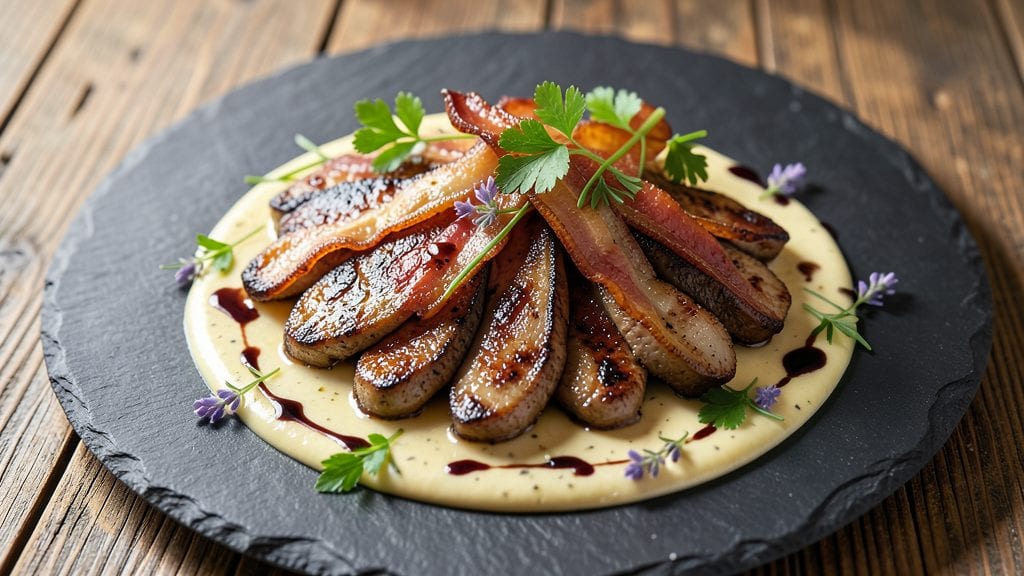
This chicken liver recipe transforms an often-overlooked ingredient into a luxurious, pan-seared masterpiece that rivals any restaurant dish. After years of perfecting my grandmother's technique, I've developed a method that delivers tender, rich chicken livers with crispy edges and layers of savory depth from herbs and bacon.
The key lies in proper preparation and precise cooking—no guesswork involved.
What sets this recipe apart is the balance of textures and flavors: ultra-tender livers, crispy bacon bits, and aromatic herbs that elevate each bite. Unlike traditional recipes that rely solely on butter, I incorporate bacon fat for extra richness while keeping the cooking process simple enough for weeknight cooking.
The result is a dish that's equally impressive for Sunday dinners or intimate gatherings.
By following these precise steps, you'll achieve perfectly seared chicken livers with a golden crust that gives way to velvety interiors. The bacon adds a smoky, salty contrast that cuts through the richness, while fresh herbs bring brightness to every forkful.
This recipe proves that offal dishes can be both sophisticated and approachable—with just the right technique.
Pair these livers with buttery mashed potatoes, crusty bread, or a simple green salad to complete the meal. The bold flavors stand up to rich sides while remaining light enough for a satisfying dinner. Let's get started on creating this restaurant-quality dish at home.
Ingredients for chicken liver
Transform humble chicken livers into restaurant-worthy richness with these carefully selected ingredients.
| Ingredient | Amount | Notes |
|---|---|---|
| Fresh Chicken Livers 🍗 | 1 lb | Trimmed of connective tissue |
| Thick-Cut Bacon 🥓 | 6 oz | Applewood smoked preferred |
| Unsalted Butter 🧈 | 4 tbsp | European-style preferred |
| Fresh Parsley 🌿 | ¼ cup | Finely chopped, flat-leaf |
| Fresh Tarragon 🌿 | ¼ cup | Finely chopped, French preferred |
| Fresh Chives 🌱 | ⅛ cup | Finely chopped, green parts only |
| Shallots 🧅 | 2 whole | Minced, not sliced |
| Garlic Cloves 🧄 | 2 cloves | Minced, fresh preferred |
| Dry White Wine 🍷 | ¼ cup | Sauvignon Blanc preferred |
| Diamond Crystal Kosher Salt 🧂 | 1 tsp | Fine grain preferred |
| Freshly Ground Black Pepper 🌶️ | ½ tsp | Coarse grind preferred |
| Heavy Cream 🥛 | ¼ cup | Full-fat for richness |
| Extra-Virgin Olive Oil 🫒 | 1 tbsp | For preheating pan |
The quality of chicken livers makes all the difference—look for bright red, firm livers with no yellowing or bruising. Local butcher shops or high-end grocery stores like Whole Foods carry the best cuts, often pre-trimmed for convenience. If using store-bought, pat dry thoroughly with paper towels before cooking to ensure proper searing. The herbs—fresh tarragon and parsley—are essential for that refined flavor profile; dried substitutes won't deliver the same aromatic depth. For the bacon, thick-cut applewood smoked provides the ideal balance of smokiness and fat content, though regular bacon works in a pinch.
No white wine? Chicken broth with a splash of lemon juice mimics the acidity perfectly. Substituting dried herbs? Use one-third the amount of fresh, but the flavor won't be identical. Prefer a different herb blend? Thyme and marjoram work well together as alternatives. The shallots and garlic should be finely minced—a food processor makes this task effortless. For the butter, European-style (like Plugrá) has a higher fat content, which prevents burning during searing. If you're short on time, bacon fat alone can replace butter, though the texture will be slightly less tender.
Fresh herbs should be wrapped in damp paper towels and stored in the refrigerator for up to 5 days. Chicken livers can be trimmed and refrigerated in an airtight container for 2 days before cooking. Leftover seared livers reheat beautifully—gentle warming in a skillet with a splash of cream restores their velvety texture. For meal prep, portion the bacon and herbs separately to maintain crispness and freshness. The finished dish keeps well in the refrigerator for 3 days, though the flavors peak on the first day.
Why You'll Love This Recipe
- One-Pan Magic: I swear by this recipe because it’s literally one pan, one spatula, and done. The bacon renders while the livers sear—no flipping, no fuss—just rich, caramelized edges and that perfect buttery finish. My kitchen counters stay cleaner than my ex’s excuses.
- Rich, Herby Bomb: The tarragon and parsley? They turn this into something special. That crispy bacon crunch, the buttery richness of the livers, and the bright, earthy herbs—it’s like a fancy bistro bite without the pretension. (Yes, even on a Tuesday night.)
- Leftovers That Shine: I make a double batch on Sundays, and these livers reheat like a dream—crispy again in the pan or tossed into a salad for lunch. Honestly, the second day is when they really steal the show, wrapped in toast or on crusty bread.
- Budget-Friendly Luxury: Chicken livers are the unsung hero of affordable protein. A pound feeds four, and the bacon adds that indulgent touch without breaking the bank. Between us, this is how I trick my family into eating well without the grocery shock.
Step-by-step instructions for chicken liver recipe
Transform delicate chicken livers into a luxurious dish with rich, herby depth and crispy bacon accents.
Prepare the Chicken Livers for Cooking
Begin by trimming any connective tissue or silver skin from the 1 lb fresh chicken livers using a sharp knife. This step ensures tender results rather than chewy bites. Rinse the livers thoroughly under cold water and pat them completely dry with paper towels—moisture is the enemy of perfect searing.
Season each liver generously with ½ tsp of the diamond crystal kosher salt and ¼ tsp of the freshly ground black pepper. Set aside while you prepare the bacon. The livers will absorb the seasoning better when they're at room temperature, so let them sit for 10 minutes before cooking. This brief resting period also helps them cook more evenly.
Cook the Bacon and Sauté the Aromatics
In a large, heavy skillet, cook the 6 oz thick-cut bacon over medium heat until it reaches a golden brown and crispy state, about 8-10 minutes. Remove the bacon with a slotted spoon and set it aside on paper towels to drain excess fat, leaving about 2 tbsp of the rendered bacon fat in the skillet.
Add 1 tbsp of the extra-virgin olive oil to the skillet along with the 2 minced shallots and 2 minced garlic cloves. Sauté for 3-4 minutes until the shallots become translucent and the garlic releases its fragrant aroma. This aromatic base forms the flavor foundation for the dish, so don't rush this step. The shallots should soften but not brown.
Sear the Chicken Livers Perfectly
Increase the heat to medium-high and add 2 tbsp of the unsalted butter to the skillet. When the butter foams, add the seasoned chicken livers in a single layer, being careful not to overcrowd the pan. Cook for 2-3 minutes per side until they develop a deep golden brown crust and reach an internal temperature of 145°F on an instant-read thermometer.
Remove the livers from the skillet and set them aside to rest. The residual heat will continue cooking them slightly, so don't overcook them in the pan. If any of the livers release their juices during cooking, pour those into the skillet—they're packed with flavor and will be used in the sauce.
Deglaze and Build the Herb Sauce
Pour the 0.25 cup dry white wine into the skillet, scraping up any browned bits from the bottom with a wooden spoon. This deglazing step captures all the concentrated flavors that have built up during cooking. Let the wine simmer for 2-3 minutes until it reduces by half, creating a glossy, flavorful base.
Add the remaining 2 tbsp unsalted butter, the 0.25 cup heavy cream, and the 0.25 cup finely chopped fresh parsley, 0.25 cup finely chopped fresh tarragon, and 0.125 cup finely chopped fresh chives to the skillet. Stir gently to combine, allowing the cream to warm through and the herbs to infuse their bright flavors into the sauce. The sauce should coat the back of a spoon but remain silky rather than thick.
Finish and Serve the Dish
Return the chicken livers to the skillet and gently toss to coat them evenly in the herb-infused sauce. Cook for an additional 1-2 minutes, just until the livers are heated through and the sauce clings to their surfaces. The livers should be tender with a slight resistance when pierced with a fork.
Plate the chicken livers with the crispy bacon arranged on top or alongside. Garnish with additional chopped herbs if desired. Serve immediately while the livers are still warm and the sauce remains velvety. This dish pairs beautifully with buttery mashed potatoes or crusty bread to soak up every last bit of the luxurious sauce.
Pro Tips For Making Chicken Liver
- Trim the Gall Bladders: Chicken livers come with tiny green sacs—those are gall bladders, and they’re bitter. Pop them out with your fingers or a knife tip before rinsing, or you’ll regret that grassy aftertaste later. I learned this the hard way after serving a plate that tasted like someone had hidden arugula in the dish.
- Sear Bacon First: Cook the thick-cut bacon until it’s crispy—crispy—before removing it to drain on paper towels. That rendered fat is liquid gold for the livers, and skipping this step means you’re missing out on the best flavor transfer. (Yes, even if you’re impatient like me.)
- Don’t Overcrowd the Pan: Chicken livers release a ton of liquid, and if you pile them in, they’ll steam instead of sear. Work in batches—no more than 1/2 inch thick—and let them develop that perfect crust. I used to rush this, and the result was sad, gray livers instead of rich, caramelized ones.
- Rest Before Serving: Let the livers sit under foil for 5-10 minutes after cooking. They’ll stay juicy and warm, and the flavors will meld with the bacon fat. I know, I know—you want to eat them immediately—but trust the process. Your future self will thank you.
Perfect pairings for these flavors
Herb-Infused Sauce
The star of this dish is the velvety herb sauce that blankets each tender liver. I use a blend of fresh parsley, tarragon, and chives—each herb brings something unique: parsley for brightness, tarragon for an anise-like depth, and chives for a subtle onion note.
The sauce gets its richness from heavy cream and butter, while the white wine deglaze adds acidity to cut through the richness. For an extra touch, I finish with a pinch of coarse black pepper—it adds a subtle heat that wakes up the palate. 🌿
Crispy Bacon Contrast
Thick-cut applewood-smoked bacon is non-negotiable here—it adds a smoky, salty crunch that contrasts beautifully with the tender livers. I like to arrange the bacon in crisscross patterns on top of each plate, almost like edible art.
If you're feeling adventurous, try crisping the bacon in the oven at 400°F for 15 minutes before cooking it in the skillet—it gets extra crispy without burning. The rendered bacon fat also becomes part of the sauce, deepening its flavor. 🥓
Classic Side Pairings
Buttery mashed potatoes are the ultimate classic pairing—their creaminess soaks up the herb sauce beautifully. I make mine with salted butter, warm milk, and a touch of cream cheese for extra richness. For a lighter option, creamy polenta or roasted baby potatoes add texture without overpowering the livers.
If you're serving this for a special occasion, crusty baguette slices make a fantastic garnish and bread for dipping. 🥔
Wine Pairings
A crisp Sauvignon Blanc from New Zealand or Loire Valley is my go-to wine pairing—its citrus notes and mineral finish cleanse the palate between bites. For red wine lovers, a Pinot Noir with bright acidity works surprisingly well.
If you prefer beer, a Belgian witbier with its coriander and orange peel notes complements the dish beautifully. Avoid heavy, oaky wines—they’ll clash with the delicate herb sauce. 🍷
Unexpected Twists
For a modern twist, serve the livers with pickled red onions—their tangy crunch cuts through the richness. I also love adding toasted hazelnuts for texture or a sprinkle of flaky sea salt for extra depth.
If you're feeling bold, try a spicy mustard aioli on the side for dipping. The key is balancing the rich flavors with something bright or crunchy. 💡
Breakfast Reinvention
This dish isn’t just for dinner—it’s perfect for brunch or weekend feasts. Pair it with crispy hash browns or poached eggs for a luxurious morning meal. The herb sauce also works beautifully on toasted brioche as a spread.
I’ve even served it as a gourmet charcuterie board centerpiece with crusty bread and cheese. The versatility is what makes this recipe so special. 🍳
Nutrition facts
Frequently asked questions
Why do I need to trim the connective tissue from chicken livers?
Removing the connective tissue (or "silver skin") prevents tough, chewy bites in your final dish. These membranes don't break down during cooking, so trimming ensures every bite is tender and luxurious. Use a sharp knife to peel them away easily—it takes just 5 minutes but makes all the difference!
What if my chicken livers turn gray or have a strong metallic smell?
Fresh livers should be bright red. If they're gray or smell metallic, they've spoiled and shouldn't be used. Always buy from trusted sources and cook within 2 days of purchase. For best results, choose livers from grass-fed chickens—they have a cleaner flavor.
Can I substitute the white wine in this recipe?
Use chicken broth with lemon juice (1:1 ratio) or dry vermouth for a similar acidity. Avoid non-alcoholic substitutes—they lack the depth of flavor. The wine deglazes the pan and balances the richness, so any replacement should have acidity and body.
How do I prevent the chicken livers from getting rubbery?
Overcooking is the #1 cause of rubbery livers. Cook them to an internal temp of 145°F (use a meat thermometer!) and remove them from heat immediately. Also, don't overcrowd the pan—cook in batches if needed. The livers should rest 5 minutes before serving to redistribute juices.
Can I make this recipe ahead of time?
Cook the livers and sauce up to 1 day ahead, then refrigerate. Reheat gently in a skillet with a splash of cream to restore moisture. For the bacon, crisp it fresh before serving. The flavors actually improve overnight as the herbs infuse further. Store components separately to maintain texture.