Main Courses
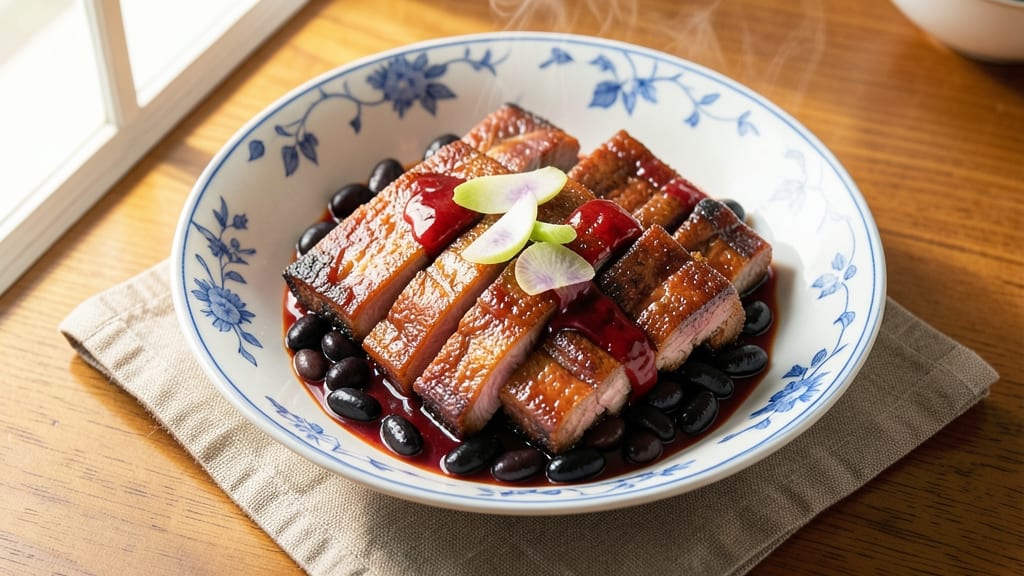
This Chinese steamed black bean spare ribs recipe delivers restaurant-quality tenderness with a deep, fermented flavor profile that transforms tough cuts into melt-in-your-mouth perfection.
The secret lies in the marinade—fermented black beans, soy sauce, and aromatic spices penetrate the meat while steaming creates that signature silky texture without drying out the ribs.
What makes this method special is how it balances tradition with practicality. While authentic versions require a bamboo steamer, modern adaptations work beautifully in pressure cookers or even oven-safe steamers.
The ribs develop their signature glossy sheen and rich umami depth through gradual steaming, making them ideal for family dinners or special occasions.
By the time you serve these ribs, they'll be fork-tender with a glossy finish, infused with the complex flavors of fermented black beans and aromatic spices. The sauce clings to each piece, creating a harmonious blend of sweet, salty, and umami notes that elevates every bite to restaurant-quality standards.
Serve with steamed jasmine rice and quick-pickled vegetables for a complete Cantonese-style meal. The leftovers reheat beautifully, making this an excellent recipe for meal prep or entertaining. Let's get started with the precise method that delivers these tender results every time.
Ingredients for chinese steamed black bean spare ribs
Fermented black beans and aromatic spices transform tough ribs into silky perfection through steaming.
| Ingredient | Amount | Notes |
|---|---|---|
| Spare Ribs 🍖 | 3 lb | Bone-in, meaty ends preferred |
| Fermented Black Beans 🫘 | ½ cup | Packed, from Asian market |
| Light Soy Sauce 🍶 | ½ cup | Kikkoman preferred |
| Shaoxing Wine 🍷 | ¼ cup | Substitute dry sherry |
| Brown Sugar 🍬 | ¼ cup | Packed, light brown preferred |
| Fresh Ginger 🧄 | 2 tbsp | Finely minced, peeled |
| Garlic Cloves 🧄 | 6 cloves | Minced, fresh preferred |
| Green Onions 🧅 | 4 whole | White and green parts separated |
| Sesame Oil 🫒 | 1 tbsp | Toasted, for aroma |
| Star Anise 🌟 | 2 whole | Lightly crushed |
| Cinnamon Stick 🌿 | 1 whole | 2-inch length |
| White Peppercorns 🌶️ | ½ tsp | Crushed, not ground |
| Cornstarch 🌾 | 1 tbsp | For sauce thickening |
| Water 💧 | 1 ½ cups | Filtered preferred |
The spare ribs should be meaty with generous fat coverage—bone-in cuts from the rib cage yield the best results. For authentic flavor, source fermented black beans from Asian markets or specialty stores like H Mart. The light soy sauce should be Kikkoman or Pearl River Bridge for optimal umami balance. Shaoxing wine can be substituted with dry sherry, though it lacks the same depth. Fresh ginger and garlic must be finely minced to ensure even distribution throughout the marinade. Organic ginger from the produce section typically offers the most vibrant flavor profile.
No fermented black beans? Substitute with 1/2 cup black soybeans soaked overnight, though flavor will differ slightly. Shaoxing wine unavailable? Dry sherry or mirin work in a pinch, though the sweetness profile shifts. The star anise and cinnamon stick are traditional aromatic elements—omit if unavailable, but their absence will reduce complexity. For the sauce, cornstarch slurry is essential for achieving that signature glossy finish. If you lack cornstarch, arrowroot powder works equally well. The green onions should be separated into white and green parts—the whites go into the marinade while the greens are reserved for garnish.
Store any unused marinade in an airtight container in the refrigerator for up to 5 days. The ribs themselves reheat beautifully—steam for 3-4 minutes to restore tenderness. For meal prep, portion the ribs into individual containers with a small amount of the steaming liquid to maintain moisture. The sauce can be reheated separately and brushed on as needed. When not in use, keep aromatic spices like star anise and cinnamon sticks in a cool, dark cabinet for up to 6 months. Fresh ginger and garlic should be stored in the refrigerator and used within 2 weeks for optimal freshness.
Why You'll Love This Recipe
- Steam-and-Go Magic: Honestly, this recipe is one of those rare dishes where the hardest part is deciding what to eat first—the ribs or the sauce. You just marinate the ribs in fermented black beans and Shaoxing wine for an hour (or even overnight if you’re feeling fancy), then steam them. No flipping, no fuss, just tender meat that falls off the bone.
- Umami Bomb: Between us, that fermented black bean paste is where this dish gets its soul. It’s salty, funky, and packed with depth—like a little flavor explosion in every bite. The soy sauce and brown sugar balance it out, but you’ll taste that rich, savory punch in every forkful. (Yes, even on a Tuesday night.)
- Leftovers? Please.: This recipe makes so much more than you need, and the best part? The ribs taste even better the next day. I’ll often steam a double batch—perfect for packed lunches or feeding unexpected guests. The sauce clings to everything, so every bite is just as satisfying cold as it is hot.
- Budget Meal, Big Impact: Spare ribs are affordable, and a little jar of fermented black beans goes a long way. You’re not just feeding a crowd—you’re doing it without breaking the bank. Plus, the leftovers stretch into stir-fries or noodle dishes, so you’re basically getting two meals for the price of one.
Step-by-step instructions for Chinese steamed black bean spare ribs
Master this technique for ribs that melt in your mouth while maintaining structural integrity.
Prepare the Ribs and Marinade Base
Begin by trimming any excess fat from the 3 lb spare ribs, leaving just a thin layer to protect the meat during steaming. Cut the ribs into 2-inch sections, ensuring each piece maintains its bone structure for even cooking. Place them in a large bowl and set aside.
In a separate bowl, combine the 0.5 cup fermented black beans, 0.5 cup light soy sauce, 0.25 cup shaoxing wine, 0.25 cup brown sugar, 2 tbsp finely minced fresh ginger, and 6 cloves minced garlic cloves. Use a wooden spoon to mash the black beans until they form a thick paste—this releases their fermented depth and creates the signature sticky sauce. Pour this marinade over the ribs and toss gently to coat evenly. Let them marinate at room temperature for 30 minutes, allowing the flavors to penetrate deeply.
Build the Aromatic Steaming Broth
In a small saucepan, combine 1.5 cups water with the 2 lightly crushed whole star anise, 1 whole 2-inch cinnamon stick, and 0.5 tsp crushed white peppercorns. Bring to a gentle simmer over medium heat, then reduce to the lowest setting to maintain a bare simmer—this creates the subtle aromatic base without boiling away. Let this infuse for 10 minutes while you prepare the remaining components.
While the broth simmers, separate the 4 whole green onions into their white and green parts. Finely mince the white portions for the sauce, and slice the green portions into ½-inch rings for garnish. These additions will elevate the dish's visual appeal and add fresh contrast to the rich, fermented flavors.
Assemble and Steam the Ribs
Line a steamer basket with a double layer of cheesecloth or a clean kitchen towel to create an even surface. Arrange the marinated ribs in a single layer, leaving small gaps between each piece for even steam circulation. Pour the infused broth into the bottom of the steamer, ensuring it doesn't touch the ribs directly—this prevents sogginess while maintaining moisture.
Cover the steamer with a tight-fitting lid and bring to a gentle boil over medium-high heat. Once boiling, immediately reduce to medium-low heat and steam for 2 hours. The ribs are perfectly tender when they pull away from the bone with minimal resistance and the meat is fork-tender but still holds its shape. Check after 1 hour 45 minutes—your oven may run hotter or cooler, so adjust timing accordingly.
Thicken the Sauce and Finish
After steaming, remove the ribs from the steamer and transfer them to a serving platter, drizzling with any accumulated juices. In a small saucepan, combine the marinade from the ribs (strain out any large bean chunks if desired) with the 1 tbsp cornstarch and 1 tbsp toasted sesame oil. Bring to a gentle simmer over medium heat, stirring constantly with a silicone spatula until the sauce thickens to a glossy consistency—this should take about 3 minutes.
Pour the thickened sauce over the ribs and garnish with the sliced green onion rings. Serve immediately while the sauce remains glossy and the ribs maintain their silky texture. The contrast of tender meat, sticky fermented sauce, and fresh green onions creates a harmonious balance of textures and flavors that defines this classic preparation.
Pro Tips For Making Chinese Steamed Black Bean Spare Ribs
- Parboil First: Toss the ribs in boiling water for 3-4 minutes before steaming—this collapses the connective tissue and guarantees they stay tender, not chewy. I learned this the hard way after serving rubbery ribs to guests who’d never ask for seconds again.
- Soak Black Beans: Rinse the fermented black beans in cold water for 10 minutes to mellow their sharpness, then drain. Skipping this step leaves a bitter edge that even more Shaoxing wine won’t fix. (Yes, even if you’re impatient like me.)
- Layer Sugar Last: Add brown sugar only in the final 5 minutes of steaming—it burns faster than you’d think. My grandmother swore by this, and she was right: caramelized sugar on the ribs makes all the difference, but you’ll end up with a sticky mess if you add it too soon.
- Steam Over Water: Use a bamboo steamer with a shallow water bath—about 1 inch deep—and keep the heat at a steady simmer, not a rolling boil. After burning three batches, I finally figured out that too much steam pressure turns the ribs soggy instead of tender. (Your future self will thank you.)
Serving suggestions for this recipe
Classic Cantonese Pairings
Serve these ribs over a bed of steamed jasmine rice—the fragrant, slightly floral notes complement the deep umami of the black bean sauce perfectly. I always prepare a large batch of rice since the ribs pair beautifully with their sticky texture.
For extra authenticity, add a sprinkle of toasted sesame seeds on top before serving. 🍚
Quick-pickled vegetables like cucumber and carrot cut through the richness of the ribs. Thinly slice 1 medium cucumber and 1 carrot, then marinate in 2 tbsp rice vinegar, 1 tbsp sugar, and ½ tsp salt for 15 minutes. This refreshing contrast balances the meal beautifully.
Modern Adaptations
For a modern twist, pair the ribs with crispy fried rice—toss in leftover rice with diced vegetables, egg, and a drizzle of soy sauce.
The crunchy texture contrasts the silky ribs wonderfully. I also love serving them with steamed bok choy or baby spinach for a lighter option. 🥢
If you're serving a crowd, consider adding steamed dumplings or scallion pancakes as appetizers. The crispy, flaky texture of the pancakes pairs surprisingly well with the tender ribs. For dessert, a simple mango sorbet or lychee jelly cleanses the palate after such a rich meal.
Presentation Tips
Arrange the ribs on a large platter with the sauce evenly distributed. Garnish with sliced green onions and a few sesame seeds for color contrast. For an elevated look, drizzle the sauce in a zigzag pattern over the ribs before serving. 🍽️
Use individual serving plates for a more intimate setting. Place 2-3 ribs per plate with a small portion of rice and pickled vegetables. This presentation makes the dish feel special while keeping it approachable for guests.
Leftovers Strategy
Store leftovers in an airtight container with a small amount of the steaming liquid to keep them moist. Reheat in a steamer basket over boiling water for 3-4 minutes—this preserves the tenderness. I also like to reheat the sauce separately and brush it on before serving. 💫
For a quick lunch, assemble rice bowls with leftover ribs, rice, and pickled vegetables. Add a fried egg on top for extra richness. The flavors only deepen as they sit, making leftovers just as delicious as the original meal.
Nutrition facts
Frequently asked questions
What makes fermented black beans essential in this recipe?
The fermented black beans provide the signature deep umami flavor and sticky texture that defines this dish. Their fermentation process creates complex flavors that tenderize the ribs during steaming. Without them, you'd miss the authentic Cantonese depth that makes these ribs special.
Can I use a pressure cooker instead of a bamboo steamer?
Yes! A pressure cooker works beautifully for this recipe. Use the steaming function (not pressure cooking) and follow the same timing of 2 hours. The ribs will still emerge tender and flavorful. Just ensure the ribs aren't submerged in water to prevent sogginess.
How do I know when the ribs are fully tender?
The ribs are done when they pull away from the bone with minimal resistance and the meat is fork-tender but still holds its shape. Test after 1 hour 45 minutes—if they're still slightly firm, steam 15-30 minutes longer. The sauce should also thicken noticeably during this time.
What's the best way to substitute fermented black beans?
If you can't find fermented black beans, soak ½ cup black soybeans overnight and mash them into a paste. While the flavor won't be identical, it will add depth. For a sweeter alternative, combine ¼ cup soy sauce, 2 tbsp hoisin sauce, and 1 tbsp molasses as a marinade base.
Can I make this recipe ahead of time?
These ribs reheat beautifully. Store them in an airtight container with some steaming liquid, then reheat in a steamer for 3-4 minutes to restore tenderness. The sauce can be reheated separately and brushed on before serving. Flavors actually deepen overnight, making leftovers even more delicious.