Main Courses
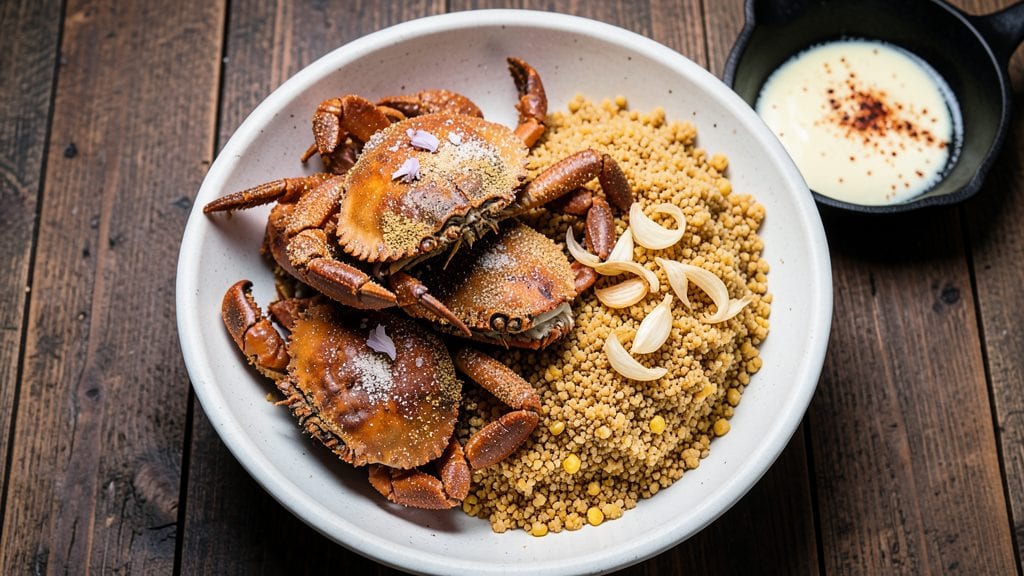
Mastering fried crabs with a crispy cornmeal crust and golden butter glaze transforms a simple seafood dish into a restaurant-worthy centerpiece. Standing on a step stool in my grandmother’s kitchen in Sicily, I first learned how texture and technique elevate humble ingredients—this recipe does just that for crabs.
The secret lies in the double-dredge method and precise frying temperature, ensuring every bite delivers that perfect crunch while keeping the meat tender inside.
This recipe delivers foolproof results with just six key ingredients: fresh crabs, cornmeal for that signature crispiness, all-purpose flour for structure, and a simple seasoning blend of paprika, garlic powder, and cayenne. The golden butter glaze ties everything together with a rich, savory finish that balances the crispy exterior.
What makes this method work is the patience in preparing the crabs—cleaning thoroughly and patting them dry—so the crust adheres perfectly.
By the time you plate these crabs, you’ll have a dish that’s visually stunning and impossibly crispy, with a glaze that glistens under the light. The aroma of frying crabs fills the kitchen, and the first bite delivers that satisfying crunch followed by tender, flavorful meat.
This recipe serves four generously, making it ideal for gatherings or a special seafood night in. Let’s get started on creating your crispy masterpiece.
The beauty of this fried crabs recipe is its versatility—serve them as an appetizer with lemon wedges or as the star of a seafood feast with sides like coleslaw and roasted potatoes.
The leftovers reheat beautifully in the oven, though I’d recommend enjoying them fresh for that ultimate crispiness. Here’s everything you need to bring this dish to life.
Ingredients for fried crabs
Six essential ingredients transform crabs into a restaurant-quality centerpiece with crispy cornmeal crust and golden butter glaze.
| Ingredient | Amount | Notes |
|---|---|---|
| Live Blue Crabs 🦀 | 1 ½ lb | Medium-sized, cleaned and deveined |
| Fine Yellow Cornmeal 🌽 | 1 ½ cups | Stone-ground for optimal texture |
| All-Purpose Flour 🌾 | 1 cup | Sifted for even coating |
| Unsalted Butter 🧈 | ½ cup | Cold, cubed for glaze |
| Smoked Paprika 🌶️ | 1 tbsp | For depth of flavor |
| Garlic Powder 🧄 | 1 tsp | Freshly ground preferred |
| Cayenne Pepper 🔥 | ½ tsp | Adjust for heat preference |
| Diamond Crystal Kosher Salt 🧂 | 1 tbsp | For seasoning crust |
| Vegetable Oil 🫒 | 3 cups | High smoke point preferred |
| Lemon Wedges 🍋 | 4 whole | For serving |
| Fresh Parsley 🌿 | ¼ cup | Chopped, for garnish |
The quality of your crabs makes all the difference. Live blue crabs from a reputable seafood market—like Whole Foods or your local fishmonger—ensure optimal freshness. Look for crabs that are active and have a briny, not fishy, aroma. Medium-sized crabs (about 6-8 ounces each) provide the perfect balance of meat and shell for crisping. Cleaning them thoroughly—removing the apron and digestive gland—is critical for flavor and texture. Pat them completely dry before dredging, as any moisture prevents the crust from adhering properly. If you're short on time, pre-cleaned crabs from Trader Joe's work in a pinch, though they lack the freshness of live ones.
Cornmeal is non-negotiable for that signature crunch—stone-ground varieties like Bob's Red Mill yield the best texture. Substituting rice flour or panko will compromise the crispiness, though a 50/50 blend with cornmeal can work if needed. For the seasoning blend, smoked paprika adds depth, while cayenne brings heat; adjust the latter based on your tolerance. The butter glaze requires cold, cubed butter to create emulsification when frying—never use melted butter. If you're concerned about dietary restrictions, the crust can be made with vegetable oil-based butter substitutes, though the flavor will differ slightly. Fresh parsley isn't just for garnish; its bright notes cut through the richness of the fried crabs.
Store prepped crab mixture in an airtight container in the fridge for up to 4 hours before frying to allow flavors to meld. The fried crabs are best served immediately, but you can reheat them in a 350°F oven for 5-7 minutes to restore crispiness. Leftovers keep for 1 day in the fridge, though the crust loses its crunch over time. For a make-ahead option, prepare the seasoned cornmeal mixture in advance and store it in a sealed container for 1 week. The butter glaze can be made up to 3 days ahead and reheated gently before serving.
Why You'll Love This Recipe
- No Fuss Fridays: I swear, the prep is simpler than it looks. Just pat the crabs dry, toss them in cornmeal and flour—no fancy techniques here—and fry until golden. The butter pools around the edges while the paprika gives it that smoky kick without extra work.
- Crispy-Creamy Magic: That first bite? The cornmeal crust shatters like a dream, revealing tender crab meat soaked in buttery richness. The smoked paprika lingers just enough to make it taste like a beachside feast, not just a weeknight meal.
- Party in a Pan: Between us, this is my secret weapon for gatherings. Serve it with lemon wedges and a cold beer, and suddenly you’re the host everyone wants to invite back. (Yes, even on a Tuesday night.)
- Budget-Friendly Luxury: Live crabs might sound fancy, but the cost per serving is surprisingly reasonable—especially when you stretch leftovers into crab cakes or salads the next day. The cornmeal and butter keep it affordable without sacrificing that "I splurged" feeling.
Step-by-step instructions for crispy cornmeal-crusted fried crabs
Master the art of achieving that perfect golden crust while keeping the crab tender inside.
Prepare the Crab and Seasoning Mix
Begin by cleaning the live blue crabs thoroughly under cold water, removing any barnacles or debris from their shells. Pat them completely dry with paper towels—this step is crucial for achieving a crispy crust. In a large bowl, combine the 1.5 cups fine yellow cornmeal, 1 cup all-purpose flour, 1 tablespoon smoked paprika, 1 teaspoon garlic powder, 0.5 teaspoon cayenne pepper, and 1 tablespoon diamond crystal kosher salt. Whisk the dry ingredients together until evenly distributed and free of lumps.
I like to add the cayenne pepper last to control the heat level—you can always add more later if needed. This seasoning blend will create the perfect textural contrast between the crunchy exterior and tender crab meat. Keep this mixture in a separate bowl until ready to use, as moisture from the crabs can make the coating too wet.
Create the Butter Glaze and Heat the Oil
In a small saucepan, melt the 0.5 cup unsalted butter over low heat until fully liquid but not browned. Remove from heat and set aside—this will be used to create the signature golden glaze after frying. Meanwhile, pour the 3 cups vegetable oil into a deep, heavy-bottomed skillet or Dutch oven and heat over medium-high heat until the oil reaches 350°F. Use a deep-fry thermometer to monitor the temperature carefully; this precise heat level ensures even cooking and maximum crispiness.
Real talk: Don't rush this step. If the oil isn't hot enough, your crabs will absorb oil instead of developing that coveted golden crust. The oil should shimmer gently and small bubbles should form around the edges of the pan when you test with a wooden chopstick.
Coat and Fry the Crabs
Working in batches to avoid overcrowding the pan, dip each crab into the seasoning mixture, pressing gently to ensure the coating adheres completely to the shells and legs. The coating should be thick enough to create a substantial crust but not so heavy that it falls off during frying. Carefully lower the coated crabs into the hot oil using a slotted spoon or tongs, leaving space between each piece for even heat circulation.
Fry for 3-4 minutes per side until the crust turns deep golden brown and the crab shells begin to crisp. You'll know they're ready when the coating stops sizzling and the crab meat feels firm to the touch. Be careful not to overcrowd the pan—this will lower the oil temperature and result in greasy rather than crispy crabs. Transfer the fried crabs to a wire rack set over a paper towel-lined plate to drain excess oil.
Apply the Butter Glaze and Garnish
While the crabs are still hot, quickly dip each piece into the melted butter, allowing the excess to drip off. This creates that signature golden glaze that seals in moisture and adds an extra layer of richness. Return the glazed crabs to the wire rack and sprinkle immediately with the chopped 0.25 cup fresh parsley for a pop of color and freshness. The butter should pool slightly on the shells, creating that restaurant-quality finish that makes all the difference.
Serve the crabs immediately with the 4 whole lemon wedges on the side. The acidity cuts through the richness of the butter and balances the smoky, spicy flavors of the crust. For best results, serve family-style with extra lemon wedges and a side of cocktail sauce for dipping.
Pro Tips For Making Fried Crabs
- CRACK THEM FIRST: Live crabs need to be cracked before frying—don’t skip this. Use a rolling pin or mallet to break the shell along the middle, then twist the claws free. I learned this the hard way when my first batch stayed rock-hard because I forgot to prep them properly.
- DON’T SKIP THE DOUBLE-DREDGE: Toss the crabs in flour first, then cornmeal—this guarantees a crispy crust. I used to rush and coat them in just one, and the texture was always uneven. The cornmeal needs that flour base to stick like glue.
- KEEP THE OIL HOTTER THAN YOU THINK: Aim for 375°F (190°C)—any lower, and the butter will steam instead of brown. Test with a wooden chopstick: if bubbles form around it, you’re golden. After burning three batches, I finally invested in a thermometer and never looked back.
- USE COLD BUTTER: Mix the smoked paprika into cold butter before dipping the crabs—it melts faster and coats evenly. Warm butter pools at the bottom, leaving your crabs dry. Sounds weird, but it works: the crust stays crispy longer.
Regional styles of these flavors
Maryland Crab Feast
In Maryland, fried crabs are a summer staple, often served with Old Bay seasoning instead of my smoked paprika blend. Locals use a lighter cornmeal crust and fry the crabs whole for that signature "crab house" experience.
The secret here is using 1 cup Old Bay seasoning mixed into the cornmeal—it’s a must for authentic flavor. Serve with tartar sauce and extra lemon wedges for that true Chesapeake vibe. 🦀
Louisiana Cajun Style
Down in New Orleans, fried crabs get a Cajun twist with filé powder (ground sassafras leaves) and extra cayenne. I like to add 1 tablespoon filé powder to the cornmeal mixture for that earthy, slightly nutty depth.
Serve with a side of remoulade sauce—a tangy, spicy mayo-based condiment—and hot sauce on the side. The heat level here is higher, so adjust the cayenne to your tolerance.
Carolina Lowcountry Crunch
South Carolina’s Lowcountry takes fried crabs to another level with a double-dredge technique—dipping the crabs in flour first, then cornmeal. This creates an extra-crispy shell that’s almost shatterable.
I recommend using 1 cup all-purpose flour before the cornmeal coating. Pair with a simple vinegar-based slaw and a cold Sweet Tea—it’s a regional classic.
Texas Gulf Coast Twist
In Texas, fried crabs often feature a spicy chili-lime crust—think 2 tablespoons chili powder and 1 lime zest mixed into the cornmeal. The heat is balanced by the citrus, creating a bright, zesty profile.
Serve with pickled jalapeños and a side of blackened corn for a Tex-Mex fusion that’s pure crowd-pleaser. 🌶️
New England Clam Shack Style
Up north, fried crabs are often paired with clams—a nod to the region’s seafood heritage. Use the same cornmeal crust but add 1 teaspoon Old Bay and a pinch of celery salt for that briny, coastal flavor.
Serve with steamed clams and a side of New England-style clam chowder for a full seafood spread that feels like a vacation.
Florida Keys Fusion
The Keys put a tropical spin on fried crabs with citrus-infused cornmeal—zest from 1 lime and 1 orange mixed into the coating. Add 1 teaspoon grated ginger for warmth, and top with a mango-habanero salsa** for a sweet-heat contrast.
This version is lighter but packed with flavor, perfect for a sunny afternoon by the water. 🍍
Nutrition facts
Frequently asked questions
Can I use frozen crabs instead of live ones?
Frozen crabs work, but live crabs yield the best texture and flavor. If using frozen, thaw them completely in the refrigerator overnight first. Pat them thoroughly dry before coating—any moisture will prevent that perfect crispy crust. For best results, use medium-sized crabs that thaw evenly.
Why is my cornmeal crust falling off?
This usually happens when crabs aren't dry enough or the oil isn't hot enough. Double-check that you've patted them completely dry with paper towels, and use a deep-fry thermometer to confirm your oil is at 350°F. Also, press the coating firmly onto the shells before frying to help it adhere.
How do I make this recipe vegetarian?
For a plant-based version, substitute king oyster mushrooms or hearts of palm for the crabs. Use the same cornmeal coating and frying technique, but reduce cooking time to 2-3 minutes per side. The texture will be different but still delicious! Serve with the same butter glaze and lemon for brightness.
Can I bake these crabs instead of frying?
While baking won't give the same crispy texture, you can achieve a lighter version by coating the crabs and baking at 425°F for 12-15 minutes on a wire rack. Brush with melted butter halfway through. The result will be tender crabs with a slightly crispy coating—great for a healthier option.
What's the best way to reheat leftover fried crabs?
To restore crispiness, place crabs on a baking sheet and reheat at 350°F for 5-7 minutes. For extra crunch, broil for 1-2 minutes at the end. Avoid microwaving—it makes the crust soggy. Enjoy leftovers within 1 day for best quality.