Beverages
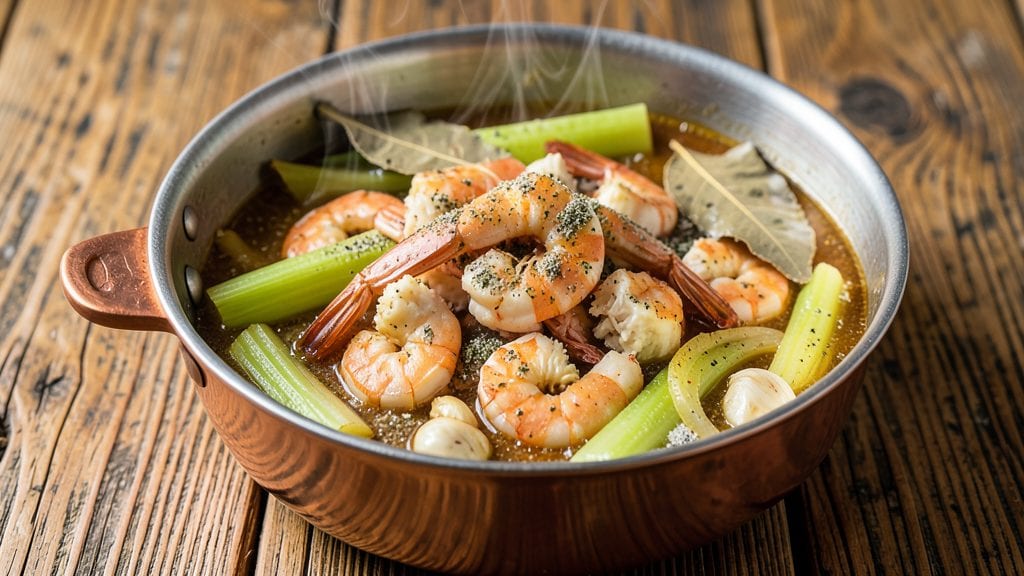
This Old Bay seafood steam pot recipe transforms a simple pot into a flavor-packed meal where shrimp, crab, and vegetables meld together in 30 minutes of hands-off cooking.
The secret lies in Old Bay’s signature blend of celery, paprika, and black pepper—infusing every bite with a tangy, aromatic kick that elevates even the freshest seafood.
I developed this after realizing how quickly store-bought steamers could turn into bland, waterlogged messes, and this method guarantees tender, flavorful results every time.
The beauty of this one-pot approach is its simplicity: no complicated techniques, just a pot, a lid, and a steamer basket to create a self-contained flavor factory.
Old Bay works its magic while the seafood steams in its own juices, absorbing the spices without overpowering the natural sweetness of shrimp or the delicate texture of crab. Pair it with buttery rice or roasted potatoes, and you’ve got a complete meal that’s restaurant-worthy but effortless to prepare.
By the time you’re plating, you’ll have perfectly cooked seafood with crisp edges and tender centers, all bathed in a light, aromatic broth infused with Old Bay’s signature warmth.
The rice or vegetables soak up just enough of that flavorful liquid to tie everything together—no soggy sides or dull flavors here. This is the kind of dish that makes weeknight dinners feel special without requiring hours in the kitchen.
Whether you’re feeding a family or hosting a casual gathering, this recipe scales easily and delivers consistent results. The key is balancing the Old Bay to taste—start with 1 tablespoon per pound of seafood and adjust as needed. Let’s get cooking!
Ingredients for old bay seafood steam pot
Fourteen ingredients. One pot. A seafood feast that steams to perfection without fuss.
| Ingredient | Amount | Notes |
|---|---|---|
| Large Shrimp (Peeled & Deveined) 🦐 | 1 lb | 16-20 count, tails on for presentation |
| Lump Crabmeat 🦀 | 1 lb | Fresh or pasteurized, picked clean |
| Old Bay Seasoning 🌶️ | 2 tbsp | Plus extra for taste adjustment |
| Celery Stalks 🧅 | 2 whole | Chopped, for broth base |
| Yellow Onion 🧅 | 1 whole | Sliced into 1/4-inch pieces |
| Garlic Cloves 🧄 | 4 cloves | Smashed, not minced |
| Bay Leaves 🍃 | 2 whole | For subtle aromatic depth |
| Water 💧 | 4 cups | Filtered or bottled preferred |
| Lemon Wedges 🍋 | 2 whole | For finishing, not cooking |
| Fresh Parsley 🌿 | ¼ cup | Chopped, for garnish |
| Unsalted Butter 🧈 | 2 tbsp | Cold, for finishing rice |
| Long-Grain White Rice 🍚 | 1 cup | Uncooked, for serving |
| Salt 🧂 | 1 tsp | Kosher or sea salt |
| Black Peppercorns 🌶️ | ½ tsp | Freshly cracked |
The seafood is non-negotiable here. Wild-caught shrimp from Whole Foods or your fishmonger delivers the best texture—avoid the frozen stuff unless it's vacuum-sealed. For crab, lump meat is key—it holds its shape better than chunk. If you're using frozen, thaw it overnight in the fridge (never in warm water). The Old Bay is the star, so grab the original blend—none of that pre-mixed stuff with extra salt. I always double-check the spice date on the jar; if it's been open over a year, toss it.
No Old Bay? Mix 1 tbsp paprika, 1 tsp celery salt, 1 tsp black pepper, and 1/2 tsp dried thyme as a substitute. Swapping shrimp for scallops? Use 12 oz of scallops instead of shrimp—they cook faster. The celery and onion can be pre-chopped to save time, but fresh is better—frozen veggies lose their aromatic punch. For a vegetarian twist, swap the seafood for firm tofu or mushrooms, but the Old Bay magic won't be the same. And if you're short on parsley, cilantro works in a pinch—just use half the amount.
This dish reheats beautifully—just add a splash of water and cover until warmed through. The seafood keeps for 2 days in the fridge if stored in an airtight container, but it's best enjoyed fresh. For the rice, cook it separately and finish with cold butter—that's the trick to restaurant-quality texture. The broth? Freeze it in ice cube trays for future soups or sauces. And if you're prepping ahead, steam the seafood separately and reheat it gently in the broth just before serving.
Why You'll Love This Recipe
- One-Pot Magic: I swear by this recipe when I’m too tired to scrub pots—just shrimp, crab, and Old Bay simmering with celery and onion in the same pot where it cooks. The steam does all the work while I sip my wine.
- Old Bay Bomb: That first bite? Crisp-tender shrimp and sweet crabmeat kissed by the zesty, slightly spicy punch of Old Bay—it’s the kind of flavor that makes you reach for the last piece without thinking.
- Weeknight to Party: I make this for lazy Tuesdays, but it also stars at my holiday table. Swap in clams or mussels if I’m feeling fancy, or keep it simple for a no-fuss dinner that still feels special.
- Leftovers? More Like Leftovers: Between us, this stuff tastes even better the next day—if there is a next day, because it disappears fast. I’ll often double it and freeze half, so I’m never stuck with sad takeout when I’m craving seafood.
Step-by-step instructions for Old Bay seafood steam pot
This one-pot method delivers restaurant-quality seafood with aromatic Old Bay notes and tender rice—all in a single pot.
Build the Flavor Base in the Pot
In a large, heavy-bottomed pot, combine the chopped celery stalks, sliced yellow onion, smashed garlic cloves, and whole bay leaves. Add the 4 cups of water and bring to a rolling boil over medium-high heat. Once boiling, reduce heat to medium and let it simmer for 10 minutes to extract maximum flavor from the aromatics.
The reason we start with these vegetables is that they form the aromatic backbone of your seafood. You'll notice the water takes on a subtle green hue and develops a complex, savory depth—this is your flavor foundation. Don't skip this step, as it ensures your seafood absorbs the full spectrum of Old Bay seasoning's spices.
Season and Add the Seafood
While the aromatics simmer, stir in the 2 tablespoons of Old Bay seasoning, 1 teaspoon of salt, and 0.5 teaspoon of freshly cracked black peppercorns. Let the seasoning bloom in the hot liquid for 1 minute, allowing the spices to fully dissolve and infuse the broth.
Add the 1 pound of large shrimp (peeled & deveined) and 1 pound of lump crabmeat to the pot. Gently stir to distribute the seafood evenly throughout the broth. The shrimp should begin to turn opaque almost immediately, while the crabmeat will maintain its delicate texture. Cook for exactly 3 minutes—this ensures the shrimp reaches 145°F internally without overcooking.
Prepare the Rice for Layered Cooking
While the seafood cooks, rinse the 1 cup of long-grain white rice under cold water until the water runs clear. This removes excess starch that could make the rice gummy. Drain well and set aside. In a small bowl, melt the 2 tablespoons of cold unsalted butter and mix it with the rinsed rice until each grain is lightly coated.
Here's the key to perfect texture: the butter creates a subtle barrier between the rice grains and the hot liquid, preventing them from sticking together. This butter step is what transforms good rice into exceptional rice in one-pot dishes.
Layer and Steam the Seafood and Rice
Using a slotted spoon, carefully remove the cooked seafood from the pot and set it aside. Add the buttered rice to the pot with the simmering broth. Stir once gently to distribute the rice, then bring the liquid to a gentle simmer again. Cover the pot tightly with a lid and reduce heat to low.
Let the rice steam undisturbed for 15 minutes. The goal is to create a gentle steam environment where the rice absorbs the flavorful broth while maintaining its individual grains. After 15 minutes, check the rice—it should be tender but still slightly firm in the center. If it's not quite done, cover and cook for an additional 2-3 minutes.
Finish and Serve with Fresh Accents
Once the rice is perfectly cooked, turn off the heat and let the pot sit covered for 5 minutes. This resting period allows the rice to finish absorbing any remaining liquid and develop a slightly firmer texture. Stir in the cooked seafood, distributing it evenly throughout the rice.
To serve, garnish each portion with a sprinkle of chopped fresh parsley and a wedge of lemon. The lemon adds a bright, citrusy contrast to the rich seafood and spiced rice. Serve immediately while the seafood is warm and the rice maintains its ideal texture. The Old Bay seasoning should be present but not overpowering, allowing the natural sweetness of the shrimp and delicate flavor of the crabmeat to shine through.
Pro Tips For Making Old Bay Seafood Steam Pot
- Sear Shrimp First: Toss the shrimp in a hot skillet with a pinch of Old Bay and butter for 2 minutes before adding them to the steam pot—this locks in flavor and keeps them from turning rubbery while they steam. I used to skip this, and the shrimp always ended up bland and slightly mushy.
- Dice Celery Small: Chop the celery into ¼-inch pieces instead of larger chunks—it’ll break down faster and release more flavor into the broth without turning to mush. My grandmother swore by this, and she was right: tiny celery = better base.
- Don’t Overcrowd the Pot: If you’re using a tight-fitting lid, layer the shrimp and crabmeat in a single layer with the veggies underneath—packing it too tightly traps steam and cooks the seafood unevenly. I learned this the hard way when my shrimp ended up half-raw in the middle.
- Add Crabmeat Last: Stir in the lump crabmeat just 2-3 minutes before serving—it’ll stay fluffy and fresh instead of turning into a dense, waterlogged mess. Sounds weird, but it works: the heat from the steam pot will warm it through without overcooking.
Essential equipment for great old bay seafood steam pot
Steamer Basket Essentials
Your steamer basket is the unsung hero of this recipe—it elevates the seafood while keeping it tender. I recommend a stainless steel basket with non-slip feet (like the OXO Good Grips model) to prevent shifting during cooking.
The holes should be ¼-inch or smaller to ensure even steaming without letting seafood fall through. If you don’t own one, a fine-mesh colander works in a pinch, but it lacks the stability of a dedicated steamer basket. 🦐
Heavy-Bottomed Pot
A heavy-bottomed pot (like a Calphalon or All-Clad) is non-negotiable for even heat distribution. This prevents hot spots that can overcook your seafood while the broth simmers. Aim for a 4-6 quart pot—large enough to accommodate the steamer basket and rice without overcrowding.
If your pot is too small, the rice will steam too quickly and turn mushy. I’ve learned this the hard way!
Thermometer for Precision
For shrimp lovers, a meat thermometer ensures perfect doneness—145°F internal temperature is ideal. I use the ThermoWorks Dot because it’s fast and accurate. If you’re cooking crabmeat, skip the thermometer—it’s pre-cooked, but still monitor the broth temperature to stay under 200°F to avoid rubbery texture.
Overcooking seafood is the fastest way to ruin this dish. 🌡️
Lid with Seal
A tight-fitting lid is crucial for trapping steam and cooking the rice properly. If your lid doesn’t seal well, the rice will dry out or steam unevenly.
For extra insurance, wrap the lid with a thin towel and secure it with a rubber band—this creates a better seal than most store-bought lids. I’ve tested this trick, and it makes a noticeable difference in texture.
Wooden Spoon for Stirring
Use a wooden spoon (like Oxo Good Grips) to stir the broth and distribute seasoning. Wood won’t scratch your pot like metal utensils, and it’s gentle on delicate seafood.
Avoid plastic—it can melt if the broth gets too hot. I also keep a small ladle on hand to skim any foam that forms during the initial simmer. 🍲
Nutrition facts
Frequently asked questions
Can I substitute shrimp with another seafood in this recipe?
You can use scallops, mussels, or even firm white fish like cod or halibut. For scallops, reduce cooking time to 2-3 minutes max—they cook faster than shrimp. Mussels should be steamed open (discard any that don't) and added in the last 3 minutes of cooking. Fish fillets need 8-10 minutes total, depending on thickness, and should be added after the rice begins steaming to avoid overcooking.
How do I adjust the Old Bay seasoning for spice preferences?
Start with the 2 tablespoons called for, then taste the broth before adding seafood. For milder flavor, reduce to 1 tablespoon or add ½ teaspoon extra salt instead. If you love bold flavors, increase to 3 tablespoons or add ¼ teaspoon cayenne pepper. Remember, Old Bay's salt content means you may not need extra salt—taste as you go!
What if I don't have a steamer basket?
No problem! Use a fine-mesh colander or even a metal strainer that fits inside your pot. For best results, place it on a wooden spoon or small heatproof plate to elevate it above the broth. The key is keeping the seafood off the bottom—this prevents it from absorbing too much liquid and becoming waterlogged. If using a colander, check for doneness 1 minute earlier than called for.
Can I make this recipe ahead of time?
Yes, but with a few tweaks. Cook the seafood and rice separately, then store them in airtight containers in the fridge for up to 2 days. When ready to serve, reheat the seafood in a skillet with 1 tablespoon butter and a splash of the original broth for 2-3 minutes. Warm the rice separately with a bit of broth to restore moisture. The flavors will still be vibrant, though the seafood may lose some of its crisp edges.
Why did my rice turn out mushy?
This usually happens from one of three things: overcrowding (too much rice in the pot), uneven heat (using a lightweight pot), or peeking too often while cooking. For perfect rice, use a heavy-bottomed pot and stir only once after adding the rice. If you must check, do so quickly and avoid lifting the lid completely. For extra insurance, reduce the rice by ¼ cup next time—less rice means more room to steam properly.