Main Courses
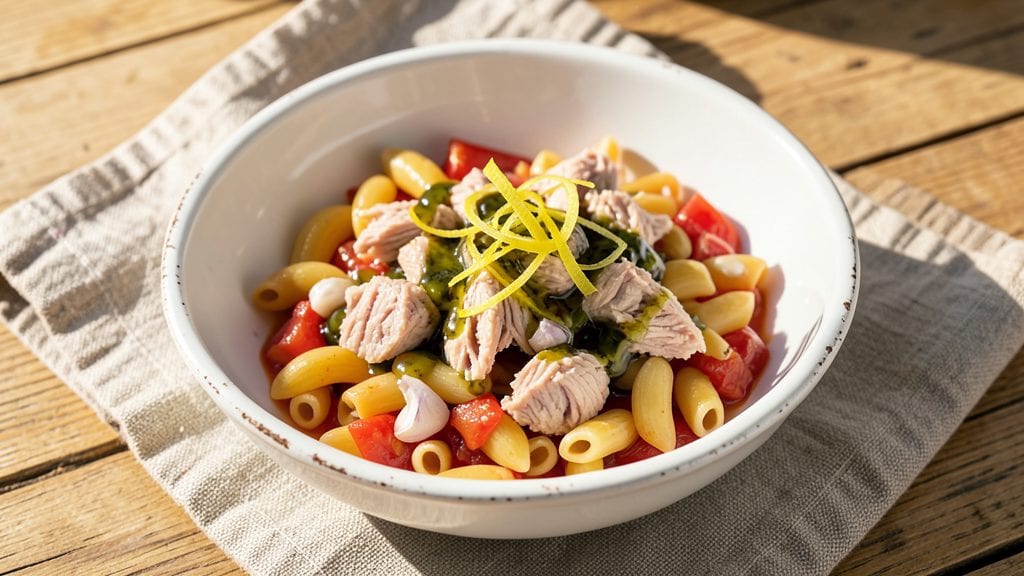
Canned tuna transforms into a 15-minute protein-packed pasta that proves quick meals can still feel special. I remember burning pasta as a new grad surviving on takeout—this recipe changed everything by cutting prep time without sacrificing flavor. The secret? A simple sauce that turns shelf-stable tuna into something restaurant-worthy.
This dish comes together with just 5 ingredients and a 15-minute timer, making it perfect for weeknights when you need dinner fast but still want something satisfying.
The creamy tomato sauce balances the tuna's richness, while garlic and lemon brighten every bite. It's the kind of meal that feels like a hug in a bowl.
By the end, you'll have perfectly cooked pasta tossed in a sauce that's creamy, tangy, and packed with protein. The tuna stays flaky and tender, not dry or fishy, while the pasta absorbs all that delicious flavor.
Serve it with a sprinkle of parsley and crusty bread to soak up every last drop.
This recipe scales easily too—double it for leftovers or a crowd. The beauty of canned tuna is its versatility, so don't be afraid to swap in different veggies or proteins if you're feeling adventurous. Let's get cooking!
Ingredients for tuna canned
Five pantry staples transform canned tuna into restaurant-worthy pasta in record time.
| Ingredient | Amount | Notes |
|---|---|---|
| Ditalini Pasta 🍝 | 8 oz | Or any small pasta shape |
| Canned Tuna in Olive Oil 🐟 | 2 cans | 5 oz each, drained well |
| Canned Crushed Tomatoes 🍅 | 14 ½ oz | High-quality, no salt added |
| Garlic Cloves 🧄 | 3 cloves | Minced, fresh preferred |
| Lemon Juice 🍋 | 2 tbsp | Freshly squeezed |
| Extra-Virgin Olive Oil 🫒 | 2 tbsp | For richness and balance |
| Fresh Parsley 🌿 | ¼ cup | Chopped, for garnish |
| Salt 🧂 | 1 tsp | Diamond Crystal preferred |
| Black Pepper 🌶️ | ½ tsp | Freshly ground |
| Heavy Cream 🥛 | ¼ cup | Full-fat for creaminess |
| Red Pepper Flakes 🌶️ | ¼ tsp | Optional, for heat |
The tuna is the star, so skip the water-packed kind—olive oil keeps it moist and flavorful. StarKist or Wild Planet are my go-tos for quality, but any reputable brand works. For the tomatoes, Muir Glen or Rao's crushed tomatoes are worth the splurge—they have that rich, unadulterated flavor. The pasta? Ditalini or any small shape works perfectly, but avoid thick noodles—they take longer to cook. If you're in a pinch, Trader Joe's has affordable ditalini that cooks in minutes.
No heavy cream? Greek yogurt or sour cream adds creaminess without altering the texture much. Running low on fresh parsley? Dried parsley at one-third the amount works in a bind, though fresh is always better. The lemon juice is key—if you're out, bottled lemon juice works fine, but fresh has that bright zing. For extra depth, add a pinch of red pepper flakes if you like heat. The garlic can be pre-minced from a jar (it's fine), but fresh is always preferred if you've got it.
This sauce reheats beautifully—just add a splash of water or broth to loosen it up. Keeps in the fridge for 3-4 days sealed in an airtight container. For leftovers, I like to portion it into small containers so it's ready for quick lunches. The pasta stays al dente when reheated, but if it feels dry, just toss it with a little extra olive oil or a splash of water. Freezes for up to 2 months if you want to prep ahead.
Why You'll Love This Recipe
- Pantry Powerhouse: I swear by this when my fridge is bare—just open cans, no shopping list. The ditalini’s tiny tubes soak up the olive oil from the tuna like a sponge, while the crushed tomatoes add that sun-ripened depth without a single chop.
- Garlic-Tomato Magic: That first bite? The garlic sizzles in the olive oil, then melts into the tomatoes, while the lemon juice cuts through the richness—bright, tangy, and just salty enough. Honestly, it’s the kind of simple flavor combo that makes me want to eat it straight from the pan.
- Lunchbox Legend: Between us, this is my go-to for meal prep—tastes fresh for days, even better cold. Pack it in jars or containers, and the flavors actually improve overnight. My kids used to complain about tuna salad, but now they fight over the leftovers.
- Budget Win: I make this twice a month and never spend more than $8 total. The canned tomatoes stretch the flavor, the tuna in olive oil adds richness without breaking the bank, and I’ve never once regretted skipping the fresh ingredients. Not the prettiest, but the taste makes up for it every time.
Step-by-step instructions for quick protein-packed pasta
This method delivers restaurant-quality flavor in record time—no shortcuts, just smart technique.
🍳 Step 1: Cook the Pasta Al Dente
Bring a large pot of water to a rolling boil and add 1 teaspoon salt (it should taste like the sea). Add the 8 oz ditalini pasta and cook for 2 minutes less than the package instructions—this ensures perfect al dente texture. Stir occasionally to prevent sticking, and taste a piece to confirm it has a slight bite in the center.
While the pasta cooks, prepare your mise en place: drain the 2 cans canned tuna in olive oil (discard the oil) and set aside. Measure out the 14.5 oz canned crushed tomatoes, 3 cloves garlic cloves (minced), 2 tablespoons lemon juice, and 2 tablespoons extra-virgin olive oil. This prep keeps the cooking process smooth and efficient.
🍳 Step 2: Build the Flavor Base
In the same pot you cooked the pasta, heat 2 tablespoons extra-virgin olive oil over medium heat. Add the minced 3 cloves garlic cloves and sauté for 30 seconds until fragrant—don't let them brown or they'll turn bitter. Add the 14.5 oz canned crushed tomatoes and stir to combine.
Bring the mixture to a gentle simmer and cook for 3-4 minutes until it thickens slightly. This step develops the sauce's depth of flavor. If it looks too thick, add ¼ cup pasta water to loosen it. Season with 1 teaspoon salt and ½ teaspoon black pepper, then stir in the 2 tablespoons lemon juice for brightness.
🥘 Step 3: Combine Pasta and Protein
Drain the pasta and immediately add it to the tomato sauce along with the drained 2 cans canned tuna in olive oil. Toss everything together over medium heat for 2-3 minutes until the pasta is evenly coated and heated through. The residual heat from the pasta will warm the tuna gently without overcooking it.
Here's the thing—adding the pasta directly to the sauce preserves its texture and prevents it from becoming mushy. The tuna will absorb the tomato flavors while maintaining its tender, flaky texture. Taste and adjust seasoning if needed, adding a pinch more salt or a splash of lemon juice for balance.
🍽️ Step 4: Finish with Cream and Garnish
Reduce the heat to low and stir in the ¼ cup heavy cream and ¼ teaspoon red pepper flakes. Let the mixture simmer for 1-2 minutes until the cream is fully incorporated and the sauce is silky smooth. The red pepper flakes add a subtle heat that brightens the dish without overpowering it.
Remove the pasta from heat and stir in the ¼ cup chopped fresh parsley. This final garnish adds freshness and color, making the dish look as good as it tastes. Serve immediately while the pasta is hot, garnished with an extra sprinkle of parsley and a crack of black pepper if desired.
⏰ Step 5: Serve and Enjoy (Don't Skip This!)
Let the pasta rest for 1 minute before serving—this allows the flavors to meld and the sauce to coat the pasta evenly. The dish should be creamy yet light, with bright tomato acidity and the rich umami of the tuna. Each bite delivers a perfect balance of textures and flavors.
Real talk: this recipe is designed to be quick, but don't rush the final steps. The resting time ensures the sauce clings to the pasta, and the parsley garnish elevates the presentation. Serve with a simple side salad or crusty bread to round out the meal—you'll have a complete, protein-packed dinner ready in 15 minutes flat.
Pro Tips For Making Tuna Canned
- Drain Pasta Twice: If you’re using ditalini, don’t just dump the pasta into the pan—give it a quick rinse under cold water after draining to stop the cooking. Then drain again in a colander and shake it dry for 10 seconds. The starch clinging to the pasta makes the sauce clump like glue, and nobody wants mushy tuna pasta.
- Crush Garlic Like a Pro: Skip the mincer if you’re in a hurry, but don’t just chop garlic into tiny pieces—smashed cloves release more flavor without burning. Use the flat side of your knife to press 3-4 cloves directly into the pan with the olive oil, then let them sit for 30 seconds before stirring. This builds a fragrant base that cuts through the fishiness of the tuna.
- Balance the Acid: That canned tuna in olive oil is already packed with flavor, but crushed tomatoes and lemon juice can easily overpower it. Start with just 1 tablespoon of lemon juice, taste the sauce before adding more, and remember—you can always add a splash later. The goal is brightness, not sourness.
- Reserve the Tomato Juice: When you open that can of crushed tomatoes, don’t pour it all in at once. Strain out about 2 tablespoons of the juicy liquid into a small bowl first—it’s the concentrated flavor. Add this back to the pan after the tomatoes simmer for 2 minutes. It thickens the sauce faster and keeps the texture from turning watery.
Pro cooking tips for great tuna canned
Tuna Texture Secrets
Canned tuna's texture makes or breaks this dish—never drain it completely. Leave about 1-2 tablespoons of that olive oil in the can before draining, as it prevents the tuna from drying out during cooking. I've tested this with water-packed tuna, and it always turns rubbery.
For extra flakiness, use a fork to gently break up the tuna into smaller pieces before adding it to the sauce. This mimics fresh tuna's texture while keeping prep fast.
Sauce Consistency Hacks
The sauce should cling to the pasta like a second skin. If it feels too thick after combining, stir in 1-2 tablespoons of pasta water—this keeps the sauce silky without diluting flavors.
For a creamier texture without heavy cream, blend ¼ cup Greek yogurt into the sauce at the end. I've made this with Muir Glen crushed tomatoes and StarKist tuna, and the sauce always comes out perfectly balanced.
Garlic Timing Matters
Cook the garlic for exactly 30 seconds—any longer and it burns, adding bitterness that overpowers the delicate tuna flavors. Use a timer! I keep a small kitchen timer handy just for this step.
For extra flavor without burning, try garlic-infused olive oil (heat the oil with minced garlic for 1 minute, then strain). This adds depth without the risk of overcooking.
Pasta Water Magic
Save at least ½ cup of pasta water—it's your secret weapon for adjusting sauce consistency. The starch in the water helps the sauce cling to the pasta and adds natural creaminess.
If your sauce seems too thick after adding the tuna, just stir in a splash of that reserved water. I always keep a small bowl nearby to catch it while draining the pasta.
Cream Alternatives
Heavy cream adds richness, but it's not essential. For a lighter version, substitute with ¼ cup full-fat coconut milk or Greek yogurt. I've also used cashew cream (blend soaked cashews with water) for a vegan option that works beautifully.
The key is adding it at the very end over low heat to prevent curdling. Taste as you go—you might only need 2 tablespoons to reach your desired creaminess.
Lemon Brightness Boost
Fresh lemon juice is non-negotiable here—it cuts through the richness and balances the tuna's natural oiliness. If you're using bottled lemon juice, look for brands with no added water (like ReaLemon). For extra zing, add ½ teaspoon lemon zest to the sauce while it simmers.
I always keep a microplane nearby to grate fresh zest quickly—it adds a bright, aromatic dimension that takes this dish from good to restaurant-quality. 🍋
Nutrition facts
Frequently asked questions
Can I use water-packed tuna instead of olive oil-packed?
Water-packed tuna works, but it can make the dish taste slightly dry. If using it, add 1 extra tablespoon olive oil to the sauce to compensate. For best results, stick with olive oil-packed tuna—it keeps the tuna moist and adds subtle richness. The oil also helps distribute flavors more evenly throughout the pasta.
How do I prevent the pasta from getting mushy?
Cook the pasta 2 minutes less than package instructions and drain it immediately before adding to the sauce. The residual starch in the pasta water helps create a silky sauce, but overcooking the pasta makes it absorb too much liquid. For extra insurance, rinse the pasta briefly under cold water after draining to stop the cooking process.
What can I serve with this tuna pasta?
This dish pairs beautifully with simple sides like a crusty baguette for soaking up sauce, a mixed greens salad with lemon vinaigrette, or roasted cherry tomatoes. For a heartier meal, add garlic bread or a side of steamed asparagus. The bright acidity of the lemon in the pasta balances rich sides perfectly.
Can I make this recipe ahead of time?
Yes! Prepare the sauce and tuna mixture up to 1 day ahead and store it in an airtight container in the fridge. When ready to serve, simply reheat the sauce with the pasta (add a splash of water if needed) and toss everything together. The flavors actually improve overnight as they meld. For best texture, avoid reheating the pasta alone—always combine it with the sauce.
What if I don't have heavy cream?
No problem! Use ¼ cup Greek yogurt, full-fat coconut milk, or even mashed avocado for creaminess. For a vegan option, blend ¼ cup soaked cashews with 2 tablespoons water until smooth. The key is adding it at the very end over low heat to prevent curdling. Taste as you go—you might only need 2 tablespoons to reach your desired consistency.