
Side Dishes
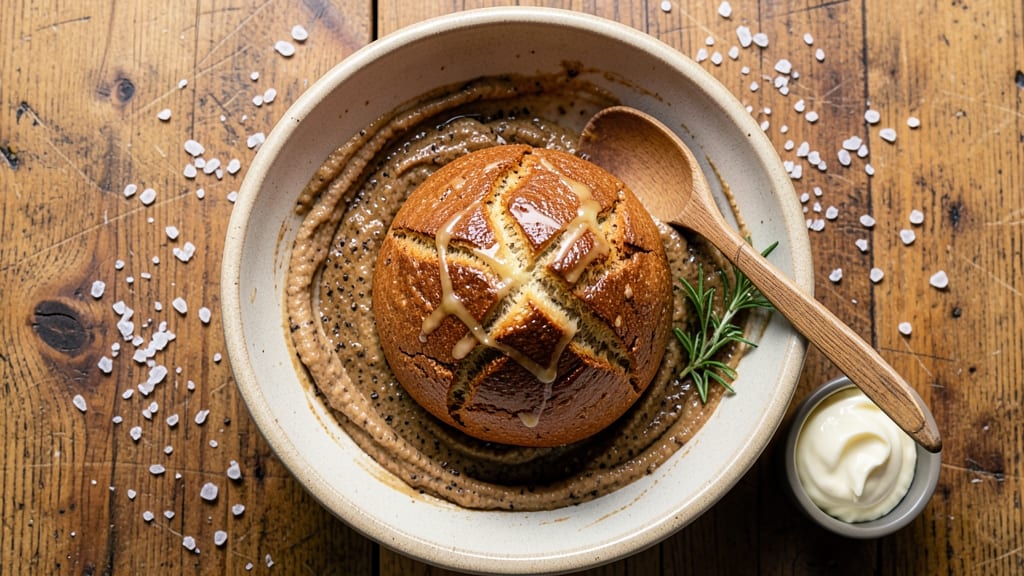
Mastering Amish rye bread delivers that perfect balance of crusty crunch and deep, tangy flavor—something store-bought loaves simply can’t match. This recipe stays true to traditional methods while adapting for modern kitchens, ensuring a loaf that’s both hearty and foolproof.
The secret lies in a long fermentation and precise mixing techniques that create that signature dense yet airy texture.
What sets this recipe apart is its reliance on a natural sourdough starter, which builds flavor over time and eliminates the need for commercial yeast. I’ve refined the process to include a 24-hour cold proof, a game-changer for flavor development without requiring overnight vigilance.
The result? A loaf with a crisp, golden crust and a crumb so tender it practically melts in your mouth.
By the time you pull this loaf from the oven, you’ll have a rustic masterpiece that pairs beautifully with soups, cheeses, or even butter straight from the jar.
The tangy depth comes from rye flour’s natural acidity, while the crust’s crackling texture makes every bite satisfying. This isn’t just bread—it’s a centerpiece for any table.
Whether you’re baking for a family gathering or simply craving homemade bread, this recipe delivers professional results with simple techniques. Let’s get started on creating your perfect loaf.
Ingredients for amish rye bread
Rustic rye flour, tangy starter, and cold butter—just eight ingredients transform into a loaf with golden crust and dense crumb.
| Ingredient | Amount | Notes |
|---|---|---|
| Active Sourdough Starter 🍞 | ½ cup | Unfed, bubbly culture |
| Rye Flour 🌾 | 3 cups | Dark rye, not light |
| All-Purpose Flour 🌾 | 2 cups | White or whole wheat |
| Unsalted Butter 🧈 | ½ cup | Cold, cubed (not melted) |
| Granulated Sugar 🍚 | 1 tbsp | White or brown |
| Instant Yeast 🍄 | ¼ tsp | Optional, for backup |
| Diamond Crystal Kosher Salt 🧂 | 1 ½ tsp | Fine grain preferred |
| Cold Water 💧 | 1 ½ cups | Chilled from fridge |
| Honey 🍯 | 1 tbsp | Raw, liquid form |
| Cornmeal 🌽 | ¼ cup | For dusting loaf pan |
| Coarse Sea Salt 🧂 | ½ tsp | For sprinkling crust |
The rye flour is non-negotiable here—King Arthur or Bob’s Red Mill are my go-tos for that deep, molasses-like flavor. Dark rye (not light) delivers the signature tang. If you can’t find it, Pillsbury dark rye works in a pinch, but the flavor won’t be as complex. The sourdough starter should be active and bubbly—if it’s sluggish, feed it 12 hours before baking. For butter, Plugrá or Land O’Lakes unsalted work best when cold and cubed, not softened. The cold water helps develop gluten slowly, so don’t skip chilling it.
No sourdough starter? Add 0.25 tsp instant yeast to the dough for backup fermentation, but the flavor won’t be as authentic. Swapping rye flour? Whole wheat at 1:1 ratio works, but the texture will be denser. The honey can be maple syrup if you’re out, but honey’s enzymes help with browning. For the cornmeal, Bob’s Red Mill is my favorite—it toasts beautifully. If you’re gluten-free, substitute a 1:1 gluten-free flour blend, but expect a different crumb. The sea salt should be coarse for that signature crust—Maldon or Diamond Crystal are ideal.
This dough needs time—24-hour cold proof is key for flavor development. Store the dough in a proofing box or fridge for up to 48 hours if needed. The baked loaf keeps well in a bread box for 3-4 days, but it’s best eaten fresh. For longer storage, slice and freeze—reheats beautifully in a toaster or oven. Leftovers? Toast slices for French toast or bread pudding—they’re even better the second day.
Why You'll Love This Recipe
- Sourdough Shortcut: I keep an active starter in my fridge anyway—this recipe just uses what I’ve got. No extra yeast, no waiting for dough to rise overnight. Just mix, shape, bake, and you’ve got a loaf with that deep, tangy soul in under 2 hours.
- Butter-Sweet Crust: That little pat of butter and sugar in the dough? It turns the crust golden and crisp while keeping the inside tender. Honestly, it’s the kind of flavor that makes you pause mid-slice—like a hug in bread form.
- Weeknight Workhorse: I’ve used this for breakfast toast, sandwiches, and even as a side for soup. Freezes like a dream, so I bake a batch and pull out a slice whenever. (Yes, even on a Tuesday night when takeout feels like too much work.)
- No-Waste Loaf: Rye flour’s cheap, and this recipe stretches it with all-purpose flour—meaning fewer trips to the store. Plus, a loaf lasts me five days if I’m smart, or I’ll toss stale slices in the toaster for croutons. Zero guilt, all flavor.
Step-by-step instructions for Amish rye bread
This method delivers that signature Amish rye flavor—deep, tangy, and perfectly balanced with a crisp crust.
Mix the Sourdough and Wet Ingredients
In a large mixing bowl, combine the 0.5 cup active sourdough starter, 1.5 cups cold water, 1 tbsp honey, and 1 tbsp granulated sugar. Let this sit for 5 minutes while you prepare the dry ingredients. The starter should be unfed and bubbly—this is what creates the signature tang.
In a separate bowl, whisk together the 3 cups rye flour, 2 cups all-purpose flour, 1.5 tsp diamond crystal kosher salt, and 0.25 tsp instant yeast. The rye flour gives that distinctive earthy flavor, while the all-purpose flour adds structure. Sift if needed to avoid lumps, but don't overmix—just break up any clumps with your fingers.
Combine and Knead the Dough
Gradually add the dry ingredients to the wet mixture, stirring with a wooden spoon until a shaggy dough forms. The rye flour is heavy and absorbs moisture slowly, so don't rush this step. Once combined, turn the dough onto a lightly floured surface and knead for 8-10 minutes until smooth and elastic.
Here's the thing—rye dough is denser than wheat dough, so it won't be as springy. You're looking for a dough that's cohesive and no longer sticky to the touch. If it feels too dry, add 1 tablespoon of cold water at a time until it comes together. Wrap the dough in plastic wrap and let it rest at room temperature for 1 hour. This allows the gluten to relax and the flavors to meld.
Shape and First Rise
After the rest, punch down the dough gently to release any air bubbles. Shape it into a 9x5-inch loaf pan, pressing down firmly to fill the pan completely. Dust your hands with 0.25 cup cornmeal if the dough sticks—this prevents a gummy crust. Cover the pan loosely with plastic wrap and let it rise in a warm place for 1-2 hours, or until it's about 1 inch above the rim of the pan.
The dough should spring back slowly when poked—this indicates it's ready. If it doesn't rise much, don't worry; rye bread is denser. Just proceed when the dough feels slightly puffy. Preheat your oven to 375°F while the dough rises. This temperature ensures a crisp crust without burning the exterior.
Score and Bake for Crusty Perfection
Once the dough has risen, score the top with a sharp knife in a crosshatch pattern, cutting down about ¼ inch. Sprinkle the loaf evenly with 0.5 tsp coarse sea salt—this enhances the crust's crunch and balances the tangy flavor. Bake for 45-50 minutes, until the bread reaches an internal temperature of 190-200°F and the crust turns a deep golden brown.
Here's where the magic happens: The scoring allows steam to escape, creating that beautiful crust while preventing the loaf from cracking unevenly. If the top browns too quickly, tent the loaf with aluminum foil. The bread is done when it sounds hollow when tapped on the bottom. Let it cool in the pan for 10 minutes, then transfer to a wire rack to cool completely before slicing.
Rest and Serve for Maximum Flavor
Amish rye bread tastes best when fully cooled—at least 1 hour after baking. The crust will firm up, and the crumb will develop its full depth of flavor. Slice with a serrated knife for clean cuts, and serve with butter or your favorite jam. This bread keeps well for 3-4 days at room temperature, wrapped in a cloth, or freeze slices for up to 3 months.
The result should be a loaf with a crisp, caramelized crust, a dense yet tender crumb, and that unmistakable tangy rye flavor that Amish bread is famous for. The sourdough starter adds complexity, while the honey and butter create a subtle sweetness that rounds out the bite. Enjoy every slice—it's worth the effort!
Pro Tips For Making Amish Rye Bread
- Hydrate the Rye First: Mix your rye flour with warm water (about 120°F) and let it sit for 10 minutes before adding other ingredients—this softens the tough bran and makes the dough far easier to handle. I learned this the hard way after fighting a dense, sticky mess that refused to come together.
- Cold Butter Matters: Chill your unsalted butter until it’s just firm, then cut it into small cubes before mixing—this prevents overworking the dough and ensures even distribution for that signature tender crumb. My grandmother swore by this, and she was right: room-temp butter makes the bread greasy and gummy.
- Skip the Over-Kneading: Rye dough is delicate—stop mixing as soon as the ingredients just combine. Overworking it activates the gluten too much, and you’ll end up with a dense, chewy loaf instead of the light, slightly sour texture you want. Yes, even if it looks shaggy.
- Proof at Room Temp: Let the dough rise in a warm spot (75–80°F) for 4–6 hours, not overnight in the fridge—this gives the sourdough starter enough time to develop flavor without overfermenting. I was skeptical until I tried it: cold proofing makes the bread taste flat and dull.
Pro cooking tips for amish rye bread
Dough Temperature Control
Rye dough is finicky—too warm and it ferments too quickly, losing structure. Keep all ingredients, especially water and butter, cold (below 70°F). I use chilled stainless steel bowls from the fridge to mix everything, and I even place the dough in the fridge for 15 minutes after kneading.
This slows fermentation and prevents overproofing during the first rise. 🌡️
Autolyse for Better Gluten
Before adding salt or yeast, mix the flours and water alone for 20 minutes. This autolyse step hydrates the rye flour fully and develops gluten without overworking the dough.
Rye lacks gluten compared to wheat, so this technique improves texture. I tap the bowl gently every few minutes to distribute moisture evenly.
Cold Proofing Secrets
Skip the warm proofing box—cold proofing (refrigerating the dough overnight) deepens flavor and tightens the crumb. After the initial rise, wrap the dough tightly in plastic and refrigerate for 12-24 hours.
The slow fermentation enhances the sourdough tang. I set a timer to check every 8 hours—overproofing is harder to fix than underproofing!
Scoring Like a Pro
A sharp serrated bread knife (like Global’s 8-inch) cuts cleanly for even steam release. Score ¼-inch deep in a crosshatch pattern—this prevents cracks and creates a shatteringly crisp crust. Press firmly but don’t tear the dough.
For extra drama, add a shallow "X" in the center before baking. The salt sprinkle after scoring? Non-negotiable—it crystallizes beautifully on the crust. ✨
Steam for Crust Development
Rye bread needs steam to develop that caramelized crust. Place a baking stone on the lowest oven rack and pour ½ cup hot water into a tray on the middle rack. When you bake, close the oven door immediately—this traps steam for 15 minutes, then remove the tray.
The result? A deep amber crust with crackling layers. No baking stone? Use a cast-iron skillet on the oven floor.
Internal Temp Matters
Don’t rely on color alone—use an instant-read thermometer to check the internal temperature of 190-200°F. Rye bread continues cooking after removal, so pull it out when the crust is deep golden but not blackened.
If unsure, tap the bottom—it should sound hollow. Overbaking dries out the crumb, so resist the urge to peek early!
Nutrition facts
Frequently asked questions about Amish rye bread
Why does my Amish rye bread taste bland?
Rye bread needs time for flavors to develop. The sourdough starter must be active (bubbly and tangy), and the 24-hour cold proof is crucial for deep flavor. If your bread tastes flat, let the starter ferment longer before using or add 1 extra tablespoon of honey to enhance sweetness. Also, ensure you're using dark rye flour—light rye lacks the molasses-like depth.
Can I make this recipe without a sourdough starter?
Yes, but the flavor won't be as authentic. Replace the 0.5 cup starter with 1 cup warm water + 0.25 tsp instant yeast. For better results, use 1 tbsp apple cider vinegar (add to wet ingredients) to mimic the tang. The bread will still be good, but it’ll lack the complex depth of a true sourdough.
How do I fix a dense, gummy loaf?
Over-kneading or underproofing causes gummy texture. For future batches, knead only until the dough is smooth (8-10 minutes) and let it rest 1 hour after mixing. If your dough feels too sticky, add 1 tbsp flour at a time. For the current loaf, slice and toast thick pieces—the heat will crisp the exterior. Also, ensure your oven reaches 375°F and use steam (hot water tray) for proper crust development.
What’s the best way to store leftover rye bread?
Wrap cooled slices in parchment paper and store in an airtight container at room temperature for 3-4 days. For longer storage, freeze slices on a tray first (to prevent sticking), then transfer to a bag. To revive, toast or warm in a 350°F oven for 5-10 minutes. Never refrigerate—it dries out the crumb faster.
Can I add seeds or nuts to this recipe?
Fold in ¼ cup seeds (sunflower, flax, or sesame) or ½ cup chopped walnuts during the final kneading. For extra flavor, toast seeds/nuts in a dry pan for 3-5 minutes before adding. Just reduce the all-purpose flour by 2 tablespoons to maintain dough consistency. Poppy seeds or caraway seeds are classic choices for Amish-style bread.