
Main Courses
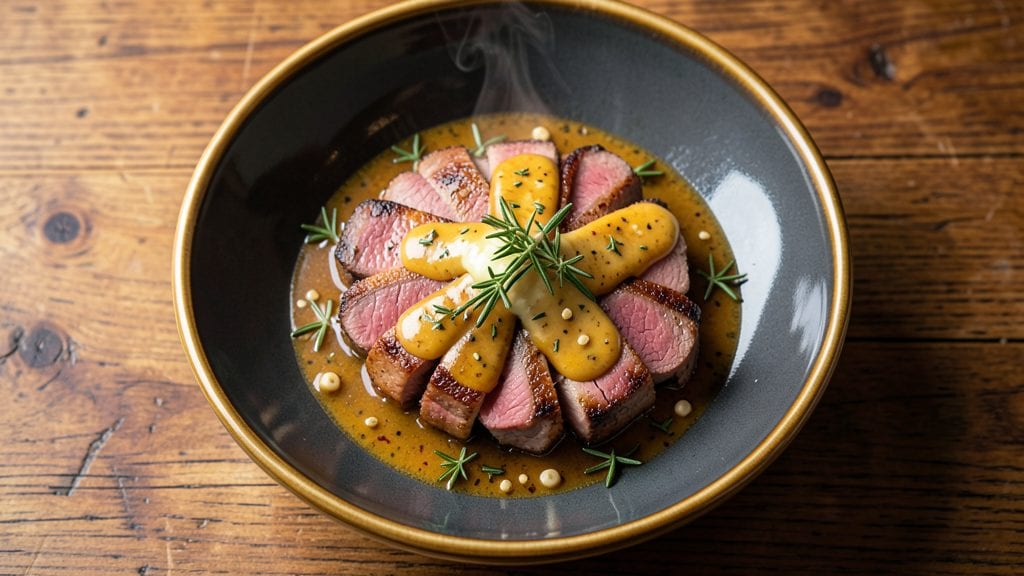
This veal loin recipe delivers tender, melt-in-your-mouth perfection with a golden herb butter crust that seals in every flavor. I first perfected it after years of experimenting with Italian techniques—my Nonna’s method for searing meat still guides me today.
The secret lies in the balance: high heat for that crispy crust, then a slow finish to keep the inside juicy and rich.
The process is straightforward but requires attention to timing—just like when I stood on a stool in my Nonna’s kitchen, watching her adjust the heat for the perfect gnocchi.
You’ll start with a dry brine to enhance tenderness, then sear the loin in a screaming-hot pan before finishing it in the oven. The herb butter crust isn’t just for flavor; it’s the difference between good and extraordinary.
What you’ll end up with is a restaurant-quality veal loin that’s crisp on the outside, velvety on the inside, and infused with aromatic herbs. The crust will crackle with every bite, revealing layers of savory richness beneath.
This is the kind of dish that makes weeknight dinners feel special—no fancy restaurant required.
Pair it with roasted root vegetables or a simple arugula salad to let the veal shine. The leftovers reheat beautifully, making this a meal worth repeating. Let’s get cooking—your taste buds will thank you.
Ingredients for veal loin
Nine ingredients transform into restaurant-quality veal with golden herb butter crust.
| Ingredient | Amount | Notes |
|---|---|---|
| Veal Loin 🥩 | 2 lb | Center-cut, 1.5-inch thick |
| Unsalted Butter 🧈 | ½ cup | Cold, cut into 1-inch cubes |
| Fresh Rosemary 🌿 | ¼ cup | Finely chopped, stems removed |
| Fresh Thyme 🌿 | ¼ cup | Leaves only, finely chopped |
| Garlic Cloves 🧄 | 6 cloves | Minced, fresh preferred |
| Kosher Salt 🧂 | 1 ½ tbsp | For dry brine, plus extra |
| Freshly Ground Black Pepper 🌶️ | 1 tsp | Cracked, not pre-ground |
| Extra-Virgin Olive Oil 🫒 | 2 tbsp | High smoke point for searing |
| All-Purpose Flour 🌾 | 2 tbsp | For dredging if needed |
| Dijon Mustard 🍯 | 1 tbsp | For extra depth of flavor |
| Fresh Parsley 🌿 | ⅛ cup | Chopped, for garnish |
| Dry White Wine 🍷 | ½ cup | For deglazing, optional |
| Vegetable Oil 🫒 | ¼ cup | For high-heat searing |
The veal loin is the star—center-cut and 1.5 inches thick for even cooking. I always grab mine from Whole Foods or a trusted butcher, asking for the most tender cut. Look for bright pink color and good marbling. Costco has good prices if you're buying in bulk, but ask for the loin to be trimmed of excess fat. The herbs? Fresh is non-negotiable—dried won't give you that aromatic punch. Rosemary and thyme should smell vibrant, not musty. If you're short on time, Trader Joe's sells pre-chopped herb blends that work in a pinch, though I always chop my own for that extra freshness.
No fresh rosemary? Substitute dried at one-quarter the amount, but trust me, it won't be the same. Running low on butter? Ghee works perfectly—it has a higher smoke point and adds a nutty depth. The Dijon mustard is key for that little tang, but yellow mustard in a pinch (just don't tell my Nonna). For the wine, any dry white works—Sauvignon Blanc or Pinot Grigio are classic choices. No wine? Chicken broth with a splash of lemon juice gets you close. The flour is just for dredging if your loin is slippery, but honestly, I've skipped it many times with no issues.
This dish reheats like a dream—warm it gently in the oven with a splash of water to keep it moist. Leftovers keep for 3-4 days in the fridge, but honestly, it's so good you won't have any. For make-ahead prep, brine the loin overnight and store it uncovered in the fridge. The crust will form partially, and it'll be ready to sear whenever you are. Freeze the cooked loin for up to 3 months—just thaw it in the fridge before reheating.
Why You'll Love This Recipe
- One-Pan Magic: I swear by this recipe—just sear the loin, toss in garlic and herbs, then let the butter baste it all. No flipping, no fussing, and the pan does half the work while you sip your wine. (Yes, even on a Tuesday night.)
- Herb-Infused Luxury: That rosemary-thyme butter? It’s the secret weapon. The crispy edges meet tender meat with layers of garlic aroma—like a fancy restaurant bite, but made in my kitchen. My daughter picks out the herbs first, but still asks for seconds.
- Weeknight to Weekend: Same recipe feeds two for a quiet dinner or six for company. Slice it thin for sandwiches the next day, or serve it whole with roasted potatoes—no extra prep needed. I’ll be real: it’s my go-to when I don’t want to think too hard.
- Leftovers That Don’t Suck: Unlike other roasts, this stays juicy and flavorful for days. I portion it into wraps for lunches or toss it into pasta—every bite tastes like the first. Honestly, the leftovers are often the best part.
Step-by-step instructions for pan-seared veal loin with herb butter crust
This method delivers melt-in-your-mouth veal with a rich herb butter crust that locks in every flavor.
Prepare the Herb Butter and Dry Brine the Veal
In a small bowl, combine the 0.5 cup unsalted butter, 0.25 cup finely chopped fresh rosemary, 0.25 cup fresh thyme, 6 minced garlic cloves, and 1 tbsp Dijon mustard. Mix until fully incorporated, forming a thick paste. Roll this mixture into a log shape and wrap tightly in plastic wrap. Chill in the refrigerator while you prepare the veal.
Pat the 2 lb veal loin dry with paper towels—this is crucial for achieving that perfect crust. In a bowl, mix 1.5 tbsp kosher salt and 1 tsp freshly ground black pepper. Rub this dry brine evenly over all sides of the veal, including the cut edges. Cover and refrigerate for at least 4 hours (or overnight for best results). This step ensures maximum tenderness and flavor penetration.
Sear the Veal to Golden Perfection
Heat a large skillet over medium-high heat and add 0.25 cup vegetable oil. Once the oil shimmers (about 2 minutes), carefully place the veal loin in the pan. Sear for 4 minutes per side until it develops a deep golden-brown crust. I press down gently on the veal during the first minute to prevent curling and ensure even contact with the pan.
If the pan isn't hot enough, the butter won't brown properly. You'll know it's ready when you see a rich, golden crust forming. Transfer the veal to a plate and tent loosely with foil to keep warm while you prepare the herb butter sauce.
Create the Herb Butter Sauce
Reduce the heat to medium and add 2 tbsp extra-virgin olive oil to the same skillet. Let it heat for 30 seconds, then add the chilled herb butter log. Allow it to melt completely, about 2 minutes, while stirring occasionally to prevent burning.
Pour in 0.5 cup dry white wine and scrape up any browned bits from the bottom of the pan. Let the wine simmer for 2-3 minutes until reduced by half. This step captures all the flavorful fond that's stuck to the pan, creating a rich sauce base.
Finish with Herb Butter and Rest
Return the veal to the skillet and spoon the herb butter sauce evenly over the top. Increase the heat to medium-high and cook for 2-3 minutes, basting the veal with the sauce until it's fully coated and the crust is sealed.
Transfer the veal to a cutting board and let it rest for 10 minutes before slicing. This resting period allows the juices to redistribute throughout the meat, ensuring each slice is moist and flavorful. During this time, keep the skillet warm over low heat if you plan to serve the sauce immediately.
Slice and Serve with Garnish
Slice the veal against the grain into ½-inch thick pieces. Arrange the slices on a warm platter and drizzle any remaining herb butter sauce from the skillet over the top. Sprinkle with 0.125 cup chopped fresh parsley for a pop of color and freshness.
Serve immediately with your choice of sides—roasted vegetables, mashed potatoes, or a simple green salad. The herb butter crust will be crispy and fragrant, while the interior remains tender and juicy. This technique transforms simple veal into a restaurant-worthy centerpiece.
Pro Tips For Making Veal Loin
- Pat the loin dry: The butter won’t cling properly if the meat’s damp—use paper towels to wipe it down before searing. I learned this the hard way when my crust kept sliding off like a sad soufflé.
- Sear in batches: A crowded pan steams instead of sears, and you’ll end up with sad, gray veal. Work in two batches if needed—high heat is non-negotiable for that golden crust.
- Don’t overcrowd the herbs: Fresh rosemary and thyme should perfume the butter, not hide in it. Roughly chop them (no need to mince) and scatter lightly over the top before adding butter—just enough to taste, not overwhelm.
- Rest under foil: Cutting into it too soon turns your perfectly cooked veal into a sad, juicy mess. Tent loosely with foil and let it sit for 5-10 minutes—your knife will thank you.
Troubleshooting this dish
Uneven Cooking
If your veal loin ends up unevenly cooked—some parts rare while others are overdone—it’s usually a temperature control issue. Veal cooks quickly, so the key is precision. I’ve found that using a meat thermometer is non-negotiable here. Aim for an internal temperature of 135°F (medium-rare) for perfect doneness.
If your pan isn’t hot enough during searing, the outer layer won’t develop a proper crust while the inside cooks through. For thicker cuts, reduce heat slightly after the initial sear to prevent overcooking the center. 🌡️
Dry or Tough Meat
Dry veal is a classic rookie mistake, and it usually happens when the meat isn’t rested properly or when the searing temperature is too high. First, always let the veal rest for 10 minutes after cooking—this allows juices to redistribute.
Second, don’t rush the searing process. If your pan is too hot, the outside will burn before the inside cooks. I like to start with medium-high heat and adjust as needed. A dry brine (as in the recipe) also helps retain moisture, so never skip this step.
For extra insurance, baste the veal with its own juices during the final minutes in the oven.
Butter Burning
Nothing ruins a dish faster than burnt butter, and it’s a common issue when making herb butter crusts. The secret is patience and temperature control. Always melt your herb butter over medium-low heat—never high.
If you see the butter starting to brown too quickly, remove the pan from heat and let it sit for a minute before stirring. I also recommend using a heavy-bottomed skillet (like my All-Clad Stainless Steel) to distribute heat evenly.
If it does burn, don’t panic—just scrape off the burnt bits and use the remaining sauce as-is; the flavor will still be delicious, just with a slightly smoky note.
Sauce Too Thin
A thin, watery sauce can happen if you don’t reduce the wine properly or if you add too much liquid. The key is to let the wine reduce by at least half before adding any extra liquids.
If your sauce is too thin, simmer it uncovered for another 2-3 minutes to thicken it. For extra richness, I sometimes add a pat of cold butter at the end, which helps emulsify the sauce naturally.
If you’re really struggling, a splash of heavy cream (just 1 tbsp) can rescue a thin sauce without overpowering the herb flavors. 🍲
Veal Sticking to Pan
If your veal keeps sticking to the pan, it’s usually because the surface isn’t hot enough or the meat isn’t dry. First, make sure your skillet is screaming hot before adding the oil—it should be shimmering but not smoking.
Second, pat the veal very dry with paper towels before searing. If it’s still sticking, lightly coat the pan with a tiny bit of flour before adding the oil. This creates a thin barrier that prevents sticking without affecting the flavor.
I’ve also had success with a well-seasoned cast-iron skillet, like my Lodge Pre-Seasoned, which develops a natural non-stick surface over time.
Overcooked Crust
An overcooked crust can turn your beautiful herb butter into a burnt, bitter mess. This usually happens if you leave the veal in the pan too long or if the heat is too high. The crust should take about 4 minutes per side—any longer, and it risks burning.
If you notice the butter starting to darken too quickly, remove the pan from heat and let it cool slightly before continuing. For extra insurance, I like to finish the veal in a 375°F oven for the last 5-7 minutes to set the crust without overcooking it.
This two-stage approach gives you the best of both worlds: a crispy exterior and a juicy interior.
Nutrition facts
Frequently asked questions
Can I substitute chicken or pork for veal in this recipe?
While you can technically use chicken or pork, veal's delicate texture and mild flavor make it the ideal choice. Chicken breast would dry out quickly, and pork needs longer cooking times. For a similar experience, try lamb chops or beef tenderloin—both have comparable tenderness when cooked rare. The herb butter crust works beautifully on either, but adjust cooking times accordingly.
How do I know when my veal loin is fully cooked?
Use a meat thermometer for precision—veal should reach 135°F for medium-rare (the perfect doneness). For thicker cuts, aim for 140°F to ensure even cooking. If you don't have a thermometer, cut into the thickest part: juices should run clear, not red. Never rely on color alone—veal can look cooked before it actually is.
Can I make this recipe ahead of time?
Brine the veal overnight in the fridge for maximum flavor. For the full dish, sear it just before serving, then finish in a 200°F oven for 10-15 minutes to reheat gently. The herb butter crust will soften slightly but still hold its flavor. Store leftovers in an airtight container for up to 3 days—they reheat beautifully with a splash of water.
What's the best way to store leftover herb butter?
Wrap any unused herb butter tightly in plastic wrap and refrigerate for up to 5 days. For longer storage, freeze it in portions for up to 3 months. To use frozen butter, thaw it in the fridge overnight. If the butter separates, just mix it gently before reheating—it'll come together perfectly when warmed. This butter works great on steaks, fish, or even toasted bread!
Why does veal cost so much compared to beef?
Veal comes from young cattle (under 3 months old) and requires specialized farming, which drives up prices. The tender meat comes from less muscle development, making it more expensive than beef. For budget-friendly alternatives, try beef tenderloin or pork loin—both offer similar tenderness when cooked properly. The flavor difference is subtle, but veal's delicate taste makes it worth the splurge for special occasions.