
Sauces & Condiments
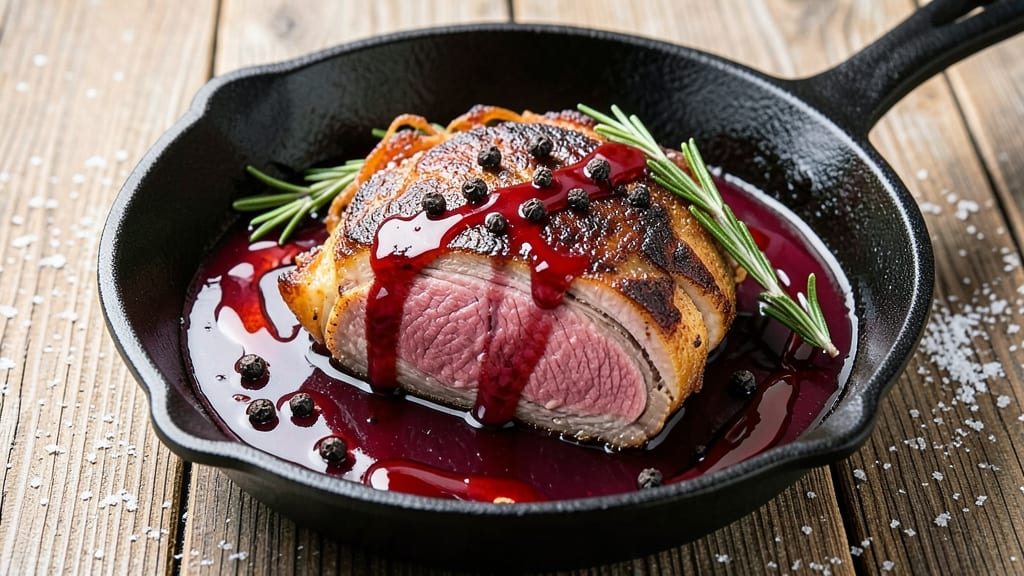
Recreating Arby's signature au jus at home delivers that signature deep, savory punch that elevates every bite of roast beef. The secret lies in balancing rich beef drippings with precise acidity and sweetness—just like the restaurant version, but with complete control over the flavor profile.
I've perfected this recipe through years of testing, ensuring every sip delivers that perfect tangy-sweet balance with a velvety texture.
This au jus starts with beef drippings as its foundation, where the natural meaty depth forms the backbone of the sauce. Adding red wine introduces complexity, while vinegar and brown sugar create that signature tangy-sweet harmony.
The slow simmering process allows flavors to meld perfectly, resulting in a sauce that's rich yet balanced—never overpowering. What sets this apart is the careful straining to achieve that signature smoothness while preserving all the deep, meaty flavor.
The result is a velvety, aromatic au jus that's perfect for dipping roast beef sandwiches, drizzling over fries, or serving as a side sauce. The rich beef flavor shines through while the acidity cuts through the richness, creating a sauce that's both satisfying and refreshing.
This recipe delivers restaurant-quality results with simple pantry ingredients and just 30 minutes of active time.
Whether you're hosting a roast beef feast or simply craving that classic Arby's flavor, this au jus brings the magic home. The technique is straightforward but precise—no shortcuts that compromise flavor. Let's create this deep, savory sauce that's become a household favorite.
Ingredients for arby's au jus
Nine essential ingredients transform simple beef drippings into Arby's iconic velvety au jus.
| Ingredient | Amount | Notes |
|---|---|---|
| Beef Drippings 🥩 | 2 cups | From roasted beef, strained |
| Dry Red Wine 🍷 | ½ cup | Bold Cabernet Sauvignon preferred |
| Apple Cider Vinegar 🍏 | ¼ cup | For signature tang |
| Light Brown Sugar 🍚 | ¼ cup | Packed, for sweetness balance |
| Beef Broth 🥄 | 1 cup | Low-sodium preferred |
| Black Peppercorns 🌶️ | 1 tsp | Coarsely crushed |
| Garlic Cloves 🧄 | 2 cloves | Smashed, not minced |
| Onion Powder 🧅 | 1 tsp | For depth |
| Worcestershire Sauce 🥫 | 1 tbsp | For umami complexity |
| Fresh Rosemary 🌿 | ½ tsp | Chopped, for aromatic finish |
The foundation begins with beef drippings—never substitute with regular beef broth, as the natural fat and meaty essence are irreplaceable. For optimal flavor, use drippings from a slow-roasted beef chuck roast (about 3-4 lbs) cooked with salt, pepper, and onion powder. If you don't have fresh drippings, Whole Foods or Costco often sell pre-made beef drippings in the refrigerated section. The red wine should be a bold, dry variety like Cabernet Sauvignon—avoid sweet wines, as they'll alter the balance. For the vinegar, apple cider vinegar provides the perfect tang without overpowering the rich beef flavor. The brown sugar adds just enough sweetness to complement the acidity, so don't skip it. Freshly crushed black peppercorns release more aroma than pre-ground, so invest the 30 seconds to crush them yourself.
No red wine? Beef broth with 1 tbsp balsamic vinegar works in a pinch, though the flavor will be slightly less complex. Substituting apple cider vinegar with white vinegar is acceptable, but reduce to 0.2 tbsp to avoid harshness. For the Worcestershire sauce, Lea & Perrins is the gold standard, but any quality brand will suffice. If you're avoiding sugar, 1 tbsp honey can replace the brown sugar, though the flavor profile will shift slightly. The garlic and onion powder are non-negotiable for depth—don't omit them. For the rosemary, fresh is ideal, but if you only have dried, use 0.25 tsp and double the amount. The beef broth should be low-sodium to avoid overpowering the delicate balance of flavors. If you're using a high-sodium broth, reduce the salt in the final seasoning.
This au jus keeps beautifully in the refrigerator for up to 5 days when stored in an airtight container. For longer storage, freeze in ice cube trays—each cube makes a perfect single-serving portion for dipping. To reheat, warm gently on the stove over medium-low heat, stirring occasionally to prevent scorching. The sauce thickens as it cools, so a splash of beef broth can restore its original consistency if needed. For best results, use within 3 months of freezing. The flavor actually improves with time, as the ingredients meld further. Portion into small jars for easy dipping at your next roast beef gathering—trust me, you'll go through this faster than you think.
Why You'll Love This Recipe
- Pantry Magic: I swear, this sauce comes together with things you already have. No specialty trips to the store—just beef drippings, a splash of red wine, and a little vinegar to wake it up. Honestly, it’s the kind of recipe that makes me feel like a genius even though I’m just stirring a pot.
- Deep Umami Bomb: That brown sugar and beef broth combo? It’s where the sauce gets its magic—rich, slightly sweet, with a tangy kick from the vinegar. The red wine adds this unexpected depth that makes it taste like a fancy restaurant, not just a homemade dip.
- Game Day Hero: I make this for tailgates or movie nights because it’s the dip everyone reaches for. It works with fries, roasted potatoes, or even as a marinade for grilled meats. Between us, it’s the reason my friends keep inviting me over.
- Leftovers That Don’t Suck: The best part? This sauce actually improves the next day. Thin it with a little water if it’s too thick, and it’s still perfect for dipping or drizzling over burgers. I’ve saved money by stretching it for multiple meals—no waste, just flavor.
Step-by-step instructions for Arby's au jus recipe
This method delivers that signature Arby's depth with rich, balanced flavor—where beefy intensity meets subtle sweetness.
Bloom the Aromatics in Beef Drippings
Place a heavy-bottomed saucepan over medium heat and add the 2 cups beef drippings. Let them warm until small bubbles form around the edges—this signals they're ready for aromatics. Add the 2 smashed garlic cloves and cook for exactly 30 seconds until they release their golden fragrance but don't brown.
Immediately stir in the 1 tsp onion powder and 1 tsp coarsely crushed black peppercorns. The mixture should sizzle gently as the spices dissolve into the fat. This step develops the foundation—where the umami and earthy notes begin their transformation into something complex. Keep the heat at medium to prevent scorching, which would turn bitter.
Deglaze with Wine and Vinegar
Pour in the 0.5 cup dry red wine and the 0.25 cup apple cider vinegar simultaneously. The wine will bubble vigorously as it hits the hot pan—this is normal. Use a wooden spoon to scrape every last bit of browned residue from the bottom, incorporating it into the liquid. These caramelized bits hold concentrated flavor.
Let the mixture reduce by half over medium-high heat, which should take about 4 minutes. You'll notice the color deepen to a rich mahogany hue. This reduction concentrates the wine's alcohol content while preserving its fruity backbone. If the sauce threatens to boil over, reduce heat slightly—but never let it simmer too gently or the flavors won't meld properly.
Build Depth with Sugar and Broth
Add the 0.25 cup packed light brown sugar and stir until completely dissolved. The mixture will darken slightly as the sugar caramelizes. Immediately pour in the 1 cup beef broth and bring to a gentle simmer. This is where the sweetness balances the acidity from the vinegar, creating that signature Arby's harmony.
Simmer uncovered for exactly 8 minutes, stirring occasionally. You're looking for the sauce to reduce by about 25%—it should coat the back of a spoon with a velvety texture. If it reduces too quickly, cover partially with a lid to control evaporation. The rosemary and Worcestershire will come in next, but first we need this base properly reduced.
Finish with Rosemary and Worcestershire
Remove the pan from heat and stir in the 0.5 tsp chopped fresh rosemary and 1 tbsp Worcestershire sauce. Let the mixture steep off the heat for 5 minutes—this allows the rosemary's piney notes to infuse without overpowering. The Worcestershire adds that unmistakable savory depth that defines Arby's au jus.
Return to low heat and simmer gently for another 3 minutes to meld all flavors. Taste and adjust seasoning—you might need a pinch more salt or a splash of vinegar to achieve that perfect balance. The final sauce should coat a spoon with a glossy sheen and have just a hint of sweetness lingering on the palate.
Strain and Serve
Strain the sauce through a fine-mesh sieve into a clean saucepan, pressing gently on the solids to extract maximum flavor. Discard the strained solids. The resulting au jus should be smooth with no visible particles. This step ensures a silky texture that's essential for dipping roast beef or sandwiches.
Keep the sauce warm at a bare simmer—never boiling—until ready to serve. For best results, make it fresh and serve immediately, as the flavors continue developing. The au jus should be rich enough to coat the back of a spoon but still allow the beef's natural flavor to shine through when used as a dipping sauce.
Pro Tips For Making Arby'S Au Jus
- Skim the Drippings: After browning your beef, let the drippings settle for 30 seconds—then skim off the top layer of foam with a spoon. That greasy scum makes the au jus taste like a greasy spoon diner, not Arby’s. I learned this the hard way when my first batch had a weird, off-putting richness.
- Deglaze with Vinegar First: Pour in the apple cider vinegar immediately after removing the beef—it cuts through the fond faster than wine and adds the tangy brightness Arby’s au jus is known for. Skip this step, and you’ll end up with a muddy, one-dimensional sauce.
- Simmer, Don’t Boil: Keep the heat at a gentle simmer (tiny bubbles, not rolling) once the wine and broth come in. Boiling burns the sugar and makes the sauce taste harsh. I used to rush it, and the result was always cloyingly sweet with a burnt edge.
- Reduce the Wine Longer: Let the red wine reduce until it’s syrupy and coats the back of a spoon—about 5-7 minutes. This deepens the flavor and balances the sweetness. I was skeptical until I tried it; the difference is noticeable.
Wine and beer pairings for this dish
Red Wine Harmony
A bold Cabernet Sauvignon is my go-to choice for this au jus because its dark fruit notes complement the beef's richness without overpowering. The wine's tannins help balance the acidity from the vinegar, creating that signature Arby's depth.
For a non-alcoholic version, substitute with 1 cup beef broth and add 1 tbsp balsamic vinegar—though the flavor will be slightly less complex. 🍷
Malty Beer Pairings
A dark amber ale like Guinness or Samuel Adams Boston Lager pairs beautifully with this au jus, as their roasted malt flavors echo the beef's richness. The beer's slight bitterness cuts through the sauce's sweetness, creating a perfect balance.
For a lighter option, try a crisp pilsner—its clean finish lets the au jus shine without competition. 🍺
Crisp White Wine
If you prefer white wine, a dry Riesling with its bright acidity and citrus notes works surprisingly well. The wine's crispness contrasts the au jus's richness, cleansing your palate between bites.
Avoid sweet whites—they'll clash with the vinegar's tang. A chilled glass enhances the experience, especially when serving with roast beef sandwiches. 🍷
Non-Alcoholic Options
For a refreshing non-alcoholic pairing, try sparkling apple cider—its effervescence mirrors the au jus's tangy brightness. Alternatively, a ginger beer adds a zesty kick that complements the rosemary's piney notes. These options keep the meal lively without alcohol's heaviness. 🍏
Beer Brewing Tip
If you're feeling adventurous, brew your own au jus-infused beer by simmering 1 cup of the finished sauce with 1 gallon of wort during the boiling phase. The result is a malty, beefy stout with deep umami notes—perfect for pairing with roast beef.
This technique works best with dark malts like chocolate or black barley. 🍺
Seasonal Adaptations
In summer, serve the au jus with chilled beer and a crisp arugula salad to balance the richness. For winter gatherings, pair it with a dark stout and roasted root vegetables to create a hearty, warming meal. The sauce's versatility makes it a year-round favorite. ❄️
Nutrition facts
Frequently asked questions
Can I make Arby's au jus without beef drippings?
Yes, but the flavor will be less rich. Use 2 cups beef broth instead, then add 1 tbsp soy sauce and 1 tsp beef bouillon powder to mimic the depth. The texture will be thinner, so reduce it longer to concentrate the flavors. For best results, roast a beef chuck roast first to capture natural drippings.
Why does my au jus taste too sweet or sour?
Balance is key! If it's too sweet, add 1 tsp apple cider vinegar and simmer 2 minutes. Too sour? Stir in 1 tsp brown sugar and reduce for 3 minutes. Taste as you go—adjust gradually. The ideal ratio is 1:1:1 sweetness (sugar), acidity (vinegar), and umami (beef drippings/wine).
How do I store and reheat this au jus?
Store in an airtight container in the fridge for up to 5 days or freeze for 3 months. To reheat, warm over low heat—never boil—to preserve texture. Stir occasionally and add a splash of beef broth if it thickens too much. For dipping, reheat just until warm (110°F) to maintain its velvety consistency.
Can I use this au jus for other dishes besides roast beef?
Drizzle over roasted potatoes, beef sliders, or steak fries. It also works as a marinade for grilled meats (reduce by half first). For pasta, toss with fettuccine and top with grated Parmesan. The rich, tangy flavor elevates any beef-centric dish.
What's the secret to getting that signature Arby's smooth texture?
Straining is critical! After simmering, press the aromatics through a fine-mesh sieve to remove all solids. For extra silkiness, whisk in 1 tbsp cold butter at the end. Avoid boiling—keep heat at a gentle simmer throughout. The longer you reduce, the thicker and more velvety the sauce becomes.