
Main Courses
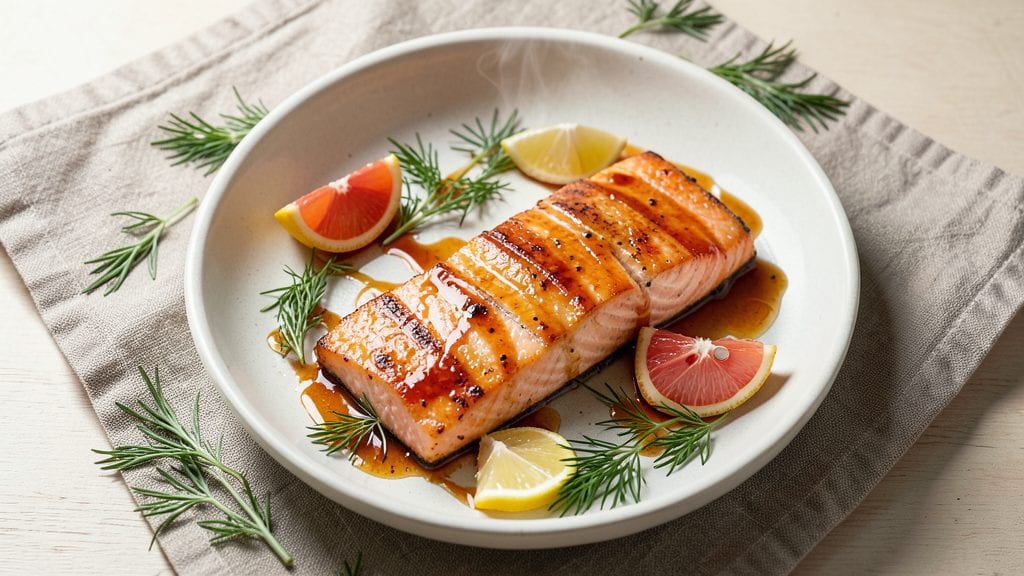
This baked skinless salmon fillet recipe delivers perfect flakiness every time with a bright honey-lemon glaze that balances sweetness and acidity. After years of testing, I’ve refined the technique to ensure tender, moist fillets with a caramelized crust—no overcooking or dryness here.
The secret lies in precise timing and a simple marinade that enhances the salmon’s natural flavor without masking it.
What sets this method apart is its foolproof approach for home cooks: skinless fillets cook faster and more evenly than their skin-on counterparts, making them ideal for beginners. The honey-lemon glaze not only adds moisture but also creates a subtle caramelized finish that elevates the dish beyond basic baked salmon.
With just 15 minutes of active prep and 12 minutes in the oven, this recipe transforms a simple protein into a restaurant-worthy centerpiece.
The result is salmon that flakes effortlessly at the touch of a fork, with a golden, glistening exterior that hints at the tender, buttery interior. The honey-lemon glaze adds a touch of brightness that cuts through the richness, making each bite both satisfying and refreshing.
This is the kind of dish that feels special without requiring advanced skills—just a few key steps and quality ingredients.
Pair it with roasted asparagus or a simple quinoa salad to round out the meal, or serve it as-is for a light yet elegant dinner. The recipe scales easily, so whether you're cooking for one or four, the method remains consistent.
Let’s get started on creating your perfectly baked salmon—no guesswork, just guaranteed results.
Ingredients for baked skinless salmon fillet
Quality ingredients ensure restaurant-worthy salmon with honey-lemon glaze every time.
| Ingredient | Amount | Notes |
|---|---|---|
| Skinless Salmon Fillets 🐟 | 1 ½ lb | Wild-caught preferred, even thickness |
| Extra-Virgin Olive Oil 🫒 | 2 tbsp | Lightly aromatic, not strong |
| Honey 🍯 | 2 tbsp | Wildflower or clover preferred |
| Fresh Lemon Juice 🍋 | 2 tbsp | From 1 medium lemon, freshly squeezed |
| Garlic Cloves 🧄 | 3 cloves | Minced, for marinade |
| Fresh Dill 🌿 | ¼ cup | Chopped, stems removed |
| Diamond Crystal Kosher Salt 🧂 | ¾ tsp | For seasoning, not iodized |
| Freshly Ground Black Pepper 🌶️ | ½ tsp | Coarsely ground |
| Unsalted Butter 🧈 | 1 tbsp | Melted, for basting |
| Fresh Asparagus 🌱 | 1 lb | Trimmed, for pairing |
| Quinoa 🌾 | ½ cup | Uncooked, for pairing |
| Lemon Zest 🍋 | 1 tsp | For garnish, finely grated |
The salmon selection is critical—wild-caught fillets deliver superior flavor and texture. Look for bright pink coloration and firmness when purchasing from specialty seafood counters like Whole Foods Market or Local Catch. If using frozen, thaw overnight in the fridge, never in warm water. The fillets should be even thickness (pound gently if needed) for consistent cooking. For optimal freshness, purchase the day you plan to cook and store wrapped in a damp paper towel in the coldest part of your fridge.
Substitutions should preserve the dish's balance. No fresh dill? Dried dill at one-third the amount works, though fresh is preferred. Short on honey? Maple syrup provides similar sweetness, though with a distinct flavor. The lemon juice must be fresh—bottled versions lack the bright acidity needed. For the olive oil, avocado oil is a neutral alternative if you prefer a milder taste. The butter can be substituted with olive oil for basting, though it won't caramelize as beautifully. Quinoa can be swapped for brown rice or couscous if preferred, though quinoa's protein content complements the salmon perfectly.
This recipe reheats beautifully—simply warm in the oven at 300°F for 5-7 minutes to maintain moisture. The honey-lemon glaze keeps for 3 days in the fridge if stored in an airtight container, though it's best used immediately. For meal prep, cook the salmon and store separately from the glaze, combining just before serving. The glaze can also be made ahead and stored in the refrigerator for up to 5 days. When serving, garnish with fresh lemon zest and extra dill for a restaurant-quality presentation.
Why You'll Love This Recipe
- No-Fuss Glaze: That honey-lemon drizzle takes five minutes to mix—just toss the olive oil, minced garlic, and a squeeze of lemon with the honey. Honestly, I’ve made it wrong twice (too much honey, once) and still ended up with salmon so good my picky husband didn’t ask for seconds.
- Crispy-Creamy Magic: The olive oil keeps it moist inside while the oven’s dry heat gives the edges that just-right crisp. Between us, that’s the combo I’ll fight for at dinner—no sad, rubbery fish here.
- Weeknight to Weekend: Same glaze works for a rushed Tuesday supper or a fancy-ish weekend spread. Serve it with roasted potatoes for a lazy night or over greens with asparagus for when you’re feeling dressed up. (Yes, even on a Tuesday night.)
- Leftovers That Don’t Suck: Baked salmon stays fresh for days, and reheated? It’s even better—just a quick zap in the microwave or a warm under the broiler. I’ve packed it in lunches, used it for salads, and even turned it into tacos. Zero waste, all win.
Step-by-step instructions for glazed honey-lemon salmon
Here's the method for achieving perfectly flaky salmon with a caramelized honey-lemon glaze every time.
Prepare the Honey-Lemon Marinade and Season the Salmon
In a small bowl, whisk together the 2 tablespoons extra-virgin olive oil, 2 tablespoons honey, 2 tablespoons fresh lemon juice, and the 3 minced garlic cloves. This marinade creates the perfect balance of sweet and acidic flavors that will caramelize beautifully on the salmon.
Place the 1.5 lb skinless salmon fillets on a plate and spread the marinade evenly over both sides. Sprinkle with the 0.75 teaspoon diamond crystal kosher salt and 0.5 teaspoon freshly ground black pepper. Let the salmon sit at room temperature for 15 minutes while you prepare the remaining components. This brief marinating time ensures the flavors penetrate without overcooking the delicate fish.
Cook the Quinoa and Prepare the Asparagus
Rinse the 0.5 cup quinoa under cold water to remove any bitterness, then combine with 1 cup water in a small saucepan. Bring to a boil, then reduce heat to low, cover, and simmer for 15 minutes until the water is absorbed and the quinoa is tender. Fluff with a fork and set aside.
While the quinoa cooks, trim the tough ends from the 1 lb fresh asparagus and cut each spear into 2-inch pieces. Spread on a baking sheet lined with parchment paper, drizzle with 1 teaspoon of the remaining olive oil, and toss to coat. Sprinkle with a pinch of salt and pepper. This preparation ensures the asparagus will roast evenly alongside the salmon.
Bake the Salmon to Perfect Flakiness
Preheat your oven to 375°F. Line a baking sheet with parchment paper and arrange the marinated salmon fillets in a single layer. Bake for 12-15 minutes, or until the salmon reaches an internal temperature of 145°F when measured with an instant-read thermometer. The edges should be just beginning to turn opaque, and the center should still appear slightly translucent.
During the last 2 minutes of baking, melt the 1 tablespoon unsalted butter in a small saucepan over low heat. Remove the salmon from the oven and immediately baste the top of each fillet with the melted butter, tilting the pan to coat evenly. This basting step adds richness and helps create a beautiful, glossy finish.
Assemble and Garnish for Presentation
Spoon the cooked quinoa onto serving plates, dividing evenly among the 4 servings. Top each portion with a salmon fillet and arrange the roasted asparagus alongside. Drizzle any remaining honey-lemon marinade from the baking sheet over the salmon, allowing it to caramelize slightly from the residual heat.
Garnish each serving with the 0.25 cup chopped fresh dill and the 1 teaspoon lemon zest. The bright green dill and citrusy zest not only enhance the visual appeal but also complement the sweet-savory flavors of the salmon. Serve immediately while the salmon is still warm and flaky.
Pro Tips For Making Baked Skinless Salmon Fillet
- Preheat Like a Pro: Your oven should hit 400°F (200°C) and stay there for 10 minutes before adding the salmon. I used to skip this, and the fish would steam instead of sear—now it gets that perfect golden crust from the honey glaze without sticking.
- Minimize Garlic Overload: Two cloves, minced or pressed, is plenty for two fillets—any more and the honey-lemon balance tips bitter. I learned this after burning my mouth on a dish that tasted like garlic ice cream.
- Pat Dry, Then Wait: After patting the salmon dry with paper towels, let it sit uncovered on the counter for 5 minutes. Wet skin = steam = rubbery fish. (Yes, even if you’re impatient like me.)
- Foil for the Finish: Fold a sheet of foil loosely over the salmon halfway through baking to trap steam and keep it moist. Then uncover for the last 3-4 minutes to let the honey caramelize. This isn’t the prettiest method, but it’s the tastiest.
Serving suggestions for this recipe
Elegant Plating Ideas
Serve your honey-lemon glazed salmon on a white ceramic platter to highlight the vibrant colors of the dish. Arrange the fillets horizontally with quinoa mounded slightly off-center, creating visual balance. Use a black slate board for a modern contrast or a wooden cutting board for rustic charm.
I love adding a sprig of fresh dill between each fillet to elevate the presentation effortlessly. 🌿
Side Dish Harmony
Roasted asparagus with a sprinkle of lemon zest and flaky sea salt complements the salmon perfectly—its crisp texture contrasts beautifully with the tender fish. For a lighter option, serve with a cucumber-avocado salad tossed in rice vinegar and sesame seeds.
If you prefer grains, wild rice pilaf with toasted almonds adds hearty texture while keeping the meal balanced.
Beverage Pairings
A crisp Sauvignon Blanc from New Zealand—like Kim Crawford—cuts through the honey's sweetness with its bright acidity. For white wine lovers, Pinot Grigio from Italy provides a refreshing, citrusy match. If you prefer beer, a Belgian witbier like Stella Artois with its coriander notes adds a fun contrast.
Sparkling water with lemon and mint keeps it light and refreshing for a non-alcoholic option.
Garnish Finishing Touches
Freshly grated lemon zest adds a pop of color and brightens the dish. A drizzle of extra-virgin olive oil right before serving enhances the honey-lemon glaze's richness. For extra flair, sprinkle toasted pine nuts or crispy fried shallots on top—their crunch contrasts the salmon's softness beautifully.
A pinch of smoked paprika adds warmth without overpowering the delicate flavors. ✨
Family-Friendly Adaptations
For picky eaters, serve the salmon with buttered noodles or mashed sweet potatoes to make it more approachable. Kids often love the sweetness of the honey, so they may be more inclined to try it.
You can also offer dipping sauces like tartar sauce or spicy mayo on the side for customization. A fun touch is arranging the salmon in a boat shape on the plate with quinoa as "ocean waves."
Meal Prep Presentation
When reheating for meal prep, store the salmon and quinoa separately in glass airtight containers to maintain texture. Reheat the salmon in the oven at 300°F for 5-7 minutes and the quinoa in the microwave with a splash of water.
Assemble plates just before serving to keep everything fresh. Garnish with extra dill and a lemon wedge for a restaurant-style finish. This keeps the dish looking as good as it tastes when freshly made. 💫
Nutrition facts
Frequently asked questions
Why does skinless salmon cook faster than skin-on?
Skin acts as an insulator, slowing heat penetration. Skinless fillets cook 20-30% faster because heat transfers directly to the flesh without resistance. This recipe's 12-15 minute bake time accounts for this difference, ensuring perfect doneness without overcooking.
Can I use frozen salmon for this recipe?
Yes, but thaw it properly first. Place frozen fillets in a sealed bag submerged in cold water for 30 minutes per inch of thickness, then pat dry. Never thaw at room temperature—it promotes bacterial growth. The recipe's honey-lemon glaze works beautifully with properly thawed frozen salmon.
What's the best way to check if salmon is done?
Use an instant-read thermometer—salmon is perfectly cooked at 145°F internal temperature. The edges should turn opaque while the center remains slightly translucent. For visual cues, look for a golden crust from the glaze, but never rely on color alone as overcooking happens quickly.
How do I prevent the salmon from sticking to the pan?
Line your baking sheet with parchment paper and lightly oil it with olive oil before placing the salmon. The honey-lemon marinade creates natural moisture, but the parchment prevents sticking while allowing the glaze to caramelize beautifully. For extra insurance, chill the salmon for 10 minutes before baking.
Can I make this recipe ahead of time?
Prepare the honey-lemon glaze up to 3 days ahead and store it in an airtight container in the fridge. Cook the salmon fresh and store components separately—reheat gently at 300°F for 5-7 minutes before serving. The glaze reheats beautifully when warmed with the salmon.