Main Courses
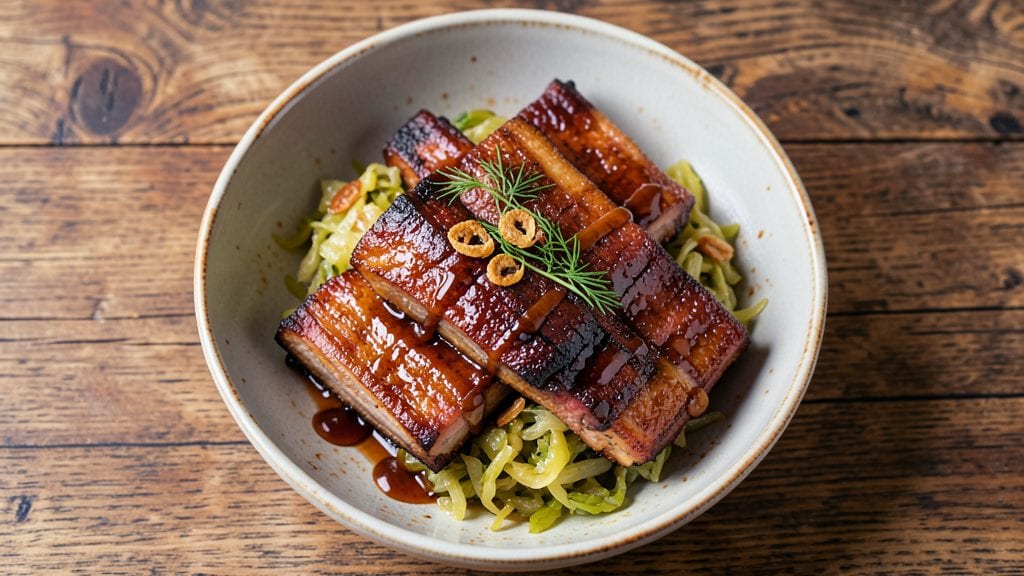
This baked spare ribs and sauerkraut recipe transforms tough cuts into fall-off-the-bone tenderness while pairing them with tangy, crunchy sauerkraut that cuts through the richness. The slow-baking process develops deep, caramelized flavors in the ribs, while the sauerkraut remains vibrant and slightly crisp—no mushiness here.
I perfected this method after years of experimenting with different cooking times and sauerkraut preparation techniques.
The ribs start with a dry rub of brown sugar, smoked paprika, and garlic powder, which creates a sticky, flavorful bark during baking. Meanwhile, the sauerkraut gets gently heated with onions and caraway seeds, preserving its signature tang while adding subtle warmth.
This dish balances sweet, smoky, and tangy flavors in every bite, making it hearty enough for a weekend meal but simple enough for a weeknight dinner.
By the time you pull these ribs from the oven, they’ll be fork-tender with crisp edges, and the sauerkraut will be perfectly heated—still bright and crunchy, not softened into a side dish.
The aroma alone will have everyone gathering at the table, and the contrast of textures and flavors makes this a standout main course. Serve with crusty bread to soak up every last bit of sauce.
This recipe works equally well for a cozy family dinner or a gathering with friends, and leftovers reheat beautifully for sandwiches the next day. The method is straightforward but delivers restaurant-quality results without requiring a smoker or hours of babysitting.
Let’s get started on a dish that’s equal parts comforting and impressive.
Ingredients for baked spare ribs and sauerkraut
Transform tough spare ribs into melt-in-your-mouth perfection with these 13 essential ingredients.
| Ingredient | Amount | Notes |
|---|---|---|
| Spare Ribs 🥩 | 4 lb | Bone-in, trimmed of excess fat |
| Brown Sugar 🍚 | ½ cup | Packed, light or dark |
| Smoked Paprika 🌶️ | 2 tbsp | High-quality for authentic flavor |
| Garlic Powder 🧄 | 1 tbsp | Freshly ground preferred |
| Kosher Salt 🧂 | 1 ½ tsp | Diamond Crystal preferred |
| Ground Black Pepper 🌶️ | 1 tsp | Freshly cracked for intensity |
| Sauerkraut 🥬 | 2 cups | Unopened, high-quality brand |
| Yellow Onion 🧅 | 1 whole | Medium, thinly sliced |
| Caraway Seeds 🌾 | 1 tsp | Whole, lightly toasted |
| Apple Cider Vinegar 🍎 | 1 tbsp | For balancing tang |
| Unsalted Butter 🧈 | 2 tbsp | Cold, for basting |
| Fresh Thyme Leaves 🌿 | ¼ cup | Chopped, for aroma |
| Crusty Bread 🍞 | 1 pieces | For serving, 6-8 slices |
| Extra-Virgin Olive Oil 🫒 | 1 tbsp | For basting ribs |
The ribs are the foundation, so prioritize quality cuts with good marbling. Butcher shops often carry higher-quality spare ribs than supermarkets, and they’ll trim them efficiently. Look for cuts with visible fat between the muscles—this renders during cooking for moisture. Costco or Whole Foods are reliable for consistent quality. Smoked paprika is non-negotiable; Penzeys or Gourmet Garden brands deliver the deepest flavor. The sauerkraut should be vibrant and slightly crunchy—avoid brands with a mushy texture or excessive liquid. Reinhart or Bubbier are excellent choices for authentic tang.
No smoked paprika? Substitute 1 tbsp regular paprika plus ½ tsp liquid smoke, though the flavor won’t be identical. Fresh thyme unavailable? Dried thyme at one-third the amount works, but toast it lightly to enhance aroma. For the bread, baguettes or sourdough hold up best—avoid soft sandwich bread. The caraway seeds can be omitted if you dislike their flavor, but they add a subtle European warmth that pairs beautifully with sauerkraut. If your spare ribs are particularly lean, increase the butter basting to 3 tbsp total for extra moisture.
Store leftover ribs airtight in the fridge for up to 4 days, reheating gently with a splash of water to prevent drying. Sauerkraut keeps indefinitely unopened; once opened, refrigerate for up to 3 months in its liquid. The dry rub ingredients last 6-12 months in a cool, dark place. For meal prep, bake the ribs ahead and reheat with extra butter. The bread should be served fresh—it’s all about that crisp crust to soak up the rib juices.
Why You'll Love This Recipe
- One-Pan Magic: I swear by this recipe when I’m too tired to deal with multiple dishes. The ribs and sauerkraut bake together—no flipping, no fuss—just a sheet pan that’s basically self-cleaning when you’re done.
- Sweet-Smoky Bomb: That brown sugar glaze caramelizes into a sticky, smoky crust while the paprika adds this deep, earthy warmth. Honestly, the first bite makes me close my eyes—it’s that good.
- Leftovers for Days: Between us, this recipe makes way more than I can eat in one sitting. The ribs stay tender for sandwiches, and the sauerkraut? Perfect for quick breakfast hash or a lazy brunch side.
- Budget Crowd-Pleaser: Spare ribs are cheaper than you’d think, and sauerkraut stretches the meal for less. I’ve fed six people for under $15—no one complains, and I always get seconds. Win-win.
Step-by-step instructions for baked spare ribs with sauerkraut
Transform tough spare ribs into fall-apart tenderness with this slow-baked method.
Prepare the Ribs with Dry Rub
Pat the 4 lb spare ribs completely dry with paper towels, removing any surface moisture that would prevent the rub from adhering. In a small bowl, combine the 0.5 cup packed brown sugar, 2 tbsp smoked paprika, 1 tbsp garlic powder, 1.5 tsp kosher salt, and 1 tsp freshly cracked black pepper. Mix thoroughly until evenly distributed.
Generously coat both sides of the ribs with this spice mixture, pressing firmly so the rub clings to the meat. Let them sit at room temperature for 30 minutes while you prepare the oven. This resting period allows the spices to penetrate slightly and the meat to come to a uniform temperature for even cooking. I like to place the ribs on a wire rack set over a baking sheet—this promotes airflow and prevents steaming, which is crucial for crispy bark formation.
Sear and Braise the Ribs
Preheat your oven to 300°F. Heat a large oven-safe skillet over medium-high heat and add 1 tbsp extra-virgin olive oil. Once shimmering, carefully add the ribs fat-side down and sear for 5 minutes until deeply browned. Flip and sear the other side for another 5 minutes. Transfer the skillet to the preheated oven.
In the same skillet, add the 1 whole yellow onion cut into thin slices and the 1 tsp lightly toasted caraway seeds. Cook for 2 minutes until the onions begin to soften. Pour in 1 tbsp apple cider vinegar and scrape up any browned bits from the bottom of the pan. These flavorful bits will meld with the ribs during braising.
Layer and Braise with Sauerkraut
Arrange the seared ribs on top of the onions in the skillet. Spoon the 2 cups sauerkraut evenly over and around the ribs, pressing gently to create a compact layer. The sauerkraut's natural juices will help keep the meat moist during the long cook. Dot the top with the 2 tbsp cold unsalted butter, which will baste the ribs as it melts.
Cover the skillet tightly with foil and transfer to the oven. Braise for 3 hours, maintaining the 300°F temperature. After 2 hours, check the ribs—they should be tender when probed with a fork. If they're not quite there, continue cooking for another 30 minutes. The foil trap creates steam that tenderizes the meat while the sauerkraut infuses with smoky, sweet flavors.
Finish with Thyme and Rest
Remove the foil and increase the oven temperature to 425°F. Sprinkle the 0.25 cup chopped fresh thyme leaves evenly over the ribs and return to the oven for 15 minutes. This final step caramelizes the sugars in the rub and creates a beautiful crust. Watch closely—the ribs should develop a deep mahogany color and crisp up slightly at the edges.
Transfer the ribs to a cutting board and let rest for 10 minutes before serving. This resting period allows the juices to redistribute throughout the meat. Serve the ribs with the sauerkraut and pan juices spooned over, accompanied by slices of the crusty bread. The contrast of tender, smoky ribs with the tangy, crunchy sauerkraut creates a perfect balance of textures and flavors.
Pro Tips For Making Baked Spare Ribs And Sauerkraut
- Trim the Fat First: Spare ribs lose moisture fast when cooked—especially in the oven. Take 10 minutes to trim excess fat from the ribs before seasoning. I learned this the hard way after ending up with soggy ribs that stuck to the pan. The leaner the meat, the faster it dries out, so this step keeps them tender.
- Brown Sugar Early: Don’t wait until the last minute to mix in the brown sugar. Sprinkle it on the ribs before they hit the oven and let it caramelize for the first 15 minutes at 425°F. This gives you that deep, sticky glaze without burning it later—my grandmother swore by this, and she was right.
- Skip the Crowding: Pile ribs too close together in the pan, and they steam instead of crisp. Leave at least ½-inch between each rack, even if it means two batches. I was skeptical until I tried it—the edges get that perfect crust, and the sauerkraut doesn’t turn into a soggy mess underneath.
- Sauerkraut Last 30 Minutes: Add the sauerkraut to the oven after the ribs have been baking for 1.5 hours. The acid in the kraut will soften faster when it’s already warm, and it absorbs the rib juices better. Plus, you avoid the risk of it turning into a watery sludge—yes, even if you’re impatient like me.
Best sauces and condiments for baked spare ribs and sauerkraut
Classic BBQ Sauce
My go-to sauce for baked spare ribs is a homemade tangy-sweet BBQ sauce that complements the smoky flavors. Start with ½ cup tomato paste, ¼ cup apple cider vinegar, 2 tbsp molasses, 1 tbsp smoked paprika, and 1 tsp mustard powder.
Simmer for 10 minutes until thickened, then brush generously over the ribs during the last 30 minutes of baking. This sauce adds a glossy finish and deepens the flavor profile. 🍯
Honey-Mustard Glaze
For a brighter, slightly sweet contrast, try a honey-mustard glaze made with 3 tbsp Dijon mustard, 2 tbsp honey, and 1 tbsp apple cider vinegar. Whisk together and brush over the ribs in the final 15 minutes of cooking.
The mustard cuts through the richness, while the honey adds a subtle caramelization. This glaze works especially well if you prefer a lighter sauce than traditional BBQ. 🍯
Creamy Horseradish Sauce
If you love a kick, serve the ribs with a cool, creamy horseradish sauce. Mix ½ cup sour cream, 2 tbsp prepared horseradish, 1 tbsp lemon juice, and 1 tsp Worcestershire sauce.
This sauce adds a sharp, refreshing contrast to the smoky ribs and pairs beautifully with the tangy sauerkraut. Serve it on the side for dipping or spooned over the ribs. 🌶️
Sauerkraut Enhancements
To elevate your sauerkraut, try adding caramelized onions and a pinch of fresh dill before serving. Sauté 1 cup thinly sliced onions in 1 tbsp butter until golden, then fold into the sauerkraut along with 1 tbsp chopped dill.
This adds a sweet, aromatic depth that balances the tang. For extra richness, stir in 1 tbsp crème fraîche just before serving. 🥬
Butter Basting
Don’t skip the butter basting—it’s what turns good ribs into extraordinary ones. After searing, dot the ribs with 2 tbsp cold butter and baste every 30 minutes during the braise. The butter melts into the meat, keeping it moist and adding a luxurious finish.
For extra flavor, mix in ½ tsp garlic powder and ¼ tsp smoked paprika** into the melted butter before basting. 🧈
Nutrition facts
Frequently asked questions
Why does the recipe use sauerkraut instead of coleslaw?
The tangy, fermented flavor of sauerkraut cuts through the richness of the ribs better than sweet coleslaw. The natural acidity also helps tenderize the meat during the long bake. Plus, sauerkraut's crunchy texture contrasts beautifully with the tender ribs—no soggy sides here!
Can I make this recipe in a slow cooker?
Yes! Transfer the seared ribs and sauerkraut mixture to a slow cooker and cook on low for 6-8 hours. Skip the high-heat finish—just add thyme during the last hour. The results will be just as tender, though the bark won't be as crisp.
What if my ribs aren't tender after 3 hours?
Don't rush it! Cover with extra foil and cook another 30-60 minutes. The ribs should pull apart easily with two forks. If they're still tough, check your oven temp—it should stay at 300°F consistently. A meat thermometer should read 195°F in the thickest part.
Can I use frozen sauerkraut?
but thaw it first in the fridge overnight. Frozen sauerkraut works fine, but it may release more liquid during cooking. Drain any excess before layering over the ribs to avoid a watery braise.
What's the best way to reheat leftovers?
Wrap ribs tightly in foil with a splash of water or broth, then reheat at 300°F for 15-20 minutes. For sauerkraut, warm gently in a skillet with a pat of butter—just until heated through. Never microwave ribs, or they'll dry out!