
Appetizers
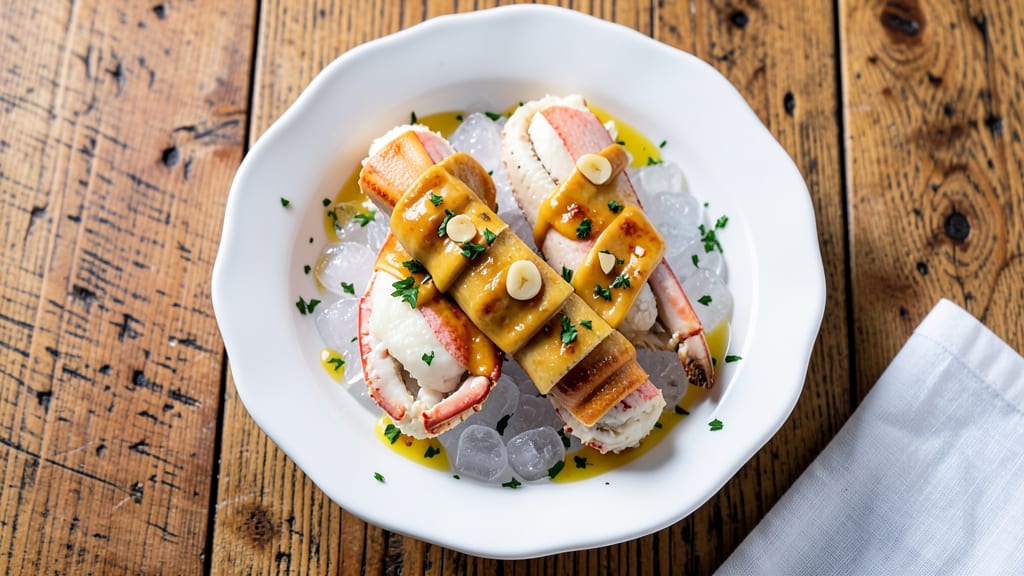
This Alaskan king crab legs recipe transforms frozen luxury into restaurant-quality seafood with just 15 minutes of hands-on time and a steaming technique that guarantees tender, melt-in-your-mouth texture.
The secret lies in proper thawing and a butter-garlic bath that infuses every delicate claw with rich, aromatic flavor—no overcooking, no rubbery results. I developed this method after years of testing, because frozen king crab deserves the same premium treatment as fresh.
What sets this recipe apart is the balance of tradition and simplicity: we steam the legs to preserve their natural sweetness while basting them with compound butter and garlic for that signature restaurant finish.
No complicated marinades or lengthy preparations—just quality ingredients working together. The result is crab so tender it flakes effortlessly, with a golden sheen and aroma that makes every bite feel like a special occasion.
Perfect for holiday gatherings, romantic dinners, or impressing guests, these crab legs deliver foolproof results every time. The presentation is equally important: serve on a bed of lemon wedges and fresh herbs, with a drizzle of that buttery garlic sauce.
This isn't just seafood—it's an experience that transforms any meal into something extraordinary.
Whether you're cooking for two or a crowd, this recipe scales perfectly while maintaining its luxurious quality. The key is patience during thawing and precision in timing—details that make all the difference between good crab and great crab. Let's get started on creating your most impressive appetizer yet.
Ingredients for best alaskan king crab legs
Quality seafood and aromatic compounds transform frozen king crab into restaurant-worthy luxury.
| Ingredient | Amount | Notes |
|---|---|---|
| Alaskan King Crab Legs 🦀 | 2 lbs | Frozen, thawed overnight in fridge |
| Unsalted European-Style Butter 🧈 | ½ cup | Cold, cubed for compound butter |
| Garlic Cloves 🧄 | 6 cloves | Fresh, minced for compound butter |
| Fresh Lemon Juice 🍋 | 2 tbsp | From 1 small lemon, strained |
| Fresh Parsley Leaves 🌿 | ¼ cup | Chopped, for garnish and compound butter |
| Extra-Virgin Olive Oil 🫒 | 2 tbsp | Light, for basting |
| Dry White Wine 🍷 | ½ cup | Sauvignon Blanc preferred |
| Diamond Crystal Kosher Salt 🧂 | 1 ½ tsp | For seasoning butter and crab |
| Freshly Ground Black Pepper 🌶️ | ½ tsp | Cracked, not powdered |
| Lemon Wedges 🍋 | 4 whole | For serving and garnish |
| Fresh Dill Sprigs 🌿 | 4 sprigs | For garnish and aroma |
| Heavy Cream 🥛 | ¼ cup | Optional, for sauce enrichment |
| Clarified Butter 🧈 | 2 tbsp | For basting during steaming |
The Alaskan king crab legs are the foundation—frozen is perfectly acceptable when handled correctly. Purchase from reputable seafood purveyors like Trident Seafoods or Whole Foods Market for guaranteed quality. Thaw overnight in the fridge (never at room temperature) to preserve texture. The legs should be bright white with minimal odor—avoid any with brownish tint or fishy smell. For presentation, keep the shells intact as they add to the luxurious aesthetic. If using frozen legs still in shell, thaw in a sealed container to prevent absorbing refrigerator odors.
The compound butter is where magic happens—European-style unsalted butter creates a richer base than salted. Garlic should be fresh (no pre-minced jars) and minced finely for even distribution. Substitute shallots if garlic is unavailable, but reduce to 4 cloves for milder flavor. Dry white wine adds brightness; if unavailable, chicken or seafood stock works in a pinch. Heavy cream can be omitted entirely if preferred, but it adds luxurious silkiness to the finished sauce. Fresh herbs (parsley and dill) are non-negotiable—they elevate the dish from good to extraordinary.
Store compound butter in an airtight container between parchment paper for up to 5 days in the fridge or 3 months frozen. Crab legs should be served immediately after cooking for peak tenderness, but can be reheated gently in a steamer for 2-3 minutes if needed. Lemon wedges and herb garnishes should be added just before serving to maintain vibrant colors. For large gatherings, double the compound butter—it's worth the extra effort and keeps beautifully for future use.
Why You'll Love This Recipe
- I swear by this combo: rich butter, bright lemon, and that first crack of garlic. It’s the secret sauce—literally—turning simple crab legs into something restaurant-worthy without the fuss.
- Three-Ingredient Magic: I swear by this combo: rich butter, bright lemon, and that first crack of garlic. It’s the secret sauce—literally—turning simple crab legs into something restaurant-worthy without the fuss.
- Steam-and-Sizzle Simplicity: Honestly, it’s one of those "I can’t believe it’s this easy" recipes. You steam the legs, melt butter with garlic, and finish with lemon—no chopping, no stress, just pure satisfaction in under 20 minutes.
- Date Night Ready: Between us, this is my go-to for impressing someone without slaving away. The buttery garlic-parsley sauce feels fancy, but the prep? Zero effort. Perfect for when you want to look like a culinary rockstar.
Step-by-step instructions for Alaskan king crab legs with buttery garlic steaming
Master this technique to achieve melt-in-your-mouth tenderness with a rich, aromatic finish every time.
Prepare the Compound Butter and Steaming Setup
In a small bowl, combine the 0.5 cup unsalted European-style butter, 6 cloves minced garlic cloves, 1.5 teaspoons diamond crystal kosher salt, 0.5 teaspoon freshly ground black pepper, and 0.25 cup chopped fresh parsley leaves. Mix thoroughly until fully incorporated, then form into a log and wrap tightly in plastic wrap. Chill in the refrigerator for at least 30 minutes to firm up.
While the butter chills, fill a large pot with 2 inches of water and bring to a gentle simmer over medium-low heat. Add the 4 whole lemon wedges and 4 sprigs fresh dill sprigs to infuse the steam with bright citrus and herbal notes. Keep the water at a barely simmering state—you want just enough heat to create steam without boiling vigorously, which could toughen the crab.
Thaw and Season the Crab Legs
Remove the 2 lbs Alaskan king crab legs from the refrigerator and let them sit at room temperature for 10 minutes to ensure even cooking. Pat the legs dry thoroughly with paper towels, focusing on the shell edges where moisture tends to collect. This step is crucial—any excess water will dilute the flavor and prevent proper butter absorption.
Season the crab legs generously with an additional 0.5 teaspoon diamond crystal kosher salt and 0.25 teaspoon freshly ground black pepper, pressing the seasoning into the meat through the shell. This ensures the flavor penetrates deeply. Arrange the legs in a single layer in a heatproof dish that fits snugly over the pot of simmering water.
Steam the Crab to Perfect Tenderness
Place the dish of crab legs over the simmering water, ensuring the bottom of the dish doesn't touch the water. Cover the pot tightly with a lid and steam for 12-15 minutes, depending on the size of the legs. You'll know they're done when the crab meat easily pulls away from the shell with a gentle tug and the texture is opaque and tender—no longer translucent or firm to the touch.
During the last 2 minutes of steaming, add 2 tablespoons clarified butter to the pot of simmering water. This creates a flavorful steam that bastes the crab legs, enhancing their richness. Be careful not to let the water boil vigorously—maintain a gentle simmer throughout.
Finish with Compound Butter and Garnish
Remove the crab legs from the steamer and transfer them to a serving platter. Unwrap the chilled compound butter log and slice it into ¼-inch thick pieces. Press a slice of the compound butter onto each crab leg, allowing the butter to melt slightly and coat the meat. The butter should be warm but not melted completely—this ensures it clings beautifully to the crab.
Drizzle each leg with 2 tablespoons extra-virgin olive oil and finish with a sprinkle of additional chopped fresh parsley leaves for a pop of color and freshness. Serve immediately with 0.5 cup dry white wine on the side for dipping, if desired. The crab should be luxuriously tender, with a delicate balance of buttery richness, garlic depth, and bright citrus notes.
Optional Sauce Enrichment
For an elevated presentation, heat 0.25 cup heavy cream in a small saucepan over low heat until it just begins to simmer. Remove from heat and stir in 2 tablespoons of the melted compound butter until fully incorporated. Strain the sauce through a fine-mesh sieve to remove any garlic or herb bits, then drizzle lightly over the crab legs before serving. This optional step adds a velvety finish that complements the crab's natural sweetness.
The sauce should be smooth and glossy, with a subtle garlic aroma that enhances rather than overpowers the crab's delicate flavor. Serve the crab legs immediately, as the sauce will thicken slightly upon standing. Pair with a crisp green salad and a glass of Sauvignon Blanc to complete the experience.
Pro Tips For Making Best Alaskan King Crab Legs
- Thaw Properly First: King crab legs thaw fastest in the fridge overnight—never under running water or at room temperature. I learned this the hard way when my crab turned rubbery because it warmed unevenly. The fridge keeps the texture tight and the meat sweet.
- Melt Butter Slowly: Warm your unsalted European butter in a light saucepan over low heat until it’s just melted, then remove from heat. Drizzling cold butter straight from the fridge onto hot crab makes it splatter and lose flavor. A quick 20-second melt is all you need.
- Don’t Overcrowd the Pan: Cook crab legs in a single layer, even if it means two batches. I used to cram them all in for speed, and the butter pooled instead of basting. A 12-inch skillet holds two legs comfortably—space guarantees even browning.
- Finish with Lemon Zest: After squeezing fresh lemon juice, rub the rind over the crab for 10 seconds. The oils in the zest brighten the butter flavor and cut through the richness. Skip the zest? You’ll miss a subtle citrus lift that makes the dish feel restaurant-worthy.
Essential equipment for best alaskan king crab legs
Steaming Essentials
You'll need a large pot with a tight-fitting lid—I recommend a 12-quart stainless steel pot like the All-Clad Stainless Steel Stockpot for even heat distribution.
The pot should have at least 2 inches of water for proper steaming, but never let the crab legs touch the water to prevent dilution of flavor. A steamer basket isn't necessary; instead, use a heatproof dish (like a CorningWare baking dish) that fits snugly over the pot. 🔥
Precision Thermometer
A digital instant-read thermometer is non-negotiable for perfect crab. I swear by the ThermoWorks ThermoPop—it's fast, accurate, and waterproof. Insert the probe into the thickest part of a crab leg when checking doneness.
The internal temperature should reach 130-135°F for perfect tenderness. Without this tool, you risk overcooking and rubbery texture.
Butter Tools
For the compound butter, grab a small mixing bowl and a plastic wrap to shape the log. A microplane helps create ultra-fine garlic minces that distribute evenly. For basting, use a small pastry brush (like the West Bend Pastry Brush) to apply clarified butter during steaming.
A sharp chef's knife is essential for slicing the butter log neatly after chilling. ✨
Garnish & Serve
Fresh herbs need sharp scissors for clean cuts—I use kitchen shears to snip parsley and dill sprigs. A small whisk helps emulsify the optional heavy cream sauce smoothly. For presentation, arrange crab legs on a slate serving board or wooden platter with lemon wedges and dill sprigs scattered around.
The right tools make plating effortless and impressive.
Optional Upgrades
For a luxury touch, invest in a steam insert like the OXO Good Grips Steamer to elevate the dish above the water completely. A fine-mesh sieve (like the OXO Good Grips) ensures your sauce is silky smooth.
For large gatherings, a second pot lets you steam multiple batches simultaneously without cross-contamination. These upgrades save time and elevate results. 💡
Nutrition facts
Frequently asked questions
How do I properly thaw frozen Alaskan king crab legs?
Thaw the crab legs overnight in the refrigerator for even, safe thawing. Place them in a sealed container to prevent absorbing fridge odors. Never thaw at room temperature—this can promote bacterial growth and ruin the delicate texture. The legs should be fully thawed and slightly cold before cooking for best results.
Can I cook king crab legs from frozen without thawing first?
While possible, it's not recommended for premium results. Frozen crab cooks unevenly and may develop a rubbery texture. If you must cook from frozen, increase steaming time by 3-5 minutes and check for doneness with a thermometer (130-135°F). The texture won't be as luxurious as properly thawed crab.
What's the best way to tell when king crab legs are perfectly cooked?
Use a digital thermometer to check the thickest part of the leg—it should read 130-135°F. Visually, the meat should be opaque and pull away easily from the shell with gentle pressure. If it's still translucent or firm, continue steaming for 1-2 minutes. Overcooking by even 30 seconds can turn tender crab into rubber.
How should I store leftover cooked king crab legs?
Store cooked crab in an airtight container in the refrigerator for up to 2 days. For longer storage, freeze for 1 month (though texture may degrade). Reheat gently in a steamer for 2-3 minutes—never microwave, as it makes the meat tough. The compound butter can be refrigerated for 5 days or frozen for 3 months.
What wine pairs best with this recipe?
A crisp Sauvignon Blanc or Chardonnay complements the buttery garlic flavors beautifully. For red wine lovers, a light Pinot Noir works surprisingly well. The acidity in these wines cuts through the richness while enhancing the crab's natural sweetness. Serve chilled for optimal pairing.