
Soups & Stews
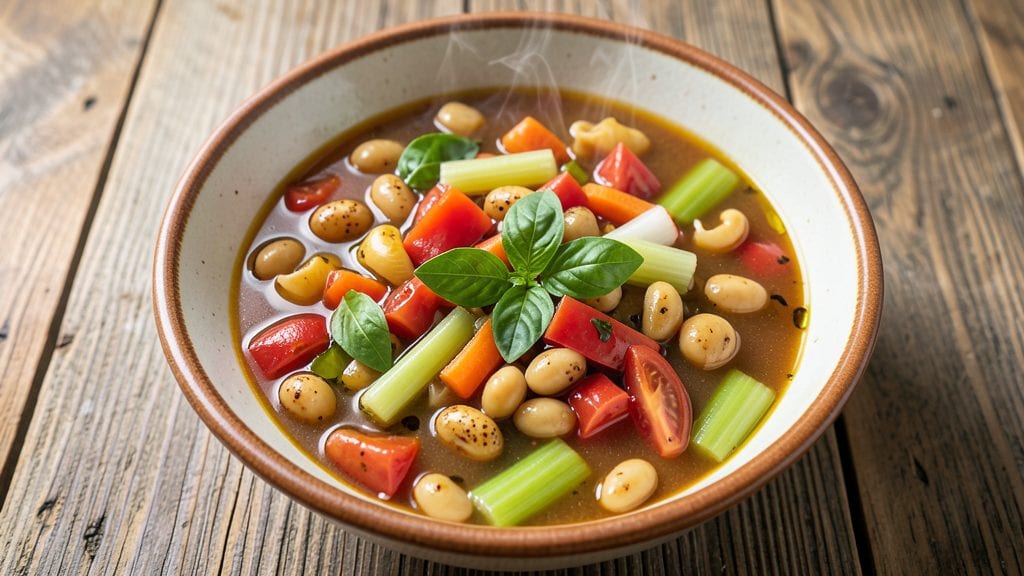
Betty Crocker's minestrone soup recipe delivers the classic Italian comfort of a hearty vegetable-packed one-pot meal that warms the soul. This trusted version combines traditional cannellini beans, pasta, and seasonal vegetables with a rich tomato base—perfect for busy weeknights when you crave restaurant-quality flavor without the fuss.
The secret lies in layering flavors through slow simmering, allowing each ingredient to meld into a harmonious broth that feels like a hug in a bowl.
What sets this recipe apart is its balance of simplicity and depth, using pantry staples like canned beans and diced tomatoes while still delivering professional results. The combination of tender pasta, creamy beans, and fresh vegetables creates a satisfying texture that keeps everyone at the table asking for seconds.
With just 30 minutes of active prep and 45 minutes of simmering time, you'll have a steaming pot of minestrone that feels like a five-star meal without the effort.
Each spoonful delivers a perfect harmony of flavors—earthy beans, savory tomato, and bright vegetables—all bound together by a rich, aromatic broth. The pasta absorbs the flavorful liquid, creating a satisfying bite with every mouthful.
This is the kind of comforting meal that transforms a simple dinner into a memorable family gathering, where the aroma alone brings everyone together.
Whether you're feeding a crowd or meal prepping for the week, this minestrone soup adapts beautifully to your needs. Serve it as-is for a classic presentation or garnish with fresh parsley and grated Parmesan for an extra touch of elegance.
The recipe scales effortlessly, making it ideal for any occasion where you want to serve up warmth and comfort in every bowl.
Ingredients for betty crocker minestrone soup
Pantry staples meet fresh vegetables for Betty Crocker's legendary minestrone comfort in every bowl.
| Ingredient | Amount | Notes |
|---|---|---|
| Cannelini Beans 🥫 | 2 cans | Drained, rinsed (15 oz each) |
| Diced Tomatoes 🍅 | 2 cans | (14.5 oz each, no salt added) |
| Vegetable Broth 💧 | 4 cups | Low-sodium preferred |
| Small Shell Pasta 🍝 | 1 lb | Uncooked, like cavatappi |
| Carrots 🥕 | 2 medium | Peeled, diced small |
| Celery Stalks 🧅 | 3 whole | Diced, cleaned well |
| Onion 🧅 | 1 medium | Diced, yellow or red |
| Garlic Cloves 🧄 | 4 cloves | Minced, fresh preferred |
| Extra-Virgin Olive Oil 🫒 | 2 tbsp | For sautéing vegetables |
| Tomato Paste 🍅 | 2 tbsp | Squeeze tube preferred |
| Dried Oregano 🌿 | 1 tsp | Italian preferred |
| Bay Leaves 🍃 | 2 whole | Fresh if available |
| Salt 🧂 | 1 tsp | Diamond Crystal preferred |
| Black Pepper 🌶️ | ½ tsp | Freshly ground |
| Fresh Parsley 🌿 | ¼ cup | Chopped, for garnish |
| Parmesan Cheese 🧀 | ½ cup | Freshly grated |
The canned beans and tomatoes are your flavor anchors. Great Value or Libby's for beans—no salt added, so you control the seasoning. Diced tomatoes? Muir Glen or Trader Joe's are my go-tos—they're chunkier than most. Fresh carrots and celery should be crisp, not rubbery. If you're buying pre-diced veggies, Trader Joe's frozen mix works in a pinch. The Parmesan matters too—grate your own from a wedge; pre-grated tastes like sawdust. For the pasta, De Cecco or Barilla hold up best to long simmering without getting mushy.
No vegetable broth? Chicken broth plus 1 cup water works, but add an extra pinch of salt. Short on fresh herbs? Dried basil at half the amount gets you close. The tomato paste can be skipped if you're using high-quality canned tomatoes, but I always include it—it deepens that Italian flavor. Pre-diced onions and celery save time, but if you're chopping fresh, soak the veggies in cold water for 10 minutes first to remove dirt. The garlic can be roasted for a sweeter flavor—just wrap whole cloves in foil with a drizzle of olive oil and roast at 400°F for 7 minutes.
This soup tastes even better the next day as flavors meld. Keeps 5-6 days in the fridge, freezes beautifully for 3 months. I double the batch and freeze half—lunch for a week sorted. To reheat, add a splash of broth or water. Garnish with fresh parsley and extra Parmesan right before serving—that's when it looks restaurant-worthy. The pasta will soften more when reheated, so it's perfect for cold-weather days when you want something hearty.
Why You'll Love This Recipe
- Throw-It-Together Simple: I swear, the canned beans and diced tomatoes do 90% of the work here. Just toss everything in one pot—no fancy prep, no stress—while the broth and carrots simmer into sweet, tender perfection. My kids call it "lazy dinner," but they’re the first to finish their bowls.
- Hearty, Not Heavy: That creamy cannellini bean base makes it rich without feeling like a chore. The small shell pasta adds a satisfying bite, and the carrots melt into natural sweetness—no heavy cream or weird seasonings. It’s the kind of soup that sticks to your ribs but still feels light enough for a weeknight.
- Lunchbox Magic: Between us, this is my secret weapon for meal prep. The flavors only get better after a day in the fridge, so I make a big batch on Sundays. Pack it in thermoses or containers—it’s sturdy enough for school lunches but still exciting enough for adults to ask for seconds.
- Budget-Smart Powerhouse: Vegetable broth and canned tomatoes stretch this recipe to feed four for under $5. Honestly, the cannellini beans alone make it a protein punch, and the carrots add color without breaking the bank. It’s the kind of dish that makes grocery night feel like a win.
Step-by-step instructions for Betty Crocker minestrone soup recipe
This classic one-pot masterpiece delivers hearty comfort with every spoonful—simple steps for restaurant-quality results.
Sauté the Vegetable Base
Heat the 2 tablespoons extra-virgin olive oil in a large Dutch oven over medium heat. Add the diced onion, diced celery stalks, and diced carrots, stirring occasionally for 5-6 minutes until the vegetables soften and begin to caramelize slightly. This foundational step builds deep flavor—don't rush it.
Add the 4 minced garlic cloves and cook for 30 seconds until fragrant. Here's where it gets good: Stir in the 2 tablespoons tomato paste and cook for 1 minute until it develops a rich, reddish color. This paste will thicken your soup beautifully and create that signature minestrone depth. Keep the heat at medium to prevent burning.
Build the Flavor Foundation
Pour in the 2 cans diced tomatoes (with juices) and the 4 cups vegetable broth, scraping up any browned bits from the bottom of the pot. Add the 2 whole bay leaves, 1 teaspoon dried oregano, 1 teaspoon salt, and 0.5 teaspoon black pepper. Bring the mixture to a gentle boil, then reduce heat to medium-low and let it simmer uncovered for 15 minutes—this allows the flavors to meld perfectly.
Here's the thing about minestrone: Patience at this stage makes all the difference. You'll notice the vegetables softening and the soup developing a rich, tomatoey aroma. If it reduces too quickly, add ½ cup water to maintain consistency. The goal is a robust, well-seasoned broth before adding the pasta.
Add Beans and Simmer Together
Rinse and drain the 2 cans cannellini beans, then add them to the simmering pot along with the 1 pound small shell pasta. Stir gently to distribute the beans and pasta evenly throughout the broth. The pasta will begin to absorb liquid immediately—this is why we add it later rather than pre-cooking.
Return the soup to a gentle simmer and cook uncovered for 18-20 minutes, stirring occasionally. You'll know it's ready when the pasta is al dente (firm to the bite) and the beans are heated through. The soup should be thick but still spoonable—if it's too thick, add ½ cup vegetable broth to loosen it. Taste and adjust seasoning if needed.
Finish with Fresh Herbs and Cheese
Remove the 2 whole bay leaves and discard them. Stir in the 0.25 cup chopped fresh parsley and 0.5 cup freshly grated parmesan cheese, distributing the cheese evenly throughout the pot. The parsley adds a bright, fresh finish while the parmesan brings rich, salty depth. Let the soup sit off heat for 5 minutes to allow the flavors to fully integrate.
I like to serve this minestrone immediately while the pasta is still al dente and the cheese is melting slightly into the broth. The combination of creamy beans, hearty pasta, and vibrant vegetables creates the ultimate comfort bowl. For extra richness, offer additional parmesan cheese on the side—everyone will want seconds.
Pro Tips For Making Betty Crocker Minestrone Soup
- Sauté Carrots First: High heat for 3 minutes until they soften and release sweetness—this builds flavor before adding broth. I used to toss them in raw, and the soup always tasted blander.
- Drain Canned Beans Well: Rinse and drain canned cannellini beans thoroughly, then shake them in a colander for 10 seconds to remove excess starch. Starchy water makes the soup gluey, and nobody wants that.
- Add Pasta Late: Stir in small shell pasta only in the last 8 minutes of simmering—it cooks faster than you’d expect, and mushy pasta ruins everything. Test one piece early if you’re unsure.
- Boost Broth Depth: Use 6 cups of vegetable broth instead of 4 for a richer, less watery soup. The recipe calls for less, but extra broth prevents a thick, heavy texture and keeps the flavors vibrant.
Pro cooking tips for this recipe
Sauté Like a Pro
Use a large Dutch oven (I love my All-Clad) for even heat distribution—it prevents hot spots that can burn your vegetables. Sauté the onions, celery, and carrots over medium heat for 5-6 minutes until they soften but don’t brown too much.
The key here is patience—caramelization happens gradually. If your pan isn’t big enough, the veggies will steam instead of develop that rich, sweet flavor. 🌟
Tomato Paste Magic
Don’t skip the tomato paste—it’s the secret to that deep, concentrated flavor. Spread it evenly over the sautéed vegetables and cook for 1 full minute until it turns a deep reddish-brown. This step builds the umami foundation of your soup.
I use Squeezable Tube Tomato Paste from Barilla because it’s smooth and consistent. If you burn it, the soup will taste bitter—keep that heat at medium!
Simmering Perfection
After adding the broth and tomatoes, let the soup simmer uncovered for 15 minutes before adding pasta. This allows the flavors to meld without the pasta absorbing liquid too quickly. If the soup reduces too much, add ½ cup water—but don’t overdo it.
The goal is a thick, velvety consistency by the end. I use an instant-read thermometer to check the internal temp stays between 195°F and 205°F—this ensures even cooking. ⏰
Pasta Timing Tricks
Adding pasta directly to the simmering broth (instead of pre-cooking) ensures it absorbs all those rich flavors. Use small shell pasta—it holds up better than delicate varieties like angel hair. For al dente perfection, cook for 18-20 minutes total.
If your pasta cooks too fast, reduce the heat slightly or cover the pot for the last 5 minutes to trap steam. Taste-test a piece—it should have a slight bite. 💡
Bean Prep Matters
Rinse canned beans thoroughly to remove excess sodium. I prefer Great Value cannellini beans—they’re firm and hold their shape. For extra texture, mash ¼ of the beans with a fork before adding them to the pot.
This creates a creamy, velvety contrast to the pasta. If using dried beans, soak them overnight and add them 30 minutes before the pasta to ensure they’re tender. 🥫
Final Flavor Boost
Stir in fresh parsley and Parmesan off the heat—this keeps the herbs vibrant and the cheese from melting into a greasy mess. For a restaurant-worthy finish, top each bowl with an extra sprinkle of grated Parmesan and a drizzle of extra-virgin olive oil.
The cheese should be freshly grated—pre-grated versions have anti-caking agents that ruin the texture. Serve immediately while the pasta is still firm. 🧀
Nutrition facts
Frequently asked questions
Can I make this minestrone soup vegetarian?
Simply replace the vegetable broth with a robust vegetable-based broth (or mushroom broth for extra depth). Use 1 cup additional canned white beans (like great northern) for protein, and add 1 zucchini and 1 cup chopped spinach at the end of cooking. The texture and flavor remain hearty while keeping it plant-forward.
How do I prevent the pasta from getting mushy?
Use small shell pasta (like cavatappi) and add it to the simmering broth 18-20 minutes before serving. Avoid overcrowding the pot—cook in batches if needed. If your pasta cooks too fast, reduce heat to low and cover for the last 5 minutes to slow absorption. Stir occasionally to prevent sticking.
Can I prepare this soup ahead of time?
This soup tastes even better the next day! Let it cool completely, then store in an airtight container in the fridge for up to 5-6 days. For freezing, portion into meal-sized containers and freeze for up to 3 months. Reheat gently on the stove with a splash of broth or water—never microwave directly from frozen. The flavors meld beautifully overnight.
What if I don't have tomato paste?
No problem! Use 1 extra can of diced tomatoes (3 total) or ½ cup tomato sauce for depth. For extra richness, add 1 teaspoon soy sauce (for umami) or ½ teaspoon smoked paprika for a subtle smokiness. The soup will still be delicious—just slightly less concentrated.
How can I make this soup kid-friendly?
Blend ½ cup of the soup (without pasta) until smooth, then stir it back in for a creamier texture. Remove any large pasta pieces before serving to little ones, and offer shredded chicken (optional) for added protein. Serve with garlic bread on the side—kids love dipping! The mild flavors make it a crowd-pleaser for picky eaters.