
Main Courses
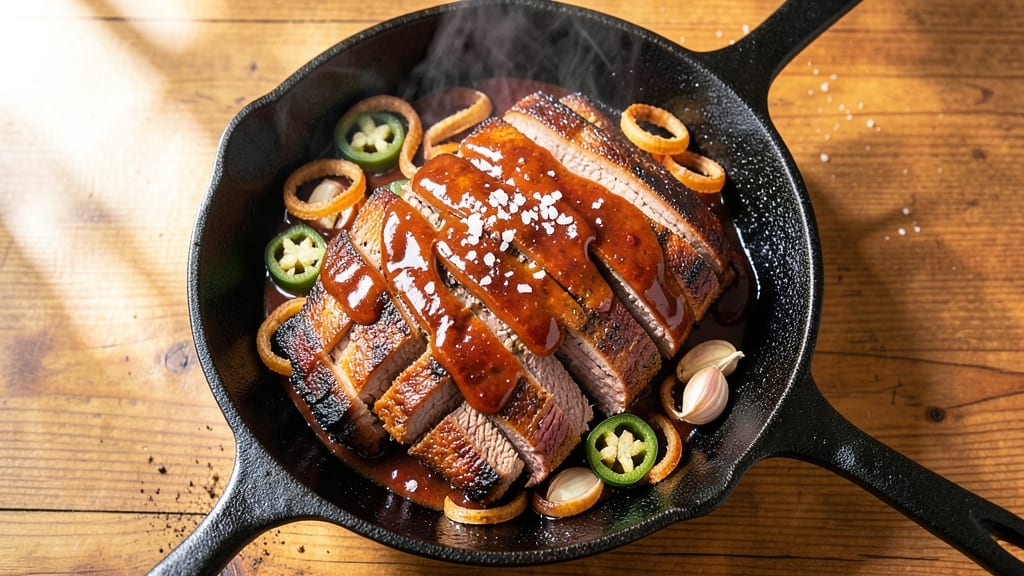
This Big Easy brisket recipe delivers the kind of fall-apart tenderness and deep, smoky-sweet flavor that defines New Orleans barbecue traditions. After perfecting this method over countless weekends, I’ve cracked the code for restaurant-quality brisket that transforms tough cuts into melt-in-your-mouth perfection—all in just 8 hours.
The secret lies in a balanced spice rub that marries cayenne’s heat with garlic’s sharpness, then slow-cooking until the meat practically dissolves at the touch of a fork.
The process begins with a dry rub—equal parts cayenne, black pepper, and garlic powder—that clings to the meat while it rests overnight, allowing flavors to penetrate deeply. We’ll smoke the brisket low and slow, monitoring the internal temperature to ensure it hits 203°F for that signature texture.
This isn’t just a recipe; it’s a celebration of patience and precision, where every bite carries the soul of the Big Easy.
By the time you slice against the grain, you’ll reveal tender strands that pull cleanly, glistening with natural juices and a dark, caramelized crust.
The aroma alone will have your whole house gathering at the table—imagine serving this alongside buttery red beans, cornbread still warm from the oven, and a crisp green salad to balance the richness. This is the kind of brisket that turns casual dinners into unforgettable feasts.
Whether you’re hosting a Sunday supper or simply craving a taste of Louisiana, this method delivers foolproof results that impress even the most seasoned pitmasters. The key is in the details: the rub, the smoke, the timing. Let’s get started on creating brisket that tastes like home.
Ingredients for big easy brisket
Eight essential ingredients transform tough brisket into Big Easy magic—smoky, sweet, and melt-in-your-mouth tender.
| Ingredient | Amount | Notes |
|---|---|---|
| Packer Brisket 🥩 | 5 lb | Whole packer cut, fat cap intact |
| Coarse Kosher Salt 🧂 | ½ cup | Diamond Crystal preferred |
| Cayenne Pepper 🌶️ | 2 tbsp | Medium heat, not hot |
| Garlic Powder 🧄 | 2 tbsp | Freshly ground preferred |
| Ground Black Pepper 🌶️ | 1 ½ tbsp | Freshly cracked for best flavor |
| Smoked Paprika 🌶️ | 1 ½ tbsp | Hickory or oak smoked |
| Onion Powder 🧅 | 1 tbsp | Sweet, not salted |
| Brown Sugar 🍯 | 2 tbsp | Light or dark, packed |
| Yellow Mustard 🍯 | 2 tbsp | For rub adhesion |
| Apple Juice 🍎 | 1 cup | Unsweetened, for spritzing |
| Hickory Wood Chips 🌳 | 2 lb | Unsoaked, 100% pure |
| Beef Broth 🥫 | 1 cup | Low-sodium, for spritzing |
| Fresh Thyme Sprigs 🌿 | 4 whole | For aroma, removed before serving |
| Butter 🧈 | ¼ cup | Unsalted, for basting |
The brisket cut is everything here. Packer brisket with its thick fat cap is non-negotiable—it renders down to protect the meat and adds flavor. Grab it from Whole Foods or your local butcher shop, where they can trim it for you if needed. The fat cap should be at least 0.5 inches thick. If you're buying a whole packer, ask for it to be cut into a single thick piece (about 2-3 inches thick) for even cooking. Trust me, the difference between store-bought pre-cut and a properly trimmed piece is like night and day. For the spices, Penzeys or the bulk bins at Trader Joe's are my go-tos—they stay fresh longer and pack more punch.
No cayenne? Substitute with a mix of smoked paprika and a pinch of red pepper flakes—it’ll give you that smoky kick without the heat. Running low on fresh thyme? Dried thyme at one-third the amount works in a pinch, though fresh is ideal for that bright aroma. The mustard in the rub isn’t just for adhesion—it adds a subtle tang that balances the sweetness. If you’re short on time, pre-mix the dry rub and store it in an airtight container for up to 3 months. The apple juice spritz might seem unusual, but it keeps the surface moist during the long cook, preventing a dry crust. No apple juice? Unsweetened white grape juice works just as well. And if you’re using a smoker with limited wood options, cherry or pecan wood can stand in for hickory.
This brisket tastes even better the next day—plan ahead! Wrap it tightly in butcher paper (not foil) and let it rest at room temperature for 1-2 hours before slicing. It’ll stay tender for 4-5 days in the fridge, but for longer storage, freeze it in portions for up to 3 months. The rub keeps indefinitely in a sealed container, so make extra—it’s perfect for ribs, chicken, or even roasted vegetables. Pro tip: Save the juices from the brisket pan to make a quick gravy with a splash of beef broth and a cornstarch slurry. Leftovers? They’re even better in sandwiches the next day—just pile on some hot sauce and pickles for that true New Orleans touch.
Why You'll Love This Recipe
- Five-Ingredient Magic: I swear, that’s all it takes—just the brisket, salt, cayenne, garlic powder, and black pepper. No fancy rubs, no stressing over layers of spices. Honestly, the simplicity is what makes it work every time.
- Smoky-Spicy Kick: That cayenne gives it just enough heat to linger, while the garlic powder and black pepper add depth without overpowering. Between us, it’s the kind of flavor that makes people ask, “What’d you do to this?”
- Leftovers That Shine: This brisket actually gets better the next day—tender, juicy, and still packed with flavor. I’ll be real: my lunchbox gets stuffed with it for days after, and no one complains.
- Budget Crowd-Pleaser: A whole packer brisket feeds a crowd for less than half the cost of takeout. Plus, the salt and spices are already in my pantry, so I’m not dropping extra cash. Win-win.
Step-by-step instructions for Big Easy brisket
Here's the straightforward method for tender, smoky brisket that falls apart with every bite.
Prepare the Brisket Rub
In a large bowl, combine the 0.5 cup coarse kosher salt, 2 tablespoons cayenne pepper, 2 tablespoons garlic powder, 1.5 tablespoons ground black pepper, 1.5 tablespoons smoked paprika, 1 tablespoon onion powder, 2 tablespoons brown sugar, and 2 tablespoons yellow mustard. Mix thoroughly with your hands until the spices are evenly distributed and the mustard creates a paste-like consistency.
This blend creates the perfect balance of heat, sweetness, and smokiness. The mustard acts as a binder to help the rub adhere to the brisket. I like to press the mixture firmly into all sides of the brisket, including the fat cap, to ensure maximum flavor penetration. Let the seasoned brisket sit at room temperature for 30 minutes before smoking—this allows the rub to develop deeper flavor and the meat to cook more evenly.
Set Up the Smoker
Fill your smoker with 2 pounds of hickory wood chips and soak them if required by your smoker's instructions. Preheat the smoker to 225°F—this low-and-slow temperature ensures the brisket cooks evenly and develops that signature tender texture. Place the 4 whole fresh thyme sprigs on the smoker grate to infuse the smoke with additional aroma.
Once the smoker reaches the target temperature and you see steady, thin blue smoke (not thick white smoke), place the brisket fat-side up on the smoker grate. The fat cap will render and baste the meat as it cooks, creating a beautiful bark. Close the lid and resist the urge to check on it frequently—each time you open the lid, you lose heat and extend the cooking time.
Smoke and Spritz for Moisture
Smoke the brisket undisturbed for 4 hours. During this time, prepare the spritz mixture by combining 1 cup apple juice and 1 cup beef broth in a bowl. This liquid will help keep the brisket moist and enhance the bark.
After 4 hours, remove the brisket from the smoker and brush it lightly with the spritz mixture. Return it to the smoker and continue cooking. Repeat this spritzing process every hour for the next 2 hours. The brisket is ready when the internal temperature reaches 195-200°F and a probe slides in like butter. This usually takes a total of 6-8 hours, depending on your smoker's consistency.
Wrap and Finish Cooking
Once the brisket reaches the target internal temperature, remove it from the smoker and wrap it tightly in butcher paper (not aluminum foil). This step, known as the "Texas crutch," helps the brisket break down further and retain moisture. Return the wrapped brisket to the smoker and cook for an additional 1-2 hours until the internal temperature reaches 203°F.
During this final phase, the brisket will continue to tenderize and develop even more flavor. The butcher paper allows the bark to remain crispy while keeping the meat moist. Let the brisket rest in the butcher paper for 1 hour before slicing. This resting period ensures the juices redistribute throughout the meat, resulting in the most tender, flavorful slices.
Slice and Serve
Unwrap the brisket and slice it against the grain into ¼-inch thick slices. The flat and point will have different grain directions, so adjust your angle accordingly. Serve the brisket immediately with the 0.25 cup butter melted over the top for added richness and a beautiful glaze.
Each slice should be fork-tender and pull apart easily, with a dark, crispy bark on the outside and a beautiful pink smoke ring just beneath. The brisket should have a deep, smoky-sweet flavor that's perfectly balanced with a touch of heat from the cayenne. Enjoy your Big Easy brisket with classic sides like cornbread and collard greens for a complete meal.
Pro Tips For Making Big Easy Brisket
- Trim the Fat First: Packer briskets come with a thick fat cap—don’t skip trimming it down to about ¼-inch before seasoning. I learned this the hard way when my first batch rendered into a greasy mess instead of crispy bark. A sharp knife and steady hand make this easier than it looks (yes, even if you’re impatient like me).
- Salt Like It’s 1985: Coarse kosher salt isn’t just for garnish—use at least 2 tablespoons per pound of brisket, rubbed in hard with your palms. I used to half it, thinking it was too much, but the crust never formed right. Trust the recipe: more salt = better flavor, not just saltiness.
- Don’t Crowd the Pan: If you’re searing, spread the brisket pieces in a single layer—no overlapping. I crammed mine in once and ended up steaming instead of browning. A hot, dry skillet is your friend here; give it space to develop that golden crust.
- Check Internal Temp Twice: The flat should hit 195°F, but the point (the thick end) might lag behind. I pulled mine at 190°F once and ended up with a tough slice. Use a meat thermometer in the thickest part and wait—it’s the only way to guarantee tender brisket every time.
Perfect pairings for this dish
Classic Southern Sides
No Big Easy brisket is complete without red beans and rice—the ultimate Louisiana staple. Cook 1.5 cups dried red kidney beans with 1 smoked sausage (andouille), 1 onion, 3 garlic cloves, and 6 cups chicken broth> until tender.
Serve over steamed white rice and garnish with fresh parsley. The smoky sausage and cayenne in your brisket rub will make this dish sing. 🍲
Cornbread Essentials
For the perfect cornbread, mix 1 cup cornmeal, 1 cup all-purpose flour, 1/3 cup sugar, 1 tbsp baking powder, and 1/2 tsp salt. Whisk in 1 cup buttermilk and 1/2 cup melted butter.
Pour into a greased cast-iron skillet and bake at 375°F for 20-25 minutes. The slightly crispy crust contrasts beautifully with the tender brisket. I love adding 1/2 cup shredded cheddar for extra richness.
Collard Greens
Slow-cooked collard greens add a tangy, smoky counterpoint to the richness of brisket. Sauté 1/2 lb smoked bacon until crispy, then remove and chop. In the same pan, cook 1 onion and 3 garlic cloves until soft.
Add 1 bunch collard greens, 1 cup chicken broth, and 1 tbsp apple cider vinegar. Simmer for 1 hour, stirring occasionally, then finish with the bacon. The vinegar brightens the dish while the bacon adds depth. 🌿
Drink Pairings
A crisp Dixie beer like Abita Amber cuts through the brisket’s richness with its malty sweetness. For a non-alcoholic option, try sweet tea—the Southern classic with just a hint of lemon. The acidity cleanses your palate between bites.
If you prefer wine, a bold Zinfandel from California stands up to the smoky, spicy flavors. Avoid anything too light—this brisket demands a drink with character.
Finishing Touches
Elevate your brisket with a few simple garnishes. Drizzle each serving with hot honey (mix 1/4 cup honey with 1 tsp cayenne) for a sweet-spicy contrast. A sprinkle of crushed red pepper flakes adds heat, while fresh chopped parsley brings brightness.
For extra decadence, melt 2 tbsp butter with 1 tsp smoked paprika and spoon it over the top before serving. These details turn a great brisket into a showstopper. ✨
Nutrition facts
Frequently asked questions
Can I use an oven instead of a smoker for this brisket?
Yes! If you don’t have a smoker, use an oven with a water pan and wood chips. Place the brisket on a rack over the pan, set the oven to 225°F, and add soaked wood chips to a foil pan on the lower rack. Keep the door slightly open for smoke circulation. This mimics smoking and still delivers tender results.
Why does the recipe call for wrapping the brisket in butcher paper?
Butcher paper creates a perfect balance—it traps steam to tenderize the meat while allowing the bark to stay crispy, unlike foil which can make the crust soggy. The paper also lets the brisket breathe, preventing a mushy texture. This "Texas crutch" is key for that signature fall-apart tenderness.
What’s the best way to store leftover brisket?
Wrap tightly in butcher paper (not foil) and refrigerate for up to 5 days. For longer storage, freeze in portions for 3 months. To reheat, warm in a 300°F oven for 20-30 minutes with a splash of beef broth to restore moisture. Never microwave—it ruins the texture!
Can I adjust the spice level in the rub?
Reduce cayenne by half for mild heat or add 1 tsp cinnamon for depth. For extra smokiness, increase smoked paprika to 2 tbsp. Always taste the rub before applying—adjust to your preference. The mustard binder keeps flavors cohesive regardless of spice changes.
How do I know when the brisket is done without a meat thermometer?
Use the "finger test": Press the brisket gently with your finger—if it feels like a ripe avocado (soft but yielding), it’s ready. The probe should slide in like butter at 203°F. Also check for a dark, crispy bark and a pink smoke ring. Patience is key—don’t rush this step!