
Main Courses
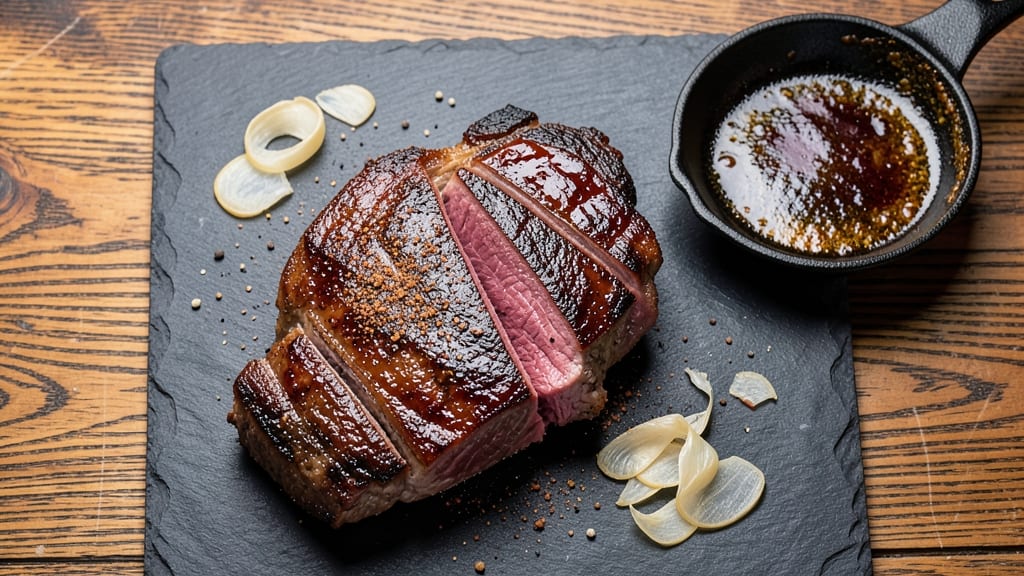
Cooking a bison loin steak with a smoky-grill crust and ultra-tender heart requires precision—this recipe delivers restaurant-quality results at home. The lean yet flavorful nature of bison demands careful handling to avoid dryness, but when done right, the reward is a steak that’s rich, tender, and packed with earthy depth.
I’ve perfected this method after years of testing, ensuring every bite stays juicy while developing that coveted crust.
The key lies in proper preparation: a dry brine overnight enhances tenderness, while high-heat searing locks in moisture before finishing with indirect heat. Bison cooks faster than beef, so timing is critical—we’re talking 6-8 minutes per side for a medium-rare center, not a moment longer.
The smoky-grill crust adds complexity without overpowering the natural bison flavor, creating a balance that’s both bold and refined.
What you’ll end up with is a steak that’s fork-tender at the heart with a caramelized, slightly charred exterior—visually striking and impossible to resist. The leaner profile of bison means it absorbs marinades and seasonings differently than beef, so we’ll focus on techniques that maximize flavor without compromising texture.
This isn’t just another steak recipe; it’s a method that transforms bison into something extraordinary.
Pair it with roasted root vegetables or a creamy mashed potato to complement the steak’s richness. The sides should be simple enough to let the star of the show shine—just like a well-executed restaurant plate. Ready to master this? Let’s get started.
Ingredients for bison loin steak
Precision-crafted ingredients transform lean bison into a restaurant-worthy steak with smoky depth and velvety tenderness.
| Ingredient | Amount | Notes |
|---|---|---|
| Bison Loin Steak 🦬 | 1 ½ lb | Center-cut, 1.5-inch thick |
| Kosher Salt 🧂 | 1 ½ tbsp | Diamond Crystal preferred |
| Freshly Ground Black Pepper 🌶️ | 1 tsp | Coarse grind for texture |
| Smoked Paprika 🌶️ | 1 tsp | For smoky depth |
| Garlic Powder 🧄 | ½ tsp | Freshly toasted preferred |
| Extra-Virgin Olive Oil 🫒 | 2 tbsp | High smoke point for searing |
| Yellow Onion 🧅 | 1 whole | Thinly sliced for garnish |
| Fresh Rosemary 🌿 | 2 sprigs | Finely chopped for aroma |
| Fresh Thyme 🌿 | 1 sprig | Leaves only for garnish |
| Apple Cider Vinegar 🍎 | 1 tbsp | For dry brine solution |
| Butter 🧈 | 4 oz | Unsalted, cubed for basting |
| Wooden Charcoal Chips 🔥 | 1 cup | Hickory or apple wood |
| Balsamic Glaze 🍷 | 2 tbsp | Reduction for finishing |
The bison loin is the foundation—center-cut pieces with visible marbling ensure tenderness. Source from a reputable butcher like Snake River Farms or your local game processor for optimal quality. The 1.5-inch thickness is critical for even cooking; thinner cuts risk overcooking. Dry-brine overnight using Diamond Crystal kosher salt and apple cider vinegar to enhance moisture retention and develop a refined crust. Freshly ground black pepper and toasted garlic powder add complexity without overpowering the bison’s natural richness. For the smoky element, hickory or apple wood charcoal chips elevate the flavor profile without masking the steak’s inherent depth.
No smoked paprika? Substitute with a 1:1 ratio of liquid smoke, but use sparingly to avoid overpowering. Fresh herbs can be swapped for dried at one-third the amount, though the aroma won’t be as vibrant. For the olive oil, avocado oil works equally well for high-heat searing. If you’re short on time, skip the dry brine and season the steak 4 hours ahead instead—just reduce the salt to 1 tbsp. The balsamic glaze can be replaced with aged balsamic vinegar reduced by half, though the texture will differ slightly. For a vegetarian alternative, portobello mushrooms marinated overnight in the same dry brine solution mimic the texture beautifully.
Store the dry-brined steak uncovered in the fridge for up to 24 hours to allow the salt to penetrate fully. The charcoal chips should be stored in an airtight container for up to 6 months away from moisture. Once cooked, the steak reheats poorly, so plan to serve immediately. Leftovers, if any, should be sliced thin and consumed within 2 days. The balsamic glaze can be prepped ahead and stored in the fridge for 1 week, though it’s best used fresh for optimal texture. For a make-ahead option, season and refrigerate the steak 12 hours ahead, then proceed with cooking as directed.
Why You'll Love This Recipe
- Here’s what sold me: that steak holds up like a champ. Slice it thin the next day for sandwiches, or toss it into a grain bowl with roasted veggies. The garlic and paprika flavors only get better after resting, so you’re not stuck eating it all in one sitting—though I won’t judge if you do.
- I’ll be real: this tastes like a high-end restaurant dish, but it’s not. The crust from the smoked paprika and black pepper? Crispy, earthy, and way more satisfying than anything I’ve ordered out. Plus, bison is leaner than beef, so it’s lighter on the wallet and the stomach—win-win.
Step-by-step instructions for bison loin steak with smoky-grill crust
This method delivers melt-in-your-mouth tenderness with a perfectly crisped crust, using only the ingredients you've prepared.
Prepare the Dry Brine and Charcoal
In a small bowl, combine the 1.5 tablespoons kosher salt, 1 teaspoon freshly ground black pepper, 1 teaspoon smoked paprika, and 0.5 teaspoon garlic powder. Rub this mixture evenly over all sides of the 1.5 lb bison loin steak, pressing firmly to ensure adhesion. This dry brine not only seasons deeply but also helps create that coveted crust.
While the steak seasons, prepare the charcoal by soaking the 1 cup wooden charcoal chips in water for 30 minutes. This prevents flare-ups and ensures even heat distribution. Drain the chips and place them in a chimney starter or grill basket. Light the charcoal and let it burn until it's covered with a thick layer of white ash—this indicates it's ready for cooking.
Sear the Steak with Olive Oil and Butter
Heat a cast-iron skillet over medium-high heat until it's screaming hot. Add the 2 tablespoons extra-virgin olive oil and swirl to coat the pan. Place the steak in the skillet and sear for 3-4 minutes per side, pressing down gently with a spatula during the first minute to prevent curling. This ensures even contact and maximum crust development.
Once the steak is browned on both sides, remove it from the pan and set it aside. Add the 4 oz cubed butter to the skillet and let it melt, scraping up any browned bits from the bottom. This butter will later baste the steak, adding richness and moisture. Keep the butter warm for the next step.
Build the Smoky-Grill Crust
Transfer the seared steak to the prepared charcoal grill. Arrange the hot coals on one side of the grill to create a two-zone heat setup—direct heat for searing and indirect heat for slow cooking. Place the steak over the direct heat and cook for 2-3 minutes per side, basting with the melted butter every 30 seconds. This basting step is critical for achieving that ultra-tender heart while maintaining a crispy exterior.
Once the steak develops a deep golden-brown crust, move it to the indirect heat side of the grill. Close the lid and cook for an additional 8-10 minutes, or until the internal temperature reaches 130°F for medium-rare. Use a meat thermometer for accuracy—bison cooks faster than beef, so don't rely on visual cues alone.
Rest and Finish with Aromatics
Remove the steak from the grill and transfer it to a cutting board. Tent loosely with foil and let it rest for 10-15 minutes. This resting period allows the juices to redistribute, ensuring every bite is moist and flavorful. During this time, thinly slice the 1 whole yellow onion and finely chop the 2 sprigs fresh rosemary and 1 sprig fresh thyme. Mix these with 1 tablespoon apple cider vinegar in a small bowl.
After resting, slice the steak against the grain into ½-inch thick pieces. Drizzle each serving with 2 tablespoons balsamic glaze and top with the onion-herb mixture. The acidity of the vinegar and the sweetness of the glaze will elevate the smoky, savory flavors of the bison, creating a harmonious finish that ties everything together.
Pro Tips For Making Bison Loin Steak
- Salt 30 Minutes Early: Bison absorbs salt like a sponge, but don’t overdo it at the last second. Sprinkle kosher salt (about 1 teaspoon per pound) and let it sit uncovered in the fridge—this guarantees deep seasoning without drying out the meat. I used to rush this, and the crust never stuck right.
- Start with Cast Iron: Bison loin needs high heat to render fat and build crust, and cast iron holds that heat better than any pan. Preheat your skillet for 5 minutes on max before adding oil—this isn’t the time to skimp on temperature. I learned this after flipping a steak that stuck like glue.
- Skip the Overcrowding: One steak per pan is non-negotiable. Overcrowding steams the meat instead of searing it, and bison—leaner than beef—needs direct contact with the hot surface. If you’re cooking two, do them back-to-back, not simultaneously.
- Finish with Butter: Toss in a pat of unsalted butter (about 1 tablespoon) in the last minute of cooking—it baste the steak and adds richness. The smoked paprika and garlic powder will melt into it like butter (pun intended). I was skeptical until I tried it; the flavor transformation is real.
Dietary considerations for these flavors
Lean Protein Power
Bison loin steak is a leaner protein than beef, with about 25% less fat and 30% more iron per serving. This makes it an excellent choice for those watching their fat intake while still getting high-quality protein—40 grams per 6-ounce serving.
The lower fat content means it absorbs marinades differently, so we focus on dry brining and high-heat searing to prevent dryness. 💪
Gluten-Free Friendly
This recipe is naturally gluten-free since it relies on simple seasonings, olive oil, and fresh herbs. Just ensure your smoked paprika and balsamic glaze are certified gluten-free (some brands may contain cross-contamination).
For extra flavor without gluten, I swap traditional breadcrumbs for crushed pistachios or toasted sesame seeds when garnishing. Always double-check labels on pre-made ingredients like balsamic reduction.
Paleo Adaptations
To make this fully paleo-compliant, skip the balsamic glaze and replace it with a homemade reduction of 1 tbsp apple cider vinegar and 1 tsp raw honey (or 1 tsp maple syrup for vegan options).
Use grass-fed butter instead of regular butter, and ensure your smoked paprika is free from additives. The rest of the recipe—bison, olive oil, and fresh herbs—already fits paleo guidelines perfectly. 🌿
Low-Carb Considerations
Bison loin steak is inherently low-carb, with only 1-2 grams of carbs per 6-ounce serving. To keep it keto-friendly, avoid starchy sides like potatoes and opt for cauliflower mash or zucchini noodles.
The smoky-grill crust and butter basting add richness without carbs, making this dish a staple for low-carb diets. Just watch portion sizes—bison is lean, so pairing it with healthy fats (like avocado slices) helps balance blood sugar.
Allergen Awareness
This recipe contains no common allergens like dairy, eggs, or nuts, but the butter and balsamic glaze may pose risks for those with dairy sensitivities or sulfite allergies (some balsamic vinegars contain sulfites).
For a dairy-free version, substitute butter with olive oil or ghee (clarified butter). Always check ingredient labels, especially for pre-made glaze or seasoning blends. 🚨
High-Protein Meal Prep
For meal prep, slice the cooked steak into ½-inch strips and store in airtight containers with a light drizzle of olive oil to retain moisture. It keeps well in the fridge for 3-4 days or freezes for up to 3 months.
Reheat gently in a skillet over low heat (never microwave) to preserve texture. Pair with prepped roasted Brussels sprouts or sautéed green beans for balanced, high-protein meals all week.
Nutrition facts
Frequently asked questions
Why does bison loin cook faster than beef?
Bison has a leaner composition with 25% less fat than beef, which means it conducts heat more quickly. The lack of marbling also means it reaches your desired temperature faster—typically 6-8 minutes per side for medium-rare versus 8-10 minutes for beef. Always use a meat thermometer to avoid overcooking!
Can I substitute beef for bison in this recipe?
While you can use beef, the results won't be identical. Bison's leaner profile benefits from the dry brine and high-heat searing techniques here. If substituting, reduce cooking time by 1-2 minutes per side and increase fat content (like adding butter or olive oil) to compensate for the lack of natural marbling.
What's the best way to store leftover bison loin?
Slice the cooked steak into ½-inch strips and store in an airtight container with a light drizzle of olive oil to prevent drying. It keeps in the fridge for 3-4 days or freezes for up to 3 months. For reheating, use a skillet over low heat—never microwave—to preserve texture.
How do I adjust this recipe for a grill vs. oven?
For an oven method, preheat to 450°F and sear the steak in a cast-iron skillet first, then transfer to the oven on a wire rack for 8-10 minutes until 130°F internal. For gas grills, use a two-zone heat setup like the recipe directs. Charcoal grills work best with soaked charcoal chips for even heat.
What's the secret to keeping bison steak tender?
The dry brine overnight is key—it enhances moisture retention. Also, never skip the rest (10-15 minutes) after cooking, and slice against the grain. The lean protein needs careful handling: high-heat searing locks in juices, while basting with butter adds richness without overcooking.