
Side Dishes
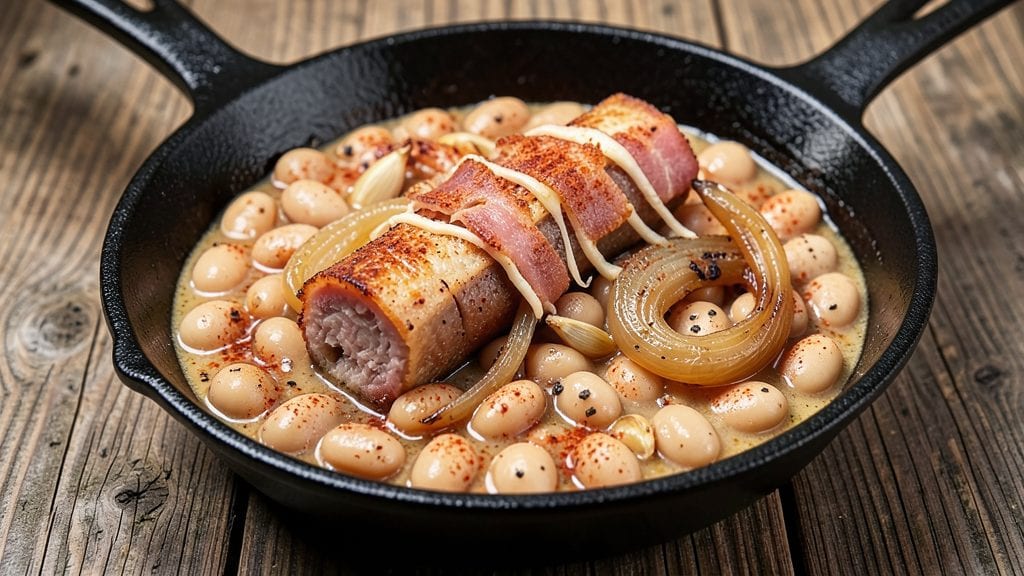
Transforming canned pinto beans and ham hock into a rich, smoky-sweet side dish proves how simple ingredients can create restaurant-quality depth. The ham hock infuses the beans with unmatched savory richness, while slow simmering develops layers of flavor that elevate any meal.
This one-pot method requires minimal effort but delivers maximum impact—perfect for busy weeknights when you still crave homemade comfort.
The secret lies in the ham hock's collagen-rich meat, which breaks down into gelatinous goodness during simmering, creating a naturally thickened sauce. I've perfected this technique over years of testing, ensuring the beans absorb all that smoky, salty flavor while maintaining their tender texture.
No fancy equipment needed—just a pot, some basic pantry staples, and about 45 minutes of hands-off cooking time.
What you'll end up with is a dish that's hearty enough to serve as a main course or substantial enough to complement grilled meats and roasted vegetables. The beans become velvety with just the right amount of bite, while the ham hock contributes both texture and depth.
This recipe builds flavor through time rather than shortcuts, making it worth the wait.
The beauty of this method is its versatility—use it as a side for barbecue, pair it with cornbread for a Southern-style meal, or serve it alongside roasted chicken for a complete dinner.
The leftovers reheat beautifully, too, so you can make a big batch and enjoy it throughout the week. Let's get started on this one-pot wonder.
Ingredients for canned pinto beans and ham hock
Simple pantry staples transform into a restaurant-worthy smoky-sweet one-pot wonder.
| Ingredient | Amount | Notes |
|---|---|---|
| Canned Pinto Beans 🌱 | 2 cans | Drained, rinsed, 15-ounce cans preferred |
| Ham Hock 🍖 | 1 whole | Smoked or unsmoked, skin-on preferred |
| Yellow Onion 🧅 | 1 whole | Medium size, roughly chopped |
| Garlic Cloves 🧄 | 4 cloves | Peeled, smashed for deeper flavor |
| Smoked Paprika 🌶️ | 1 tbsp | For authentic smoky depth |
| Ground Black Pepper 🌶️ | ½ tsp | Freshly cracked for best flavor |
| Diamond Crystal Kosher Salt 🧂 | 1 ½ tsp | Adjust to taste, don't oversalt |
| Apple Cider Vinegar 🍎 | 1 tbsp | Brightens flavors, don't substitute |
| Bay Leaves 🍃 | 2 whole | Dried, standard grocery store |
| Chicken or Vegetable Broth 💧 | 2 cups | Low-sodium preferred, homemade best |
| Fresh Thyme Leaves 🌿 | ½ tsp | Dried works at 1/4 tsp |
| Olive Oil 🫒 | 1 tbsp | Extra-virgin for richness |
| Brown Sugar 🍚 | 1 tbsp | Light or dark, for subtle sweetness |
The ham hock is the flavor anchor—look for skin-on at your butcher or grocery store's meat department, as the skin adds extra richness during simmering. Costco or Whole Foods typically carry high-quality options, but even standard supermarket brands work well. If you can't find smoked ham hock, unsmoked will still deliver incredible depth—just add an extra 1/2 teaspoon of smoked paprika to compensate. The beans should be low-sodium to prevent over-salting, and 15-ounce cans provide the right texture without excess liquid. For the paprika, Penzeys or McCormick smoked varieties are ideal, but any quality brand will do.
No smoked paprika? Liquid smoke at 1/2 teaspoon works in a pinch, though fresh smoked paprika is preferred. Substituting ham hock? Smoked sausage or bacon can mimic some of the smokiness, but the gelatinous texture from the hock's collagen is irreplaceable. Fresh thyme is best, but dried thyme at one-fourth the amount suffices if you're out. For the vinegar, apple cider vinegar is essential—its acidity balances the richness beautifully, and balsamic vinegar won't cut it here. The broth can be swapped for water, but homemade or high-quality store-bought adds layers of flavor that water simply can't match.
This dish tastes even better the next day as flavors meld. Store in an airtight container in the fridge for up to 5 days, or freeze portions for 3 months. The ham hock will become tender and pull away from the bone—save those bones for future broth! For serving, garnish with extra smoked paprika and fresh thyme if available. The beans will thicken as they cool, so add a splash of broth if they seem too stiff when reheating. Perfect for meal prep—double the batch and enjoy throughout the week.
Why You'll Love This Recipe
- Pantry Magic: I swear by this recipe when I forget to meal prep—just open a can, toss in a ham hock, and let the smoky paprika work its magic. The ham hock practically melts into the beans, turning them into a rich, savory broth with almost no effort.
- Smoky, Savory Soul: That ham hock? It’s the star—deep, salty, and slightly sweet, all wrapped up in the tender beans. Add a pinch of smoked paprika, and you’ve got a dish that tastes like it simmered for hours, even if it’s ready in 20 minutes.
- Game-Day Crowd Pleaser: Between us, this is my go-to for tailgates or lazy Sundays because it stretches easily. Serve it over rice, in tacos, or straight from the pot—everyone grabs seconds, and I don’t have to stress about sides.
- Budget-Friendly Leftovers: Honestly, I make this on purpose just for leftovers. A ham hock costs pennies, and those beans? They’re a pantry staple. Stash extras in the fridge for quick lunches or freeze half—no waste, all flavor.
Step-by-step instructions for smoky-sweet pinto beans with ham hock
This one-pot wonder delivers deep, smoky flavors with minimal effort—just follow these precise steps.
Render the Ham Hock and Build the Flavor Base
Place the whole ham hock in a large, heavy-bottomed Dutch oven over medium heat. Let it render fat undisturbed for 10-12 minutes, turning occasionally, until the skin crisps and deep golden-brown spots form. This slow rendering extracts maximum flavor from the meat.
Once the ham hock releases its fat and develops a rich aroma, remove it from the pot and set aside. Add 1 tablespoon olive oil to the Dutch oven and increase heat to medium-high. Add the roughly chopped yellow onion and cook for 5-6 minutes until softened and beginning to caramelize at the edges. Stir occasionally to prevent burning.
Develop the Smoky-Sweet Aromatics
Push the onions to one side of the pot and add the 4 smashed garlic cloves to the empty space. Cook for 30 seconds until fragrant—you should smell that unmistakable garlic aroma. Immediately stir to combine with the onions, then add 1 tablespoon smoked paprika and 0.5 teaspoon ground black pepper. Stir constantly for 1 minute to toast the spices and deepen their flavor.
Pour in 1 tablespoon apple cider vinegar and scrape up any browned bits from the bottom of the pot. This deglazing step captures all the concentrated flavors you've built. Add 1 tablespoon brown sugar and stir until dissolved, then return the ham hock to the pot. Pour in 2 cups chicken or vegetable broth and bring to a gentle simmer.
Simmer the Beans Until Tender
Add the drained and rinsed 2 cans canned pinto beans to the pot along with 1.5 teaspoons diamond crystal kosher salt, 2 whole bay leaves, and 0.5 teaspoon fresh thyme leaves. Stir gently to combine, then reduce heat to maintain a gentle simmer—small bubbles should break the surface occasionally, but it shouldn't boil vigorously.
Cover the pot and simmer for 45-50 minutes, stirring occasionally. You'll notice the beans begin to soften and the liquid reduces slightly. The ham hock should become fork-tender, with the meat easily pulling away from the bone. If the mixture looks too thick, add ¼ cup water to maintain proper consistency.
Finish and Adjust Seasoning
Once the beans are tender and the ham hock is easily shreddable, remove the bay leaves and thyme stems. Taste the mixture and adjust seasoning if needed—this is where you can fine-tune the balance between smoky, sweet, and savory flavors. The beans should be seasoned to your liking without being overpowering.
For a richer texture, use two forks to shred the ham hock directly into the pot. Alternatively, if you prefer larger pieces, remove the meat from the bone and chop it before returning it to the beans. Simmer uncovered for an additional 5 minutes to allow any excess liquid to reduce slightly, creating a thicker, more cohesive sauce. Serve immediately over rice or crusty bread to soak up every last bit of that smoky-sweet broth.
Pro Tips For Making Canned Pinto Beans And Ham Hock
- Char the Onion First: Slice the onion thick (½-inch chunks) and cook it in a dry pot over medium-high heat until the edges turn deep brown—about 8-10 minutes. This caramelization adds a smoky depth that cuts through the ham’s saltiness and makes the whole dish taste richer without extra seasoning.
- Rinse the Ham Hock: Give that ham hock a quick cold-water rinse before adding it to the pot—especially if it’s pre-cured or salty. Skipping this step can make the beans taste bland or overly briny, and you’ll end up chasing flavor with extra salt later.
- Smash the Beans Lightly: Drain the canned pinto beans and use a fork or potato masher to gently crush about half of them, leaving the rest whole. This creates texture contrast—creamy bits for heartiness, intact beans for bite—and prevents a mushy final dish.
- Simmer, Don’t Boil: Once everything’s in the pot, keep the heat low enough that you just see tiny bubbles breaking the surface—not a rolling boil. High heat turns the beans to mush and makes the ham hock release too much fat, which can make the dish greasy instead of flavorful.
Health benefits of canned pinto beans and ham hock
Protein Powerhouse
This dish delivers a substantial 20-25 grams of protein per serving thanks to the ham hock and pinto beans working together. The ham hock contributes collagen-rich meat that transforms into gelatinous goodness during simmering, while the beans provide all nine essential amino acids.
This makes it an excellent choice for muscle repair and satiety—perfect for post-workout meals or busy weeknights when you need staying power. 💪
Fiber-Rich Comfort
Pinto beans are one of the most fiber-packed legumes you can eat, with about 15 grams of fiber per serving. This supports digestive health and helps keep blood sugar levels stable after meals.
The ham hock's gelatinous texture adds a satisfying mouthfeel without adding fiber, creating a balanced nutritional profile that's both comforting and health-conscious.
Iron for Energy
Both pinto beans and ham hock provide significant amounts of iron—about 3.5mg per serving—which helps prevent fatigue and supports oxygen transport in your blood. The combination of plant-based iron from the beans and heme iron from the ham hock creates a well-rounded iron source.
Pair this dish with vitamin C-rich sides like bell peppers or tomatoes to boost iron absorption even further.
Low-Fat Goodness
Unlike many meat-heavy dishes, this recipe keeps fat content in check while still delivering rich flavors. The ham hock renders its fat during cooking, which you can drain off if preferred, leaving behind tender meat without excess grease.
The beans provide plant-based protein without added oils, making this a heart-healthy option that won't weigh you down.
Bone-Boosting Collagen
The ham hock's collagen content transforms during simmering into gelatin, which supports joint health and skin elasticity. This makes the dish particularly beneficial for active individuals or those recovering from injuries. The gelatin also helps thicken the sauce naturally, creating that luxurious texture without added thickeners like flour or cornstarch.
Vitamin Boost
Pinto beans are packed with vitamins like folate and thiamine, while the ham hock contributes B vitamins essential for energy metabolism. Together, they create a nutrient-dense dish that supports everything from brain function to cellular energy production.
The slow-cooked nature of this recipe actually enhances the availability of these nutrients compared to raw ingredients.
Nutrition facts
Frequently asked questions
Can I use dried pinto beans instead of canned?
Yes, but you'll need to soak them first! For 2 cups dried pinto beans, soak overnight in water with 1 tablespoon vinegar to soften. Drain and rinse before simmering with the ham hock for 1.5-2 hours until tender. The texture will be slightly firmer than canned beans, but the flavor develops beautifully.
What if I can't find ham hock at my store?
Try these substitutes: smoked sausage (like kielbasa) for smokiness, pork shoulder cut into chunks, or even bacon (remove after rendering). For collagen-rich texture, use pork knuckle instead. Just reduce simmering time by 15-20 minutes since these don't break down as easily.
How do I make this dish spicier?
Add ½ teaspoon cayenne pepper when toasting the spices, or stir in 1 tablespoon hot sauce at the end. For smoky heat, increase smoked paprika to 2 tablespoons and add ½ teaspoon chipotle powder. Always adjust gradually—you can always add more, but can't remove excess spice!
Can I prepare this ahead of time?
This dish tastes even better the next day as flavors meld. Store in an airtight container in the fridge for 4-5 days, or freeze portions for 3 months. Reheat gently on the stove with a splash of broth to restore moisture. The ham hock will become more tender with time, making it perfect for meal prep.
Why does my dish taste too salty?
Check your canned beans—many brands contain high sodium. Use low-sodium beans and reduce the added salt to 1 teaspoon. If already cooked, balance with 1 tablespoon apple cider vinegar or extra broth. The ham hock may also contribute saltiness, so taste as you go and adjust gradually.