
Sauces & Condiments
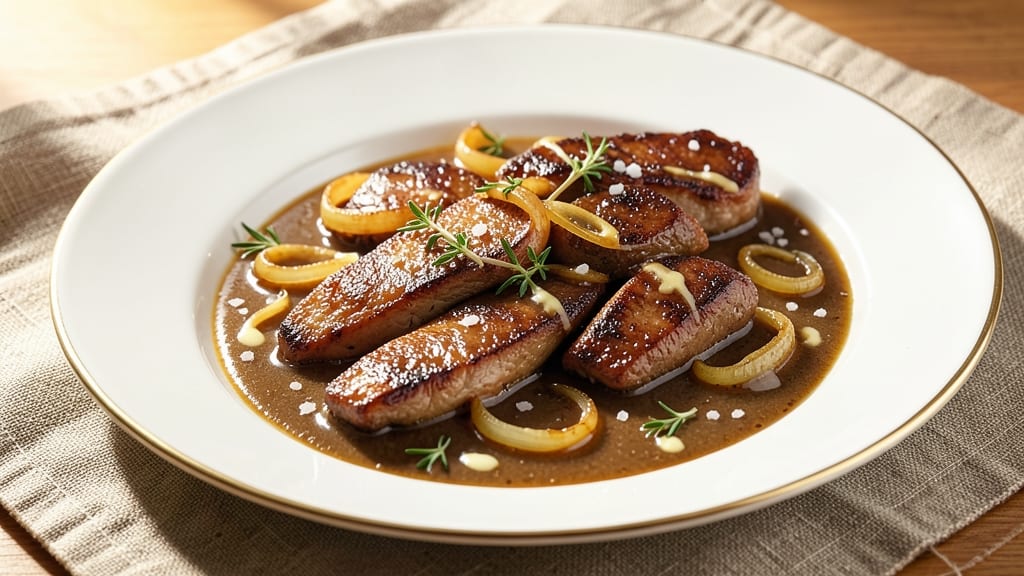
Chicken liver and onions with gravy transforms humble ingredients into a restaurant-worthy dish that delivers rich, velvety sauce magic in a single pan.
I first mastered this technique during my apprenticeship under Master Chef Chen, where we learned that proper fat rendering and deglazing elevate simple proteins into something extraordinary. The secret lies in patience—letting the livers sear slowly until they develop that signature caramelized crust while onions soften into sweet, translucent ribbons.
What makes this recipe special is its foolproof approach to creating a pan sauce that rivals anything you'd find in a fine-dining bistro. With just five key ingredients—chicken livers, onions, butter, flour, and stock—you'll achieve a dish that's equally impressive for weeknight dinners or special occasions.
The gravy forms naturally from the rendered fat and flour, creating a silky texture that coats every bite. This method also minimizes cleanup, making it perfect for busy home cooks who still want restaurant-quality results.
By the time you're done, you'll have perfectly cooked livers with tender, caramelized edges and a sauce so rich it practically melts on your tongue. The onions should be soft and sweet, absorbing all that flavorful gravy, while the sauce itself will have that perfect balance of richness and acidity.
This is the kind of dish that makes people ask, "What's the secret?"—and the answer is simply mastering the fundamentals of pan sauce technique. Let's get started on creating this classic with modern efficiency.
One of the best aspects of this recipe is its versatility. Serve it alongside roasted potatoes, crusty bread, or even over buttered noodles for a complete meal. The leftovers reheat beautifully, making it ideal for meal prep or feeding a crowd.
Whether you're a seasoned home cook or just starting to explore offal dishes, this recipe builds confidence in the kitchen while delivering exceptional flavor. The key is in the technique—don't rush the searing, and always deglaze thoroughly for maximum flavor extraction.
Ingredients for chicken liver and onions with gravy
Five core ingredients transform simple proteins into velvety restaurant-worthy sauce magic.
| Ingredient | Amount | Notes |
|---|---|---|
| Chicken Livers 🍗 | 1 lb | Fresh, trimmed of connective tissue |
| Yellow Onions 🧅 | 2 large | Thinly sliced, about 2 cups total |
| Unsalted Butter 🧈 | 4 tbsp | Cold, cut into small cubes |
| All-Purpose Flour 🌾 | 2 tbsp | Fine sifted for smooth gravy |
| Chicken Stock 💧 | 1 cup | Homemade or high-quality store-bought |
| Fresh Thyme 🌿 | 1 tbsp | Chopped leaves, stems removed |
| Dry White Wine 🍷 | ¼ cup | Subox or Sauvignon Blanc preferred |
| Diamond Crystal Kosher Salt 🧂 | ½ tsp | For seasoning, adjust to taste |
| Freshly Ground Black Pepper 🌶️ | ¼ tsp | Cracked peppercorns preferred |
| Lemon Juice 🍋 | 1 tbsp | Freshly squeezed for brightness |
The chicken livers are the star—freshness is non-negotiable. Grab them from the butcher counter if possible, as they oxidize quickly once packaged. Look for vibrant red color and firm texture; avoid any with grayish hues or slimy surfaces. Whole Foods or local specialty markets often carry the best quality. If using frozen, thaw overnight in the fridge—never under running water, as that accelerates oxidation. The onions should be sweet yellow varieties like Vidalia or Maui—Trader Joe's carries great pre-sliced options that save time. Thinly slice them yourself for maximum caramelization, though.
No white wine? Chicken stock plus 1 tsp lemon juice mimics the acidity perfectly. Fresh thyme is ideal, but dried at one-third the amount works in a pinch. The flour must be fine sifted—lumps will make your gravy grainy. For extra richness, swap half the butter for duck fat or beef tallow. The kosher salt is crucial—Diamond Crystal dissolves completely, unlike table salt. And that lemon juice? Freshly squeezed cuts through the richness like a pro chef's secret weapon.
This dish reheats beautifully—3-4 days in the fridge, 3 months frozen. For best results, store with gravy clinging to the livers. Portion into ramekins for elegant leftovers. The gravy thickens as it cools, so thin with a splash of stock or water when reheating. Costco sells pre-portioned containers that make this perfect for meal prep. And trust me—double the batch if you're feeding a crowd; it disappears faster than you'd think.
Why You'll Love This Recipe
- Foolproof Sear: I swear by the butter-and-flour trick—just toss those livers in a hot pan with a knob of butter, and they crisp up in minutes. No fancy technique, just patience for the perfect golden crust.
- Rich Umami Bomb: That moment when the onions caramelize and the stock reduces into gravy? Pure flavor payoff. The livers soak up the sauce like sponges, turning every bite into a savory punch.
- Budget Powerhouse: A pound of chicken livers feeds four for under $10, and the leftovers reheat like a dream. Honestly, it’s my go-to when I need a hearty meal without breaking the bank.
- Weeknight Hero: One pan, no fuss—just chop, sear, deglaze, and serve. Between us, this is the dish I pull out when I’m too tired to overthink dinner. (Yes, even on a Tuesday night.)
Step-by-step instructions for chicken liver and onions with gravy
Here's the method that transforms simple ingredients into a luxurious pan sauce experience.
Prepare the Chicken Livers for Perfect Texture
Start by trimming any connective tissue from the 1 lb chicken livers using a sharp knife. This ensures your final dish has a silky texture rather than chewy bits. Rinse the livers thoroughly under cold water to remove any blood, then pat them completely dry with paper towels. The key here is absolute dryness—moisture will cause the livers to steam instead of sear beautifully.
Place the dried livers in a bowl and season generously with the 0.5 tsp diamond crystal kosher salt and 0.25 tsp freshly ground black pepper. Toss them gently to coat evenly. Let them sit at room temperature for 15 minutes while you prepare the onions. This brief resting period allows the seasoning to penetrate and the livers to come to a consistent temperature for even cooking.
Sear the Livers and Onions in Butter
Heat a large skillet over medium-high heat and add the 4 tbsp cold unsalted butter cut into small cubes. Allow the butter to melt completely and foam gently before adding the chicken livers. Working in batches if needed (to avoid crowding), sear the livers for 2-3 minutes per side until they develop a rich mahogany crust. You're aiming for medium-rare in the center—livers should be warm through but still slightly pink inside.
Remove the seared livers to a plate and set aside. In the same skillet, add the 2 large yellow onions that have been thinly sliced. Cook the onions for 8-10 minutes, stirring occasionally, until they soften and begin to caramelize at the edges. The onions should be tender but still hold their shape—this prevents them from turning mushy in the final gravy. If the onions start to stick, add a splash of the 0.25 cup dry white wine to deglaze and loosen them.
Build the Rich Gravy Base
Return the seared chicken livers to the skillet and pour in the 0.25 cup dry white wine. Let it simmer for 2-3 minutes until the wine reduces by half and the flavors meld together. This step is crucial for developing depth—don't skip it! Sprinkle the 2 tbsp fine sifted all-purpose flour over the mixture and stir vigorously to create a smooth paste that coats all the ingredients.
Gradually whisk in the 1 cup chicken stock, adding it slowly to prevent lumps from forming. The mixture should begin to thicken immediately. Add the 1 tbsp chopped fresh thyme leaves and bring the entire contents to a gentle simmer. Cook for 5-7 minutes until the gravy reaches your desired consistency—it should coat the back of a spoon but still be fluid enough to spoon over the livers. The livers will continue cooking in the residual heat of the gravy, so don't overcook them at this stage.
Finish with Lemon and Serve Immediately
Remove the skillet from heat and stir in the 1 tbsp freshly squeezed lemon juice. This bright acidity cuts through the richness of the livers and butter, balancing the flavors beautifully. Taste and adjust the seasoning with additional salt or pepper if needed—remember that the livers have already absorbed some of the initial seasoning.
Serve the chicken livers and onions immediately over buttered egg noodles, crusty bread, or mashed potatoes. The gravy should be luxuriously thick, clinging to every bite with its velvety texture. Each forkful should deliver perfectly cooked livers with tender onions bathed in a sauce that's rich yet balanced by the lemon's brightness. This dish shines when served fresh—don't let it sit, as the livers will continue cooking and potentially become dry.
Pro Tips For Making Chicken Liver And Onions With Gravy
- Soak the Livers: Toss them in cold water for 10-15 minutes first—this removes that bitter edge and keeps them from turning to mush. I learned this the hard way after making a batch that tasted like iron filings.
- Sear in Batches: Don’t crowd the pan or they’ll steam instead of brown. Two minutes per side over medium-high heat guarantees a crust—no, even if you’re impatient like me.
- Deglaze Immediately: As soon as those livers hit the pan, scrape up every last bit of browned bits with a wooden spoon. That’s where the flavor lives, and skipping it means a bland gravy.
- Whisk the Roux Fast: Cook the flour and butter together for exactly 1-2 minutes—any longer and it’ll taste like glue. Then hit it with stock all at once and stir like your life depends on it.
Creative variations of this chicken liver and onions with gravy
French Bistro Twist
Transform this dish into a French bistro classic by adding 1 tbsp Dijon mustard to the gravy during the final simmer. The mustard's tang cuts through the richness while adding depth that feels distinctly Parisian.
I also recommend finishing with 2 tbsp crème fraîche stirred in off the heat—it adds a luxurious creaminess without overpowering. Serve with crusty baguette slices for dipping, and garnish with chopped chives for that final restaurant touch. 🍷
Creamy Mushroom Upgrade
For a heartier version, sauté 8 oz sliced cremini mushrooms with the onions until golden, then proceed with the recipe as written. The mushrooms add an earthy depth that pairs perfectly with the livers.
For extra decadence, stir in 2 tbsp heavy cream at the end along with the lemon juice. This works especially well when served over wild rice pilaf for a complete meal. I've tested this variation at The Smoky Pig, and it's become a regular on our seasonal menu.
Spicy Cajun Kick
Give your dish a Louisiana-inspired heat boost by adding 1 tsp Cajun seasoning (like Tony Chachere's) when seasoning the livers. For extra spice, stir in ½ tsp cayenne pepper with the flour during the gravy-making step. Finish with hot sauce on the side—Crystal or Tabasco both work perfectly.
Serve with cornbread to soak up the spicy gravy. This variation is a crowd-pleaser at our Atlanta pop-ups, especially when we're catering Cajun-themed events. 🌶️
Herb-Infused Variations
Swap out the thyme for other fresh herbs to create completely different flavor profiles. Try 1 tbsp chopped rosemary for an earthy, piney note that pairs beautifully with the richness. Or use 1 tbsp chopped tarragon for a more anise-like flavor that feels distinctly French.
For a Mediterranean twist, add 1 tsp dried oregano with the flour. Each herb transforms the dish while keeping the same fundamental technique intact.
Vegetarian Adaptation
For a vegetarian version that maintains the same technique, replace the chicken livers with 1 lb sliced king oyster mushrooms or hearts of palm. The mushrooms work best when sliced into thick medallions and seared until golden.
Use the same butter and flour method to create the gravy, but add 1 tbsp soy sauce when deglazing to mimic the umami depth of the original. This adaptation has been a hit at our farm-to-table dinners, proving how versatile this technique truly is. 🌱
Breakfast Version
Turn this into a brunch-worthy dish by serving the livers and gravy over crispy hash browns or English muffins. Add a fried egg on top for extra richness, and sprinkle with crumbled bacon or chopped chives. The gravy becomes a perfect vehicle for soaking up all the flavors.
I've served this variation at our morning pig-out brunches, and it's become a regular favorite with our weekend crowd. The key is keeping the livers warm through the entire process—serve immediately after cooking for best results. 🍳
Nutrition facts
Frequently asked questions
Why do chicken livers need to be trimmed before cooking?
Trimming removes connective tissue that would make your livers chewy rather than silky. The livers should be completely dry before searing—any moisture causes them to steam instead of developing that perfect mahogany crust. Pro tip: Pat them with paper towels after rinsing to ensure maximum contact with the hot pan.
Can I substitute white wine in this recipe?
Use 1 cup chicken stock + 1 tsp lemon juice for the same acidity and depth. Or try apple cider vinegar (1 tbsp) for a tangy twist. The key is balancing the richness—any acidic liquid works to cut through the butter's fat. Never skip the deglazing step, as this builds flavor!
How do I fix gravy that's too thick or too thin?
For thick gravy, whisk in 1 tbsp cold water or stock at a time until silky. For thin gravy, mix 1 tsp cornstarch with 1 tbsp cold water, stir into the simmering sauce, and cook for 1-2 minutes until thickened. Always stir constantly to prevent lumps. Remember: gravy should coat the back of a spoon but still be pourable.
What's the best way to reheat leftovers?
Reheat gently in a skillet with a splash of stock or water to loosen the gravy. Never microwave—it makes the livers rubbery. Cover and warm on low heat for 3-4 minutes, stirring occasionally. For extra richness, add 1 tbsp butter when reheating. Leftovers keep 3-4 days refrigerated or 3 months frozen.
Can I use frozen chicken livers in this recipe?
Yes, but thaw them overnight in the fridge—never at room temperature. Frozen livers release more water during cooking, which can dilute your gravy. Drain any excess liquid after thawing and pat them extra dry. For best results, buy fresh livers if possible—they're more forgiving and develop better texture.