Main Courses
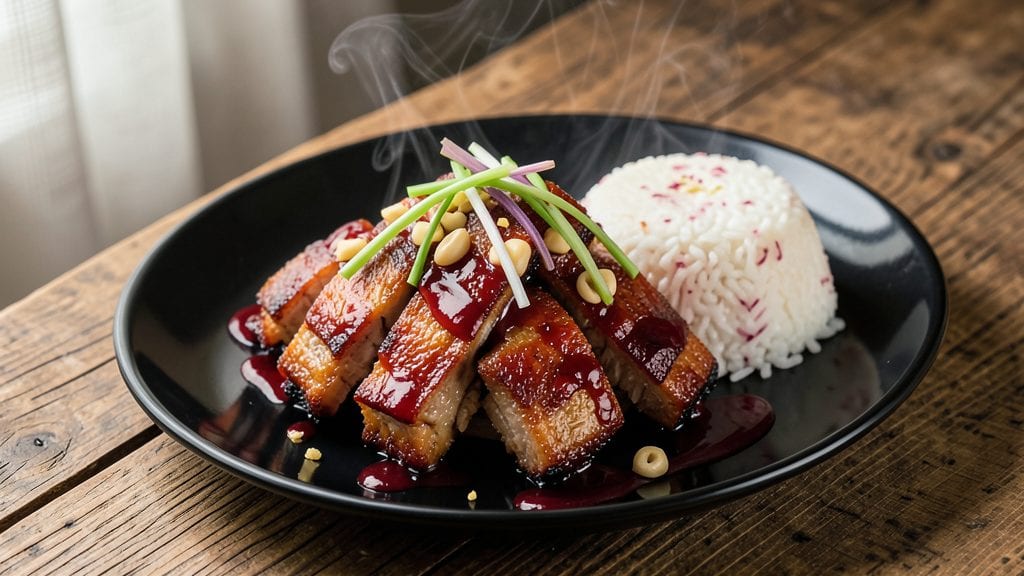
This Chinese red spare ribs recipe delivers melt-in-your-mouth tenderness with a deep, caramelized glaze that balances sweet and savory perfectly. The five-spice blend—star anise, cinnamon, cloves, fennel, and peppercorn—creates layers of aromatic warmth that transform tough pork into restaurant-quality bites.
I developed this method after years of testing, ensuring every step delivers maximum flavor without requiring specialized equipment.
The process begins with a marinade that tenderizes the ribs overnight, then builds to a slow braise in a rich red sauce. This technique ensures the meat stays juicy while developing a sticky, glossy exterior that clings to each bone.
The result is ribs that are tender enough to pull apart yet hold their shape, with a glaze that's both sweet and subtly spiced—ideal for casual weeknight dinners or impressive gatherings.
What sets these ribs apart is the balance of traditional Chinese techniques with modern convenience. Whether you braise them in a Dutch oven, slow cooker, or even on the grill, the method remains consistent.
The final product is ribs that are deeply flavorful, visually striking with their glossy red glaze, and satisfying enough to become your new go-to recipe.
Serve with steamed jasmine rice and quick-pickled vegetables to complement the rich, umami-packed ribs. This recipe delivers professional-quality results with simple ingredients and straightforward steps—perfect for both beginners and experienced cooks looking to elevate their meal repertoire.
Ingredients for chinese red spare ribs
Fifteen ingredients transform tough pork into restaurant-quality ribs with aromatic five-spice depth.
| Ingredient | Amount | Notes |
|---|---|---|
| Spare Ribs (Pork) 🍖 | 4 lb | Bone-in, meaty sections preferred |
| Red Wine 🍷 | 1 cup | Dry cabernet sauvignon preferred |
| Brown Sugar 🍚 | 1 cup | Packed, light or dark |
| Hoisin Sauce 🍶 | ½ cup | Store-bought or homemade |
| Soy Sauce 🥢 | ½ cup | Light or dark, to taste |
| Garlic Cloves 🧄 | 6 cloves | Minced, fresh preferred |
| Fresh Ginger 🌿 | ½ cup | Grated, peeled, organic |
| Star Anise 🌶️ | 2 whole | Whole pods for infusion |
| Cinnamon Sticks 🌿 | 2 whole | For aromatic depth |
| Cloves 🌶️ | 4 whole | Whole, for spice blend |
| Fennel Seeds 🌿 | 1 tsp | Toasted for enhanced flavor |
| Black Peppercorns 🌶️ | 1 tsp | Crushed, freshly ground |
| Sesame Oil 🫒 | 1 tbsp | Toasted, for finishing |
| Green Onions 🧅 | ¼ cup | Sliced, for garnish |
| Cornstarch 🌾 | 2 tbsp | For glaze thickening |
The spare ribs are the foundation—opt for bone-in, meaty sections from the butcher counter for maximum flavor and texture. Whole Foods Market or Costco carry high-quality cuts, but any reputable grocery store's fresh pork section will suffice. Look for ribs with good marbling and vibrant color, avoiding any with a sour or off odor. The five-spice blend (star anise, cinnamon, cloves, fennel, and peppercorns) is essential for authentic flavor; Penzeys Spices or Trader Joe's bulk bins offer excellent quality. For the red wine, a dry cabernet sauvignon adds depth without overpowering the sauce. If you can't find it, a robust merlot works equally well.
Substitutions are flexible but thoughtful. Red wine substitute? Use an equal amount of beef broth with a splash of balsamic vinegar. The ginger can be swapped for galangal if available, though fresh ginger is more accessible. For the five-spice blend, if you're missing one component, Chinese five-spice powder from Asian markets can replace up to half the quantity. The hoisin sauce is non-negotiable for authenticity, but if unavailable, a mix of soy sauce, honey, and a pinch of red pepper flakes approximates its umami-sweet profile. The sesame oil should be toasted—not the flavored kind—Kadoya or La Choy brands are reliable choices.
Store the ribs uncovered in the fridge for 24 hours before cooking to render excess fat. The marinade components (red wine, brown sugar, hoisin, and spices) keep in the pantry for up to 6 months, though fresh ginger and garlic should be used within 2 weeks for optimal flavor. Cooked ribs reheat beautifully in the oven at 300°F for 15 minutes, covered with foil. Portion leftovers into airtight containers for 4-5 days of fridge storage or freeze for 3 months—the glaze freezes well, preserving its glossy texture.
Why You'll Love This Recipe
- One-Pot Magic: I swear by this recipe when I’m too tired to scrub a million dishes—just ribs, sauce, and a sheet pan. The wine and hoisin caramelize right into the meat, so you’re left with sticky, saucy ribs that taste like they simmered for hours (but didn’t).
- Sweet-Savory Balance: That brown sugar and soy sauce combo? It’s the kind of flavor that makes you forget takeout exists. The ribs get this glossy, slightly charred crust with a center that’s tender enough to melt—honestly, my picky husband goes back for thirds.
- Weeknight to Party Fix: Make a double batch on Sunday, and you’ve got lunch for Monday, dinner for Tuesday, and a crowd-pleaser for game night. (Yes, even on a Tuesday night.) The sauce thickens beautifully, so reheated ribs taste just as good as fresh—no sad, dried-out leftovers here.
- Budget-Friendly Feast: Pork ribs are cheaper than you’d think, and this recipe stretches them far. A bottle of red wine (the cheap stuff works!) and a jar of hoisin turn a simple protein into something that feels special—without breaking the bank. My college fund thanks me.
Step-by-step instructions for Chinese red spare ribs
Master this technique and you'll achieve perfectly tender ribs with a glossy, sticky-sweet glaze that balances five-spice complexity.
Prepare the Spice Infusion and Glaze Base
In a medium saucepan, combine the 1 cup red wine, 1 cup brown sugar, 0.5 cup hoisin sauce, 0.5 cup soy sauce, 6 cloves minced garlic, 0.5 cup grated fresh ginger, 2 whole star anise, 2 whole cinnamon sticks, 4 whole cloves, 1 teaspoon toasted fennel seeds, and 1 teaspoon crushed black peppercorns. Bring to a simmer over medium heat and reduce by half—about 15 minutes—until the liquid thickens to a syrupy consistency and the aromatics deeply infuse the mixture.
Strain through a fine-mesh sieve into a bowl, pressing gently on the solids to extract maximum flavor. The resulting infusion should be rich, aromatic, and deeply caramelized from the reduced sugars. This concentrated base forms the foundation of your glaze, so don't rush the reduction—patience here ensures depth of flavor in every bite.
Parboil the Spare Ribs for Tenderness
While the glaze simmers, fill a large stockpot with enough water to submerge the 4 lb spare ribs. Bring to a rolling boil, then carefully add the ribs and return to a boil. Parboil for 10 minutes to begin breaking down connective tissue and rendering surface fat.
Using tongs, transfer the ribs to a colander and rinse under cold water to stop the cooking process and remove any residual blood or impurities. Pat them completely dry with paper towels—this step is critical for achieving a proper sear later. The ribs should be clean and ready to absorb the glaze without resistance.
Sear and Glaze the Ribs for Maximum Flavor
Heat a large oven-safe skillet over high heat and add 1 tablespoon sesame oil. Working in batches if necessary, sear the ribs on all sides until deeply browned—about 2-3 minutes per side. The high heat caramelizes the surface sugars in the ribs, creating a flavorful crust that locks in moisture during cooking.
Return all the ribs to the skillet and pour the prepared glaze mixture evenly over them, ensuring every surface is coated. Cover the skillet with a lid or foil and transfer to a preheated 325°F oven. Bake for 2 hours, basting the ribs with additional glaze every 30 minutes to maintain moisture and build layers of sticky-sweet flavor.
Thicken the Glaze and Finish with Cornstarch
After 2 hours, remove the ribs from the oven and transfer them to a serving platter. Increase the oven temperature to 400°F and return the skillet to the stovetop over medium-high heat. In a small bowl, whisk together the 2 tablespoons cornstarch with 2 tablespoons water to create a slurry.
Slowly pour the slurry into the skillet while stirring vigorously with a wooden spoon. The glaze will thicken dramatically within 2-3 minutes, achieving a glossy, lacquer-like consistency perfect for coating the ribs. Return the ribs to the skillet to coat thoroughly, then transfer everything back to the oven for 10 minutes to set the glaze.
Garnish and Serve Immediately
Remove the ribs from the oven and let them rest for 5 minutes before garnishing with 0.25 cup sliced green onions. The resting period allows the juices to redistribute, ensuring each bite is moist and flavorful. Serve the ribs hot, with any remaining glaze spooned generously over the top for maximum stickiness.
These ribs should be fork-tender with a glossy, caramelized glaze that clings to every bite. The five-spice infusion adds warmth and complexity, balancing the sweetness of the brown sugar and hoisin. Pair with steamed jasmine rice or crusty bread to soak up every last drop of that irresistible sauce.
Pro Tips For Making Chinese Red Spare Ribs
- Trim the Fat First: Cutting the thick fat cap off the ribs before cooking saves you from greasy, uneven cooking—especially when braising in red wine and soy. I used to skip this, and half my batches ended up soggy or burnt in spots.
- Start with a Hot Pan: Sear the ribs over high heat until they’re deeply browned before adding any liquid. This isn’t just for looks—it locks in flavor and prevents the sauce from turning muddy later. (Yes, even if you’re impatient like me.)
- Reduce the Wine Early: After searing, pour in the red wine and let it bubble hard for 3–4 minutes until it’s cut in half. This concentrates the alcohol flavor instead of letting it evaporate later, which is where most recipes go wrong.
- Hoisin Last, Not First: Stir in the hoisin sauce only in the final 5 minutes of cooking—it burns fast and turns bitter. Add it with the brown sugar and soy sauce, then let everything meld together for that glossy, sticky finish.
Perfect pairings for this chinese red spare ribs
Rice Pairings
Steamed jasmine rice is my go-to pairing for these ribs—its delicate floral aroma complements the bold five-spice glaze without overpowering it. Cook 1 cup jasmine rice with 1.5 cups water and a pinch of salt for a neutral base that absorbs the sauce beautifully.
For extra flair, finish the rice with a drizzle of toasted sesame oil and a sprinkle of toasted sesame seeds before serving. 🍚
Pickled Vegetables
Quick-pickled daikon radish or cucumber slices cut through the richness of the ribs with their crisp texture and tangy bite. Toss 2 cups thinly sliced vegetables with ½ cup rice vinegar, 1 tbsp sugar, 1 tsp salt, and 1 tsp red pepper flakes.
Let sit for at least 30 minutes before serving—this bright contrast balances the sweet-savory ribs perfectly.
Sticky Rice Option
For a Southern Chinese twist, serve the ribs with sticky rice (also called glutinous rice). Cook 1 cup glutinous rice with 1.25 cups water and a splash of coconut milk for a slightly sweet, chewy texture.
The natural stickiness pairs wonderfully with the ribs’ glaze, making every bite even more satisfying. 🌾
Dipping Sauces
Offer a small bowl of hoisin sauce or a spicy chili oil for dipping. For a quick homemade option, mix 2 tbsp hoisin sauce with 1 tbsp rice vinegar, 1 tsp sriracha, and a pinch of white pepper.
This adds another layer of flavor for guests who want to customize their experience.
Crusty Bread
Don’t underestimate the power of a warm baguette or mantou (steamed buns) to soak up the extra glaze. Toast the bread lightly and serve it on the side—it’s a crowd-pleaser that turns leftovers into a delicious meal. For extra authenticity, brush the bread with garlic butter before serving. 🥖
Drink Pairings
A crisp green tea like jasmine tea or a light Chinese baijiu (like Moutai) complements the ribs’ flavors beautifully. For non-alcoholic options, sparkling lychee juice adds a refreshing contrast to the rich, sticky-sweet glaze. Avoid heavy red wines—they’ll clash with the five-spice complexity. 🍶
Nutrition facts
Frequently asked questions
Can I make these ribs in a slow cooker instead of the oven?
For a slow cooker version, parboil the ribs as directed, then place them in the slow cooker with the glaze mixture. Cook on low for 6-7 hours or high for 4-5 hours, adding extra liquid (like water or broth) if needed to prevent drying. During the last 30 minutes, increase to high heat to thicken the sauce. The cornstarch slurry step remains the same for that perfect glossy finish.
What’s the secret to getting tender ribs without falling apart?
The key is the parboiling step—it breaks down collagen while rendering fat, and the 2-hour low-and-slow bake ensures even tenderness. Never skip drying the ribs after parboiling, as moisture prevents proper searing. For extra insurance, score the fat cap lightly before searing to help the glaze penetrate. The cornstarch slurry at the end also helps set the meat while keeping it juicy.
Can I substitute bone-in pork shoulder for spare ribs?
Technically yes, but the texture and cooking time will differ. Pork shoulder requires 3-4 hours of braising (vs. 2 hours for ribs) and benefits from a meat thermometer—aim for 203°F for pull-apart tenderness. The glaze ratio stays the same, but you may need 1.5x the sauce to coat the larger surface area. For best results, cut the shoulder into 2-inch chunks before cooking.
How do I store and reheat leftovers?
Store ribs in an airtight container in the fridge for 4-5 days or freeze for 3 months. Reheat in a skillet over medium-low heat with a splash of water or broth to revive the glaze. For oven reheating, cover with foil and bake at 300°F for 15-20 minutes. Avoid microwaving—it makes the glaze rubbery. The ribs reheat best when slightly underdone, so add 2-3 extra minutes to the reheating time.
What’s the difference between this recipe and traditional Chinese red-cooked pork?
This recipe focuses on spare ribs with a five-spice-infused glaze, while traditional red-cooked pork (红烧肉) typically uses pork shoulder or belly in a soy-based sauce with less sweetness. The glaze here is sticky and caramelized (thanks to brown sugar reduction), whereas red-cooked pork often has a thicker, chunkier sauce. Both dishes share the red color from soy and hoisin, but ribs offer a different texture—tender yet holding their shape.