
Main Courses
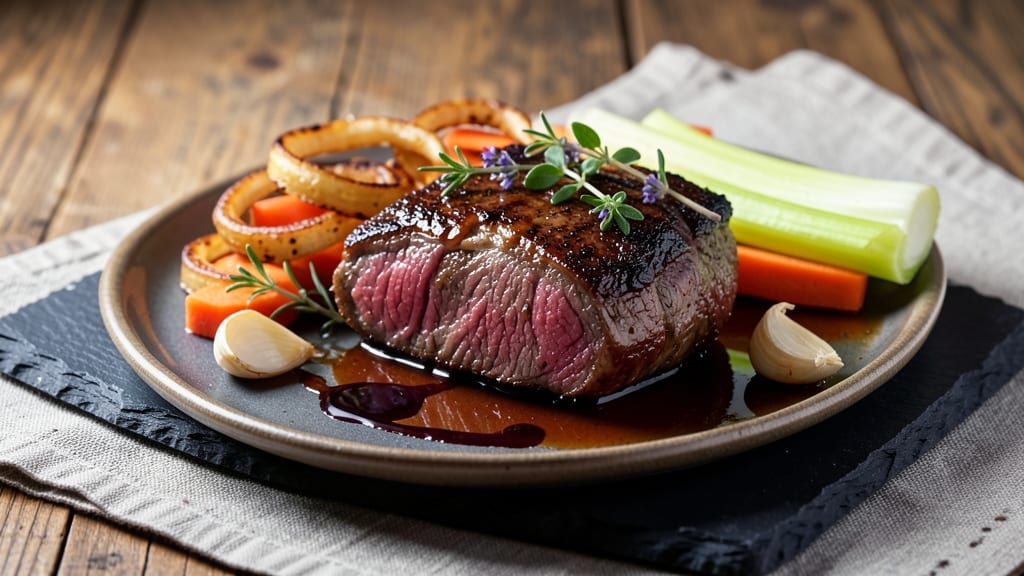
Transforming tough deer shoulder steak into melt-in-your-mouth perfection requires patience and precision—this slow-braised method delivers restaurant-quality results at home. The key lies in low-and-slow cooking that breaks down connective tissue while preserving the rich, gamey flavor deer meat is known for.
I’ve perfected this technique over years of hunting season dinners, ensuring every bite is tender without sacrificing depth of flavor.
This recipe starts with proper preparation—trimming excess fat and scoring the surface to help seasonings penetrate deeply. A dry rub of aromatic spices and herbs forms a flavorful crust, while slow braising in liquid transforms the meat into fork-tender slices.
The process takes time, but the reward is a dish that feels luxurious yet approachable for home cooks.
By the time you’re done, you’ll have rich, deeply flavorful steak with a surface that’s caramelized and aromatic, while the interior remains juicy and velvety. The braising liquid becomes a savory sauce perfect for drizzling over each slice, elevating even simple sides like roasted potatoes or fresh greens.
Whether you’re feeding a family or preparing for a hunting season celebration, this method ensures your deer shoulder steak becomes the centerpiece of the meal. The technique works equally well for other game meats, making it a versatile addition to your cooking repertoire.
Ingredients for deer shoulder steak
Gamey richness meets tender perfection with these 14 ingredients—no shortcuts, just deep flavor.
| Ingredient | Amount | Notes |
|---|---|---|
| Deer Shoulder Steak 🦌 | 3 lb | Bone-in, trimmed of excess fat |
| Yellow Onion 🧅 | 1 whole | Chopped, yellow or red |
| Carrot 🥕 | 3 whole | Large, peeled and chopped |
| Celery Stalks 🌿 | 3 whole | Chopped, fresh or frozen |
| Garlic Cloves 🧄 | 6 cloves | Peeled, smashed |
| Fresh Thyme 🌿 | ¼ cup | Stems removed, chopped |
| Fresh Rosemary 🌿 | ⅛ cup | Needles only, chopped |
| Bay Leaves 🍃 | 2 whole | Dried, standard size |
| Red Wine 🍷 | 1 ½ cups | Bold, dry (Cabernet Sauvignon) |
| Beef Broth 💧 | 2 cups | Low-sodium preferred |
| Tomato Paste 🍅 | 2 tbsp | Smooth, not chunky |
| Kosher Salt 🧂 | 2 tbsp | Diamond Crystal preferred |
| Black Peppercorns 🌶️ | 1 tbsp | Freshly cracked |
| Extra-Virgin Olive Oil 🫒 | ½ cup | For searing |
The deer shoulder is the star, so treat it right. Look for bone-in cuts with good marbling—this keeps the meat juicy during the long braise. Local butchers or specialty game stores often have the best quality, but don’t overlook the meat section at Costco or Whole Foods if you’re in a pinch. Trim excess fat but leave a thin layer for flavor. Score the surface in a crosshatch pattern (about 1/4-inch deep) to help the rub and aromatics penetrate deeply—this is non-negotiable for game meat. The fresh thyme and rosemary should smell vibrant, not dried out, and the bay leaves need to be whole for maximum flavor infusion.
No red wine? Substitute with extra beef broth plus a splash of balsamic vinegar—it’ll still deliver depth. Fresh herbs wilt fast? Dried thyme and rosemary at half the amount work in a bind, but fresh is ideal. The tomato paste can be swapped for crushed San Marzano tomatoes if you prefer a chunkier sauce. For the beef broth, low-sodium versions like Imagine or Pacific Foods prevent over-salting. The kosher salt is crucial—Diamond Crystal dissolves better than table salt, so don’t skimp. And yes, extra-virgin olive oil matters here; cheap oil won’t caramelize properly when searing.
This dish tastes even better the next day, so make it ahead if you’re hosting. The braised steak keeps 4-5 days in the fridge, and the sauce freezes beautifully for up to 3 months. Portion the meat into containers with some of the sauce for easy reheating—just warm through on the stove with a splash of water. The aromatics (onion, carrot, celery) can be prepped a day ahead and stored in the fridge, saving you time on cooking day. Leftovers reheat best slowly on low heat to avoid drying out the meat.
Why You'll Love This Recipe
- One-Pot Magic: I swear by this recipe because it’s that simple—just dump everything into one pot, add a splash of broth, and let it simmer. No fancy techniques, no extra dishes, and the carrots and celery practically cook themselves while the steak turns tender.
- Rich, Earthy Depth: Between the deep umami of the deer shoulder and the caramelized onions, this dish has layers. The garlic and celery add a bright, fresh cut that balances the richness—like a hug for your taste buds after a long week.
- Weeknight to Dinner Party: Honestly, this recipe works everywhere. Throw it together for a lazy Tuesday or dress it up with fresh herbs for a hunter’s feast. The leftovers? Even better the next day, especially reheated with a sprinkle of extra garlic powder.
- Budget-Friendly Luxury: Deer shoulder is leaner than beef but packed with flavor, so you’re getting a premium meal without the premium price. Plus, the veggies stretch it into a full meal—perfect for feeding a crowd without breaking the bank.
Step-by-step instructions for slow-braised deer shoulder steak
Here’s how to transform tough game meat into melt-in-your-mouth perfection.
Sear the Deer Shoulder Steak for Deep Flavor
Pat the 3 lb deer shoulder steak completely dry with paper towels—this ensures a proper sear. Heat 0.5 cup extra-virgin olive oil in a heavy Dutch oven over medium-high heat until shimmering. Place the steak in the pot, fat-side down first, and let it sear undisturbed for 8-10 minutes until a deep mahogany crust forms. Flip and sear the other side for another 6-8 minutes, pressing gently with a spatula to keep it flat.
This initial sear locks in juices and builds the foundation for the rich braising liquid. If the oil starts smoking excessively, reduce the heat slightly—you want a steady sizzle, not a flare-up. Once both sides are beautifully browned, remove the steak and set it aside on a plate.
Build the Aromatic Base for Complex Flavor
In the same Dutch oven, add the chopped yellow onion, chopped carrot, chopped celery stalks, and smashed garlic cloves. Cook over medium heat for 8-10 minutes, stirring occasionally, until the vegetables soften and the onions turn translucent. This step, called soffritto, develops the base flavor of the dish—don’t rush it.
Add the 2 tbsp tomato paste and cook for another 2 minutes, stirring constantly, until it darkens slightly. This deepens the color and adds umami richness. Sprinkle in the 2 tbsp kosher salt and 1 tbsp freshly cracked black peppercorns, then stir to distribute evenly. The vegetables should now coat the bottom of the pot in a thin, flavorful layer.
Deglaze and Simmer the Braising Liquid
Pour in the 1.5 cups red wine, scraping up any browned bits from the bottom of the pot with a wooden spoon. Let the wine simmer for 3-4 minutes until it reduces by about half, intensifying its flavor. Add the 2 cups beef broth, 0.25 cup chopped fresh thyme, 0.125 cup chopped fresh rosemary, and 2 whole bay leaves, then bring the mixture to a gentle boil.
Return the seared deer shoulder steak to the pot, placing it fat-side up. The rendered fat will baste the meat as it braises. Cover the pot with a tight-fitting lid and reduce the heat to low. This is where patience pays off—braising at a steady 300°F (or the lowest setting that maintains a gentle simmer) ensures tender, fork-tender meat without drying it out.
Braise Until Fork-Tender and Irresistible
Let the steak braise for 2.5 to 3 hours, checking occasionally to ensure the liquid doesn’t reduce too much. If it does, add a splash of water or broth to keep the steak submerged. The meat is done when it easily pulls apart with two forks and the internal temperature reaches 205°F—this is the magic number for game meat, where collagen breaks down into gelatin for maximum tenderness.
Once tender, remove the steak and let it rest for 10-15 minutes before slicing. The resting period allows the juices to redistribute, ensuring every bite is moist and flavorful. Meanwhile, skim off any excess fat from the braising liquid and adjust the seasoning if needed. The result should be a rich, aromatic sauce that clings beautifully to the meat.
Slice and Serve with Confidence
Slice the deer shoulder steak against the grain into ½-inch thick pieces. The grain runs horizontally across the meat, so cutting perpendicular to it shortens the muscle fibers for a more tender bite. Spoon the braising liquid over the sliced meat and serve immediately, garnished with any remaining fresh thyme or rosemary sprigs for a pop of color.
This dish pairs perfectly with creamy mashed potatoes, crusty bread, or a simple green salad to balance the richness. The slow braising process transforms the gamey depth of the deer into a restaurant-worthy centerpiece that’s sure to impress. Leftovers? Even better—the flavors deepen overnight, making it ideal for meal prep.
Pro Tips For Making Deer Shoulder Steak
- Sear First, Slow Later: Deer shoulder steak needs that initial crust to lock in flavor, so hit it with a screaming-hot pan for 2-3 minutes per side before you even think about adding onions or carrots. I learned this the hard way—skipping the sear means a meal that tastes more like stew than steak.
- Dice Onions Like Dice: Chop those yellow onions into ¼-inch pieces, not thin slices. Thin onions turn to mush in deer shoulder steak, but chunky dice hold their shape and soak up all the rendered fat. (Yes, even if you’re impatient like me—just don’t skip this.)
- Don’t Crowd the Pan: If you pile the deer shoulder steak and veggies in there like it’s a buffet, you’ll steam the meat instead of browning it. Work in batches—start with the steak, then add onions and carrots in layers. Trust me, your future self will thank you.
- Deglaze with Wine, Not Water: After searing the steak, splash in a glug of red wine (or even a splash of broth) to scrape up those golden bits. Water just dilutes the flavor—this is where the magic happens. (And no, you don’t need a fancy bottle; a cheap cabernet works just fine.)
Storing and reheating your deer shoulder steak
Refrigerator Storage
Store your braised deer shoulder steak in an airtight container with some of the braising liquid to maintain moisture. Keep it refrigerated at 40°F or below for up to 5 days—the flavors actually improve as they meld overnight.
I like using glass Pyrex containers because they’re sturdy and easy to reheat directly. 💫
Freezer Preparation
For longer storage, freeze the sliced steak in single-serving portions with sauce in quart-sized freezer bags. Leave 1-inch headspace to prevent ice crystals from damaging texture. Label with the date—it stays excellent for 3 months. Thaw overnight in the fridge before reheating. Never refreeze once thawed. ❄️
Stovetop Reheating
My preferred method is slow reheating on the stove. Place slices in a skillet with 2 tbsp braising liquid over low heat for 8-10 minutes, stirring occasionally. This preserves tenderness better than high heat.
Add a splash of water if the sauce thickens too much. Taste and adjust seasoning—game meat often needs extra salt after reheating. 🔥
Microwave Safety
For quick meals, microwave individual portions covered with a damp paper towel on 50% power for 2-3 minutes. Stir halfway through to distribute heat evenly. The meat should reach 165°F internal temperature. Avoid overcooking—game meat dries out fast when microwaved. 💡
Sauce Preservation
Save any leftover braising sauce in a separate airtight container. It freezes beautifully for 3 months and makes an excellent base for future game meat dishes or pasta. Reheat gently on the stove before using—never microwave directly from frozen. 🌟
Thawing Game Meat
Always thaw deer meat in the fridge overnight (about 12 hours for a 3 lb cut). Never thaw at room temperature—this promotes bacterial growth. For faster thawing, submerge the sealed package in cold water, changing the water every 30 minutes.
Never use hot water or the microwave. 💧
Nutrition facts
Frequently asked questions
Why does deer shoulder steak need such a long braising time?
Game meat like deer has more connective tissue than beef, requiring 2.5-3 hours of slow braising to break down collagen into gelatin. This transforms tough muscle fibers into fork-tender slices while preserving moisture. The 300°F temperature is ideal—too hot dries it out, too cool won't tenderize it properly.
Can I substitute red wine with something else?
Yes! Use 1.5 cups beef broth plus 1 tbsp balsamic vinegar for depth, or 1 cup apple cider plus 1 tbsp soy sauce for umami. Avoid sweet wines—they'll overpower the gamey flavor. The key is acidity and richness to balance the meat's natural taste.
What's the best way to check doneness?
Use a meat thermometer—deer shoulder should reach 205°F internal temperature. The meat should also pull apart easily with two forks and look glossy, not dry. For game meat, visual cues alone aren't reliable—always use a thermometer to avoid overcooking.
How do I prevent my deer steak from being gamey?
Gamey flavor comes from myoglobin, not fat content—so don't trim too much! The key is proper cooking time (don't rush it) and balancing flavors with acidity (wine/vinegar), sweetness (tomato paste), and salt. Aromatics like thyme and rosemary also help mask gameiness. Young deer meat is less gamey than older bucks.
What's the best side dish pairing?
Creamy mashed potatoes or buttery egg noodles complement the rich sauce perfectly. For contrast, try roasted root vegetables (carrots, parsnips) or a bright green salad with citrus dressing to cut through the richness. The braising liquid also makes an excellent gravy for dumplings or crusty bread.