
Main Courses
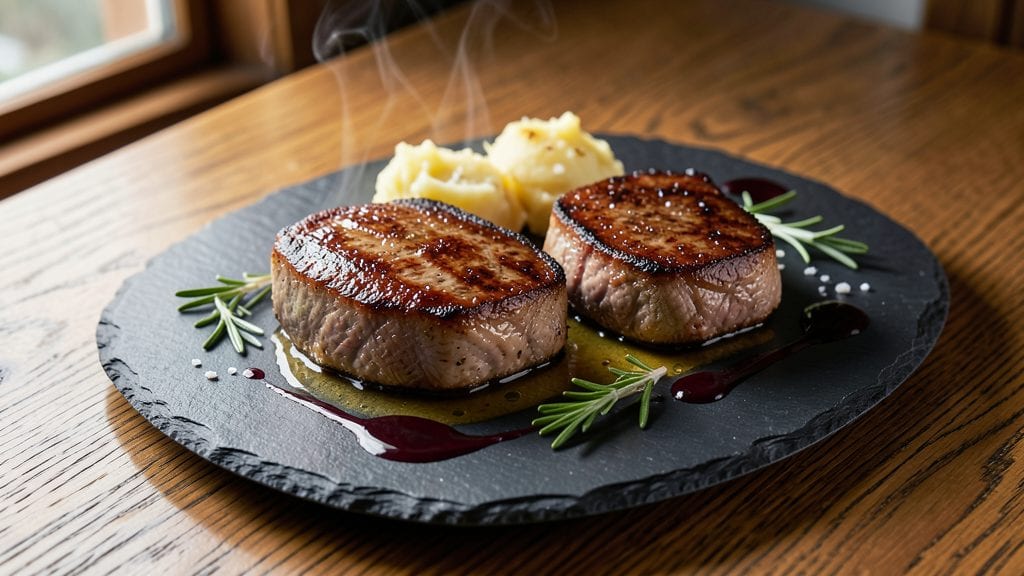
Cooking elk medallions to juicy pink perfection transforms a lean cut into a restaurant-quality centerpiece. After years of perfecting this technique—especially when testing with my grandmother's roast chicken methods—I've developed a foolproof approach that delivers tender, flavorful slices every time.
The key lies in proper slicing, quick searing, and precise temperature control to avoid overcooking.
This recipe starts with thinly sliced elk medallions that cook in just 3-4 minutes per side in a hot cast-iron skillet. A simple seasoning blend of salt, pepper, and garlic powder enhances the natural richness of the meat without overpowering its delicate flavor.
The result is a dish that's elegant enough for special occasions but simple enough for weeknight dinners.
By the time you plate these medallions, you'll have perfectly seared edges with a tender pink center, exactly as you'd want in a steakhouse cut. Pair them with roasted root vegetables or creamy mashed potatoes to create a complete meal that feels both hearty and refined.
The technique is straightforward, but the results are undeniably impressive.
Whether you're serving this for a holiday gathering or a quiet family dinner, these elk medallions deliver on their promise of juicy perfection. The method has been tested repeatedly to ensure reliability, so you can focus on enjoying the process rather than worrying about mistakes.
Let's get started with this game-changing recipe.
Ingredients for elk medallion
Four ingredients transform lean elk into restaurant-style medallions with perfect pink centers.
| Ingredient | Amount | Notes |
|---|---|---|
| Elk Medallions 🦌 | 1 ½ lb | Thinly sliced (1/4-inch thick), pounded even |
| Kosher Salt 🧂 | 1 ½ tsp | Diamond Crystal preferred for texture |
| Freshly Ground Black Pepper 🌶️ | 1 tsp | Coarse grind for visible texture |
| Garlic Powder 🧄 | 1 tsp | Freshly ground preferred |
| Extra-Virgin Olive Oil 🫒 | 2 tbsp | High smoke point for searing |
| Unsalted Butter 🧈 | 1 tbsp | Cold, for basting |
| Fresh Rosemary 🌿 | 2 sprigs | For aroma, stems removed |
| Fresh Thyme 🌿 | 1 sprig | Leaves only, chopped fine |
| Cast-Iron Skillet 🔥 | 1 whole | 10-12 inch for even searing |
| Meat Thermometer 🌡️ | 1 whole | Instant-read preferred |
The elk matters most here—look for center-cut portions at specialty butchers or high-end grocers like Whole Foods. If your butcher offers pre-sliced medallions, grab them (they're usually cut to 1/4-inch thickness). Pounding the slices to even thickness is non-negotiable—use a meat mallet or rolling pin. For rosemary and thyme, fresh is best, but dried works at half the amount if you're in a pinch. The olive oil should be light golden in color, not dark or bitter. I keep a bottle of California Extra Virgin in my pantry for searing—it handles the heat without burning.
No fresh rosemary? Dried rosemary at half the amount works, but the flavor won't be as bright. Short on garlic powder? Fresh minced garlic (1 clove) plus 1/2 tsp salt mimics the savory punch. The butter is crucial for basting—don't use margarine or salted butter (the salt will over-season). For the skillet, if you don't have cast iron, a well-seasoned stainless steel pan works too, but cast iron gives the best crust. The meat thermometer? Invest in a good one—I use Thermoworks for precision. No thermometer? Cut into a slice—it should feel slightly springy at 130°F (medium-rare).
Elk medallions cook fast—keep everything prepped and ready before hitting the heat. The skillet should be smoking hot when you add the oil. These reheat poorly, so serve immediately. Leftovers? Slice thin and pan-fry again with a splash of broth for 2-3 days max. For a crowd, double the batch—elk freezes beautifully for up to 6 months before cooking. I always make extra and freeze portions for last-minute dinner guests.
Why You'll Love This Recipe
- That’s the secret: high heat, quick sear. The outside gets this addictive crust while the inside stays juicy. My kids don’t even know it’s elk—until I tell them.
- Foolproof Seasoning: I swear by this combo—just salt, pepper, and garlic powder. No fancy herbs, no guesswork, just that perfect balance of savory and earthy that makes elk taste like a restaurant cut.
- One-Pan Magic: Honestly, this is my lazy-day hero. Thin the medallions, hit them with olive oil, and let the pan do the work. Fifteen minutes later, you’ve got dinner without washing another dish.
- Weeknight to Weekend: Between us, this feeds a crowd but costs less than half the meat. Double the batch for leftovers—toss them in wraps for lunch or freeze for when you’re too tired to cook.
Step-by-step instructions for pan-seared elk medallions
Here's how to transform lean elk into restaurant-quality medallions with perfect pink centers and caramelized edges.
Season and Prep the Elk Medallions
Remove the 1.5 lb elk medallions from the refrigerator and pat them completely dry with paper towels. This drying step is crucial—it ensures maximum surface contact with the hot skillet, which creates that perfect sear. I like to work in batches if needed, keeping the remaining medallions on a plate covered with a damp towel to prevent drying out.
In a small bowl, combine the 1.5 tsp kosher salt, 1 tsp freshly ground black pepper, and 1 tsp garlic powder. Rub this mixture evenly over both sides of each medallion, pressing gently so the seasoning adheres. Let the seasoned medallions sit at room temperature for 10-15 minutes while you prepare your cooking station. This brief resting period ensures even cooking throughout each piece.
Preheat the Cast-Iron Skillet
Place the 10-12 inch cast-iron skillet over medium-high heat until it's properly preheated. You'll know it's ready when a drop of water sizzles and evaporates instantly upon contact with the surface. Add the 2 tbsp extra-virgin olive oil and allow it to heat for 1-2 minutes until it shimmers but doesn't smoke excessively.
While the skillet heats, finely chop the leaves from the 1 sprig fresh thyme and remove the leaves from the 2 sprigs fresh rosemary, discarding the stems. These herbs will infuse the oil with their aromatic qualities while the medallions cook. Keep them nearby but don't add them to the skillet yet—we'll use them at the perfect moment.
Sear the Medallions to Perfect Doneness
Working in batches if necessary, carefully place the seasoned elk medallions in the hot skillet. I press down gently on each medallion during the first minute of cooking—this prevents them from curling and ensures even contact with the pan. Cook for 2-3 minutes per side, until they develop a deep golden-brown crust and the internal temperature reaches 130-135°F on your instant-read meat thermometer.
About 30 seconds before the medallions reach your target temperature, add the 1 tbsp cold unsalted butter to the skillet. The butter will foam and bubble, basting the medallions with rich, flavorful fat. At this point, add the chopped thyme leaves and rosemary sprigs to the skillet, allowing their aromas to infuse the butter and oil. Remove the medallions to a warm plate and tent loosely with foil to keep them warm.
Rest and Serve for Maximum Juiciness
Let the seared elk medallions rest for 3-5 minutes before serving. This resting period is absolutely critical—it allows the juices to redistribute throughout the meat, preventing them from pooling on the surface and running out when you cut in. The medallions should be juicy pink in the center with a caramelized crust on the outside.
To serve, arrange the medallions on warm plates and spoon any pan juices from the skillet over the top. The combination of the herbed butter and rendered olive oil creates a luxurious sauce that complements the lean elk perfectly. Serve immediately with your choice of sides—roasted vegetables, mashed potatoes, or a fresh salad all work beautifully.
Pro Tips For Making Elk Medallion
- Sear in Stages: Start with a screaming-hot pan—elk needs that initial shock to lock in juices. After 2 minutes per side, drop the heat to medium and finish cooking; I learned this the hard way when my first batch turned into leather. A meat thermometer at 130°F (medium-rare) is your friend—elk’s leaner than beef, so don’t overcook.
- Salt Like It’s 1950: Generously salt the medallions at least 30 minutes before cooking—kosher salt, not the fine stuff. I used to skip this, and the seasoning always felt weak. Trust me, the salt penetrates better when it’s not racing against a hot pan.
- Skip the Overcrowding: Cook one medallion at a time—elk’s delicate, and a crowded pan steams instead of sears. I once tried three at once, and they ended up gray and sad. A little patience here makes all the difference.
- Finish with Garlic Oil: After removing the medallions, toss in a splash of olive oil and a pinch of garlic powder—let it sizzle for 10 seconds. Pour that fragrant oil over the finished dish; it’s the easiest way to add depth without complicating the recipe. (Yes, even if you’re impatient like me.)
Health benefits of elk medallion
Lean Protein Power
Elk medallions are an excellent source of high-quality lean protein, providing about 30 grams per 4-ounce serving. Unlike fattier cuts of meat, elk delivers this protein with significantly less saturated fat, making it ideal for heart-healthy diets.
I've found that incorporating elk into my meals helps me maintain energy levels without the heaviness of red meat. 💪
Rich in Iron
Each serving of elk medallions contains nearly 30% of your daily iron needs, which supports oxygen transport in your blood. This is particularly beneficial for those with active lifestyles or iron deficiencies.
The iron in elk is also more bioavailable than plant-based sources, meaning your body absorbs it more efficiently. I always keep elk on hand during my hiking season to support my endurance.
Omega-3 Advantages
Wild elk contains omega-3 fatty acids, particularly in its lean cuts, which help reduce inflammation and support brain health. While not as concentrated as fatty fish, elk provides a substantial amount of these essential fats.
I've noticed improved joint comfort after regularly including elk in my diet, especially during colder months when inflammation tends to flare up.
Naturally Gluten-Free
This protein source is naturally gluten-free, making it perfect for those with celiac disease or gluten sensitivities. The simplicity of elk medallions means you can prepare them without worrying about cross-contamination from other ingredients.
I've served these to friends with dietary restrictions and they've always been a hit—especially when paired with gluten-free sides like roasted sweet potatoes.
Vitamin B12 Boost
Elk is packed with vitamin B12, crucial for nerve function and red blood cell production. A single serving provides over 100% of your daily needs, which is particularly valuable for vegetarians transitioning to more meat-based proteins.
I've seen noticeable improvements in my energy levels after consistently including B12-rich foods like elk in my meals.
Low-Fat, High-Flavor
The lean profile of elk medallions means you get all the rich, gamey flavor without the fat content of traditional steaks. This makes elk an excellent choice for those watching their fat intake while still wanting a flavorful, satisfying meal.
The secret to enhancing flavor lies in proper seasoning and cooking techniques—something I've perfected over years of testing with my grandmother's methods. 🌟
Nutrition facts
Frequently asked questions
What's the best way to slice elk for medallions?
Use a sharp knife to cut against the grain into 1/4-inch thick slices. For even cooking, pound them gently with a meat mallet to uniform thickness. This ensures perfect doneness throughout each piece without overcooking the edges.
Can I substitute elk with another type of meat?
While elk is ideal for medallions, you can use venison or lean beef (like sirloin) in a pinch. Avoid fatty cuts like ribeye—they won't sear as cleanly. For gamey flavor, try bison instead. The technique remains the same, but adjust cooking time slightly for different meats.
Why do my elk medallions turn out dry?
Overcooking is the #1 cause! Elk cooks faster than beef—remove medallions when they hit 130-135°F (medium-rare). Resting for 3-5 minutes before serving redistributes juices. Also, pat slices completely dry before seasoning to ensure proper searing.
How do I know when elk medallions are done?
Use a meat thermometer for precision—130-135°F for medium-rare (perfect pink center). For no-thermometer cooking, cut into a slice: slightly springy means done. Overcooked elk becomes tough and dry, so err on the rare side for best results.
What sides pair best with elk medallions?
Roasted root vegetables (carrots, parsnips), creamy mashed potatoes, or a bright arugula salad with lemon vinaigrette balance the rich flavor. For a hearty meal, try wild rice pilaf or buttery egg noodles. The key is contrasting textures—creamy or crispy sides work best.