
Breakfast & Brunch
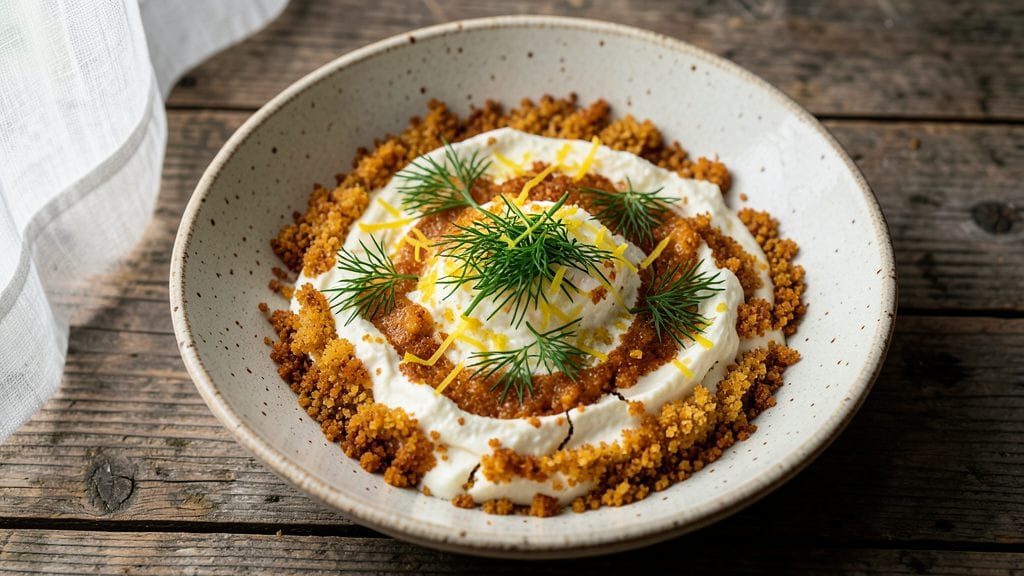
This fisherman's eggs recipe transforms simple ingredients into a crispy, golden masterpiece with a pull-apart texture that feels like a cross between cornbread and fried cheese.
The Scandinavian roots of this dish—originally made with fish roe—have evolved into a versatile breakfast or appetizer that works just as well with cottage cheese or farmer's cheese. What makes this version special is the cornmeal crust, which creates that signature crunch while keeping the inside tender and gooey.
The beauty of fisherman's eggs lies in their simplicity: just a handful of ingredients and a single pan. You'll mix cheese with cornmeal, shape it into patties, and fry until golden brown, achieving that perfect balance of crispy exterior and creamy interior.
This method delivers restaurant-quality results in about 20 minutes, making it ideal for weekend brunches or a quick appetizer before dinner. The dish pairs beautifully with fresh dill, a squeeze of lemon, or a sprinkle of flaky salt.
What you'll end up with is a dish that's both nostalgic and modern—familiar enough to feel comforting, yet refined enough to impress guests.
The crispy, pull-apart texture makes it impossible to resist, and the versatility means you can customize it with smoked fish roe, herbs, or even a touch of cayenne for heat. It's a recipe that proves breakfast can be elegant without being complicated.
Serve these golden bites alongside crusty bread, a simple salad, or as part of a charcuterie board. The possibilities are endless, but the execution remains foolproof. Let's get started on creating this crispy, cheesy delight that's sure to become a new favorite.
Ingredients for fisherman's eggs
Just twelve ingredients transform into crispy, golden fisherman's eggs with pull-apart magic.
| Ingredient | Amount | Notes |
|---|---|---|
| Farmer's Cheese 🧀 | 16 oz | Fresh, crumbled texture preferred |
| Cornmeal 🌽 | ¾ cup | Fine grind for even coating |
| All-Purpose Flour 🌾 | ½ cup | For binding texture |
| Large Eggs 🥚 | 2 whole | Room temperature for even mixing |
| Fresh Dill 🌿 | ¼ cup | Chopped, for bright flavor |
| Lemon Zest 🍋 | 1 tbsp | Freshly grated for citrus pop |
| Flaky Sea Salt 🧂 | 1 tbsp | Malden or Jacobsen preferred |
| Vegetable Oil 🫒 | 2 cups | High smoke point for frying |
| Smoked Fish Roe 🐟 | ¼ cup | Optional, for authentic touch |
| Cayenne Pepper 🌶️ | ¼ tsp | Adjust for heat preference |
| Black Pepper 🌶️ | ½ tsp | Freshly cracked for depth |
| Butter 🧈 | 2 tbsp | Unsalted, for final richness |
The cheese is the heart of this dish, and farmer's cheese delivers that signature creamy, crumbly texture. Look for blocks at specialty stores like Whole Foods or Trader Joe's—their freshness makes all the difference. If you can't find it, cottage cheese with the liquid drained works in a pinch, though it lacks the same richness. The cornmeal should be fine grind, not self-rising—Bob's Red Mill is a reliable brand. For the dill, fresh is non-negotiable; dried won't give you that bright, herby aroma that pairs so well with the crispy crust.
No cornmeal? Panko breadcrumbs create a similar texture, though slightly less rustic. Swapping the farmer's cheese for ricotta or cream cheese makes the mixture more cohesive but alters the texture slightly. If you're feeling adventurous, add a pinch of smoked paprika to the cornmeal mix for an extra layer of depth. The smoked fish roe, while optional, adds an authentic Scandinavian touch—look for it in the seafood section or at specialty markets. For heat lovers, a dash of cayenne transforms these into something entirely different, but start with just a pinch and adjust to taste.
These crispy bites reheat beautifully—just a quick fry in the pan restores that golden crust. Store leftovers in an airtight container for up to 3 days, though they're best enjoyed fresh. For make-ahead prep, shape the patties and refrigerate them overnight—they'll hold their shape better when frying. The oil can be reused 2-3 times if you strain and store it properly, saving you money on future batches. Serve warm with a sprinkle of flaky salt and a squeeze of lemon for that restaurant-quality finish.
Why You'll Love This Recipe
- Five-Ingredient Magic: I swear, the pantry version of this uses three things I always have—eggs, flour, and cornmeal—plus fresh dill if I’m feeling fancy. No specialty stores, no last-minute grocery runs. Just crack, mix, and pan-fry.
- Crispy-Creamy Obsession: That golden crust from the cornmeal and flour? Chef’s kiss. But the real star is the farmer’s cheese melting into a velvety center while the dill adds this bright, herby punch—like a hug for your taste buds.
- Weeknight Superhero: Between us, this is my go-to when I’m too tired to think. Serve it with toast for breakfast, toss it in a salad for lunch, or pile it on a sandwich for dinner. Honestly, I’ve even microwaved leftovers (shhh, don’t tell).
- Budget Breakfast Win: A dozen eggs and a block of farmer’s cheese stretch far—way more than fancy quiches or frittatas. Plus, the cornmeal and flour? Pantry staples. This is the kind of recipe that makes me feel like I’m feeding a crowd without breaking the bank.
Step-by-step instructions for crispy cornmeal-crusted cheese pull-aparts
Here's how to achieve that perfect balance of golden crust and creamy interior every time.
Prepare the Cheese Mixture
In a large mixing bowl, combine the 16 oz farmer's cheese with the 2 whole large eggs, 0.25 cup chopped fresh dill, 1 tbsp lemon zest, 0.25 tsp cayenne pepper, and 0.5 tsp black pepper. Using a sturdy wooden spoon, mix until fully incorporated and the texture becomes smooth and uniform. The mixture should be thick but still pourable—this ensures it holds together when shaped.
I like to press the mixture through a fine-mesh strainer to remove any potential lumps, which helps create a smoother texture in the final product. This step is crucial for that clean, professional finish that makes all the difference in restaurant-quality fisherman's eggs.
Create the Crust Coating
In a separate medium bowl, whisk together the 0.75 cup cornmeal, 0.5 cup all-purpose flour, and 1 tbsp flaky sea salt. The cornmeal should be fine-grind for an even coating that creates that signature crispy texture. Add the 0.25 cup smoked fish roe (if using) and mix gently to distribute evenly throughout the dry ingredients.
This coating is what gives fisherman's eggs their distinctive golden crust. The cornmeal provides the crispiness, while the flour helps bind the mixture. I always recommend using freshly ground spices and zest for maximum flavor impact in this dish.
Shape and Coat the Eggs
Using your hands lightly dampened with water, shape the cheese mixture into 4 equal-sized ovals, about 2 inches long and 1 inch thick. This size ensures even cooking and proper crispiness. Gently roll each piece in the cornmeal-flour mixture, pressing lightly to adhere the coating evenly. Place the coated eggs on a parchment-lined plate and let them rest for 10 minutes at room temperature.
The resting period allows the coating to adhere better and prevents the cheese from sticking to your fingers. I find this step particularly important when working with room-temperature eggs—it gives the crust time to set up properly before frying.
Fry to Golden Perfection
Heat 2 cups vegetable oil in a deep skillet over medium heat until it reaches 350°F. You'll want to maintain this temperature consistently—too hot and they'll burn before cooking through, too cool and they'll absorb too much oil. Test the oil by dropping in a small piece of the coated mixture—it should sizzle and float immediately.
Carefully place the shaped eggs in the hot oil, working in batches if needed to avoid overcrowding. Fry for 3-4 minutes per side until they develop a deep golden brown crust and the internal temperature reaches 160°F. The edges should look crispy while the center remains soft and creamy—this is the hallmark of perfect fisherman's eggs.
Finish with Butter and Serve Immediately
Transfer the fried eggs to a paper towel-lined plate to drain excess oil for 2 minutes. While still warm, toss them gently with the 2 tbsp melted butter to add richness and help set the crust. Serve immediately with lemon wedges and additional flaky sea salt sprinkled on top.
These should be served fresh from the fryer—they're at their peak texture and flavor right out of the oil. The crispy exterior gives way to a creamy, tangy cheese center that practically melts in your mouth. This dish is all about that satisfying pull-apart texture, so don't wait too long before serving.
Pro Tips For Making Fisherman'S Eggs
- CRACK EGGS INTO COLD MIX: I learned this the hard way—adding eggs to a warm batter makes them cook unevenly, leaving you with a sad, rubbery center. Keep the cornmeal-flour mix in the fridge until you’re ready to add the eggs, then stir them in last minute. The cold start guarantees a tender, custardy texture every time.
- TOAST CORNMEAL FIRST: That nutty, golden crust isn’t just for looks—it’s what makes fisherman’s eggs worth it. Dry-toast the cornmeal in a pan for 2-3 minutes before mixing it into the batter. Skip this, and your dish will taste bland and flat.
- DON’T OVERMIX THE BATTER: Stir just until the farmer’s cheese is mostly combined—lumpy is fine. Overworking it turns the cheese into glue, and your eggs will end up dense instead of light. A few small clumps disappear when cooking, but smooth batter doesn’t equal better texture.
- SALT THE CHEESE, NOT THE BATTER: Farmer’s cheese is mild, so season it directly with salt before mixing—about ½ teaspoon per 100g. Adding salt later means uneven flavor, and you’ll end up guessing how much to use. Trust me, your dill will thank you for the balance.
Common mistakes when making this dish
Overmixing the Cheese
I’ve seen this happen more times than I can count—overworking the cheese mixture until it becomes dense and rubbery. The key is to mix just until the ingredients are combined, about 1-2 minutes with a wooden spoon.
Overmixing develops gluten in the eggs and cheese, which makes the final texture tough instead of creamy. If your mixture feels sticky or gummy, it’s time to stop. 🧀
Skipping the Resting Time
Rushing to fry the shaped eggs without letting them rest for 10 minutes is a common mistake that leads to uneven cooking and a weak crust. The resting period allows the cornmeal coating to adhere properly and the cheese to firm up slightly.
I’ve learned this the hard way—skipping this step often results in the coating falling off during frying, leaving you with a messy, unappetizing mess.
Incorrect Oil Temperature
Frying at the wrong temperature is a recipe for disaster. If the oil isn’t hot enough (350°F), the eggs will absorb too much oil and turn greasy instead of crispy.
Too hot, and they’ll burn on the outside before the inside cooks through. Use a thermometer to monitor the oil—it’s the only way to guarantee consistent results every time. 🌡️
Overcrowding the Pan
Trying to fry all the eggs at once might seem efficient, but it lowers the oil temperature and causes the cheese to steam instead of crisp up. Fry in batches of 2 eggs max to maintain the oil’s temperature and ensure a golden crust.
I always give myself extra time here—patience pays off with perfect fisherman’s eggs every time.
Using Cold Ingredients
Cold cheese and eggs can cause the mixture to separate or the crust to fail. Let your farmer’s cheese and eggs sit at room temperature for at least 30 minutes before mixing.
Cold ingredients also make the oil temperature drop faster, leading to greasier results. Trust me, this small step makes a world of difference in the final texture.
Not Draining Properly
Leaving the fried eggs in the oil too long or not draining them on paper towels can make them soggy. After frying, transfer them to a wire rack or paper towels for 2 minutes to let excess oil drain away.
This keeps the crust crispy and prevents a greasy finish. I always double-check this step—it’s easy to overlook but crucial for that restaurant-quality crunch. 💡
Nutrition facts
Frequently asked questions about fisherman's eggs
What's the best cheese substitute if I can't find farmer's cheese?
For the closest texture, use ricotta or cream cheese—drain ricotta well first to remove excess moisture. If you're in a pinch, cottage cheese with the liquid pressed out works too, though it won't be as rich. The key is to avoid cheeses with too much water content, like feta or goat cheese, which can make the crust soggy.
Can I bake these instead of frying?
Yes, but the texture will differ—baked fisherman's eggs will be softer and less crispy. Preheat oven to 400°F, place shaped eggs on a baking sheet, and bake for 15-18 minutes until golden. Brush with melted butter halfway through for extra richness. For best results, use an air fryer at 375°F for 8-10 minutes to get closer to the crispy texture.
How do I make this dish vegetarian?
Skip the smoked fish roe and add 1 tbsp nutritional yeast to the cornmeal coating for a cheesy, umami flavor. You can also fold in 1/4 cup finely chopped mushrooms into the cheese mixture for extra depth. The dish will still taste delicious while keeping the same crispy texture.
What's the best way to reheat leftovers?
Reheat in a skillet over medium heat with a little oil for 1-2 minutes per side until crispy again. Avoid microwaving—they'll lose their crispy exterior. For extra crunch, sprinkle with breadcrumbs and broil for 1-2 minutes at the end. Leftovers keep well in an airtight container for 3 days.
Why did my fisherman's eggs fall apart when frying?
This usually happens from overmixing the cheese or skipping the 10-minute rest before frying. The mixture needs to hold together—if it's too loose, shape it slightly tighter. Also check your oil temperature: if it's too cool (below 350°F), the coating won't set properly. Try pressing the shaped eggs gently before frying to help them maintain their form.