
Desserts
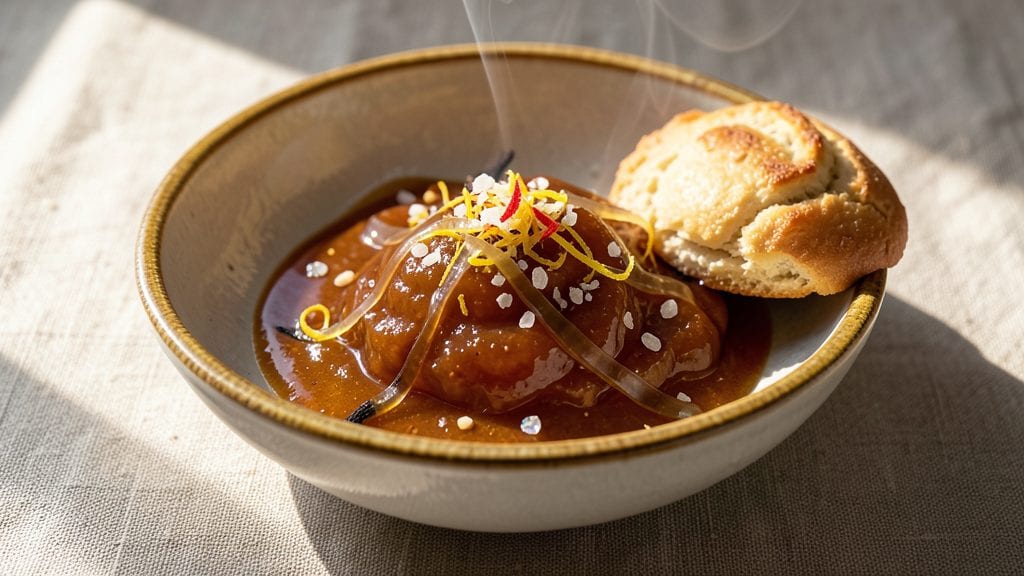
Creating an inverted sugar recipe transforms simple granulated sugar into a silky, caramelized syrup that adds texture and depth to desserts. This technique, used in professional kitchens, creates a glossy glaze that clings beautifully to ice cream, pastries, or fruit.
The process is straightforward but requires precise temperature control to avoid crystallization.
The magic happens when sugar and water combine to form a smooth, amber-colored syrup that cools into a firm, crackly coating. Unlike regular caramel, inverted sugar maintains its structure at room temperature, making it ideal for garnishes. A splash of acid, like lemon juice, prevents crystallization and enhances flavor.
Once cooled, this versatile syrup can elevate ice cream toppings, glaze cakes, or even drizzle over cocktails for a sophisticated finish. The result is a delicate crunch that contrasts perfectly with creamy textures. With just three ingredients and minimal effort, you’ll achieve restaurant-quality results at home.
Store the syrup in an airtight container at room temperature for up to two weeks, or refrigerate for longer shelf life. Experiment with flavors by adding vanilla, citrus zest, or spices like cinnamon. This technique unlocks endless possibilities for gourmet desserts and cocktails.
Ingredients for inverted sugar
Six ingredients transform into a luxurious caramelized syrup perfect for gourmet desserts and cocktails.
| Ingredient | Amount | Notes |
|---|---|---|
| Granulated White Sugar 🍚 | 2 cups | Fine grain, high purity preferred |
| Water 💧 | ½ cup | Distilled or filtered preferred |
| Fresh Lemon Juice 🍋 | 1 tbsp | Cold-pressed, high acidity |
| Vanilla Extract 🌸 | ½ tsp | Pure vanilla, not imitation |
| Light Corn Syrup 🍯 | 1 tbsp | Optional for smoother texture |
| Sea Salt 🧂 | ¼ tsp | Fine grain, for finishing |
The foundation of inverted sugar lies in the quality of your granulated sugar—opt for Domino or C&H brands for consistent results. Water should be distilled or filtered to prevent impurities that could disrupt crystallization. For acidity, fresh lemon juice is non-negotiable; bottled versions often lack the necessary potency. Vanilla extract should be pure—Madagascar bourbon vanilla adds depth without overpowering. If using corn syrup, Karo is the gold standard for its neutral flavor. Professional kitchens often use a candy thermometer for precision, but a well-calibrated stovetop method works equally well at home.
No lemon juice? Substitute with 1 tbsp white vinegar—it provides the same acidity to prevent crystallization. Short on vanilla? Almond extract at half the amount offers a similar aromatic profile. For a smoother texture, honey or agave can replace corn syrup, though the flavor profile shifts slightly. Brown sugar works in a pinch, but it introduces molasses notes that may alter the final product's clarity. Always use fine sea salt for finishing—Maldon flakes elevate presentation without compromising texture.
Store the cooled syrup in an airtight glass container at room temperature for up to two weeks, or refrigerate for three months to preserve its crackly texture. For best results, let it set for 24 hours before use—this allows the inverted sugar to fully crystallize. Portion into small jars for individual servings, perfect for garnishing ice cream or drizzling over pastries. The syrup can also be reheated gently for 30 seconds to restore its glossy consistency before reuse.
Why You'll Love This Recipe
- Pantry Magic: I swear by this recipe when I’ve got nothing but sugar, water, and a lemon sitting on my counter. No fancy ingredients—just a few staples that transform into something silky and irresistible in minutes.
- Citrus Kiss: That burst of fresh lemon juice? It’s the secret weapon. The acidity cuts through the sweetness just enough to make this taste bright and sophisticated—not cloying, never boring.
- Double Duty: I use it to drizzle over pancakes or ice cream, but it’s also my go-to for glaze on ham or even a quick caramel sauce. One batch stretches across breakfast, dessert, and holidays.
- Budget Brilliance: A single jar of corn syrup and a bag of sugar last me months. I make this when I’m broke but still want something that tastes like I slaved over it—because honestly, it does.
Step-by-step instructions for inverted sugar recipe
Master this technique to create a velvety caramel with a crisp exterior—ideal for ice cream toppings.
Prepare the Sugar Syrup Base
In a heavy-bottomed saucepan, combine the 2 cups granulated white sugar and 0.5 cup water. I use a stainless steel pan because it conducts heat evenly and prevents scorching. Place the pan over medium-high heat and bring the mixture to a boil without stirring—disturbing it now creates uneven crystallization.
Once boiling, reduce heat to medium and let the syrup simmer gently. You'll notice the sugar dissolving completely within 5-7 minutes, turning into a clear, golden liquid. The key here is patience—rushing this stage risks grainy inverted sugar. Watch for the moment the syrup reaches 235°F on a candy thermometer, which signals it's ready for the inversion process.
Invert the Sugar with Acid and Flavor
At 235°F, carefully remove the pan from heat and quickly stir in the 1 tablespoon fresh lemon juice and 1 tablespoon light corn syrup. The acid and syrup work together to break down the sugar molecules, creating that signature smooth, caramelized texture. Return the pan to low heat immediately—just enough to maintain a gentle simmer without boiling.
Simmer for exactly 5 minutes, stirring constantly with a silicone spatula. You'll see the syrup transform from clear to a deep amber color, with a glossy sheen that indicates proper inversion. This stage is critical—overcooking turns it bitter, while undercooking leaves it too thin for proper crystallization later. The mixture should coat the back of a spoon but still flow freely.
Finish with Vanilla and Salt
Remove the pan from heat again and stir in the 0.5 teaspoon vanilla extract and 0.25 teaspoon sea salt. The vanilla adds depth, while the salt enhances all flavors. Let the mixture cool slightly for 2-3 minutes—just until it's warm to the touch but still liquid. This prevents premature crystallization during handling.
Pour the inverted sugar into a greased 8x8-inch baking dish or silicone mold. Tap the dish gently on the counter to release any air bubbles. Let it cool completely at room temperature for 1 hour, then refrigerate for at least 4 hours or until fully set. The final texture should be smooth with a firm, fudge-like consistency that cracks beautifully when broken.
Create the Crisp Exterior
Once set, use a sharp knife to cut the inverted sugar into 1-inch cubes. For the signature caramelized crust, heat a dry skillet over medium heat and add a single cube. Let it sit undisturbed for 1-2 minutes until the bottom turns golden brown. Flip carefully with tongs and repeat on all sides until each cube develops a crisp, amber shell while maintaining a soft, creamy center.
Work quickly—these cubes will lose their crispness as they cool. Serve immediately over ice cream or store in an airtight container with parchment paper between layers to preserve texture. The contrast of crispy exterior and velvety interior makes this a showstopper topping that elevates any dessert.
Pro Tips For Making Inverted Sugar
- STIR CONSTANTLY AT FIRST: The first 3 minutes are where sugar burns fastest—don’t walk away. I learned this after one batch turned into caramelized sludge because I checked my phone. Keep that spoon moving until the sugar dissolves and the mixture turns clear.
- USE COLD LEMON JUICE: Fresh lemon juice straight from the bottle is too warm and can stop the sugar from crystallizing properly. Chill it in the fridge for 10 minutes first—your inverted sugar will set up smoother and cleaner.
- DON’T RUSH THE COOLING: Skipping the 10-minute rest before pouring into molds is how you end up with a sticky mess instead of a clean break. Let it cool just enough to handle, or you’ll fight with it later.
- SWAP SYRUP FOR HONEY: Light corn syrup works, but honey adds depth and prevents graininess—just reduce the water by 1 tablespoon. It’s a tiny tweak that makes the texture richer without extra effort. (Yes, even if you’re not a fan of honey.)
Creative variations of inverted sugar
Citrus-Inspired Variations
Swap the lemon juice for orange juice or lime juice to create vibrant variations. I love using blood orange juice for its deep ruby color and berry-like notes—just reduce the amount to 1.5 tablespoons to maintain balance.
For a tropical twist, add ½ teaspoon grated lime zest and ¼ teaspoon ground ginger to the final syrup. These citrus flavors pair beautifully with coconut-based ice creams or fruit salads. 🍊
Spiced Syrup Twists
Infuse your inverted sugar with warm spices for a cozy autumnal flavor. Add ½ teaspoon ground cinnamon and ¼ teaspoon cardamom to the hot syrup during the 5-minute simmer. For a smoky depth, stir in ¼ teaspoon smoked paprika or a pinch of chipotle powder.
These spiced versions work wonderfully with chocolate desserts or spiced rum cocktails. The spices dissolve completely, creating a subtle but complex flavor profile.
Herbal and Floral Infusions
Elevate your inverted sugar with delicate herbal notes. Steep 1 tablespoon fresh rosemary or thyme sprigs in the warm syrup for 5 minutes before straining. For floral elegance, add ½ teaspoon rosewater or 1 teaspoon lavender buds (steeped and strained).
These herbal infusions shine in savory-sweet pairings, like drizzling over goat cheese crostini or pairing with herbal teas. The floral notes add a sophisticated touch without overpowering the caramelized base.
Chocolate and Coffee Pairings
Enhance your inverted sugar with rich chocolate or coffee flavors for decadent desserts. Stir in 2 tablespoons unsweetened cocoa powder during the final 5-minute simmer for a chocolate-infused version. For coffee lovers, add 1 tablespoon instant espresso powder or ½ teaspoon coffee extract.
These variations are perfect for drizzling over chocolate mousse, brownies, or even espresso martinis. The deep, complex flavors create a luxurious contrast to the crispy texture.
Global Flavor Adaptations
Transform your inverted sugar into a global culinary experience. For a Mexican-inspired version, add ½ teaspoon chili powder and ¼ teaspoon cumin during the simmer. In Japan, drizzle with ½ teaspoon matcha powder for a vibrant green tea flavor.
For a Middle Eastern twist, infuse with ½ teaspoon orange blossom water and a pinch of ground pistachio. These adaptations bring exciting cultural flavors to your desserts and cocktails, making them feel like a gourmet journey.
Unexpected Sweet Additions
Experiment with unexpected sweet ingredients to create unique textures and flavors. Stir in 2 tablespoons honey or maple syrup during the final 5-minute simmer for a floral, golden hue. For a nutty crunch, fold in 1 tablespoon toasted sesame seeds or chopped pistachios before cooling.
These additions add visual appeal and complementary textures, making your inverted sugar even more versatile. Try these variations in savory dishes like glazed nuts or drizzled over fresh fruit platters. ✨
Nutrition facts
Frequently asked questions
What's the difference between inverted sugar and regular caramel?
Inverted sugar maintains its shape at room temperature, creating a glossy, crackly crust when cooled, while regular caramel remains liquid. The acid (like lemon juice) in inverted sugar prevents crystallization, allowing it to set into a firm, fudge-like texture perfect for garnishes. Caramel stays soft and sticky.
Can I make inverted sugar without a candy thermometer?
Yes! Watch for the "soft-ball stage" when the syrup bubbles gently and coats a spoon with a thick, glossy layer (around 235°F). Test by dipping a spoon in—if the syrup forms a ball that holds its shape, it's ready. This takes about 10-12 minutes on medium heat.
Why did my inverted sugar turn grainy?
Graininess happens when sugar crystallizes too early, often from stirring the syrup while boiling or using impure sugar. Always avoid stirring during the initial boil, and ensure your sugar is fine-grained. Adding 1 tbsp corn syrup or lemon juice helps prevent crystallization.
How can I use inverted sugar beyond desserts?
Drizzle it over fresh fruit, cheese boards, or even savory dishes like roasted nuts or glazed meats. Try it in cocktails—just a few drops add a sweet, caramelized depth to margaritas or espresso martinis. The crisp texture contrasts beautifully with creamy or rich flavors.
Can I store inverted sugar at room temperature?
Yes, but only for up to 2 weeks in an airtight container. For longer storage, refrigerate for 3 months or freeze for up to 6 months. Let it sit at room temp for 10 minutes before using to restore its crackly texture.