
Main Courses
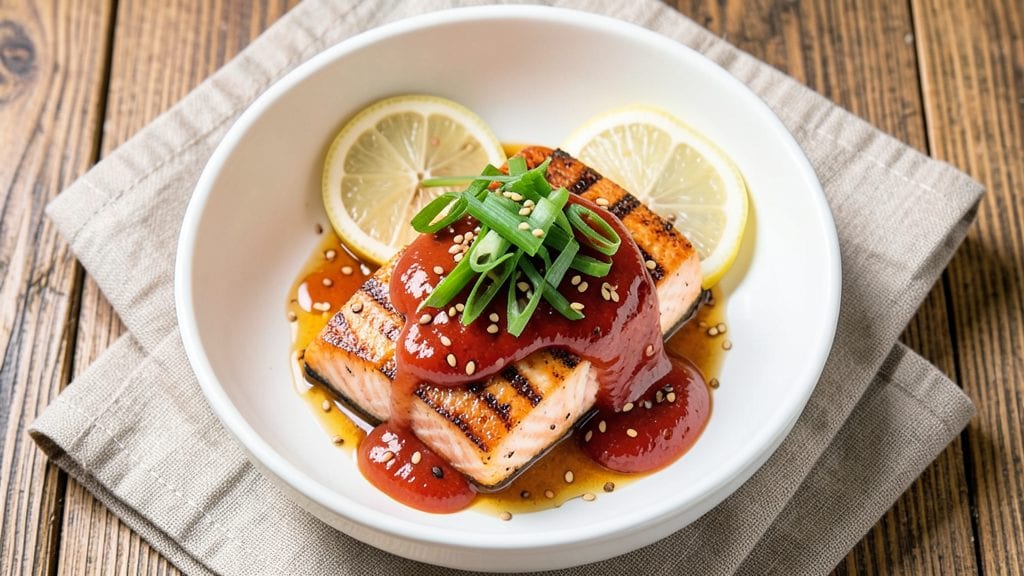
This Japanese baked salmon recipe transforms simple ingredients into a dish that captures the essence of umami richness found in Tokyo's best izakayas. The secret lies in a balanced miso-sesame glaze that caramelizes beautifully in the oven, creating a perfect harmony of sweet, salty, and nutty flavors.
I developed this recipe after years of experimenting with Japanese techniques, ensuring every element comes together for a restaurant-quality result at home.
The process begins with a marinade that tenderizes the salmon while infusing it with deep umami flavors from white miso and soy sauce. A touch of mirin adds brightness, while sesame oil contributes that signature nutty aroma we all love.
Baking at the right temperature is crucial—too hot and the salmon overcooks, too cool and the glaze won't develop properly. The result? A perfectly cooked fillet with a glossy, caramelized crust that's impossible to resist.
What makes this recipe truly special is how it balances traditional methods with modern convenience. While we're using authentic Japanese ingredients, the technique is simple enough for any home cook.
The miso-sesame glaze not only enhances the flavor but also creates that beautiful golden crust that's both visually appealing and irresistibly delicious. Serve it with steamed rice and quick-pickled vegetables for a complete Japanese-inspired meal that feels both comforting and sophisticated.
This dish delivers more than just flavor—it's a complete experience. The aroma fills your kitchen as it bakes, the texture is perfectly tender yet firm, and each bite offers layers of umami that will have you reaching for seconds.
Whether you're preparing for a special dinner or simply craving something delicious, this Japanese baked salmon is sure to impress. Let's get started on creating your own izakaya-worthy masterpiece.
Ingredients for japanese baked salmon
Simple yet sophisticated ingredients transform into izakaya-worthy Japanese baked salmon with umami depth.
| Ingredient | Amount | Notes |
|---|---|---|
| Center-Cut Salmon Fillets 🐟 | 2 whole | Skin-on, 6-8 oz each |
| White Miso Paste 🧈 | ¼ cup | High-quality, fermented |
| Soy Sauce 🍶 | ¼ cup | Japanese or tamari preferred |
| Mirin 🍶 | ⅛ cup | Semi-sweet cooking wine |
| Sesame Oil 🫒 | 1 tbsp | Toasted sesame preferred |
| Toasted Sesame Seeds 🥜 | ¼ cup | Lightly toasted for aroma |
| Honey 🍯 | 1 tbsp | Wildflower preferred |
| Garlic Cloves 🧄 | 3 cloves | Minced, fresh preferred |
| Fresh Ginger 🌿 | 1 tbsp | Finely grated, peeled |
| Rice Vinegar 🍶 | 1 tbsp | Seasoned preferred |
| Olive Oil 🫒 | 1 tbsp | For greasing pan |
| Diamond Crystal Kosher Salt 🧂 | ½ tsp | For seasoning |
| Black Pepper 🌶️ | ¼ tsp | Freshly cracked |
| Steamed White Rice 🍚 | 2 cups | For serving, cooked |
| Quick-Pickled Vegetables 🥬 | 1 ½ cups | For serving, optional |
The salmon is the star, so center-cut fillets with skin are non-negotiable—they stay together better and develop that perfect crust. Miyoko's or Whole Foods carry excellent quality, but your local fishmonger will have fresh options too. Look for bright pink flesh with no brown edges—this means it was handled properly. The white miso is crucial; Marukome or Hokkaido brand deliver that authentic fermented punch. If you can't find white miso, red miso at half the amount works, but the color will darken. The sesame seeds should be toasted—lightly browned in a dry pan for 2-3 minutes—they add that nutty crunch we all crave.
Mirin can be tricky to find, but Trader Joe's or Japanese markets usually stock it. No mirin? Dry sherry plus 1 tsp sugar mimics the sweetness and acidity. The honey should be wildflower or clover—avoid heavy processing that dulls the flavor. For the pickled vegetables, quick-pickle cucumbers, carrots, and radishes in rice vinegar, sugar, and salt (1:1:1 ratio) for 30 minutes. If you're short on time, store-bought pickles work, but fresh is always better. The garlic and ginger should be freshly grated—pre-minced jarred versions lack the aromatic punch. And trust me on the sesame oil: toasted sesame oil has a deeper flavor than regular.
This glaze keeps for 3 days in the fridge, but the salmon is best eaten fresh. If you're prepping ahead, marinate the salmon for up to 4 hours before baking—just don't over-marinate, or the fish will turn mushy. The baked salmon reheats poorly, so plan to serve it immediately. Store any leftover glaze in an airtight container for up to 1 week—it's perfect for drizzling over rice or noodles. The pickled vegetables stay crisp for 5 days in the fridge if stored in their liquid. For a full Japanese meal, double the rice and serve with miso soup—simple, but impressive.
Why You'll Love This Recipe
- Five-Ingredient Magic: The pantry staples here—white miso, soy, mirin, sesame oil—are all things I already have. No specialty shopping, no last-minute grocery runs. Just mix, pour, bake, and done.
- Umami Bomb: That first bite? The miso and mirin create this deep, savory punch that’s richer than takeout but way healthier. The sesame oil finish ties it all together—like a cozy hug for your taste buds.
- Weeknight to Dinner Party: Same recipe works whether I’m feeding myself or hosting six. Bake one fillet for a lazy Tuesday, double it for guests, and it still feels special. The crispy edges? Always impressive.
- Leftovers That Don’t Suck: Unlike fried salmon that turns greasy, this stays tender and flavorful for days. I’ll reheat slices in a pan with a splash of mirin for breakfast—yes, really—and it’s still delicious. Budget win.
Step-by-step instructions for Japanese baked salmon
Here's how to achieve perfectly glazed, umami-rich salmon with crispy skin and tender flesh.
Prepare the Glaze and Marinate the Salmon
In a small bowl, whisk together the 0.25 cup white miso paste, 0.25 cup soy sauce, 0.125 cup mirin, 1 tbsp honey, 1 tbsp rice vinegar, 1 tbsp finely grated fresh ginger, and 3 minced garlic cloves. This blend creates the perfect balance of salty, sweet, and tangy flavors that will penetrate the salmon deeply.
Place the 2 whole center-cut salmon fillets (skin-side down) in a shallow dish. Pour the glaze mixture evenly over the salmon, ensuring both sides are coated. Let it marinate in the refrigerator for at least 30 minutes—this allows the flavors to meld and the salmon to absorb the marinade. For best results, marinate for up to 2 hours, but don't exceed this time to avoid over-marinating, which can make the flesh mushy.
Preheat and Prepare the Pan
Preheat your oven to 400°F. Line a baking sheet with parchment paper to prevent sticking and make cleanup easier. Lightly grease the parchment with 1 tbsp olive oil—this helps create a non-stick surface and prevents the salmon from drying out.
Remove the salmon from the refrigerator and let it sit at room temperature for 10 minutes before baking. This ensures even cooking throughout. While the oven preheats, sprinkle the 0.25 cup toasted sesame seeds evenly over the baking sheet—they'll add a delightful crunch and nutty aroma as the salmon bakes.
Bake the Salmon to Perfect Doneness
Carefully transfer the marinated salmon (skin-side down) to the prepared baking sheet. Bake for 12-15 minutes, depending on thickness, until the salmon reaches an internal temperature of 145°F and the skin is deep golden brown and crispy. Here's the thing—don't overbake. The salmon will continue cooking slightly as it rests, so pull it out when the edges are just starting to crisp.
To test doneness, gently press the thickest part of the fillet with a finger—it should feel firm but still slightly springy. If the skin isn't crispy enough after baking, transfer the salmon to a broiler for 1-2 minutes to achieve that perfect golden finish. Watch it closely to avoid burning.
Glaze and Garnish for Maximum Flavor
Remove the salmon from the oven and increase the heat to broil. Drizzle the 1 tbsp sesame oil evenly over the top of the salmon. Place the baking sheet under the broiler for 2-3 minutes until the oil shimmers and the salmon develops a glossy sheen. This step intensifies the flavors and adds a beautiful finish.
Sprinkle the salmon with 0.5 tsp diamond crystal kosher salt and 0.25 tsp freshly cracked black pepper for a final burst of seasoning. Let it rest for 5 minutes before serving—this allows the juices to redistribute, ensuring every bite is moist and flavorful.
Serve with Steamed Rice and Quick-Pickled Vegetables
Divide the 2 cups steamed white rice evenly among serving plates. Place each salmon fillet on top of the rice, skin-side up. Spoon 1.5 cups quick-pickled vegetables around the salmon for a refreshing contrast to the rich, umami flavors. The tangy crunch of the pickles cuts through the richness of the salmon beautifully.
Serve immediately while the salmon is still warm and the sesame seeds are crisp. Each bite should deliver a perfect harmony of textures—tender salmon, crispy skin, nutty sesame seeds, and the bright acidity of the pickles. This dish is a celebration of Japanese flavors, and it's easier than you think to pull off perfectly.
Pro Tips For Making Japanese Baked Salmon
- Preheat Like It’s 2024: Your oven needs 15 minutes at 400°F (200°C) to get actually hot—no skipping this. I learned this the hard way when my salmon came out undercooked because the oven was still playing catch-up. Trust me, that’s not the crispy, caramelized glaze you’re after.
- Whisk the Miso First: Mix white miso with mirin and soy sauce before brushing it on—this stops clumping and ensures a smooth, sticky glaze. I used to slap it on thick, and it’d pool in lumps. Thin it out with a splash of water if needed, but don’t skip the whisking.
- Pat Dry, Then Salt: Use paper towels to blot the salmon thoroughly—wet skin = steam = soggy fish. Sprinkle a pinch of flaky salt (not kosher) right after drying. This isn’t just about seasoning; it helps the miso glaze stick like glue.
- Bake Skin-Side Down: Place the salmon skin-side down on the tray first, then flip halfway. The skin crisps into a golden shield, protecting the flesh while the glaze sets. I was lazy once and baked it skin-up—ended up with a sad, floppy mess. Don’t be that cook.
Storing and reheating your japanese baked salmon
Refrigerator Storage
The baked salmon glaze and marinade keep well in the fridge, but the salmon itself is best enjoyed fresh. Store any leftover glaze in an airtight container for up to 3 days—it’s perfect for drizzling over rice or noodles.
For the salmon, if you must refrigerate it, wrap it tightly in plastic wrap or place it in an airtight container and consume within 1 day for optimal texture and flavor. 🥬
Freezer-Friendly Glaze
Freeze the miso-sesame glaze in 1-tablespoon portions using ice cube trays or small silicone molds. Once frozen, transfer the cubes to a freezer-safe bag with excess air removed. This glaze stays flavorful for up to 3 months, making it easy to thaw and use for quick meals.
Just pop a cube into a small bowl and microwave for 10 seconds to soften before using.
Reheating Leftovers
If you have leftover salmon (though I don’t recommend it—it’s best fresh!), reheat gently in a non-stick skillet over low heat for 2-3 minutes with 1 tablespoon water to prevent drying.
Avoid microwaving—it can make the skin rubbery. For the glaze, simply reheat in a small saucepan over medium-low heat, stirring until warmed through. 🔥
Reviving Pickled Veggies
The quick-pickled vegetables stay crisp for 5 days in the fridge if stored in their pickling liquid. If they soften, drain them and toss with 1 teaspoon rice vinegar and ½ teaspoon sugar to refresh their crunch. For extra brightness, add a pinch of toasted sesame seeds before serving.
Make-Ahead Marinade
Prepare the miso-sesame marinade up to 2 days ahead and store it in an airtight container in the fridge. This gives the flavors more time to meld, deepening the umami profile. Just be sure to marinate the salmon for no more than 4 hours—over-marinating can break down the flesh.
The marinade also works as a dipping sauce for rice or noodles if you don’t bake the salmon.
Oven Prep for Next Day
If you’re prepping for a dinner party, marinate the salmon overnight and store it in the fridge. When ready to bake, let it sit at room temperature for 10 minutes before placing it in the oven.
This ensures even cooking and prevents cold spots. Preheat your oven to 400°F while the salmon rests—this keeps the process efficient and stress-free. ✨
Nutrition facts
Frequently asked questions
Can I use skinless salmon for this recipe?
The recipe is designed for skin-on fillets to achieve that perfect crispy texture. If you must use skinless, place the fillets on a parchment-lined tray and bake at 375°F for 10-12 minutes—the skin adds flavor and structure that skinless salmon lacks. The glaze will still work, but the texture will differ slightly.
How do I substitute mirin if I can't find it?
Mix 1 tablespoon dry sherry or white wine with 1 teaspoon sugar to mimic mirin's sweetness and acidity. For a deeper umami flavor, add ½ teaspoon soy sauce to the mix. This substitution works well, though authentic mirin adds a subtle complexity that's hard to replicate.
Why did my salmon turn out dry?
Overcooking is the most common cause—salmon is delicate and cooks quickly. Use a meat thermometer and remove it at 145°F (it'll rise to 160°F while resting). Also, avoid over-marinating (more than 4 hours) or using thick fillets (>1 inch). For thicker cuts, bake at 375°F instead of 400°F.
Can I make this recipe without sesame seeds?
Skip the seeds during baking and sprinkle them on top after baking for garnish, or replace them with toasted almonds or crushed peanuts for a different nutty crunch. The glaze will still deliver rich umami flavors—sesame seeds are optional but add that signature Japanese touch.
What's the best way to serve this salmon for a Japanese-inspired meal?
Pair it with steamed short-grain rice, miso soup, and quick-pickled cucumbers for a classic combo. For extra authenticity, add blanched bok choy or steamed edamame. The miso-sesame glaze also works beautifully drizzled over udon noodles or ramen for a quick side dish.