
Main Courses
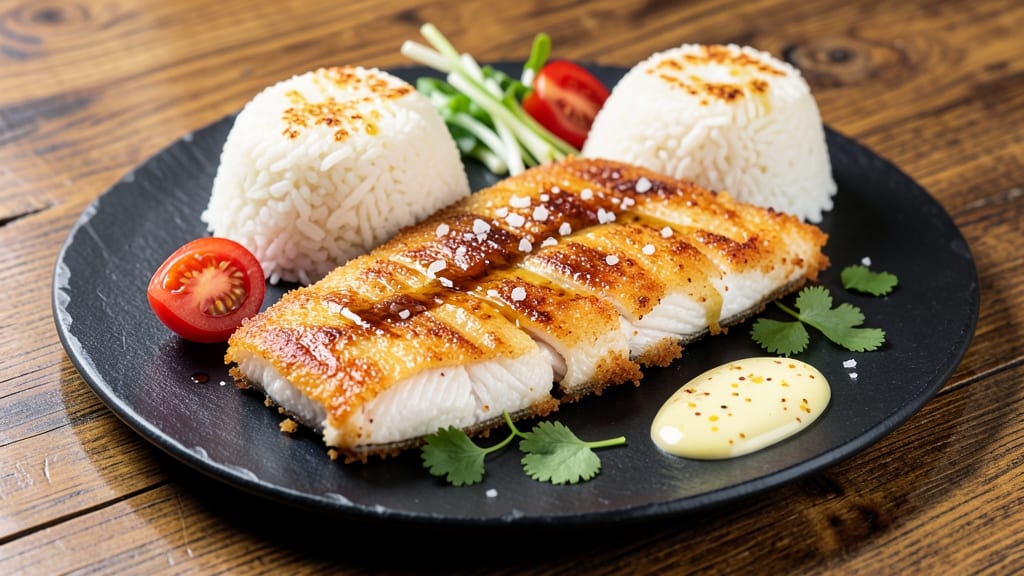
This Japanese fried fish recipe delivers the perfect balance of crispy panko crust and tender fish—just like your favorite izakaya dish. The secret lies in a light, airy batter that stays crispy even after frying, paired with a bright citrus kiss that cuts through the richness.
I developed this method after years of experimenting with different frying techniques and seasoning blends, and it never fails to impress.
The beauty of this recipe is its simplicity—just a few key ingredients transform ordinary fish into something extraordinary. You'll need high-quality panko breadcrumbs for that signature crunch, a touch of cornstarch for extra crispiness, and a zesty citrus marinade to elevate every bite.
The frying process is straightforward but requires precise oil temperature to achieve that golden, shatteringly crisp exterior while keeping the fish perfectly tender inside.
What you'll end up with is restaurant-quality fried fish that's crispy on the outside and juicy on the inside, served with a tangy citrus dipping sauce that adds a refreshing contrast.
The aroma of freshly fried fish fills your kitchen, while the bright flavors make this dish feel both comforting and sophisticated. Perfect for weeknight dinners or special occasions, this recipe brings a taste of Japan to your table with minimal effort.
Pair it with steamed rice and a simple miso soup for an authentic Japanese meal experience, or serve it as a standalone appetizer that disappears faster than you can say "karaage."
The versatility of this dish makes it ideal for any occasion—whether you're cooking for a crowd or treating yourself to a special meal. Let's get started on creating this crispy, citrus-kissed masterpiece.
Ingredients for japanese fried fish
Just eight essential ingredients transform simple fish into izakaya-worthy crispy perfection.
| Ingredient | Amount | Notes |
|---|---|---|
| White Fish Fillets 🐟 | 1 ½ lb | Cod, tilapia, or snapper preferred |
| Japanese Panko Breadcrumbs 🍞 | 1 ½ cups | High-quality, not pre-seasoned |
| All-Purpose Flour 🌾 | ½ cup | For light, crispy batter |
| Cornstarch 🌾 | 2 tbsp | For extra crispiness |
| Large Eggs 🥚 | 2 whole | Room temperature preferred |
| Dry White Wine 🍷 | ¼ cup | Sauvignon Blanc or Pinot Grigio |
| Lemon Juice 🍋 | ½ cup | Freshly squeezed |
| Fresh Ginger 🌿 | 1 tbsp | Grated, aromatic |
| Soy Sauce 🍶 | 2 tbsp | Light or regular |
| Vegetable Oil 🫒 | 4 cups | High smoke point |
| Salt 🧂 | 1 tsp | Diamond Crystal preferred |
| Black Pepper 🌶️ | ½ tsp | Freshly ground |
| Sesame Seeds 🌰 | 1 tbsp | Toasted for garnish |
The fish is everything here. Cod or snapper hold up best to frying, but tilapia works in a pinch (just pat it bone-dry first). Look for fresh, center-cut fillets at your fishmonger—thicker cuts stay juicier. Trader Joe's and Whole Foods carry reliable frozen options if fresh isn't available. The panko? Japanese-style (like Suzuki brand) is non-negotiable—regular breadcrumbs get soggy. Toast it briefly in a dry pan before using to boost flavor. For the wine, anything crisp and dry works—no need for expensive labels here.
No white wine? Fish stock or dry sherry adds depth without overpowering. Fresh ginger is ideal, but ground ginger at half the amount works if you're short on time. The cornstarch is key—don't skip it—it's what gives that shatteringly crisp crust. For extra crunch, mix 1 tbsp potato starch into the panko. The soy sauce should be light-colored; Kikkoman is reliable. If you can't find it, reduce regular soy sauce by half and add a splash of water. Prep the citrus marinade first—it needs time to penetrate the fish while you set up the frying station.
Fish stays fresh 1 day in the fridge once cut—use it immediately for best results. The panko keeps 3 months in an airtight container, but stale breadcrumbs make for a sad crust. For the oil, use a deep, heavy pot—it needs to come up to 350°F and stay steady. A candy thermometer is worth the $10—fried food is unforgiving about temperature. Double the recipe? Fry in batches—overcrowding drops oil temp and makes soggy fish. Keep fried pieces on a wire rack to stay crispy while you finish the batch.
Why You'll Love This Recipe
- Crispy in Minutes: I swear, this takes less time than waiting for takeout. The cornstarch and panko combo creates that perfect golden crust in just 4-5 minutes of frying—no deep-frying skills needed. Honestly, my lazy Sundays now include this as a staple.
- That Crunch Factor: Between us, the Japanese panko isn’t just breadcrumbs—it’s a flavor bomb. Light, airy, and so crispy it shatters like snowflakes, while the egg and flour keep the fish tender inside. That contrast? Pure satisfaction every bite.
- Weeknight to Party Fix: I make this for my kids’ soccer snacks, but it’s also my go-to for dinner parties. The same simple steps work whether I’m feeding four or eight—just scale the portion. (Yes, even on a Tuesday night.)
- Budget-Friendly Crunch: White fish fillets are affordable, and this recipe stretches them further than you’d think. A single batch feeds my family for two meals, and the leftovers reheat beautifully in the air fryer. My wallet and my taste buds win.
Step-by-step instructions for crispy panko-crusted fish
Here's how to create that perfect golden crust while keeping the fish tender inside.
Prepare the Fish and Battering Station
Pat the 1.5 lb white fish fillets completely dry with paper towels - moisture is the enemy of crispy crusts. I like to work in batches to avoid overcrowding later. Arrange the fillets on a wire rack set over a baking sheet to ensure even drying on all sides. Season both sides generously with 1 tsp salt and 0.5 tsp black pepper - this seasoning will penetrate the fish while we prep the batter.
In a shallow bowl, whisk together the 0.5 cup all-purpose flour and 2 tbsp cornstarch. This combination creates a lighter, more delicate crust than flour alone. Set this aside along with the 1.5 cups Japanese panko breadcrumbs in another shallow bowl. The cornstarch is what gives us that extra crunch - don't skip it. Toast the 1 tbsp sesame seeds in a dry skillet over medium heat for 1 minute until fragrant, then set aside for garnish.
Create the Perfect Light Batter
In a medium bowl, beat the 2 whole large eggs until just combined - no need to overbeat them. Add the 0.25 cup dry white wine, 0.5 cup lemon juice, 1 tbsp grated fresh ginger, and 2 tbsp soy sauce. The wine adds subtle complexity while the lemon juice brightens the entire dish. I like to let this mixture sit for 5 minutes while I finish prepping - it allows the flavors to meld slightly.
Just before dredging, whisk in 2 tablespoons of cold water to the egg mixture. This creates a thinner batter that will cling beautifully to the fish without making it soggy. The acidity from the lemon juice and wine helps break down the fish proteins slightly, ensuring a perfect seal with the crust.
Double-Dredge for Maximum Crispiness
Working with one fillet at a time, dip it into the flour-cornstarch mixture, letting any excess fall off. Then submerge it completely in the egg wash, coating all surfaces evenly. Lift the fillet out and let any excess batter drip off for about 10 seconds before pressing it gently into the panko breadcrumbs. Make sure every surface is fully coated - this is what creates that perfect crunch.
Place the breaded fillets on a clean plate and let them rest for 5 minutes. This brief resting period allows the panko to adhere better and prevents the crust from falling off during frying. I like to work quickly here - the batter starts to set almost immediately. Arrange the fillets in a single layer so they don't stick together.
Fry to Golden Perfection
Heat 4 cups vegetable oil in a deep skillet or Dutch oven to 350°F. Use a deep-fry thermometer to monitor the temperature - this is crucial for even cooking. The oil should be hot enough to maintain 350°F when you add the fish, but not smoking. Fry the fish in batches of 2-3 pieces at a time to avoid overcrowding, which would lower the oil temperature.
Fry for 3-4 minutes per side until the crust is deep golden brown and the fish flakes easily with a fork. The crust should be crisp enough to stand up to a gentle squeeze - if it crumbles too easily, your oil wasn't hot enough. Transfer the cooked fish to a wire rack set over a paper towel-lined plate to drain excess oil.
Rest and Serve with Citrus Brilliance
Let the fried fish rest for 2-3 minutes before serving. This brief rest allows the crust to set completely and prevents it from falling apart when you cut in. The internal temperature should reach 145°F at its thickest point. I know it's tempting to eat it immediately, but those few minutes make all the difference in texture.
Serve immediately with the toasted sesame seeds sprinkled on top. The contrast between the crispy panko crust and tender fish is what makes this dish so special. The citrus marinade in the batter keeps everything bright and fresh, while the ginger adds just the right amount of warmth. Each bite should deliver that perfect combination of crunch, moisture, and flavor balance.
Pro Tips For Making Japanese Fried Fish
- PAT THE FISH DRY: Use paper towels to press every inch of moisture out of the fillets before dredging—wet spots ruin the crust. I learned this the hard way when my first batch turned into soggy pancakes instead of crispy gold.
- COAT IN LAYERS: Start with cornstarch (1 tbsp per fillet), then flour, then egg, then panko—don’t skip the cornstarch step. It’s the glue that keeps the panko from falling off, and yes, even if you’re impatient like me.
- FRIZZLE NOT STEAM: Use enough oil (about ½ inch deep) and keep the heat at 350°F—if the oil smokes, it’s too hot. Crowd the pan and the fish will steam instead of fry, and nobody wants that sad, greasy mess.
- REST BEFORE SERVING: Let the fried fish sit on a wire rack for 3–5 minutes after frying—it finishes cooking and the crust sets. I skip this when I’m lazy, but the dish is noticeably better when I don’t. (Your future self will thank you.)
Serving suggestions for this dish
Traditional Japanese Sides
Serve your crispy fried fish with steamed Japanese short-grain rice—its delicate, slightly sticky texture soaks up the citrusy flavors beautifully. I like to use Koshihikari rice (available at Asian markets) for its sweet, nutty profile.
Pair with miso soup made with red miso paste—its deep umami complements the fish's brightness. For extra authenticity, add tofu cubes and green onions to the soup. 🍚
Citrus Dipping Sauces
My go-to sauce is a yuzu kosho blend: mix 2 tbsp yuzu juice (or sub lemon juice), 1 tbsp kosher salt, 1 tsp grated ginger, and ½ tsp red pepper flakes. Thin with 1 tbsp water if needed.
For a sweeter option, whisk 3 tbsp soy sauce with 1 tbsp mirin and 1 tsp honey. Both sauces cut through the crispy crust while enhancing the fish's natural sweetness.
Crunchy Vegetable Contrasts
Add quick-pickled cucumbers for a refreshing crunch—slice ½ English cucumber into rounds, toss with 2 tbsp rice vinegar, 1 tsp sugar, and ½ tsp salt.
Let sit for 15 minutes before serving. Blistered shishito peppers (tossed in 1 tbsp sesame oil and salt) add a mild spicy kick. Both sides balance the richness of the fried fish while keeping the meal light. 🌿
Warm Comfort Additions
For a heartier meal, serve with hot okonomiyaki—a savory Japanese pancake made with shredded cabbage, flour, and egg, topped with mayo and bonito flakes. The smoky-sweet flavors pair perfectly with the citrusy fish.
Alternatively, garlic butter greens (sautéed kale or spinach with 2 tbsp butter, 1 minced garlic clove, and ½ tsp lemon zest) add a luxurious touch.
Plating Like a Pro
Arrange the fried fish on a slate board or wooden platter for a rustic izakaya vibe. Drizzle with extra lemon wedges and scatter toasted sesame seeds generously. For height, stack thinly sliced scallions around the edges.
Serve with chopsticks and a small ceramic bowl for the dipping sauce—it elevates the presentation instantly. The key is to highlight the crispy crust while keeping the focus on the fish's natural beauty. ✨
Nutrition facts
Frequently asked questions
What's the best fish to use for this Japanese fried fish recipe?
Look for firm, white fish like cod, snapper, or halibut—these hold up best to frying. Tilapia works in a pinch but needs extra drying time. Avoid delicate fish like flounder, as they can fall apart. Always buy fresh, center-cut fillets and pat them completely dry before coating.
Can I make this recipe without panko breadcrumbs?
You can substitute with crushed cornflakes or Japanese-style breadcrumbs, but panko gives that signature airy, crispy texture. For a tempura-style crust, use all-purpose flour + cornstarch (no breadcrumbs) and fry at 325°F instead. The cornstarch in this recipe is key—it's what creates that shatteringly crisp exterior.
How do I keep the fried fish crispy after cooking?
Transfer fried fish to a wire rack (not a plate) to drain excess oil. Serve immediately while hot, and keep extra pieces warm in a 200°F oven on a rack. Never stack them—they'll steam and lose crispness. For extra insurance, sprinkle with extra panko right after frying.
What if my oil temperature isn't precise?
If the oil is too cool (below 340°F), the crust will be greasy; too hot (above 360°F) burns the outside before cooking the inside. Use a candy thermometer—it's worth the $10 investment. For a test: drop a pinch of flour in—if it sizzles and floats, you're ready. Adjust heat as needed while frying.
Can I bake this instead of frying?
Yes! Preheat oven to 425°F, brush fish with 1 tbsp oil, then bake for 12-15 minutes on a wire rack. The crust won't be as crispy, but it's a lighter alternative. For extra crunch, broil for 1-2 minutes at the end. Air fry at 375°F for 8-10 minutes with a spray of oil.