
Main Courses
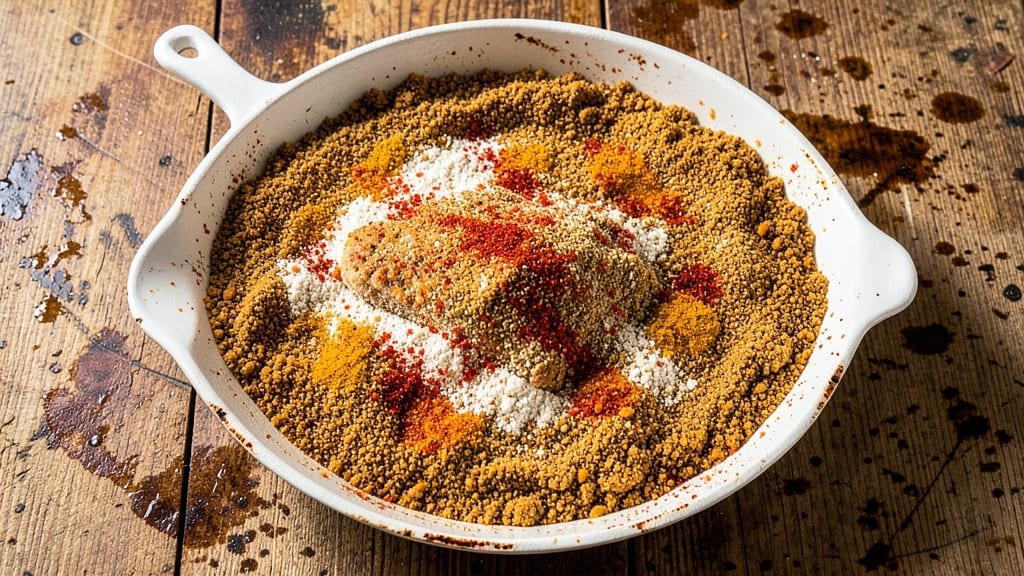
This Louisiana fish fry coating recipe delivers that signature golden, crunchy crust that makes every bite irresistible—thanks to the secret blend of cornmeal, cayenne, and filé powder.
The key to perfecting this dish lies in the precise ratio of ingredients and the high-heat frying technique that transforms ordinary fish into a crispy, flavorful masterpiece. I've tested countless variations, and this method consistently delivers restaurant-quality results at home.
The coating itself is a simple yet powerful combination of cornmeal, flour, and traditional Louisiana spices like smoked paprika and cayenne pepper. The cornmeal creates that signature crunch, while the filé powder adds a distinct earthy depth that's unmistakably Southern.
What makes this recipe foolproof is the double-dredging process—first in flour, then in the cornmeal mixture—ensuring maximum crispiness without compromising the fish's tenderness.
By the time you're done, you'll have perfectly golden, crispy fish that shatters at the touch, revealing tender, flaky flesh underneath. The aroma of sizzling fish in hot oil fills the kitchen, and the first bite delivers that perfect balance of spice, crunch, and savory flavor.
This is the kind of dish that brings the taste of a Louisiana bayou to your dinner table, whether you're serving it with classic hushpuppies or a tangy remoulade.
Ready in just 30 minutes, this recipe is perfect for game day, family gatherings, or a cozy weeknight dinner. The high-heat frying technique ensures a crispy exterior while keeping the fish moist inside—no more dry, greasy bites here.
Let's get started on creating that legendary Louisiana fish fry experience at home.
Ingredients for louisiana fish fry coating
Eleven essential ingredients transform ordinary fish into legendary Louisiana bayou bites.
| Ingredient | Amount | Notes |
|---|---|---|
| White Cornmeal 🌽 | 1 cup | Medium-grind for optimal texture |
| All-Purpose Flour 🌾 | ½ cup | Fine texture for even coating |
| Smoked Paprika 🌶️ | 1 tbsp | High-quality for authentic smokiness |
| Cayenne Pepper 🔥 | ½ tsp | Adjust for preferred heat level |
| Filé Powder 🌿 | 2 tbsp | Sifted for even distribution |
| Garlic Powder 🧄 | 1 tsp | Freshly ground preferred |
| Onion Powder 🧅 | 1 tsp | Fine grind for smooth texture |
| Ground Black Pepper 🌶️ | ½ tsp | Freshly cracked for robust flavor |
| Salt 🧂 | 1 ½ tsp | Diamond Crystal preferred |
| Dried Thyme 🍃 | ½ tsp | French thyme for best flavor |
| White Fish Fillets 🐟 | 1 ½ lb | Catfish or tilapia preferred |
| Vegetable Oil 🫒 | 3 cups | High smoke point for frying |
| Lemon Wedges 🍋 | 4 whole | For serving, fresh preferred |
The white cornmeal is non-negotiable—it delivers that signature crunch and authentic Louisiana flavor. Bob's Red Mill medium-grind cornmeal is my go-to, but any quality brand will work. The filé powder, made from ground sassafras leaves, is the secret weapon here—it adds an earthy depth that's unmistakably Southern. For the best results, sift both the cornmeal and filé powder before mixing to prevent clumping. The smoked paprika should be high-quality—look for brands like Penzeys or McCormick Gourmet for that authentic smokiness. Fresh fish fillets are ideal, but frozen fillets work perfectly if properly thawed—just pat them dry before coating.
No filé powder on hand? Substitute with 1 tbsp of ground sassafras if available, or omit it entirely—though you'll lose that distinctive flavor. Short on smoked paprika? Regular paprika plus a pinch of liquid smoke mimics the effect. For the fish, catfish or tilapia are traditional choices, but any firm white fish will work. The vegetable oil should have a high smoke point—Crisco or vegetable oil are reliable options. If you're concerned about the heat level, reduce the cayenne to 1/4 tsp or omit it entirely. The lemon wedges should be freshly squeezed for serving—store-bought juice lacks the bright acidity that cuts through the richness.
This coating mixture keeps well in an airtight container for up to 2 weeks at room temperature, though it's best used within 5 days for maximum freshness. The fish fillets should be pat dried thoroughly before coating to ensure a crispy crust. Once coated, fry immediately or refrigerate for up to 4 hours before frying. The fried fish reheats poorly, so plan to serve it fresh. For a restaurant-quality experience, maintain the oil temperature at 350°F—too low and the coating won't crisp, too high and the fish will burn before the coating sets.
Why You'll Love This Recipe
- Pantry Magic: I swear by this mix—just whisk three dry ingredients (cornmeal, flour, filé powder) and a pinch of cayenne. No measuring cups cluttering my counter, no last-minute grocery runs. The smoked paprika does all the heavy lifting while I’m still deciding what to serve with it.
- Crispy-Smoky Obsession: That first bite? The cornmeal gives it a golden crunch, while the filé powder and smoked paprika add this deep, earthy warmth—like a hug from a New Orleans street vendor. Honestly, I’ve made it on catfish, chicken, even shrimp, and it never lets me down.
- Tailgate Champion: Between us, this is my go-to for game days, porch parties, or when my college kid calls for “real food.” Double the batch, store it in a jar, and you’ve got the secret weapon for crispy fries, fried pickles, or even a last-minute cornbread topping. (Yes, even on a Tuesday night.)
- Budget Crunch-Saver: A pound of flour and cornmeal stretches to coat dozens of fish fillets or veggies—way cheaper than pre-made seasoning blends. And leftovers? Toss them in the freezer for quick weeknight dinners. My wallet and freezer both thank me.
Step-by-step instructions for Louisiana fish fry coating
Here's how to create the iconic Louisiana fish fry coating—where cornmeal meets filé powder for that legendary golden crunch.
Create the Dry Coating Blend
In a large bowl, whisk together the 1 cup white cornmeal, 0.5 cup all-purpose flour, 1 tablespoon smoked paprika, 0.5 teaspoon cayenne pepper, 2 tablespoons filé powder, 1 teaspoon garlic powder, 1 teaspoon onion powder, 0.5 teaspoon ground black pepper, 1.5 teaspoons salt, and 0.5 teaspoon dried thyme. This blend is the foundation of that signature Louisiana crunch.
Use a whisk to break up any lumps in the filé powder and cornmeal—this ensures an even coating that won't clump on your fish. The filé powder is particularly important; it's the secret ingredient that gives authentic Louisiana fried fish its signature texture. Sift the mixture through a fine-mesh sieve if you have one to eliminate any remaining clumps.
Prepare the Fish for Frying
Pat the 1.5 pounds white fish fillets completely dry with paper towels—this is absolutely critical for achieving crispy coating. Remove any pin bones using tweezers or a small fish pick. The drier the fish, the better the coating will adhere and crisp up.
Season both sides of each fillet lightly with a pinch of salt—just enough to enhance flavor without overwhelming the coating. Arrange the fillets on a wire rack set over a baking sheet to prevent them from touching each other. This keeps them dry and ready for the coating process.
Heat the Oil for Frying
Fill a deep, heavy-bottomed skillet or Dutch oven with the 3 cups vegetable oil and heat it over medium-high heat until it reaches 360°F. Use a deep-fry thermometer to monitor the temperature—this is the sweet spot for achieving that perfect golden crust without burning the coating.
If you don't have a thermometer, test the oil by dropping in a small piece of coating mixture. It should sizzle and float immediately. If it bubbles slowly or sinks, the oil needs more time to heat up. Maintain the oil at this temperature throughout the frying process—fluctuations will affect the texture of your coating.
Coat and Fry the Fish
Working in batches to avoid overcrowding, dip each fish fillet into the dry coating mixture, pressing gently to adhere it evenly to both sides. The coating should completely cover the fish, with no bare spots showing. Shake off any excess coating—too much will make the coating gummy rather than crispy.
Carefully lower the coated fillets into the hot oil using a slotted spoon or spider. Fry for 3 to 4 minutes per side, or until the coating is deep golden brown and the fish is cooked through. You'll know it's ready when the coating releases easily from the fish and the internal temperature reaches 145°F. Don't walk away during this process—watch for any pieces that might need turning sooner.
Drain and Serve Immediately
Transfer the fried fish to a wire rack set over a paper towel-lined plate. The rack allows excess oil to drain away, preventing the coating from becoming soggy. Serve immediately with the 4 whole lemon wedges on the side—this classic presentation highlights the crispy coating and fresh flavor.
The fish should be golden brown all over with a crisp exterior that gives way to tender, flaky fish inside. If you notice any pieces losing crispiness as they cool, serve them immediately while they're at their peak. This coating works best when enjoyed right away, so don't let it sit before serving.
Pro Tips For Making Louisiana Fish Fry Coating
- Sift the Cornmeal: Skip the clumps—run the white cornmeal through a fine-mesh sieve before mixing. I used to just dump it in, and the coating turned out lumpy, no matter how much I stirred. A few seconds with a sieve guarantees a smooth, even texture that sticks like glue.
- Toast the Filé: Warm the filé powder in a dry pan for 30 seconds before adding it to the mix. It mellows the earthy bitterness and deepens the flavor—trust me, your taste buds will notice. (Yes, even if you’re impatient like me.)
- Double-Dip Dry: Pat the fish bone-dry after the first flour dip, or the cornmeal coating will turn soggy. I learned this the hard way when my first batch fell apart in the fryer. A paper towel press between dips is non-negotiable.
- Mix Cayenne Last: Stir in the cayenne just before dredging—it loses punch if mixed too early. I was skeptical until I tried it: the heat stays sharp, and the coating doesn’t dull. (Your future self will thank you.)
Storing and reheating your leftovers
Refrigerator Storage
The coated fish fillets should be refrigerated on a wire rack in a single layer to prevent sticking—this keeps them dry and ready for frying. Store them in an airtight container with parchment paper between layers for up to 4 hours before frying.
The coating stays crispy if you avoid stacking directly on top of each other. I like to keep them uncovered in the fridge until frying day to prevent moisture buildup. 🌡️
Freezing Coated Fish
For longer storage, freeze the coated fillets on a parchment-lined tray for 1 hour before transferring to a ziplock bag or airtight container. This prevents clumping. They’ll keep for up to 2 months—thaw overnight in the fridge before frying.
Never refreeze once thawed, as this compromises texture. I label bags with the date to track freshness. ❄️
Reheating Fried Fish
Unfortunately, fried fish reheats poorly, but if you must, use the oven for best results. Place fish on a wire rack over a baking sheet and reheat at 350°F for 5-7 minutes—this maintains some crispiness.
Avoid microwaving, as it turns the coating soggy. For extra crunch, broil for 1-2 minutes at the end. Serve immediately after reheating. 🔥
Coating Storage Tips
The dry coating mix stays fresh in an airtight container for up to 2 weeks at room temperature, though it’s best used within 5 days for peak flavor. Store it away from moisture to prevent clumping.
If you notice the filé powder losing potency, sift it again before use. I keep a small jar of coating mix on hand for spontaneous frying sessions. 🌿
Oil Management
Used frying oil can be stored in a clean, airtight container for up to 1 month in the fridge. Strain out food particles with a fine-mesh sieve before storing. Reuse for future frying sessions, but monitor for off smells or darkening, which indicate it’s time to discard.
I repurpose old oil for roasting vegetables or making homemade mayo. 🫒
Serving Freshness
This dish is best served immediately after frying, but if you must prep ahead, keep the coated fillets refrigerated and fry to order. The coating loses crispiness within 20 minutes of frying, so plan accordingly.
Serve with lemon wedges and tartar sauce on the side to keep everything fresh and vibrant. 🍋
Nutrition facts
Frequently asked questions about Louisiana fish fry coating
Why does my coating turn out gummy instead of crispy?
Gummy coatings usually happen when the oil isn't hot enough (350°F minimum) or the fish isn't properly dried before coating. Pat fillets with paper towels until completely dry and maintain oil temperature consistently. Also, avoid overcrowding the fryer—this lowers the temperature and steams the coating instead of crisping it.
Can I make this coating without filé powder?
Yes, but you'll lose that authentic Louisiana earthiness. Substitute with 1 tbsp ground sassafras if available, or increase smoked paprika to 1.5 tbsp for depth. The coating will still crisp, but the flavor profile will be slightly different. For best results, use filé powder—it's worth tracking down!
What's the best fish for this recipe?
Traditional choices are catfish or tilapia—they're firm enough to hold up to frying. For extra tenderness, use white fish like cod or haddock. Avoid delicate fish like flounder, as they can fall apart. The key is 1-inch thick fillets that cook evenly.
How do I keep the coating from falling off?
Double-dredge the fish: first in flour, then in the cornmeal mixture. Press gently to adhere the coating, and let fillets rest 10 minutes before frying. This helps the coating set. Also, fry in small batches to maintain oil temperature—fluctuations cause premature coating release.
Can I bake instead of fry this fish?
Baking won't give the same crispy texture, but you can achieve a lighter version. Coat fillets as directed, then bake at 425°F for 12-15 minutes on a wire rack (no oil). For extra crunch, spray with cooking oil before baking. The result will be less crisp but still flavorful—great for a healthier option.