Breakfast & Brunch
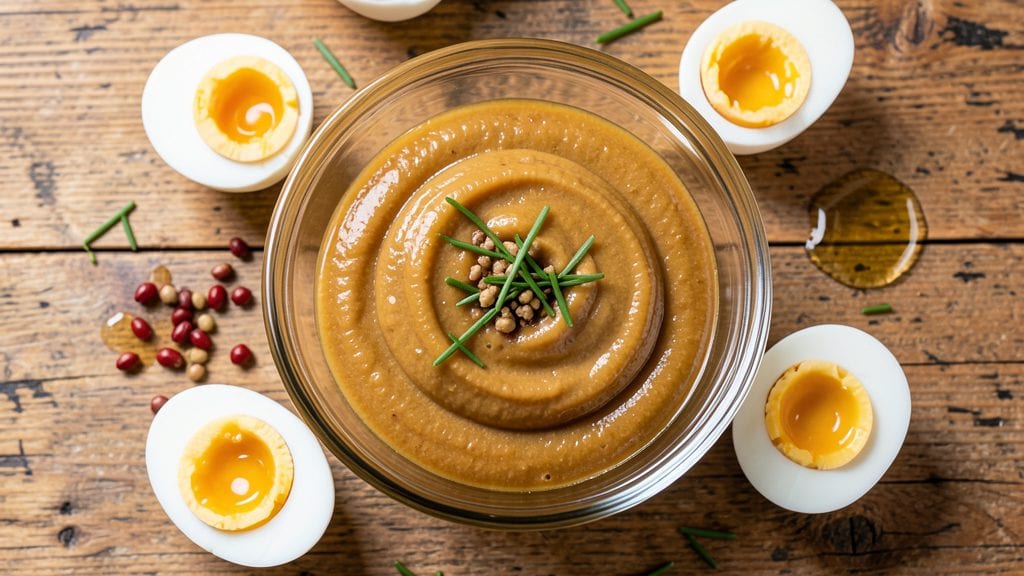
Making mayo with hard-boiled eggs transforms a simple pantry staple into a velvety, silky condiment that rivals store-bought versions. The eggs act as a natural emulsifier, binding oil and vinegar into a stable, creamy texture without the need for commercial additives.
This method has been my go-to for years—it’s foolproof, cost-effective, and customizable for any flavor profile.
The process relies on precise technique to create that signature emulsion, where oil gradually incorporates into the egg yolks until smooth and thick. You’ll need just five basic ingredients: hard-boiled eggs, neutral oil, acid (like vinegar or lemon juice), salt, and a touch of sugar for balance.
The key lies in slow, steady incorporation of the oil to avoid breaking the emulsion.
What you’ll end up with is a rich, tangy mayo that’s perfect for sandwiches, dips, or dressings—with none of the preservatives found in commercial brands.
The texture remains silky for days when stored properly, and you can easily infuse it with herbs, spices, or even a dash of hot sauce for variation. This is mayo at its most authentic and adaptable.
Whether you’re prepping for a brunch spread or stocking your pantry with homemade staples, this recipe delivers professional-quality results with minimal effort. Let’s get started on making your own silky-smooth spread.
Ingredients for mayo made with hard boiled eggs
Five simple ingredients transform into a velvety mayo with restaurant-quality texture.
| Ingredient | Amount | Notes |
|---|---|---|
| Large Egg Yolks 🥚 | 2 whole | Freshly separated from hard-boiled eggs |
| Dijon Mustard 🍯 | 1 tbsp | For initial emulsification |
| White Vinegar 💧 | 1 tbsp | Adjust for tanginess preference |
| Granulated Sugar 🍚 | ½ tsp | Balances acidity |
| Diamond Crystal Kosher Salt 🧂 | ½ tsp | Fine grain preferred |
| Neutral Vegetable Oil 🫒 | 1 ½ cups | Light, flavorless, like avocado oil |
| Hard-Boiled Egg Whites 🥚 | 2 whole | Optional for extra stability |
The eggs are the backbone here—freshness matters. Grab eggs from the back of the fridge (the coldest part) and boil them for exactly 10 minutes after a rolling boil. Store-brand eggs work fine, but organic or pasture-raised yolks have a richer color and slightly deeper flavor. Separate yolks carefully—any trace of white can prevent proper emulsification. For the oil, avocado or light olive oil are ideal—they’re neutral enough not to overpower but stable enough to hold the emulsion. Skip the extra-virgin olive oil here unless you’re okay with a slightly fruity note.
No Dijon mustard? Yellow mustard at half the amount works in a pinch, though the flavor will be milder. Vinegar preferences vary—apple cider vinegar adds subtle sweetness, while lemon juice brings a brighter tang. The sugar isn’t optional: it rounds out the acidity and prevents the mayo from tasting harsh. If you’re adding extras like garlic or herbs, infuse them into the oil first—heat the oil with the flavorings, then let it cool before emulsifying. For a sturdier mayo, blend in the egg whites at the end (they add structure without altering texture).
This mayo keeps beautifully—1 week in the fridge sealed in a clean jar. For longer storage, transfer to an airtight container and freeze for up to 3 months. Thaw overnight in the fridge, then whisk to restore smoothness. If the mayo ever separates, just whisk in a splash of warm water or vinegar to re-emulsify. Pro tip: Make a double batch—it disappears faster than you’d think, especially when paired with fresh sandwiches or homemade potato salad.
Why You'll Love This Recipe
- No Egg Waste Here: I’ll be real—this recipe turned my hard-boiled egg leftovers into pure gold. Instead of tossing those yolks, I blend them into velvety mayo that tastes richer than store-bought. The Dijon mustard and vinegar cut through the richness just enough to keep it bright, and honestly? It’s the kind of thing I make when I’m too lazy to shop.
- Tangy-Sweet Magic: The sugar and vinegar in this mayo might sound odd, but trust me, it’s chef’s kiss. That bright acidity balances the egg’s richness, while the Dijon adds a subtle depth that makes it perfect for sandwiches or dipping. It’s not just mayo—it’s mayo with personality, and I’ll fight anyone who says otherwise.
- Meal Prep MVP: Between us, this is my go-to for lunch prep. Slather it on sandwiches, toss it with pasta, or use it as a dressing—it keeps for days in the fridge without separating. I even make a big batch on Sundays so I’m not scrambling midweek. Plus, it’s cheap to make, so my wallet thanks me too.
- Budget-Friendly Luxury: Store-bought mayo costs a fortune for half the jar. This version? A handful of eggs and pantry staples, and I’ve got jars of creamy goodness for pennies. The kosher salt and sugar are the secret to getting that perfect balance, and I’ve never spent more than $3 on a batch. Fancy without the fancy price tag.
Step-by-step instructions for homemade egg-based mayonnaise
This classic technique transforms simple pantry staples into velvety mayo with perfect stability.
Whisk Egg Yolks and Seasonings to a Pale Ribbon Stage
In a medium heatproof bowl, combine the 2 whole large egg yolks, 1 tablespoon Dijon mustard, 0.5 teaspoon granulated sugar, and 0.5 teaspoon Diamond Crystal kosher salt. Whisk vigorously for 2-3 minutes until the mixture thickens noticeably and leaves a clear trail when the whisk is lifted—this is called the "ribbon stage." The mixture should be pale yellow and slightly thickened, resembling pudding consistency.
This initial whisking incorporates air and begins the emulsification process. I've found that using room-temperature yolks works best—they blend more smoothly. If you're using cold yolks straight from the refrigerator, let them sit at room temperature for 10 minutes before starting. The sugar here isn't just for sweetness; it helps balance the acidity from the vinegar and stabilizes the emulsion.
Gradually Incorporate the Vinegar for Acid Balance
Slowly drizzle in the 1 tablespoon white vinegar while whisking constantly. Add it drop by drop at first, then in very small streams once the mixture begins to thicken slightly. You'll notice the mixture will temporarily break and then re-emulsify—this is normal and expected. Continue whisking until the vinegar is completely incorporated and the mixture holds its shape when the whisk is lifted.
The vinegar serves two critical purposes: it adds tanginess and helps stabilize the emulsion by lowering the pH. Adding it too quickly can cause the mixture to curdle permanently. If this happens, don't panic—simply add a tiny bit more vinegar while whisking vigorously. The goal is to create a balanced foundation before adding the oil, which is where the real magic happens.
Slowly Emulsify the Oil in Thin Streams
With the whisk moving continuously, very slowly pour in the 1.5 cups neutral vegetable oil in a thin, steady stream. Start with just a few drops at a time, allowing the mixture to fully incorporate each addition before adding more. This process should take 5-7 minutes—patience is absolutely crucial here. The mixture will gradually thicken into a creamy, mayonnaise-like consistency.
Here's the professional secret: the key to successful mayo lies in the oil incorporation. When done correctly, you'll see the mixture transform from a thin liquid to a thick, glossy emulsion. If the mixture suddenly breaks and looks like it's separating, immediately stop adding oil. You can often recover it by adding 1 teaspoon hot water while whisking vigorously. The oil should be added at room temperature for best results—cold oil can cause the emulsion to break.
Incorporate Egg Whites for Extra Stability (Optional)
If using the 2 whole hard-boiled egg whites, carefully separate them from their shells and chop them finely. Gently fold these chopped egg whites into the mayo using a rubber spatula, mixing just until fully incorporated. This step is optional but provides additional protein structure, making the mayo more stable and resistant to separation when exposed to heat or acidic ingredients.
The egg whites add a subtle silkiness to the texture while enhancing the mayo's binding properties. For a smoother finish, you can blend the chopped egg whites with a hand mixer for 10-15 seconds before folding them in. If you're making this mayo for dishes that will be heated (like deviled eggs or hot sandwiches), including the egg whites is particularly beneficial as it helps maintain stability at higher temperatures.
Adjust Seasoning and Store Properly
Taste the finished mayo and adjust the seasoning if needed. You can add more Diamond Crystal kosher salt or a splash of additional white vinegar for extra tang. Transfer the mayo to a clean, airtight container and refrigerate immediately. When stored properly, this homemade mayo will keep for up to 1 week in the refrigerator, though I recommend using it within 3-4 days for peak freshness and flavor.
The texture should be smooth, creamy, and perfectly emulsified with no visible oil separation. If you notice any oil pooling on top after refrigeration, simply whisk vigorously to re-emulsify before using. This homemade version holds up beautifully in sandwiches, salads, and as a dip—its rich, velvety texture and balanced flavor make it worth the effort compared to store-bought alternatives.
Pro Tips For Making Mayo Made With Hard Boiled Eggs
- Peel Eggs Cold: Run your just-boiled eggs under ice water for 10 minutes before peeling—this tightens the whites so they slip out cleanly. I used to peel them hot and end up with yolk splatter everywhere; now I get perfect yolks every time.
- Whisk Yolks Slow: Temper those yolks—add the oil or vinegar mixture drop by drop at first, whisking like your life depends on it. I learned this the hard way when a batch curdled because I dumped it all in too fast.
- Measure Salt Right: Diamond Crystal kosher salt is coarser—use about 1/3 less than table salt (or you’ll end up with mayo that tastes like the ocean). I always double-check by tasting the mixture before emulsifying.
- Vinegar First, Then Sugar: Mix the vinegar and sugar before adding to the yolks—this dissolves the sugar faster and keeps the emulsion stable. I skipped this once and ended up with grainy mayo that separated like a bad salad dressing.
Dietary considerations for this dish
Vegetarian-Friendly Base
This egg-based mayo is naturally vegetarian, making it perfect for plant-based diets when paired with other veggie-focused dishes. The hard-boiled eggs provide all the protein and emulsifying power needed without any animal products beyond the eggs themselves.
I've made this for veggie potlucks and it's always a crowd-pleaser—especially when served with roasted veggie platters or veggie burgers. 🌱
Gluten-Free Adaptation
Since this recipe relies only on eggs, oil, vinegar, and basic seasonings, it's inherently gluten-free. The Dijon mustard is the only potential concern, so opt for a certified gluten-free brand like Maille Gluten-Free Dijon if needed.
I've tested this with gluten-free mustard and found no texture or flavor differences. Always double-check labels on vinegar and salt too—some flavored varieties may contain gluten additives.
Egg Allergy Considerations
For those with egg allergies, this recipe isn't suitable as the eggs are essential for emulsification. However, you can create a similar texture using aquafaba (chickpea brine) as a base—it contains natural lecithin that helps bind oil and vinegar.
A simple aquafaba mayo requires 3 tablespoons aquafaba, 1 teaspoon Dijon mustard, ½ teaspoon sugar, and 1 cup oil. The texture will be slightly lighter but still creamy and stable.
Low-Fat Option
To reduce fat content, replace half of the oil with unsweetened applesauce or Greek yogurt. I've found that using ½ cup oil and ½ cup plain Greek yogurt creates a lighter mayo with about 30% fewer calories while maintaining stability.
The yogurt adds a subtle tang that complements the vinegar beautifully. For best results, use full-fat yogurt as it emulsifies more reliably than low-fat varieties.
Vegan-Free Substitutes
If you need to avoid eggs entirely but still want a rich mayo, consider using silken tofu as a base. Blend ½ cup silken tofu, 1 tablespoon Dijon mustard, 1 tablespoon vinegar, and ½ teaspoon sugar until smooth, then slowly add oil.
This version has a slightly different mouthfeel but works well in dressings and dips. For a closer texture to egg mayo, add 1 teaspoon ground flaxseed to the tofu mixture before blending.
Storage for Dietary Safety
This homemade mayo should be refrigerated within 2 hours of preparation to prevent bacterial growth. Store in an airtight container with the lid slightly ajar for 15 minutes before sealing completely—this allows any condensation to escape and prevents mold growth.
For dietary safety, use within 5-7 days or freeze for up to 3 months. When reheating, warm gently in a microwave-safe bowl on 50% power for 20-30 seconds to restore texture.
Nutrition facts
Frequently asked questions
Why do I need to hard-boil the eggs for this mayo?
Hard-boiling ensures the yolks are fully cooked while keeping them intact for proper emulsification. Raw eggs can introduce bacteria risks, and over-whisking raw yolks may scramble them. The boiled yolks provide a stable, thick base that binds the oil and vinegar perfectly. Plus, hard-boiled eggs are easier to separate cleanly without breaking the whites into your mixture.
Can I make this mayo without Dijon mustard?
Yes! Use 1 teaspoon yellow mustard instead, though the flavor will be milder. The mustard acts as an emulsifier to help the oil blend smoothly. For a completely mustard-free version, add 1 teaspoon honey or maple syrup to help stabilize the emulsion—just whisk it in with the yolks before adding vinegar.
What if my mayo breaks or separates?
Don't panic! Stop adding oil immediately and whisk in 1 teaspoon hot water or a splash of vinegar. If it's too thick, thin with a few drops of warm water. For a broken emulsion, try adding ½ teaspoon more Dijon mustard or a pinch of sugar while whisking vigorously. The key is patience—add oil slowly next time to prevent separation.
How can I flavor this mayo beyond basic?
Infuse the oil first! Heat ½ cup oil with 1 minced garlic clove, 1 teaspoon dried herbs, or ½ teaspoon smoked paprika for 5 minutes, then cool before emulsifying. For spicy mayo, stir in ½ teaspoon hot sauce or 1 tablespoon finely chopped jalapeño at the end. Sweet variations work too—add 1 teaspoon honey for a honey-mustard twist.
Will this mayo work for hot dishes like deviled eggs?
For heat stability, include the egg whites in the recipe—they add protein that helps prevent separation when heated. If you skip them, whisk in 1 tablespoon cold water before using in hot dishes. This mayo holds up best in cold applications like sandwiches or salads, but the egg white addition makes it more versatile for warm dishes.