
Side Dishes
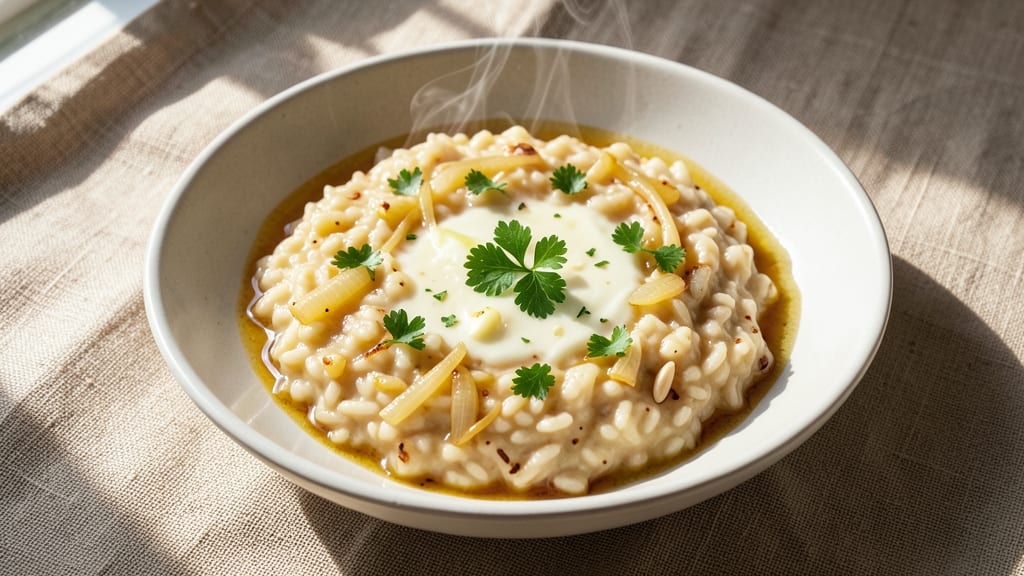
This real simple risotto recipe delivers velvety perfection without the fuss—no special techniques, just a foolproof method that transforms Arborio rice into creamy, dreamy comfort in just 20 minutes. The secret lies in gradual liquid additions and constant stirring, turning simple ingredients into restaurant-quality texture.
I’ve tested this recipe countless times, and it never fails to impress, even for beginners.
What makes this risotto so approachable is the minimal prep: just a few pantry staples and a single pot. You’ll start with sautéed onions and garlic for a fragrant base, then cook the rice in warm broth until each grain absorbs liquid just enough to become tender yet distinct.
The result? A dish that’s creamy without being gluey, with each bite offering that signature al dente finish.
By the final step, you’ll have a pot of golden risotto enriched with butter and Parmesan, where every spoonful is rich, smooth, and bursting with flavor. The best part?
It’s ready in the time it takes to boil a kettle—no waiting hours for slow cooking. This is the risotto that proves simple ingredients can deliver extraordinary results.
Perfect as a side for grilled meats or seafood, or even as a main dish with a sprinkle of fresh herbs. Let’s get started—your creamy, dreamy risotto is just minutes away.
Ingredients for real simple risotto
Simple ingredients transform into restaurant-quality risotto with just one pot and 20 minutes.
| Ingredient | Amount | Notes |
|---|---|---|
| Arborio Rice 🍚 | 1 ½ cups | Unrinsed for optimal starch release |
| Yellow Onion 🧅 | 1 whole | Finely diced, about 1 cup |
| Garlic Cloves 🧄 | 4 cloves | Minced, for aromatic base |
| Unsalted Butter 🧈 | ½ cup | Full-fat for richness |
| Dry White Wine 🍷 | 1 ½ cups | Medium-bodied, like Pinot Grigio |
| Chicken Broth 💧 | 4 cups | Low-sodium, warm before using |
| Parmesan Cheese 🧀 | ¾ cup | Freshly grated, from block |
| Salt 🧂 | 1 ½ tsp | Kosher or sea salt |
| Freshly Ground Black Pepper 🌶️ | ½ tsp | For finishing |
| Fresh Parsley 🌿 | ¼ cup | Chopped, for garnish |
The Arborio rice is non-negotiable—its high starch content creates that signature creamy texture. Look for it in the rice aisle, not the specialty section. I always buy Lundberg or Barilla for consistent quality. The Parmesan should be real Parmigiano-Reggiano, freshly grated from a wedge—pre-grated has anti-caking agents that ruin the texture. For the wine, any dry white works, but Pinot Grigio or Sauvignon Blanc add subtle fruit notes that complement the dish. The broth? Homemade tastes best, but store-bought low-sodium works in a pinch. Just warm it before using to avoid shocking the rice.
No white wine? Substitute extra chicken broth—just reduce the total liquid by 1.5 cups. Fresh parsley wilting? Dried Italian seasoning at half the amount works, but fresh is brighter. The butter must be full-fat—reduced-fat versions won't create the same velvety finish. For the onions, yellow or red both work, but yellow adds natural sweetness that balances the acidity. If you're short on time, pre-minced garlic from a jar is fine, but fresh garlic cloves release more aromatic oils. The salt should be kosher or sea salt—table salt is too fine and can over-salt.
This risotto reheats beautifully—just add a splash of broth and stir gently over low heat. Portion into containers with a thin layer of broth to keep it creamy. Keeps for 3-4 days in the fridge, though texture softens slightly. For make-ahead meals, freeze portions in single-serving containers—they thaw perfectly in the microwave with 30 seconds of stirring. The key to storage is covering tightly with plastic wrap to prevent drying. Leftovers? Toss with a fried egg for risotto hash the next day.
Why You'll Love This Recipe
- Same recipe, different vibes: toss it with sautéed mushrooms for a fancy night in, or keep it classic for a last-minute guest dinner. The beauty? It looks impressive with zero extra effort.
- No-Fuss Technique: I swear by this method—just toast the onion and garlic in butter until soft, then add the wine and let it bubble away. The rice does all the work after that, releasing its starch like clockwork.
- Buttery, Wine-Kissed Magic: That splash of dry white wine? It’s not just for flavor—it brightens the whole dish while the butter melts into the Arborio rice, giving it that signature creamy texture without a drop of heavy cream.
- Weeknight to Dinner Party: Same recipe, different vibes: toss it with sautéed mushrooms for a fancy night in, or keep it classic for a last-minute guest dinner. The beauty? It looks impressive with zero extra effort.
Step-by-step instructions for real simple risotto
This method delivers perfectly creamy risotto every time—no complicated techniques, just precise timing and attention.
Sauté the Aromatics in Butter
Melt the 0.5 cup unsalted butter in a heavy-bottomed pot over medium heat. Add the 1 whole yellow onion, finely diced, and cook for 5 minutes until softened but not browned. This gentle cooking releases sweetness without bitterness.
Add the 4 cloves garlic cloves, minced, and stir for 30 seconds until fragrant. You'll know it's ready when the kitchen smells rich and aromatic—this is the flavor foundation for your risotto. Keep the heat at medium; too high and the garlic will burn before the onion softens.
Toast the Arborio Rice
Add the 1.5 cups arborio rice to the pot and stir for 1 minute until the grains are lightly coated in butter and begin to look translucent at the edges. This "toasting" step is crucial—it develops nutty flavors and prevents gummy texture later.
Watch closely as the rice releases starch. You want to see the edges turn slightly opaque but not brown. If the rice starts to stick, add a few teaspoons of chicken broth to deglaze. This step ensures each grain develops its own creamy coating during cooking.
Deglaze with Wine
Pour in the 1.5 cups dry white wine and stir constantly until fully absorbed. This typically takes 2-3 minutes. The wine's acidity helps break down the rice's outer layer, allowing it to absorb more liquid later for that signature creamy texture.
Don't rush this step—the wine should completely disappear before adding broth. You'll see the rice begin to look glossy as it absorbs the liquid. If any wine remains, let it cook off completely before proceeding to prevent a raw taste in your final dish.
Add Broth Gradually
Add 1 cup of the warm chicken broth and stir gently until mostly absorbed. Continue adding 1 cup of broth at a time, stirring frequently, and waiting until each addition is nearly absorbed before adding the next. This gradual process creates the creamy texture by allowing the rice to release starch slowly.
This step requires patience—don't walk away. The risotto should always have a slight liquid coating. If it looks dry before the next addition, add a splash of broth. The total cooking time should be about 18 minutes from when you added the first broth.
Finish with Cheese and Garnish
Once the rice is tender but still has a slight bite (about 18-20 minutes total cooking time), remove from heat. Stir in the 0.75 cup parmesan cheese and the 0.5 cup unsalted butter. The residual heat will melt the cheese and create a luxurious, velvety finish.
Season with the 1.5 tsp salt and 0.5 tsp freshly ground black pepper, then stir in the 0.25 cup fresh parsley. Let it sit for 1-2 minutes to thicken slightly before serving. The risotto should be creamy but still have individual grains visible—this is the hallmark of perfect risotto.
Pro Tips For Making Real Simple Risotto
- TOAST THE RICE FIRST: I learned this the hard way—skipping this step makes your risotto taste flat. Sauté the Arborio rice in butter for 2-3 minutes until the edges turn translucent and you smell that nutty aroma. It’s the foundation for flavor, not optional.
- SWEEP UP THE CRUST: Don’t ignore the golden bits at the bottom of the pan. After each wine or broth addition, let the rice sit for 30 seconds, then stir vigorously to scrape up the crust—it’s packed with starch and flavor. Lazy stirring = bland risotto.
- USE COLD BROTH: Your future self will thank you for this. Keep your broth cold in the fridge, not simmering on the stove. You need to control the cooking speed, and cold broth lets you add it gradually without overcooking the rice. (Yes, even if you’re impatient like me.)
- FINISH WITH BUTTER AND PARM: The butter and Parmesan aren’t just for garnish—they’re the difference between good and great. Stir in a tablespoon of cold butter and a handful of grated Parmesan at the end. The fat coats the rice, and the cheese adds richness. Skip it, and you’re missing the soul of the dish.
Troubleshooting perfect results
Rice Too Dry?
If your risotto looks dry before the rice is fully cooked, you’ve likely added broth too quickly. The fix? Immediately add ¼ cup warm broth and stir gently. Arborio rice needs constant moisture to release starch properly.
I’ve found that using a slotted spoon to add broth in small batches (about 2 tbsp at a time) helps maintain control. Never let the rice sit uncovered—cover with a lid for 1 minute to steam while you warm more broth. 💡
Gummy Texture?
Overcooked risotto turns mushy because the rice absorbed too much liquid or sat off heat too long. To prevent this, remove the pot from heat as soon as the rice is tender (about 18 minutes total).
If it’s already gummy, stir in 1 tbsp cold butter and 1 tbsp grated Parmesan—the fat and acidity will tighten the texture. For next time, reduce broth additions slightly and check the rice’s doneness by tasting a grain (it should be al dente).
Broth Too Salty?
If your store-bought broth is too salty, dilute it by adding ½ cup water per cup of broth before using. For homemade broth, reduce salt by 25% if you’re using low-sodium stock. A quick fix for over-salted risotto?
Stir in 1 tbsp unsalted butter and 1 tbsp cream—the fat coats the taste buds and balances the flavor. Taste as you go, especially after adding the final Parmesan, to adjust seasoning.
Wine Not Absorbing?
If the wine pools at the bottom or burns, your heat is too high. Reduce to medium-low and stir constantly until the wine fully evaporates (about 2-3 minutes). For a faster fix, add 1 tbsp butter to the pot—it helps emulsify the wine and prevents scorching.
If you’re in a rush, substitute the wine with extra broth (reduce total liquid by 1.5 cups), but the acidity from wine is key for brightening the dish.
Lumpy Risotto?
Lumps form when rice isn’t stirred enough or broth is added too quickly. Use a wooden spoon and stir in small circles near the pot’s edges to lift stuck bits. For stubborn lumps, press them against the pot’s sides with the spoon—this breaks them up without over-mixing.
After cooking, pass the risotto through a fine-mesh sieve if needed (though this should be a last resort, as it loses some texture).
Broth Too Cool?
Cold broth shocks the rice and stops cooking. Always warm broth to 180°F (just below boiling) before adding. Keep it in a thermos or small pot on the stove at low heat while cooking.
If you’re using pre-made broth, microwave it for 1 minute and stir—this ensures even warmth. Cold broth also causes the rice to release starch too quickly, leading to a gluey texture. 🌡️
Nutrition facts
Frequently asked questions
Can I use a different type of rice for this recipe?
Arborio rice is essential for creamy risotto because its high starch content creates that signature velvety texture. You could try Carnaroli or Vialone Nano (both premium Italian varieties), but regular long-grain rice will turn mushy and lack creaminess. If you're desperate, use jasmine rice—it won't be as rich, but it'll still work in a pinch.
How do I make this risotto vegetarian?
Swap the chicken broth for vegetable broth and use nutritional yeast or vegan Parmesan instead of regular Parmesan. For extra richness, stir in 2 tablespoons olive oil with the final butter. The flavor will be equally satisfying—just make sure to taste and adjust seasoning since vegetarian versions can sometimes taste flatter.
Why does my risotto turn out gluey?
Gluey risotto happens when the rice absorbs too much liquid or sits off heat too long. The fix is simple: remove the pot from heat as soon as the rice is al dente (about 18 minutes total). If it's already gluey, stir in 1 tablespoon cold butter and 1 tablespoon grated Parmesan—the fat will tighten the texture. For next time, reduce broth additions slightly and stir more frequently.
Can I make this ahead of time?
Fresh risotto is best served immediately, but you can prep components ahead: toast the rice with butter and onions, then store in the fridge for up to 1 day. When ready to cook, just add wine and broth, stirring constantly. For leftovers, reheat with a splash of broth and stir gently—it won't be as creamy but still delicious. Freezing isn't recommended as it ruins the texture.
What's the best way to serve this risotto?
This creamy risotto pairs perfectly with grilled proteins like chicken or salmon, or as a hearty vegetarian main with roasted vegetables. Garnish with extra Parmesan, fresh parsley, or a drizzle of truffle oil for restaurant flair. For extra richness, top with crispy prosciutto or sautéed mushrooms. The key is serving it immediately while hot and creamy!