
Beverages
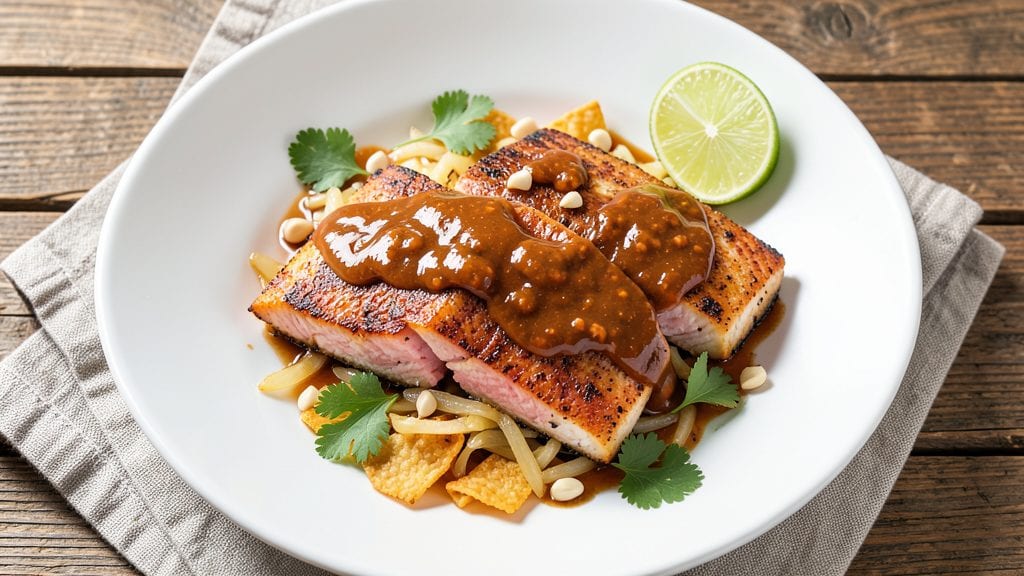
This red snapper Veracruz recipe brings the bold, citrusy flavors of Mexico’s coastal cuisine straight to your kitchen with minimal effort. The secret lies in achiote paste and fresh citrus, which infuse the fish with vibrant color and complex, tangy notes that define Veracruz-style cooking.
I’ve simplified the traditional method while keeping the dish’s authentic soul intact—no complicated techniques, just one pan and a few key ingredients.
The beauty of this recipe is its balance: tender, flaky red snapper simmered in a bright tomato-citrus sauce with garlic, onions, and a touch of heat from chiles. The sauce reduces to a rich, slightly sweet glaze that clings to the fish, making every bite burst with flavor.
Unlike many seafood dishes, this one requires no special equipment—just a sturdy skillet and about 25 minutes of active time. The result? A restaurant-worthy meal that feels fresh and vibrant, not heavy or complicated.
What makes this dish truly special is how it transforms simple ingredients into something extraordinary. The achiote paste gives the sauce its signature deep orange hue, while the citrus keeps it bright and refreshing.
Serve it over steamed rice or with warm tortillas to soak up every last drop of that zesty sauce. The aroma alone—garlicky, citrusy, and slightly smoky—will have everyone at the table asking for seconds before the first bite is even taken.
This recipe is perfect for weeknight dinners when you want something impressive yet effortless, or for special occasions when you crave the flavors of Mexico without the fuss.
The technique is foolproof, and the ingredients are easy to find, making it accessible for home cooks while still delivering professional results. Let’s get cooking!
Ingredients for red snapper veracruz
One pan, vibrant flavors, and just 15 ingredients transform simple seafood into Veracruz-style magic.
| Ingredient | Amount | Notes |
|---|---|---|
| Red Snapper Fillets 🐟 | 1 ½ lb | Skin-on, 6-8 oz each fillet |
| Achiote Paste 🌶️ | 1 tbsp | Authentic Mexican, not powdered |
| Yellow Onion 🧅 | 1 whole | Medium size, diced finely |
| Garlic Cloves 🧄 | 4 cloves | Fresh, minced for depth |
| Tomato Paste 🍅 | 2 tbsp | High quality, no preservatives |
| Lime Juice 🍋 | ½ cup | Freshly squeezed, seeds removed |
| Orange Juice 🍊 | ¼ cup | Freshly squeezed, no pulp |
| Dried Ancho Chiles 🌶️ | 1 whole | Stemmed, seeded, chopped |
| Extra-Virgin Olive Oil 🫒 | 2 tbsp | Light fruity variety preferred |
| Fresh Cilantro 🌿 | ¼ cup | Chopped, for garnish |
| Salt 🧂 | 1 ½ tsp | Diamond Crystal preferred |
| Ground Black Pepper 🌶️ | ½ tsp | Freshly ground for heat |
| Bay Leaves 🍃 | 2 whole | Fresh preferred, dried works |
| Jalapeño Pepper 🌶️ | 1 whole | Seeded, chopped for heat |
| Long-Grain White Rice 🍚 | 1 cup | Uncooked, for serving |
The achiote paste is non-negotiable for that signature color and earthy depth. La Cocina Aztec or Goya brands are reliable, but avoid powdered versions—they lack the authentic flavor. If you can't find it, annatto seeds steeped in oil work in a pinch, though the color won't be as vibrant. The red snapper should be fresh, with firm, translucent flesh and no fishy odor. Ask your fishmonger for wild-caught if possible, or look for sustainably farmed options at Whole Foods or Trader Joe's. The dried ancho chiles should be plump and dark—avoid brittle or shriveled ones, as they lose potency. Toast them briefly in a dry pan before chopping to deepen their flavor, but don’t burn them.
No achiote paste? Paprika plus a pinch of turmeric mimics the color, though the flavor won’t be identical. Swap the jalapeño for serrano peppers if you prefer more heat, or omit it entirely for a milder sauce. The orange juice can be substituted with grapefruit juice for a sharper twist, but stick to citrus—no apple or pineapple substitutes here. If you’re short on lime juice, bottled works in a bind, but fresh is always better. The tomato paste should be smooth and free of lumps; Mueller’s or Barilla are reliable brands. For the garlic, fresh is a must—no powdered or garlic salt here. And if you’re out of cilantro, fresh parsley or basil can garnish, though they’ll change the flavor profile slightly.
Store the achiote paste in a cool, dark place for up to 6 months, and keep the dried chiles in an airtight container for 1 year. The red snapper should be cooked and eaten immediately for peak freshness, but the sauce can be made ahead and reheated gently. The cilantro wilts quickly—store it in a damp paper towel in a sealed container for 3-4 days. This dish reheats beautifully, though the fish may flake more if warmed through. Portion the sauce separately if freezing—it keeps for 3 months, while the fish is best eaten fresh. The rice can be cooked in advance and reheated with a splash of water.
Why You'll Love This Recipe
- One-Pot Magic: I swear by this recipe when I’m too tired to scrub a million dishes. The achiote paste does all the work—just sauté it with onions and garlic, add the snapper, and let it simmer. Twenty minutes later, you’ve got a restaurant-worthy dish with one pan to wash.
- Sunshine in a Sauce: That achiote paste? It’s the secret weapon—earthy, slightly smoky, and packed with color. The tomato paste deepens the flavor without overpowering, and the snapper stays tender while soaking up every bit. Honestly, I’ve never tasted a Veracruz that didn’t make me reach for seconds.
- Weeknight to Weekend: This isn’t just a Tuesday dinner. Serve it with rice and avocado for a casual lunch, or dress it up with lime and cilantro for a dinner party. The leftovers? Even better the next day—just reheat and serve over tostadas for a quick lunch. My go-to for when I need something reliable that still feels special.
- Budget-Friendly Luxury: Fresh snapper can be pricey, but this recipe stretches it far. A single fillet feeds two, and the sauce is so rich, you’ll use less fish than you think. Plus, achiote paste lasts forever, so you’re not breaking the bank for a flavor that tastes like a vacation. (Yes, even on a Tuesday night.)
Step-by-step instructions for red snapper Veracruz
This vibrant one-pan dish delivers restaurant-quality flavors with minimal effort.
Prepare the Achiote Marinade and Sauté Aromatics
In a small bowl, combine the 1 tablespoon achiote paste with 2 tablespoons extra-virgin olive oil. Whisk until smooth and set aside. This vibrant marinade will infuse the snapper with its signature color and earthy depth.
Heat a large oven-safe skillet over medium heat. Add the 1 whole yellow onion, diced finely, and cook for 5-6 minutes until softened and translucent. Add the 4 cloves garlic cloves, minced, and cook for another 30 seconds until fragrant. This foundational step builds the flavor base for the entire dish.
Build the Veracruz Sauce and Cook the Snapper
Reduce heat to medium-low and stir in the 2 tablespoons tomato paste, cooking for 2 minutes until it darkens slightly. Add the 0.5 cup lime juice, 0.25 cup orange juice, and the chopped dried ancho chiles. Let the mixture simmer for 5 minutes until the chiles soften and the sauce begins to thicken.
Season the 1.5 lb red snapper fillets with 1.5 teaspoons salt and 0.5 teaspoon ground black pepper. Carefully place the fillets skin-side down in the skillet. Pour the marinade evenly over the fish. Add the 2 whole bay leaves and 1 whole jalapeño pepper, seeded and chopped, to the sauce.
Simmer the Snapper to Perfect Doneness
Cover the skillet and simmer gently for 8-10 minutes until the snapper flakes easily with a fork and reaches an internal temperature of 145°F. The sauce should reduce slightly, coating the fish in a glossy, citrus-infused glaze. You'll know it's ready when the edges begin to lift slightly from the pan.
Remove the skillet from heat and let the snapper rest for 5 minutes. This resting period allows the juices to redistribute, ensuring each bite remains moist and flavorful. The sauce will continue to meld during this time, developing deeper complexity.
Prepare the Rice and Garnish the Dish
While the snapper rests, prepare the 1 cup long-grain white rice according to package instructions. For best results, use a 2:1 water-to-rice ratio and cook until tender and fluffy. The rice should be perfectly cooked but not mushy, providing a neutral base that lets the vibrant Veracruz flavors shine.
Garnish the snapper with the 0.25 cup chopped fresh cilantro just before serving. The bright green color contrasts beautifully with the deep red sauce, adding both visual appeal and fresh herbal notes. Serve the snapper Veracruz immediately over the prepared rice, ensuring each portion gets an equal share of the aromatic sauce.
Pro Tips For Making Red Snapper Veracruz
- Bloom the Achiote: Mix the achiote paste with a splash of warm water first—about 2 tablespoons—before adding it to the pan. This prevents clumping and ensures the paste dissolves smoothly into the sauce. I used to just toss it in dry, and it always left gritty bits that ruined the texture.
- Sear, Don’t Simmer: Get your snapper fillets screaming hot in a dry pan for 30 seconds per side before adding the sauce. The crust locks in flavor and keeps the fish from turning rubbery when it hits the liquid. Yes, even if you’re impatient like me—resist the urge to rush this.
- Char the Onions: Cook the onions until they’re deep golden, almost caramelized, before adding garlic. This adds a smoky depth that cuts through the richness of the achiote. I learned this the hard way—raw onions in the sauce just taste sad.
- Deglaze Aggressively: After searing the garlic, splash in a little beer or white wine (or even fish stock) and scrape the browned bits off the pan before adding tomato paste. Those bits are pure flavor, and skipping this step means missing out. Use a wooden spoon—it works better than a spatula.
Common mistakes when making perfect results
Overcooking the Snapper
The most common mistake is letting the snapper overcook, which turns it dry and rubbery. I’ve seen home cooks walk away from the stove for just a few minutes too long, thinking the fish needs more time.
Red snapper cooks fast—8-10 minutes max at medium-low heat. Use a meat thermometer to check for 145°F internal temperature—any higher, and you’ve ruined the delicate texture. 🌡️
Skipping the Resting Time
After removing the snapper from heat, I can’t stress enough how important it is to let it rest for 5 minutes. Skipping this step causes the juices to spill out when you serve it, leaving you with dry, flavorless bites.
Place the skillet on a warm burner or transfer the fish to a plate while it rests. Trust me, those 5 minutes make all the difference in keeping the fish moist and tender.
Using Low-Quality Achiote
Some cooks opt for powdered achiote or even skip it entirely, thinking it’s optional. But authentic achiote paste is the soul of Veracruz flavors—it gives the sauce its signature deep orange color and earthy, slightly smoky depth.
If you can’t find it, annatto seeds steeped in oil are a decent substitute, but the flavor won’t be the same. I recommend La Cocina Aztec or Goya brands for the real deal. 🌶️
Burning the Aromatics
When sautéing the onions and garlic, it’s easy to let them burn, especially if you’re distracted. Burnt aromatics add a bitter, acrid flavor that ruins the dish. Keep the heat at medium-low and stir frequently.
The onions should be soft and translucent, and the garlic should sizzle gently—not brown or blacken. This step sets the foundation for the entire sauce, so take your time here.
Ignoring the Jalapeño
Some cooks omit the jalapeño entirely, thinking it’s just for heat. But it also adds a bright, fresh dimension to the sauce. If you prefer milder heat, remove the seeds and membranes, but don’t skip it altogether.
The jalapeño’s subtle fruitiness balances the acidity of the citrus and the richness of the tomato paste. For extra heat, leave the seeds in or add a pinch of cayenne pepper to the sauce.
Using Bottled Citrus Juice
Fresh lime and orange juice are non-negotiable in this recipe. Bottled juice lacks the brightness and complexity of fresh citrus, and it often contains added sugars or preservatives that alter the sauce’s balance.
If you’re short on time, freshly squeezed grapefruit juice can work in a pinch, but it’s not the same. The acidity from fresh citrus cuts through the richness of the fish and sauce, making every bite vibrant. 🍋
Nutrition facts
Frequently asked questions
Can I substitute red snapper with another white fish?
Yes, but choose carefully! Mahi-mahi or sea bass work well as they have similar textures, though mahi-mahi is slightly firmer. Avoid delicate fish like flounder—they'll fall apart in the sauce. If using mahi-mahi, reduce cooking time by 1-2 minutes since it cooks faster than snapper.
How can I make this dish spicier?
Add 1-2 teaspoons of minced chipotle in adobo sauce to the achiote marinade for smoky heat, or stir in ½ teaspoon of cayenne pepper with the tomato paste. For fresh heat, increase the jalapeño to 2 peppers (seeds included) or add 1 serrano pepper chopped fine.
What's the best way to reheat leftovers?
Gently reheat only the sauce in a saucepan over low heat for 3-4 minutes, then add the fish separately for 1 minute to avoid overcooking. Never microwave—it makes the fish rubbery. The sauce reheats beautifully, while the fish is best eaten fresh or warmed just until heated through.
Can I make this in a slow cooker?
Yes! Sauté the onions and garlic first, then transfer everything to a slow cooker on low for 2 hours. Add the fish in the last 30 minutes to prevent overcooking. The sauce will be thinner but still flavorful—reduce it on the stovetop afterward if you prefer a thicker consistency.
What sides pair best with Veracruz-style snapper?
Classic pairings include steamed white rice (as in the recipe), black beans with lime, or plantain chips for crunch. For a complete meal, serve with warm corn tortillas and a simple avocado salad. The citrusy, spicy flavors also complement mango salsa or pickled red onions.