
Soups & Stews
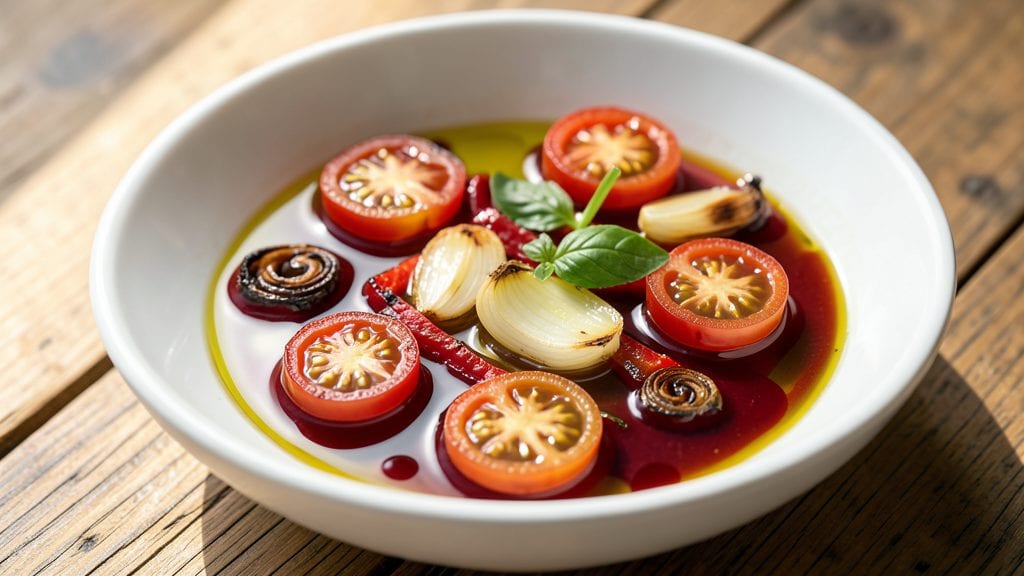
This tomato oil recipe transforms simple ingredients into a bold, aromatic base that elevates Italian cooking with every drop. The secret lies in infusing high-quality extra-virgin olive oil with fresh tomatoes, garlic, and herbs—creating a versatile sauce that works as a dressing, marinade, or finishing touch.
I developed this method after years of testing, and it delivers restaurant-quality depth without the complexity. The result is a rich, velvety oil packed with umami and freshness, perfect for drizzling over pasta, soups, or grilled vegetables.
What makes this recipe special is its flexibility—you can create cold-infused versions for raw applications or lightly sautéed versions for cooked dishes. The process is straightforward: blend tomatoes with aromatics, steep in oil, then strain for a smooth, flavorful base.
Unlike store-bought versions, this homemade oil captures peak seasonal flavors and stays fresh for weeks when stored properly. The key is using ripe tomatoes and fresh herbs to ensure maximum flavor infusion.
By the end, you’ll have a versatile, restaurant-worthy sauce that transforms ordinary meals into something extraordinary. This tomato oil isn’t just a condiment—it’s a flavor multiplier that turns simple dishes into gourmet experiences.
Whether you’re finishing a pasta dish, enhancing a salad, or marinating proteins, this recipe will become your go-to for adding depth and richness to any meal. Let’s get started on creating your own batch!
Once you’ve mastered the basics, experiment with variations like adding chili flakes for heat, citrus zest for brightness, or smoked paprika for a deeper profile. The possibilities are endless, and the results will impress even the most discerning food lovers.
Store your tomato oil in a cool, dark place to preserve its vibrant flavors—ready to elevate your cooking whenever inspiration strikes.
Ingredients for tomato oil
Nine ingredients. Two cups of bold, aromatic tomato oil. Restaurant-quality flavor at home.
| Ingredient | Amount | Notes |
|---|---|---|
| Extra-Virgin Olive Oil 🫒 | 2 cups | High-quality, fruity variety preferred |
| Fresh Roma Tomatoes 🍅 | 2 lb | Ripe, firm, and vibrant red |
| Garlic Cloves 🧄 | 8 cloves | Freshly peeled, lightly crushed |
| Fresh Basil Leaves 🌿 | ½ cup | Packed, stems removed |
| Red Bell Pepper 🌶️ | 1 whole | Seeded, roughly chopped |
| Shallots 🧅 | 2 whole | Peeled, thinly sliced |
| Red Chili Flakes 🔥 | 1 tbsp | Adjust for heat preference |
| Diamond Crystal Kosher Salt 🧂 | 1 ½ tsp | Fine grain preferred |
| Fresh Lemon Juice 🍋 | 1 tbsp | Freshly squeezed |
The olive oil is non-negotiable here—look for extra-virgin with a fruity, peppery finish like Colavita or California Olive Ranch. The tomatoes should be ripe but firm, bursting with juice—Roma tomatoes are ideal, but heirlooms work too if they're in season. Fresh basil and garlic are the flavor anchors, so don't skimp. I always grab organic basil from Whole Foods when it's summer, but the regular grocery store stuff works fine if it's fresh. For the red bell pepper, roasted adds depth, but raw works too if you're in a hurry.
No Roma tomatoes? Cherry tomatoes or vine-ripened will work—just adjust the quantity to maintain the same weight. Short on basil? Fresh parsley or thyme at half the amount keeps the herbaceous note. The shallots can be swapped for yellow onion, but they're milder and sweeter. Want more heat? Add a pinch of crushed red pepper or a dash of cayenne. The lemon juice brightens everything up, so if you're using bottled, add an extra tablespoon—it's less potent than fresh.
This oil keeps beautifully in a dark glass jar in the fridge for up to 3 weeks, or 6 months in the freezer if you want to make a big batch. I always label mine with the date and what I added—saves confusion later. The flavor actually improves after a few days as the ingredients meld together. Use it within 2 weeks for peak freshness, especially if you've added fresh herbs. Strain it through a fine-mesh sieve for the smoothest texture, but don't press the solids—you want that rich, infused flavor.
Why You'll Love This Recipe
- No-Chop Nightmare: I swear by this—just halve those Roma tomatoes and toss them in whole. The skin softens into sweetness, and you avoid the mess of seeds. My lazy summer evenings thank me every time.
- Garlic-Basil Bomb: That first bite of seared bell pepper with charred edges? Then the olive oil hits, carrying fresh basil and garlic like a flavor bomb. It’s the kind of taste that makes you pause mid-bite, even when you’re in a hurry.
- Weeknight to Party Upgrade: Same base, endless uses. Drizzle it over grilled chicken for dinner, or serve it chilled in bowls with crusty bread for guests. I’ve even used it as a marinade—once, twice, now it’s my go-to trick.
- Pantry Goldmine: A handful of tomatoes and a few cloves of garlic stretch into three meals. The oil keeps for weeks, and the leftovers? Even better the next day. Honestly, it’s my secret weapon for feeding a crowd without breaking the bank.
Step-by-step instructions for bold tomato oil base
Here's how to transform simple ingredients into a vibrant, flavor-packed tomato oil that elevates Italian dishes.
Blister the Garlic and Shallots
Heat the 2 cups extra-virgin olive oil in a heavy-bottomed saucepan over medium-low heat. Add the 2 whole shallots and 8 cloves garlic cloves, spreading them out evenly. Cook gently for 5-7 minutes, stirring occasionally, until the garlic becomes golden and fragrant—this is key for developing depth of flavor without burning.
Watch closely as the garlic transforms from pale to deep amber. If it starts to darken too quickly, reduce the heat immediately. The shallots should soften slightly but maintain their shape. Remove the pan from heat once you detect that rich, toasty aroma—this is your signal to proceed to the next step.
Char the Tomatoes and Bell Pepper
Increase the heat to medium-high and add the 2 lb fresh Roma tomatoes and 1 whole red bell pepper, cut into 1-inch chunks. Cook for 8-10 minutes, stirring occasionally, until the tomatoes begin to blister and darken at the edges. You'll see them collapse slightly and release their juices, creating a thick, vibrant purée.
This charring process is essential for developing the oil's complexity. The tomatoes should soften completely while the bell pepper becomes tender and slightly caramelized. If the mixture starts to stick, add 1-2 tablespoons of water to deglaze and keep everything moving. The goal is a thick, jam-like consistency that will emulsify beautifully with the oil.
Season and Simmer the Base
Reduce the heat to low and stir in the 1 tbsp red chili flakes, 1.5 tsp diamond crystal kosher salt, and 0.5 cup fresh basil leaves. Let the mixture simmer gently for 10-12 minutes, stirring occasionally, until the flavors meld together. You'll notice the oil begin to separate slightly from the tomato mixture—this is normal and actually desirable.
Taste the mixture at this stage. It should be vibrant, slightly sweet, and deeply savory with a hint of heat from the chili. If it needs more salt, adjust carefully—this will carry through to all your dishes. The basil should be completely incorporated, releasing its aromatic oils into the oil.
Finish with Lemon and Strain
Remove the pan from heat and stir in the 1 tbsp fresh lemon juice. This brightens the flavors and balances the richness of the oil. Let the mixture cool slightly for 5 minutes, then transfer everything to a food mill or fine-mesh strainer lined with cheesecloth. Press gently to extract all the tomato oil, discarding the solids.
You'll end up with approximately 1½ cups of rich, ruby-red tomato oil that's perfect for drizzling over pasta, bruschetta, or finishing soups. The texture should be silky with a velvety mouthfeel. Store any unused oil in an airtight container in the refrigerator for up to 2 weeks—it'll keep beautifully and develop even more complex flavors over time.
Pro Tips For Making Tomato Oil
- Cook Tomatoes Slow: I learned this the hard way—rush the simmer, and you’ll end up with a watery, sad sauce instead of rich, jammy tomato oil. Keep heat at a gentle bubble (3-4 minutes per batch) until tomatoes collapse and release their juices. Patience here makes all the difference.
- Blister Garlic First: Skip the mincing, and you’ll miss out on garlic’s depth. Heat olive oil until shimmering, toss in whole peeled cloves, and let them sizzle until fragrant and golden (about 1-2 minutes). Smash them in the pan—this releases flavor without burning.
- Salt the Oil: Yes, even before adding tomatoes. A pinch of flaky salt in the hot oil (while cooking garlic) enhances the basil’s brightness and balances the acidity later. Trust me, your sauce will taste more finished from the start.
- Roast the Bell Pepper: I was skeptical until I tried it—charred bell pepper adds smoky complexity that raw can’t match. Toss strips on a baking sheet at 400°F for 10-12 minutes until blistered. Cool, peel, and chop; it’ll transform your tomato oil from good to unexpectedly rich.
Best sauces and condiments for tomato oil
Classic Garlic-Herb Oil
This is my go-to variation—simple yet packed with flavor. Start with the base recipe, but add 1 tbsp fresh oregano and 1 tsp dried rosemary along with the basil. For extra depth, lightly toast the garlic and shallots until they turn golden brown before adding the tomatoes.
This version works perfectly as a marinade for grilled chicken or as a finishing oil for roasted vegetables. 🌿
Spicy Chili-Tomato Oil
For heat lovers, ramp up the chili flakes to 2 tbsp and add 1-2 fresh chili peppers (like jalapeño or serrano) to the tomato mixture. I also toss in ½ tsp smoked paprika for a smoky kick.
This oil is fantastic for drizzling over pizza, tacos, or spicy pasta dishes. Store it in a dark bottle to preserve the vibrant red color.
Citrus-Bright Tomato Oil
Add zest from 1 lemon and 1 orange along with the fresh lemon juice to the finished oil. The citrus notes cut through the richness beautifully, making this perfect for seafood dishes or summer salads.
I also like adding a pinch of black pepper to enhance the brightness. This version keeps well in the fridge for up to 3 weeks.
Roasted Garlic Variation
For a milder but sweeter flavor, replace the raw garlic with 4 cloves roasted garlic. Roast whole garlic cloves in the oven at 400°F for 20 minutes, then squeeze out the softened cloves before adding them to the oil.
This version has a deeper, caramelized sweetness that pairs wonderfully with roasted meats or mashed potatoes.
Herb-Infused Tomato Oil
Swap out the basil for a mix of ½ cup fresh parsley, ¼ cup fresh thyme, and ¼ cup fresh marjoram. This herb blend adds a fresh, slightly floral note that works beautifully with fish or light pasta dishes.
For extra aroma, add the herbs to the oil while it's still warm but not boiling—this helps release their essential oils.
Smoky Tomato Oil
Infuse the oil with smoky depth by adding 1 tbsp smoked sea salt and ½ tsp liquid smoke (like Elmer's) to the base recipe. This version is perfect for grilled dishes, smoked meats, or even as a dipping oil for fries.
The smoky flavor develops even more after a few days of resting, so make it ahead if possible. 🔥
Nutrition facts
Frequently asked questions
Can I make tomato oil without cooking the tomatoes?
Yes! For a raw, cold-infused version, simply blend ripe tomatoes with garlic, herbs, and a pinch of salt, then steep the mixture in oil for 2-3 days in a cool, dark place. This method preserves fresh, bright flavors but yields a milder result compared to cooked versions. Perfect for delicate dishes like seafood or salads where you want to avoid heat.
How long does homemade tomato oil last?
Store your tomato oil in a dark glass jar in the refrigerator for up to 3 weeks for peak freshness. For longer storage, freeze for 3-6 months—just thaw in the fridge before using. The flavor actually improves as ingredients meld, but check for any signs of spoilage (off smells or mold) before using.
What's the best way to use tomato oil in cooking?
Use it as a finishing oil for pasta, soups, or grilled vegetables just before serving to preserve freshness. It also works as a marinade for meats or a dipping oil for crusty bread. Avoid high-heat cooking—its delicate flavors are best enjoyed raw or lightly warmed.
Why does my tomato oil separate?
Separation is normal! The oil and tomato mixture naturally split during infusion. Before using, gently shake or whisk to recombine. If it won't blend, simply strain again through a fine-mesh sieve. The texture will return to silky once properly mixed.
Can I substitute canned tomatoes?
Not ideal—fresh tomatoes provide the best flavor and texture. However, in a pinch, use high-quality crushed tomatoes (no added salt/sugar) and reduce cooking time by 3-4 minutes to prevent over-saltiness. The result will be less vibrant but still flavorful.