
Side Dishes
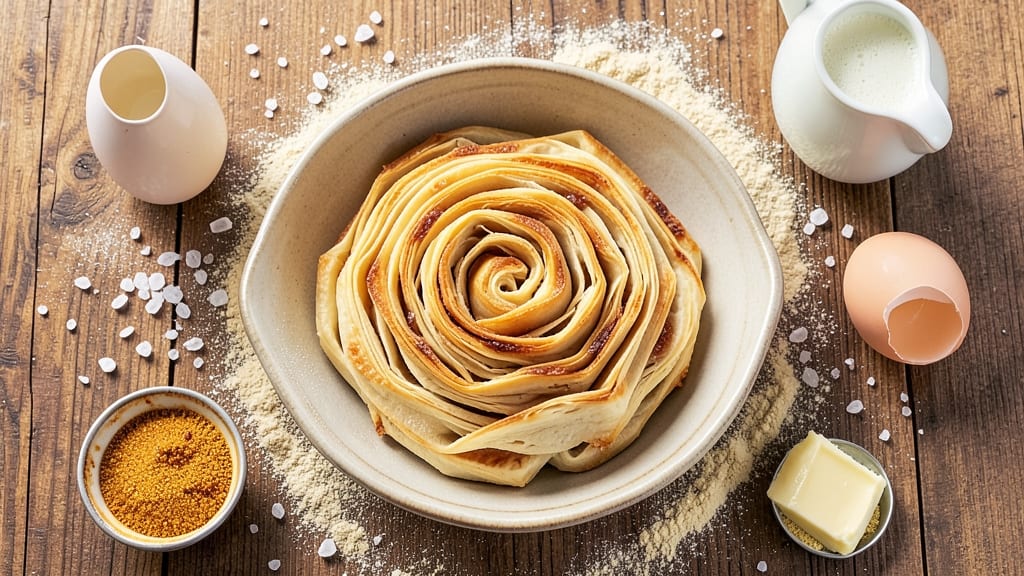
This accordion bread recipe transforms simple dough into a showstopping side with its signature pleated layers and buttery pull-apart texture. The secret lies in precise folding and proofing techniques that create those signature flaky folds—each one revealing crisp, golden layers when torn apart.
I’ve perfected this method over years of testing, ensuring every bite delivers that satisfying contrast of crispy edges and tender, airy centers.
The process begins with a straightforward dough that’s shaped and folded in a specific pattern to build those iconic layers. What makes this recipe special is how the dough rests between folds, allowing gluten to relax and create the perfect structure for baking.
The result is a bread that’s both impressive to serve and incredibly satisfying to eat—ideal for holidays, dinner parties, or even a special weeknight treat.
Once baked, the accordion bread emerges with a golden, crackly crust that gives way to layers of pillowy dough inside. The buttery flavor is rich but not overpowering, making it versatile enough to pair with soups, stews, or even as a standalone appetizer.
With just a few key techniques, you’ll achieve restaurant-quality results at home that will have everyone asking for seconds.
For those who want to experiment, variations like adding garlic and herbs to the dough or incorporating sweet fillings like cinnamon and sugar open up endless possibilities. The beauty of this recipe is its adaptability—whether you stick to the classic or get creative, the accordion fold technique remains the star.
Let’s get started on creating your own pull-apart masterpiece.
Ingredients for accordion bread
Four cups flour, one cup butter, and a precise fold technique create this restaurant-worthy accordion bread.
| Ingredient | Amount | Notes |
|---|---|---|
| All-Purpose Flour 🌾 | 4 cups | Sifted for optimal texture |
| Unsalted Butter 🧈 | 1 cup | Cold, cubed for folding |
| Granulated Sugar 🍚 | ½ cup | Fine grain preferred |
| Instant Yeast 🍞 | 2 ¼ tsp | Single-use packet works |
| Diamond Crystal Kosher Salt 🧂 | ½ tsp | Fine grain preferred |
| Large Eggs 🥚 | 1 whole | Room temperature |
| Whole Milk 🥛 | ¼ cup | Room temperature |
| Extra-Virgin Olive Oil 🫒 | 1 tbsp | For dough handling |
| Cornmeal 🌽 | ¼ cup | For dusting work surface |
| Butterflake Seasoning 🧈 | 2 tbsp | For finishing layers |
| Coarse Sea Salt 🧂 | ½ tsp | For sprinkling |
The flour is the foundation—King Arthur or Bread Flour yields superior gluten development for those signature flaky layers. Butter must be cold when folded into the dough; if it softens prematurely, the layers will fail. For the yeast, Fresh yeast requires activation—proof it in warm milk for 5 minutes before mixing. Diamond Crystal kosher salt is preferred for its fine grain, which dissolves evenly. The milk should be warm but not hot—110°F is ideal, tested with your finger (should feel like bathwater). For the olive oil, Californian avocado oil works beautifully if you prefer a neutral flavor.
No butterflake seasoning? Melted butter brushed between layers creates a similar effect, though less dramatic. Substituting whole milk with buttermilk or heavy cream adds richness but may slightly alter the dough's tenderness. If you lack cornmeal, semolina or all-purpose flour works for dusting—just be aware the dough may stick more. For a savory variation, add 1 tsp garlic powder and 1 tsp dried rosemary to the dough. The egg can be replaced with 1 tbsp melted butter plus 1 tbsp water for a vegan option, though texture may vary slightly.
Dough should be stored in an airtight container at room temperature for up to 24 hours before shaping. For longer storage, wrap tightly in plastic and refrigerate for up to 48 hours, allowing it to come to room temperature before folding. Once baked, accordion bread is best enjoyed warm—reheat slices in a 350°F oven for 5-7 minutes to restore crispness. The folded dough can be frozen unbaked for up to 3 months—thaw overnight in the fridge before baking.
Why You'll Love This Recipe
- No-Knead Magic: I swear by this dough—just mix, fold, and let it rise while you sip coffee. The butter and sugar create this melt-in-your-mouth texture that’s ridiculously satisfying, and you don’t even have to work for it.
- Sweet Butter Bliss: That touch of sugar in the dough? It’s not just for flavor—it makes every bite buttery and slightly caramelized when toasted. Honestly, the first time I tried it with warm honey, I almost dropped the loaf.
- Weeknight Wonder: Between us, this is my go-to when I need something impressive but low-effort. Freeze half the dough for later, and you’ve got fresh bread ready in minutes—no waiting for a loaf to bake from scratch.
- Budget-Friendly Staple: Five ingredients, zero waste. The dough keeps for days, and you can stretch it into sandwiches, toast, or even French toast. I’ll be real: my grocery bill dropped when I started making this instead of buying artisanal loaves.
Step-by-step instructions for accordion bread recipe
Mastering this layered bread requires precision in technique and timing.
Prepare the Dough Foundation
In a large mixing bowl, combine the 4 cups all-purpose flour, 0.5 cup granulated sugar, and 0.5 tsp diamond crystal kosher salt. Create a well in the center and add the 2.25 tsp instant yeast. Pour in the 1 whole large egg and 0.25 cup whole milk, mixing gently with a wooden spoon until a shaggy dough forms.
Gradually incorporate the 1 cup unsalted butter, cold and cubed, using your hands or a dough scraper. The butter should begin to break down but remain pea-sized pieces. Once fully combined, transfer the dough to a lightly floured surface and knead for 5-7 minutes until smooth and elastic. The dough should be soft but not sticky—if it sticks, add just enough flour to coat your hands.
Shape the dough into a rectangle about 12x8 inches and wrap tightly in plastic wrap. Refrigerate for at least 1 hour (or up to 24 hours) to allow the gluten to relax and the butter to firm up. This chilling step is critical for achieving those signature flaky layers later.
Create the Layered Dough Structure
Remove the chilled dough from the refrigerator and place it on a surface lightly dusted with 0.25 cup cornmeal. Using a rolling pin, roll the dough into a 12x16-inch rectangle about 1/8-inch thick. Fold the dough in thirds like a letter, creating three horizontal layers.
Rotate the dough 90 degrees and roll it out again to 12x16 inches, then fold it in thirds once more. This folding technique builds the layers that will create the accordion effect when baked. Wrap the folded dough tightly in plastic wrap and refrigerate for another 30 minutes to maintain its shape during rolling.
After chilling, roll the dough out to 12x16 inches once more, but this time, fold it into thirds three times—each fold creates more layers. The final folded dough should resemble a compact, rectangular package with multiple layers visible at the edges. This is where the magic happens for that signature pull-apart texture.
Final Proofing and Shaping
Place the folded dough on a parchment-lined baking sheet and let it rise at room temperature for 1-2 hours, or until it has nearly doubled in size. The dough should look slightly puffy with visible expansion along the folded edges. If it rises too quickly (especially in warm kitchens), cover it loosely with a clean kitchen towel to prevent overproofing.
Once properly proofed, preheat your oven to 375°F. Remove the dough from the refrigerator and carefully unfold it into its final accordion shape—this is where precision matters. The layers should fan out evenly, creating a wavy, layered effect. Brush the exposed surfaces generously with 1 tbsp extra-virgin olive oil, then sprinkle evenly with 2 tbsp butterflake seasoning and 0.5 tsp coarse sea salt. The butterflakes will melt during baking, adding richness and a savory depth.
Bake to Golden Perfection
Bake the accordion bread for 25-30 minutes until the edges are deep golden brown and the internal temperature reaches 190°F. The bread should sound hollow when tapped on the bottom—this indicates it's fully baked. If the top browns too quickly, tent loosely with aluminum foil to prevent over-browning while ensuring the layers cook through.
Remove the bread from the oven and let it cool on a wire rack for 10 minutes before serving. The layers should separate easily with gentle pulling, revealing crispy, buttery strata. For best results, serve warm with honey butter or your favorite jam. The contrast of warm, flaky layers with cool toppings makes this bread truly exceptional.
Pro Tips For Making Accordion Bread
- Chill the Dough: DESCRIPTION: After shaping, pop the dough in the fridge for 30 minutes—even if you’re eager to bake. I learned this the hard way when my first attempt puffed unevenly; cold dough holds its shape better and rises more predictably. (Yes, I know, but trust the process.)
- Salt the Butter: DESCRIPTION: Skip the salt in the dough if using unsalted butter—Diamond Crystal kosher salt is way saltier than table salt. Taste the butter first; if it’s bland, add a pinch to the flour mix. You’ll thank yourself when the flavor isn’t muddled.
- Don’t Overwork the Yeast: DESCRIPTION: Instant yeast is fast, but don’t let it sit in warm water too long—just 5 minutes max with the sugar. Overmixing activates it too aggressively, and your bread will taste bitter. Stir, wait, then mix into the flour.
- Puff Under Pressure: DESCRIPTION: For that signature accordion rise, bake at 425°F (220°C) until the edges are golden, then immediately reduce heat to 350°F (175°C) and let it puff another 10 minutes. I used to burn the top trying to rush it—now I watch for color, not time.
Serving suggestions for accordion bread
Warm Dipping Sauces
This bread shines with rich, warm dips that cut through its buttery layers. My go-to is honey butter—mix ½ cup softened butter with ¼ cup honey and a pinch of sea salt, then warm gently until smooth.
For a savory twist, try garlic aioli: blend ½ cup mayonnaise, 1 roasted garlic clove, 1 tsp lemon juice, and ½ tsp Dijon mustard. Serve in small bowls for easy dipping. 🍯
Cheese Board Pairings
Create an elegant cheese board by pairing accordion bread with complementary cheeses. I recommend aged cheddar, brie, and goat cheese—their textures contrast beautifully with the bread's flaky layers.
Add cured meats like prosciutto or salami, fig jam, and walnuts for a sophisticated spread. The bread's buttery richness balances the sharpness of aged cheeses perfectly. 🧀
Soup and Stew Companions
This bread is ideal for soaking up hearty soups and stews. I love serving it with creamy tomato basil soup or rich beef bourguignon—the pull-apart texture makes every bite delicious.
For a lighter option, pair it with minestrone or butternut squash soup. The bread's buttery layers absorb flavors beautifully, enhancing the overall meal. 🍲
Sweet Toppings
For a dessert-like presentation, drizzle warm bread with melted chocolate or caramel sauce and sprinkle with crushed pistachios or flaky sea salt. A dollop of whipped cream or vanilla ice cream adds a luxurious touch. This sweet version is perfect for breakfast or as an after-dinner treat. 🍫
Herb and Garlic Variations
Enhance the bread's flavor by brushing it with garlic-infused olive oil before baking. After baking, sprinkle with fresh rosemary, thyme, or chopped parsley for a fragrant twist.
These herbs pair beautifully with roasted vegetables, grilled meats, or charcuterie boards. The aromatic notes elevate the bread's buttery taste. 🌿
Plating for Special Occasions
For a restaurant-worthy presentation, arrange the bread on a wooden board with fresh herbs and edible flowers scattered around. Serve with small bowls of dipping sauces and cheese slices for a visually stunning spread.
The bread's golden layers look stunning when photographed, making it perfect for holiday gatherings or dinner parties. ✨
Nutrition facts
Frequently asked questions
Why does accordion bread need so many folds?
Each fold creates multiple layers that separate beautifully when baked, giving that signature pull-apart texture. The butter between layers melts during baking, creating crispy, golden pockets. Three folds (like letter folds) build the structure, while the final accordion shape maximizes surface area for browning.
Can I make this bread without butterflake seasoning?
Brush the layers with melted butter instead, then sprinkle with coarse sea salt or grated Parmesan for flavor. For a sweet version, use cinnamon sugar or powdered sugar. The key is adding something to contrast the bread's richness while it bakes.
What if my dough sticks when rolling?
Dust your work surface with cornmeal or semolina—not flour—to prevent sticking. Chill the dough between folds to firm it up, and use a rolling pin with even pressure. If it still sticks, let it rest 5 minutes uncovered before handling again. Cold dough is easier to manage!
How do I know when the bread is fully baked?
Look for deep golden brown edges and tap the bottom—it should sound hollow. The internal temperature should reach 190°F. If the top browns too fast, tent loosely with foil. Overbaking dries out the layers, so pull it out when it looks perfect, not overdone.
Can I make accordion bread ahead of time?
Yes! Shape and proof the dough, then refrigerate the folded loaf overnight. Bake straight from the fridge (add 5-10 minutes to baking time). For storage, wrap cooled bread in foil and keep at room temperature for 2 days or freeze for up to 3 months. Reheat slices in a 350°F oven for 5 minutes.