Side Dishes
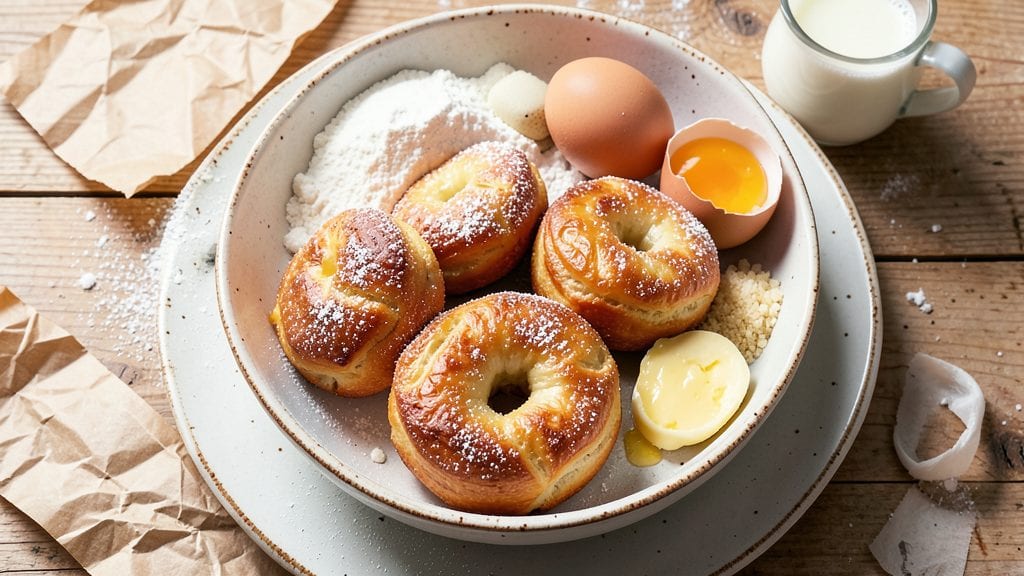
Creating baked paczki transforms a traditional Polish treat into a lighter yet equally indulgent version you can enjoy year-round. These pillowy donut bites skip the frying pan while keeping all the rich, sweet flavors that make paczki legendary.
The secret lies in a perfectly balanced dough that rises just enough to create tender layers, paired with a filling that stays gooey in the center.
This recipe delivers restaurant-quality results without the heavy frying—just a simple dough made with flour, yeast, and a touch of sugar, shaped into rings and baked to golden perfection. The filling options are endless, but classic choices like sweetened farmer's cheese or raspberry jam create that signature paczki experience.
What sets this version apart is how crisp the exterior becomes while maintaining a soft, almost cake-like interior.
Baking paczki makes them a crowd-pleasing option for celebrations, brunch gatherings, or even a special dessert. The dough requires patience—allowing it to rise twice ensures that light, airy texture—but the process is straightforward once you get the hang of shaping.
Topped with powdered sugar or a drizzle of glaze, these bites become the star of any table, proving that baked treats can be just as satisfying as their fried counterparts.
For a professional finish, dust with powdered sugar immediately after baking while the paczki are still warm. Serve alongside coffee or tea for an authentic Polish-inspired treat that feels both nostalgic and fresh.
The key to success is precise timing—don’t overbake, or you’ll lose that signature softness. This recipe delivers the perfect balance of tradition and convenience, making it a must-try for any baking enthusiast.
Ingredients for baked paczki
Pantry staples meet Polish tradition in these baked paczki—no frying, all flavor.
| Ingredient | Amount | Notes |
|---|---|---|
| All-Purpose Flour 🌾 | 4 cups | Sifted for light texture |
| Active Dry Yeast 🍞 | 2 ¼ tsp | Ensure it's fresh (test in warm water) |
| Granulated Sugar 🍚 | ½ cup | For dough and filling |
| Unsalted Butter 🧈 | ½ cup | Cold, cubed for dough |
| Large Eggs 🥚 | 2 whole | Room temperature for even mixing |
| Whole Milk 🥛 | ½ cup | Warmed to 100°F |
| Salt 🧂 | ½ tsp | Diamond Crystal preferred |
| Sweetened Farmer's Cheese 🧀 | 1 lb | Or ricotta for filling |
| Raspberry Jam 🍓 | ½ cup | Seedless preferred |
| Powdered Sugar 🍚 | 1 cup | For dusting |
| Vanilla Extract 🍯 | 1 tsp | Pure extract for flavor |
| Ground Cinnamon 🌿 | ½ tsp | Optional for filling |
| Heavy Cream 🥛 | ¼ cup | For glaze (optional) |
The yeast is the MVP here—Bob’s Red Mill or Saf-Instant work best. Check the expiration date on the package, because old yeast won’t activate. For the flour, King Arthur or Gold Medal brands give the best rise. The butter should be cold but not rock-hard—cut it into small cubes so it melts evenly into the dough. If your milk isn’t warm, pop it in the microwave for 20 seconds. The farmer’s cheese? Polish markets carry the best, but any sweetened ricotta will do in a pinch—just make sure it’s thick enough to hold its shape.
No raspberry jam? Strawberry or apricot preserves work just as well. The filling can be swapped for Nutella or even a custard made with condensed milk and vanilla. For a savory twist, try herbed cream cheese instead of sweetened farmer’s cheese. The dough needs patience—don’t rush the first rise, or your paczki will be dense. If you’re short on time, you can use bread flour for a slightly chewier texture, but all-purpose gives that classic pillowy feel. The powdered sugar should be sifted before dusting—clumps ruin the presentation.
These keep for 3 days in an airtight container at room temperature, but they’re best eaten fresh. For longer storage, freeze the unbaked rings on a tray first, then transfer to a bag. Thaw overnight in the fridge before baking. The dough can be prepped ahead, but let it rise at room temperature before shaping. If you’re making a big batch, double the recipe—Costco sells flour in bulk, so stock up. The glaze, if using, sets quickly, so have your piping bag ready.
Why You'll Love This Recipe
- No Yeast Nightmare: I’ve made doughs that require patience—this one doesn’t. Just mix the flour, yeast, sugar, and a touch of warm water, then let it rise while you sip coffee. No kneading, no fuss, just hands-off magic.
- Buttery Golden Crunch: That crispy shell? All thanks to the butter and sugar baked until caramelized. It’s the kind of texture you’ll want to bite into again and again—no guilt, just pure satisfaction.
- Breakfast or Dessert: Serve them warm with jam for a weekend treat or pack a few for school lunches. The dough’s neutral base lets you fill them with anything—sweet, savory, or even a little spicy.
- Budget-Friendly Batch: A single batch uses pantry staples you already own. Make a double batch, freeze extras, and thank me later when you’re pulling out perfectly risen paczki on a lazy Sunday.
Step-by-step instructions for Polish donut bites with pillowy dough
Here's how to create tender, fluffy paczki with a perfect balance of sweet and rich filling—no frying required.
Activate the Yeast and Prepare the Dough
In a small bowl, combine the 0.5 cup warmed whole milk with 2.25 tsp active dry yeast and 1 tsp granulated sugar. Let this sit for 5-7 minutes until it becomes frothy—this confirms your yeast is alive and ready to work. If it doesn't bubble, your yeast may be stale, and you'll need to start over.
In a large mixing bowl, whisk together the 4 cups sifted all-purpose flour, 0.5 cup granulated sugar, and 0.5 tsp salt. Cut in the 0.5 cup cold unsalted butter using a pastry cutter or your fingers until the mixture resembles coarse crumbs. This ensures even distribution of fat, which creates that signature tender crumb.
Combine Wet Ingredients and Knead
Make a well in the center of your dry ingredients and pour in the yeast mixture along with the 2 whole large eggs. Using a wooden spoon or dough whisk, gradually incorporate the wet ingredients until a shaggy dough forms. The moment everything comes together, switch to kneading by hand or with a stand mixer fitted with a dough hook.
Knead for 8-10 minutes on medium speed (or by hand) until the dough is smooth, elastic, and no longer sticky. You'll know it's ready when it springs back slowly when poked. If the dough feels too dry, add 1 tsp whole milk at a time until it reaches the perfect consistency. Cover the bowl with a damp towel and let it rise in a warm place for 1-1.5 hours, or until it doubles in size.
Prepare the Filling and Shape the Paczki
In a medium bowl, combine the 1 lb sweetened farmer's cheese, 0.5 cup raspberry jam, 1 tsp vanilla extract, and 0.5 tsp ground cinnamon. Mix until fully incorporated—this should yield a thick, spreadable filling. If it's too stiff, add 1 tbsp whole milk to loosen it. Cover and set aside.
Once your dough has risen, punch it down to deflate and divide it into 12 equal pieces (about 2 oz each). Roll each piece into a ball, then flatten slightly before wrapping 1 tsp of the filling inside. Seal the edges gently to contain the filling, then roll each paczki into a smooth ball. Place them on a parchment-lined baking sheet, cover with a towel, and let them rise for 30 minutes—this ensures they'll puff beautifully in the oven.
Bake to Golden Perfection
Preheat your oven to 375°F and line a second baking sheet with parchment paper. Arrange the paczki in a single layer, leaving 1 inch between each for even baking. Bake for 18-22 minutes, rotating the sheet halfway through, until they're golden brown and the filling is bubbling slightly at the edges. The internal temperature should reach 190°F when tested with an instant-read thermometer.
Remove from the oven and let them cool on the baking sheet for 5 minutes before transferring to a wire rack. While still warm, dust generously with 1 cup powdered sugar and, if using, drizzle with a mixture of 0.25 cup heavy cream and 1 tbsp powdered sugar for a glossy finish. Serve warm for the ultimate texture contrast—soft, pillowy dough with a gooey, sweet center.
Pro Tips For Making Baked Paczki
- Proof at Room Temp: Skip the fridge—let your yeast mixture sit in a warm (not hot) spot (like the oven with the light on) for 5-7 minutes until it bubbles like a tiny champagne party. Cold dough fights you; warm dough rises properly, and those paczki won’t turn out dense or flat.
- Butter First, Then Sugar: Cream your butter and sugar until it’s light and fluffy—about 3-5 minutes with a mixer. I used to rush this, and the dough ended up greasy instead of tender. Take the extra minute; your filling will thank you later.
- Don’t Overfill: Stuff those paczki with jam or filling, but leave room—about 2 tablespoons’ worth—so they don’t burst open in the oven. I learned this the hard way when my kitchen looked like a crime scene of sticky dough explosions.
- Bake in Batches: Crowd the pan, and your paczki will steam instead of brown. Space them 1 inch apart on the tray, and if you’re short on time, bake two trays at once on the middle rack. Yes, it’s more work, but crispy skin isn’t optional here.
Troubleshooting perfect results
Dense Dough Issues
If your paczki dough turns out dense instead of light and airy, the yeast might be inactive or the kneading was insufficient. Always test your yeast by mixing it with warm milk and sugar—it should bubble within 5-7 minutes.
If not, replace it with fresh Bob’s Red Mill or Saf-Instant yeast. Over-kneading can also tighten the gluten, so stop when the dough springs back slowly when poked. For extra fluffiness, let the dough rise in a warm spot—I place mine near the oven with the light on. 🌡️
Filling Leaks
Filling escaping during baking ruins the presentation and makes a mess. To prevent leaks, seal the dough tightly around the filling by pinching the edges gently but firmly. If the filling is too runny, chill it for 15 minutes before using.
For extra security, roll the paczki slightly longer to create a thicker barrier. I’ve found that sweetened farmer’s cheese holds its shape better than ricotta, but if using ricotta, add 1 tbsp cornstarch to thicken it. 🧀
Uneven Baking
Paczki baking unevenly often means the oven isn’t hot enough or the dough pieces aren’t uniform. Preheat your oven to 375°F for at least 20 minutes before baking. Use a kitchen scale to divide the dough into 12 equal 2-oz pieces—this ensures even cooking.
Rotate the baking sheet halfway through baking for consistent browning. If the bottoms brown too quickly, place a second baking sheet on the lower rack to reflect heat upward. ⚡
Paczki Collapse
Collapsed paczki usually mean the dough didn’t rise enough or was overworked. Ensure your dough rises in a warm environment—I use a proofing box set to 80°F. If your kitchen is cold, place the dough bowl near a warm oven or under a heat lamp.
Avoid punching down the dough too aggressively before shaping, as this can deflate it prematurely. Let the shaped paczki rise for 30 minutes before baking to ensure they puff up properly. 💫
Dry Texture
If your baked paczki taste dry, the dough may have been overmixed or the butter wasn’t cold enough. Cut the butter into small cubes and work quickly when incorporating it into the flour—this prevents the fat from melting too soon.
For extra moisture, brush the tops with whole milk before baking. If the dough feels dry during kneading, add 1 tsp milk at a time until it’s just slightly tacky. 🥛
Filling Too Dry
A dry filling can happen if the jam or cheese is too thick or if the paczki bake too long. For a gooey center, reduce the oven temperature to 350°F and bake for 18-20 minutes instead of 22 minutes.
If your filling is stiff, mix in 1 tbsp heavy cream to loosen it. For extra richness, add 1 tsp lemon zest to the filling—it brightens the flavors and keeps the texture tender. 🍋
Nutrition facts
Frequently asked questions
Can I make baked paczki without yeast?
Traditional paczki rely on yeast for that signature light, airy texture, but you can try a quick bread version using baking powder. Replace the yeast with 2 tsp baking powder and 1 tsp baking soda, and reduce the kneading time to 3-4 minutes—just don’t expect the same rise or fluffiness. For best results, stick with yeast for authentic flavor and texture.
How do I store leftover baked paczki?
Keep them fresh in an airtight container at room temperature for up to 3 days. For longer storage, freeze unbaked paczki on a tray first, then transfer to a bag. Thaw overnight in the fridge before baking. Reheat briefly in a 350°F oven for 5-7 minutes to restore warmth and crispness.
What’s the best way to shape paczki for even baking?
Roll each dough ball into a smooth, slightly elongated oval before wrapping the filling. This creates a thicker base that bakes more evenly. After sealing, roll the paczki into a round shape again—this prevents them from flattening during baking. Use a kitchen scale for 2-oz portions to ensure uniformity.
Can I substitute the filling with something other than farmer’s cheese and jam?
Try Nutella, custard (mix ½ cup condensed milk + 1 tsp vanilla), or even spiced cream cheese (add ½ tsp cinnamon + 1 tbsp honey). For a fruity twist, use chopped dried apricots mixed with 1 tbsp orange zest. Just ensure your filling is thick enough to stay contained.
Why did my paczki turn out flat instead of puffy?
Flat paczki usually mean the dough didn’t rise enough. Double-check your yeast (it should bubble within 5-7 minutes in warm milk). Let the dough rise in a warm spot—place the bowl near the oven with the light on if your kitchen is cool. Also, avoid over-punching the dough before shaping, as this can deflate it. Let shaped paczki rise for 30 minutes before baking.