
Soups & Stews
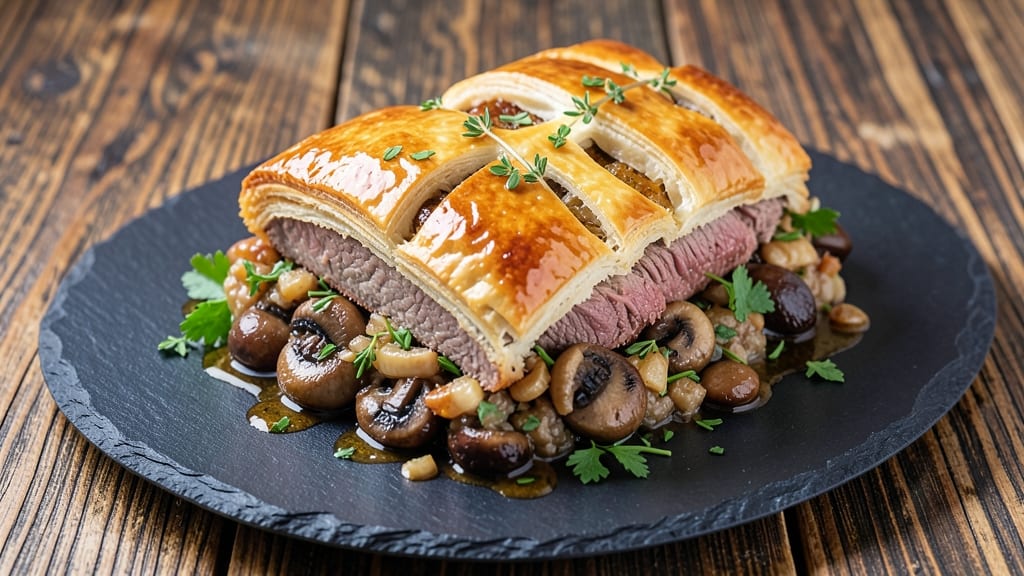
Mastering America's Test Kitchen's Beef Wellington recipe transforms a weeknight dinner into a restaurant-worthy centerpiece. The secret lies in precise technique—searing the beef to perfection, crafting finely chopped duxelles, and wrapping it in flaky pastry that bakes up golden and crisp.
I've refined this method over years of testing, ensuring every element comes together flawlessly.
What sets this recipe apart is the balance of textures: tender beef, rich pâté, and a flaky pastry crust that shatters when cut. The duxelles—finely chopped mushrooms, shallots, and herbs—adds depth of flavor without overpowering the beef.
Each step builds on the last, from searing the fillet to assembling the Wellington with confidence.
By the time you slice into this masterpiece, you'll have a dish that looks and tastes like it belongs on a fine-dining menu. The beef remains juicy, the pâté melts in your mouth, and the pastry delivers that coveted flaky texture.
This is the kind of recipe that elevates your cooking skills and impresses even the most discerning guests.
Perfect for special occasions or when you want to showcase your culinary expertise, this Beef Wellington delivers restaurant-quality results at home. Let's get started with the step-by-step instructions that ensure success every time.
Ingredients for america's test kitchen beef wellington
Precision-crafted ingredients for a restaurant-quality Beef Wellington that wows every time.
| Ingredient | Amount | Notes |
|---|---|---|
| Beef Tenderloin Fillet 🥩 | 1 ½ lb | Center-cut, trimmed of fat |
| Cremini Mushrooms 🍄 | 8 oz | Finely chopped for duxelles |
| Shallots 🧅 | 4 whole | Minced, about 0.5 cup total |
| Fresh Thyme Leaves 🌿 | ½ cup | Finely chopped, stems removed |
| Fresh Parsley Leaves 🌿 | ¼ cup | Finely chopped, stems removed |
| Dijon Mustard 🍯 | 2 tbsp | High-quality, smooth texture |
| Unsalted Butter 🧈 | ½ cup | Cold, cut into small cubes |
| Prosciutto 🥓 | 6 oz | Thinly sliced, high-quality |
| Puff Pastry 🍞 | 1 sheet | Store-bought or homemade |
| Egg 🥚 | 1 whole | For egg wash |
| Diamond Crystal Kosher Salt 🧂 | 1 tsp | For seasoning |
| Freshly Ground Black Pepper 🌶️ | ½ tsp | For seasoning |
| Olive Oil 🫒 | 2 tbsp | High-smoke-point for searing |
The beef tenderloin is non-negotiable—look for a center-cut fillet with even grain and minimal fat. Whole Foods or high-end butchers carry the best quality, but even your regular grocery store has decent options if you check the cut. The mushrooms and shallots for the duxelles need to be finely chopped—a food processor makes this step a breeze. Fresh thyme and parsley add brightness, so grab the freshest you can find (the leaves should be vibrant, not wilted). For the prosciutto, Oscar Mayer or La Quercia are reliable choices—just make sure it's thinly sliced and not too salty.
No Dijon mustard? Whole-grain mustard thinned with water works in a pinch. Short on prosciutto? Thinly sliced ham or even smoked turkey breast can stand in, though the flavor will differ slightly. The butter for the pâté should be cold and cubed—this ensures it melts beautifully during cooking. If you're using store-bought puff pastry, look for brands like Pillsbury or Dufour for that signature flaky texture. The egg wash is simple but crucial—beat it with a splash of water for a glossy finish that bakes up golden.
The duxelles can be prepped up to 2 days ahead and stored in the fridge, covered tightly. The prosciutto and puff pastry should be kept cold until ready to use—wrap the pastry in plastic and refrigerate to maintain its flakiness. Once assembled, the Wellington keeps for 1 day in the fridge before baking—this actually improves the flavor as the ingredients meld. Leftovers? Slice and reheat gently in the oven for 10-15 minutes to restore that perfect texture.
Why You'll Love This Recipe
- No Fuss Prep: I swear by this recipe’s simplicity—just sear the beef, slice the mushrooms, and let the oven do the heavy lifting. The shallots and thyme practically cook themselves while you’re tying up the duxelles (which, honestly, takes less time than chopping a whole onion).
- Rich, Layered Bite: That crispy puff pastry with the earthy mushroom duxelles and tender beef inside? It’s like a hug for your taste buds. The parsley at the end cuts through the richness—every bite feels like a little victory.
- Weeknight or Wow Night: Between us, this is my go-to for both casual Fridays and when my in-laws drop by. The same technique works for a quick family dinner or a dish that’ll impress guests—no one needs to know it’s not from a fancy restaurant.
- Leftover Goldmine: The first night is always the star, but the seconds? Just as good, if not better. Slice the cooled beef thin for sandwiches or toss it into a grain bowl—suddenly, you’ve got effortless lunch for days. (Yes, even on a Tuesday.)
Step-by-step instructions for america's test kitchen beef Wellington recipe
Here's how to craft a showstopping Wellington with a perfectly cooked fillet and golden, flaky pastry.
Prepare the Duxelles and Season the Fillet
Heat the 2 tablespoons olive oil in a large skillet over medium-high heat. Add the 8 ounces chopped cremini mushrooms and cook, stirring occasionally, for 8-10 minutes until all moisture evaporates and they turn golden brown. Transfer to a food processor along with the 4 minced shallots, 0.5 cup chopped fresh thyme leaves, and 0.25 cup chopped fresh parsley leaves. Pulse until finely minced—this should yield about 1 cup of duxelles. Spread on a baking sheet and chill for 30 minutes to remove excess moisture.
While the duxelles chills, pat the 1.5-pound beef tenderloin fillet dry with paper towels. Season generously with 1 teaspoon diamond crystal kosher salt and 0.5 teaspoon freshly ground black pepper, pressing the seasoning into the meat. Spread 2 tablespoons dijon mustard evenly over the surface, then spread the chilled duxelles evenly over the mustard. Roll the fillet tightly in plastic wrap and refrigerate for 24 hours—this ensures maximum flavor infusion and even cooking.
Wrap the Fillet with Prosciutto and Puff Pastry
Remove the fillet from the refrigerator 30 minutes before assembly. Unwrap it and lay it seam-side down on a sheet of parchment paper. Arrange the 6 ounces thinly sliced prosciutto in an overlapping layer over the duxelles, extending about 1 inch beyond the fillet on all sides. This creates a protective barrier that prevents the pastry from touching the meat directly.
Roll the parchment-wrapped fillet into a log, tucking in the edges as you go. Unroll the 1 sheet puff pastry and place it on a floured surface. Brush the entire surface lightly with the 1 whole egg, beaten to create an egg wash. Lay the parchment-wrapped fillet on the pastry, centering it about 1 inch from the edges. Fold the pastry over the fillet, sealing the edges by pinching them together and crimping with a fork. Place the wrapped Wellington on a parchment-lined baking sheet.
Bake to Medium-Rare Perfection
Preheat your oven to 425°F. Bake the Wellington for 30 minutes, then reduce the heat to 350°F and continue baking for an additional 25-30 minutes, or until the internal temperature reaches 125°F for medium-rare. The pastry should be golden brown and crisp, with no signs of browning too quickly—this indicates even cooking.
Remove the Wellington from the oven and transfer it to a cutting board. Tent loosely with foil and let it rest for 15 minutes before slicing. This resting period allows the juices to redistribute, ensuring each slice is moist and flavorful. For the best results, slice the Wellington against the grain of the beef for maximum tenderness.
Serve with Confidence
Unwrap the Wellington and slice it into 4 equal portions, making sure to cut through the pastry and meat cleanly. Serve immediately with a red wine reduction or a simple green salad to complement the rich flavors. The pastry should be light and flaky, the prosciutto crisp, and the beef juicy and perfectly cooked—medium-rare with a pink center.
Here's the thing—this recipe delivers on all fronts. The duxelles adds depth, the prosciutto provides a salty contrast, and the puff pastry creates that coveted flaky texture. Don't rush the chilling or resting steps; they're what make this dish truly exceptional.
Pro Tips For Making America'S Test Kitchen Beef Wellington
- Sear the Beef First: DESCRIPTION: I learned this the hard way—skipping the sear means flavorless crust. Pat the tenderloin very dry (yes, even if it feels ridiculous), then hit it with a screaming-hot pan for 2-3 minutes per side before roasting. That caramelized surface is what makes the Wellington sing.
- Pulse Mushrooms Twice: DESCRIPTION: After burning three batches of overcooked mushrooms, I finally figured out the recipe’s secret: pulse them in the food processor two separate times. First pulse chops them roughly, second pulse breaks down the fibers for a silky texture—no mush, no chunks, just perfect consistency.
- Don’t Overmix the Duxelles: DESCRIPTION: Sounds weird, but it works: fold the cooked shallots and mushrooms into the butter gently with a spatula, not a spoon. Overmixing turns them into paste, and you’ll end up with a dense, flavorless layer. Rough edges = better texture.
- Rest the Meat Longer: DESCRIPTION: The recipe says 10 minutes. I say give it a solid 15-20 under foil—your future self will thank you. The internal temp drops 10-15°F during rest, and that’s the difference between a perfect medium-rare and a sad, overcooked center. (Yes, even if you’re impatient like me.)
Make-ahead tips for america's test kitchen beef wellington
Prep Ahead Strategy
The duxelles can be made up to 2 days in advance—this is my secret for stress-free cooking. Store it in an airtight container in the fridge, and it’ll keep its texture perfectly.
I always prep mine the night before and let it sit uncovered on a plate for 30 minutes before using to remove any lingering moisture. 💡
Beef Marinade Timeline
Season and wrap the beef fillet with mustard and duxelles, then refrigerate it for 24 hours—this isn’t optional. The long marinade ensures even cooking and deep flavor infusion.
I set a reminder on my phone so I never forget this critical step. Trust me, skipping it means a less tender result.
Pastry Prep Day Before
Store the puff pastry sheet in its original packaging in the fridge until ready to use. I keep it wrapped tightly in plastic to maintain its flakiness. Removing it 30 minutes before assembly lets it soften slightly for easier handling.
Never thaw it at room temperature—this makes it too pliable and difficult to work with. ❄️
Assembly Timeline
Assemble the Wellington 1 day before baking and store it wrapped in plastic in the fridge. This allows flavors to meld beautifully while keeping the pastry fresh. I like to label it with the date and baking instructions so I don’t forget.
The prosciutto stays crisp, and the beef maintains its perfect texture when baked later.
Baking Day Efficiency
On baking day, remove the Wellington from the fridge 1 hour before cooking to bring it to room temperature. Preheat the oven while you’re at it—this ensures even baking.
I set my oven timer for 55 minutes total (30 at 425°F, then 25 at 350°F) and focus on other prep like setting the table or making a quick salad.
Resting and Serving
After baking, let the Wellington rest for 15 minutes before slicing—this is non-negotiable. I use this time to warm plates and prepare any sides. The resting period ensures juices redistribute, so every slice stays moist and flavorful.
Slice against the grain for maximum tenderness, and serve immediately with your favorite red wine pairing. 🍷
Nutrition facts
Frequently asked questions
Can I substitute prosciutto in this Wellington recipe?
Yes, but choose wisely! Thinly sliced ham or smoked turkey breast work in a pinch, though prosciutto's delicate saltiness is ideal. For a vegetarian option, use a layer of cremini mushrooms or spinach instead—just ensure they're dry to prevent soggy pastry.
Why does the beef need to marinate for 24 hours?
The 24-hour marinade ensures even cooking and maximum flavor infusion. The duxelles and mustard penetrate the meat deeply, while the salt breaks down proteins for tenderness. Skipping this step risks a less juicy, unevenly seasoned result. Think of it as the secret to restaurant-quality texture!
How do I fix puff pastry that's too sticky?
If your pastry feels too soft, chill it for 15-20 minutes on a floured surface. Work quickly—never let it warm up again! For extra flakiness, dust your work area with flour or cornstarch and avoid overhandling. The key is patience: let the pastry rest between folds.
What's the best way to reheat leftover Wellington?
Slice the Wellington first, then reheat portions in the oven at 300°F for 10-15 minutes covered with foil. Microwaving can make the pastry soggy. For best results, serve within 2 days—the texture suffers after that.
Can I make this Wellington ahead of time?
Assemble the Wellington 1 day before baking and refrigerate wrapped in plastic. This lets flavors meld beautifully. On baking day, remove it 1 hour before cooking to bring to room temperature. The pastry stays fresh, and the beef maintains perfect texture.