
Side Dishes
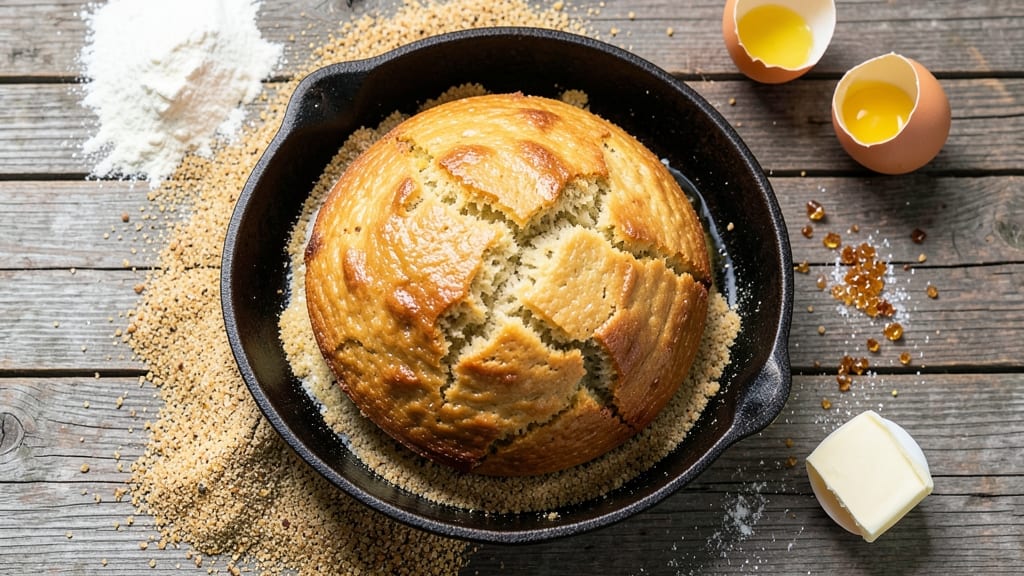
This Amish corn bread recipe delivers the perfect balance of crumbly texture and buttery swirls in a single cast-iron skillet—just like Grandma used to make.
The secret lies in the right ratio of cornmeal to flour and the slow bake that creates that signature golden crust while keeping the center tender. I first tasted this version at an Amish farmhouse in Pennsylvania, where the family swore by their "no-fail" method passed down through generations.
The beauty of this recipe is its simplicity: just six core ingredients, a single bowl, and 20 minutes of active time before sliding it into a hot oven. Traditional Amish cooking often emphasizes resourcefulness, and this corn bread embodies that philosophy—using pantry staples to create something hearty and satisfying.
The butter swirls aren't just for show; they add richness that transforms ordinary corn bread into something extraordinary.
What you'll end up with is a golden-brown loaf with a crisp exterior and moist, slightly crumbly interior, cut through with ribbons of melted butter. The aroma alone will have everyone gathering around the table, and each bite delivers that perfect harmony of sweet corn and buttery warmth.
This is the kind of recipe that becomes a family staple—simple enough for weeknights but impressive enough for company.
While the classic version is sweet, you can easily adapt this for savory dishes by adding herbs or cheese to the batter. The skillet method ensures even baking and easy serving straight from the pan.
Let's get started on this timeless recipe that brings a taste of tradition to your kitchen.
Ingredients for amish corn bread
Six simple pantry staples transform into golden-skillet corn bread with buttery swirls.
| Ingredient | Amount | Notes |
|---|---|---|
| Medium-Grained Cornmeal 🌽 | 1 cup | Stone-ground preferred for texture |
| All-Purpose Flour 🌾 | 1 cup | White or whole wheat blend |
| Granulated Sugar 🍚 | ¼ cup | Light brown sugar for depth |
| Unsalted Butter 🧈 | ½ cup | Cold, cubed for swirls |
| Large Eggs 🥚 | 1 whole | Room temperature for mixing |
| Baking Powder 🍞 | 1 tbsp | Freshly opened for lift |
| Salt 🧂 | ½ tsp | Fine sea salt preferred |
| Milk 🥛 | ¾ cup | Whole milk for richness |
The cornmeal is non-negotiable for that signature texture. Bob's Red Mill stone-ground variety creates the best crumb, but any medium-ground cornmeal works. For flour, I prefer a 50/50 blend of white and whole wheat—just enough nuttiness without overpowering the sweetness. Sugar can be swapped for light brown sugar if you want deeper caramel notes, though granulated keeps it classic. The butter? Cold cubes are key—they create those signature swirls when baked. Grab unsalted from Land O'Lakes or Organic Valley for consistency. Eggs should be at room temperature for even mixing, and baking powder must be fresh—if it's over a year old, toss it.
No cornmeal? Polenta or fine-ground grits work in a pinch, though texture will differ slightly. Whole wheat flour can substitute for all-purpose, but reduce by 1 tbsp to prevent dryness. For dairy-free options, unsweetened almond milk works, but the crumb won't be as tender. The butter swirls are optional but essential for that Amish farmhouse feel—if you skip them, add 1 tbsp melted butter to the batter. For a savory twist, swap sugar for 1 tsp onion powder and add 1/4 cup shredded cheddar. The baking powder is crucial; never substitute with baking soda—this isn't pancakes.
This keeps 3 days in an airtight container at room temperature, though it's best fresh. For longer storage, wrap tightly in foil and freeze for up to 3 months. Reheat in a 350°F oven for 10 minutes to restore crispness. The skillet method ensures even baking—no need for a loaf pan. Serve warm with honey butter or chili for that classic Amish spread. Portion into individual servings before freezing for easy reheating.
Why You'll Love This Recipe
- No-Fuss Mixing: I swear by this recipe because it’s just three bowls—cornmeal, flour, and wet ingredients. No fancy techniques, no waiting for dough to rise, just stir, pour, bake. The eggs and butter do all the heavy lifting while I’m still scraping the last of the batter from the bowl.
- Golden Crust, Sweet Center: That perfect contrast? The cornmeal gives it a tender crunch, while the sugar keeps it just sweet enough to balance the buttery richness. It’s not cloying—it’s right—like the kind of bread that disappears faster than you can say “seconds, please.”
- Breakfast to Dinner Star: Honestly, this isn’t just for Sunday suppers. Tear it into squares for a quick breakfast with jam, or serve it warm alongside chili or soup. My kids grab it straight from the pan for lunchboxes—no fuss, no complaints.
- Budget-Friendly Staple: Cornmeal and flour are cheap, and a single batch stretches for days. I make two pans, freeze one, and pull it out whenever I need a fast, filling side. Plus, the butter and eggs make it feel special without breaking the bank.
Step-by-step instructions for Amish corn bread with buttery swirls
Here's how to achieve that signature Amish corn bread texture—crispy crust, tender crumb, and rich butter swirls—using just one skillet.
Prepare the Dry Ingredients for Even Mixing
In a medium bowl, whisk together the 1 cup medium-grained cornmeal, 1 cup all-purpose flour, 0.25 cup granulated sugar, 1 tablespoon baking powder, and 0.5 teaspoon salt. Sift the mixture through a fine-mesh sieve directly back into the bowl to eliminate any lumps and aerate the dry ingredients. This ensures your corn bread rises evenly and develops that characteristic tender crumb.
I like to use a wire whisk for this step—it breaks up any clumps more thoroughly than a spoon. The sugar should be evenly distributed throughout, giving the finished bread its subtle sweetness without overpowering the corn flavor. Set this mixture aside while you prepare the wet ingredients.
Create the Wet Ingredient Base and Incorporate Butter
In a separate bowl, combine the 1 whole large egg, 0.75 cup milk, and 0.5 cup unsalted butter (cut into small cubes). Whisk vigorously for about 1 minute until the butter is completely melted and the mixture is smooth. The butter should be fully incorporated, creating an emulsified base that will contribute to that signature buttery richness.
Here's the thing—don't rush this step. The butter needs to fully melt and blend with the other wet ingredients so it distributes evenly throughout the batter. If you see any unmelted butter pieces, warm the mixture slightly over a bowl of hot water for 10-15 seconds to help it emulsify completely. This ensures your swirls will be prominent and delicious.
Combine Wet and Dry Ingredients Gently
With a rubber spatula, gently fold the wet ingredient mixture into the dry ingredients in two additions. Start by mixing just until combined—you should still see some flour streaks in the batter. Overmixing develops gluten and makes the corn bread tough instead of tender. The ideal consistency should be similar to heavy pancake batter, slightly thicker than traditional corn bread batter.
This is where the magic happens: the cornmeal and flour create a delicate balance that gives Amish corn bread its distinctive texture. If the batter appears too thick, add 1 tablespoon milk at a time until it reaches the proper consistency. The batter should coat the back of your spoon but still hold its shape when dropped from a spoon.
Prepare the Skillet and Create the Signature Swirls
Preheat your oven to 425°F. In a 9-inch cast-iron skillet, melt 2 tablespoons of the butter over medium heat until it's fully melted and the skillet is hot. This preheated skillet creates that perfect golden crust we're after. Pour the batter into the skillet and spread it evenly with a rubber spatula, creating a ½-inch thick layer.
Here's how to make those beautiful butter swirls: drop small pieces of the remaining 0.33 cup unsalted butter (about 1 tablespoon at a time) onto the batter. Using the back of your spatula, gently swirl each piece of butter into the batter in a circular motion. The butter should be cold enough to hold its shape but soft enough to swirl without breaking. Don't press too hard—just enough to create those signature patterns.
Bake Until Golden Brown and Serve Warm
Bake the corn bread in the preheated oven for 18-22 minutes, or until the edges are deep golden brown and the top springs back when gently pressed with a finger. The center should be set but still slightly underdone—it continues cooking as it rests. You'll know it's done when the butter swirls are golden and the crust has that characteristic crispness.
Remove the skillet from the oven and let the corn bread rest for 5 minutes before serving. This resting period allows the internal heat to distribute evenly, preventing any potential crumbling when you cut into it. Serve warm with honey, jam, or a pat of fresh butter to enhance those rich, buttery swirls. The corn bread should be moist in the center with a crisp exterior, and those butter swirls should be visible throughout each slice.
Pro Tips For Making Amish Corn Bread
- MEASURE CORNMEAL BY VOLUME: Scooping cornmeal straight from the bag packs it down—use a spoon to fluff it first, then level with a knife. I learned this the hard way when my first batch turned into dense, flavorless bricks instead of light, crumbly bread.
- CUT COLD BUTTER IN STAGES: Don’t dump all the butter at once—add it in small pieces while mixing just until it disappears. This keeps the dough from turning greasy and ensures even distribution, which makes the crumb structure actually work.
- STOP MIXING AT THE FIRST DROP: Overmixing develops gluten, which turns Amish cornbread into a sad, chewy loaf instead of tender crumbles. Mix until the dry ingredients disappear, then stop—your future self will thank you.
- BAKE UNTIL GOLDEN, NOT JUST SET: The moment it springs back when pressed is not done—wait until the top is deep golden brown, with crisp edges. I used to pull it too soon, and the center stayed doughy like a sad, undercooked pancake.
Health benefits of amish corn bread
Whole Grain Boost
A portion of this Amish corn bread delivers 4 grams of fiber per serving thanks to the cornmeal and optional whole wheat flour blend. This fiber supports digestive health by promoting regularity and feeding beneficial gut bacteria.
The combination of cornmeal and whole grains also provides a steady release of energy, making this a great option for breakfast or a light lunch. 🌱
Rich in B Vitamins
The cornmeal in this recipe is packed with B vitamins, particularly niacin (B3) and thiamine (B1), which play crucial roles in energy metabolism and nervous system function. A single serving provides about 15% of your daily niacin needs, helping convert food into usable energy.
These vitamins also support skin health and red blood cell production, making this corn bread a nourishing choice.
Protein-Packed Side
While not a high-protein dish, this corn bread still offers 5 grams of protein per serving from the egg and milk. The protein content helps with muscle repair and keeps you feeling satisfied longer.
For an extra protein boost, consider adding ¼ cup crumbled feta or goat cheese to the batter—it adds tangy flavor while increasing the protein content by about 30%.
Gluten-Friendly Option
Traditional corn bread is naturally gluten-free when made with just cornmeal, and this recipe can easily be adapted for gluten-sensitive diets. Simply replace the all-purpose flour with a 1:1 gluten-free flour blend (like Bob's Red Mill 1-to-1).
The texture will be slightly denser, but it still delivers that signature corn flavor and buttery richness. Always check your gluten-free flour blend for xanthan gum—it helps bind the ingredients for a better crumb.
Blood Sugar Balance
The combination of whole grains and natural sugars in this recipe creates a low glycemic index food, meaning it won't cause rapid blood sugar spikes. The fiber from the cornmeal slows digestion, providing sustained energy without the crash.
For an even more balanced option, reduce the sugar to ¼ cup and add 1 teaspoon cinnamon—this enhances flavor while further stabilizing blood sugar levels.
Versatile Nutrition
This corn bread adapts easily to dietary needs while maintaining its traditional appeal. For a lower-fat version, reduce the butter to ¼ cup and use a neutral oil like avocado oil for the swirls.
For added nutrients, stir in 2 tablespoons ground flaxseed to the dry ingredients—this boosts omega-3s and fiber without altering the texture significantly. The beauty of this recipe is its flexibility while keeping the core Amish tradition intact. ✨
Nutrition facts
Frequently asked questions
Can I make this Amish corn bread without a cast-iron skillet?
A 9-inch oven-safe skillet (like stainless steel or ceramic) works perfectly—just preheat it the same way. For non-oven-safe pans, use a 9x9-inch baking dish instead, but reduce the baking time by 2-3 minutes to prevent over-browning. The key is maintaining that ½-inch thickness for even cooking.
Why does my Amish corn bread turn out dense instead of tender?
Overmixing the batter develops gluten, making it tough. Mix just until combined—you should still see flour streaks. Another common issue is old baking powder (over 6 months). Replace it with fresh, and measure carefully (1 tbsp per recipe). Also, ensure your butter is cold but soft enough to swirl—too hard butter won't melt evenly.
How can I make this corn bread savory instead of sweet?
Swap the ¼ cup sugar for 1 tsp onion powder and add ¼ cup shredded cheddar to the dry ingredients. For extra flavor, stir in 1 tbsp chopped fresh herbs (like thyme or rosemary) with the wet ingredients. The butter swirls add richness without sweetness, making it perfect with chili or soups.
Can I make this recipe ahead of time?
Yes! Bake it 1 day ahead and store at room temperature in an airtight container. For longer storage, wrap tightly in foil and freeze for up to 3 months. To reheat, warm in a 350°F oven for 10 minutes—this restores the crisp crust and melts the butter swirls again. The flavor actually improves after resting!
What's the secret to perfect butter swirls?
Use cold cubed butter (not melted) and work quickly. Drop 1 tbsp pieces onto the batter, then swirl gently with a spatula. The butter should be soft enough to spread but firm enough to hold its shape. For extra drama, add a pinch of salt to the swirls before baking—they'll turn golden and crispy.