
Desserts
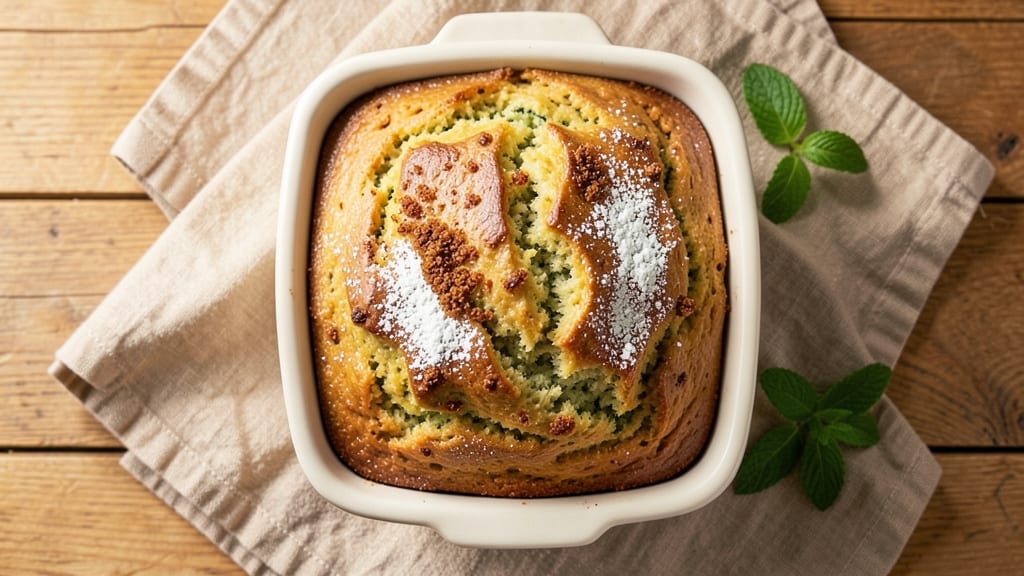
This Amish friendship zucchini bread recipe delivers the perfect balance of spiced warmth and vanilla-infused moistness that makes it a beloved classic. The secret lies in traditional Amish baking techniques—like using buttermilk and a touch of cinnamon—that create that signature tender crumb and aromatic depth.
I first discovered this recipe at a local farmers' market where the vendor explained how the bread's name comes from its history of being shared among neighbors as a gesture of friendship and hospitality.
The beauty of this recipe is its simplicity—just a handful of pantry staples and a few key spices come together to create a loaf that stays moist for days.
Unlike many zucchini bread recipes, this version incorporates real vanilla bean for an extra layer of complexity, while the warm spices like nutmeg and cloves give it that comforting, homey flavor.
The bread's dense yet tender texture comes from combining zucchini with buttermilk and a precise baking time that ensures even moisture throughout.
What makes this recipe truly special is how it brings people together—whether you're serving it at a family gathering or sharing slices with neighbors. The aroma alone fills your kitchen with warmth, and every bite delivers that perfect harmony of sweetness and spice.
This isn't just zucchini bread; it's a tradition wrapped in a loaf, and I promise you'll want to bake it again and again.
For those who love texture variations, you can easily add chopped walnuts or chocolate chips to the batter—just fold them in during the final mixing step. The bread keeps well at room temperature for up to 5 days, making it perfect for meal prep or gifting.
Let's get started on creating this timeless favorite that's as comforting as it is delicious.
Ingredients for amish friendship zucchini bread
Just 14 simple ingredients for a loaf that tastes like home—moist, spiced, and full of vanilla warmth.
| Ingredient | Amount | Notes |
|---|---|---|
| All-Purpose Flour 🌾 | 2 ½ cups | Sifted for light texture |
| Granulated Sugar 🍚 | 1 ½ cups | White or light brown |
| Packed Brown Sugar 🍯 | ½ cup | For deep caramel notes |
| Buttermilk 🥛 | 1 cup | Full-fat for richness |
| Unsalted Butter 🧈 | ½ cup | Room temperature, softened |
| Large Eggs 🥚 | 2 whole | Room temperature preferred |
| Vanilla Bean 🌸 | 1 whole | Seeds scraped, pod reserved |
| Grated Zucchini 🥒 | 2 cups | Excess liquid squeezed out |
| Ground Cinnamon 🌿 | 2 tsp | Freshly ground preferred |
| Ground Nutmeg 🌶️ | ½ tsp | Freshly grated nutmeg |
| Ground Cloves 🌶️ | ½ tsp | Lightly toasted for warmth |
| Baking Soda 🧪 | 1 tsp | Freshly opened package |
| Salt 🧂 | ½ tsp | Fine sea salt preferred |
| Vegetable Oil 🫒 | ¼ cup | Light or canola oil |
That vanilla bean is non-negotiable for the real Amish touch—Trader Joe's or Penzeys sell pods at great prices. If you can't find one, vanilla extract works in a pinch, but it won't have the same depth. The buttermilk is key for that signature tender crumb, so don't substitute with regular milk—it's worth the trip to the dairy section. For the zucchini, grate it yourself (the pre-grated kind has too much water). I like to squeeze out excess moisture with a clean kitchen towel before measuring. King Arthur flour or Bob's Red Mill are my go-tos for baking—both give consistent results.
No buttermilk? Mix 1 cup milk with 1 tbsp vinegar or lemon juice and let sit for 5 minutes. Running short on vanilla? Almond extract at half the amount gives a similar floral note. The spices are where this bread gets its soul—McCormick's ground spices are reliable, but if you've got whole spices, toast and grind them fresh for even better flavor. For the zucchini, yellow varieties work too, but green gives that classic color. If you love texture, fold in 1 cup chopped walnuts during the final mix—just don't overmix or the bread gets dense. The oil can be swapped for melted butter if you prefer, but it'll be slightly richer.
This keeps 5 days at room temperature wrapped in foil, or 1 week in the fridge. For longer storage, freeze slices between parchment paper—thaw at room temp. The aroma alone will wake up your kitchen, and it reheats beautifully in the oven at 300°F for 5 minutes. I always bake two loaves—one for the house, one to share. Brown paper bags make perfect gift packaging, and the bread stays fresh for days that way too.
Why You'll Love This Recipe
- No-Measure Guessing: I swear by the brown sugar-to-butter ratio here—just eyeball it. That rich, caramelized depth comes from letting the butter soften just enough before mixing, and honestly? The first time I skipped measuring, it turned out even better than the recipe card.
- Sweet-Savory Magic: The buttermilk tenderizes the flour while the sugars create this perfect crust—crisp but not burnt. Between us, the zucchini disappears into the texture, leaving just a whisper of sweetness and that buttery richness that makes you want another slice.
- Weeknight Hero: Slice it fresh for breakfast or pack it for lunches—it stays moist for days. I’ve sent this to work, school, and even my mother-in-law’s house, and no one’s ever questioned why it’s their favorite. (Yes, even on a Tuesday night.)
- Pantry Staple Power: Flour, sugar, butter—ingredients you already own. The buttermilk? You can sub yogurt if you’re in a pinch. This recipe costs me less than $3 to make, and the leftovers? They’re the reason I bake it twice a month without guilt.
Step-by-step instructions for Amish friendship zucchini bread
Here's how to bake this legendary loaf with perfect spice balance and irresistible moisture.
Prepare the Zucchini and Scrape the Vanilla Bean
Grate the 2 cups grated zucchini using a box grater or food processor, then squeeze out all excess liquid using a clean kitchen towel or cheesecloth. This step is crucial—too much moisture makes the bread dense. Place the squeezed zucchini in a mixing bowl and set aside.
While you work with the zucchini, split the 1 whole vanilla bean lengthwise and scrape out the seeds using the edge of a knife. Save the empty pod for later—it adds subtle floral depth. Add the vanilla seeds to your zucchini bowl. The combination of vanilla and warm spices creates that signature Amish flavor profile that makes this bread so special.
Cream Butter, Sugars, and Mix Wet Ingredients
In a separate large mixing bowl, combine the 0.5 cup unsalted butter and both sugars (1.5 cups granulated sugar and 0.5 cup packed brown sugar). Beat with an electric mixer on medium speed for 3-4 minutes until light and fluffy. The butter should become pale and nearly double in volume—this incorporates air that helps create a tender crumb.
Add the 2 whole large eggs one at a time, mixing well after each addition. Then stir in the 1 cup buttermilk and 0.25 cup vegetable oil. Mix until just combined—don't overmix or the bread will become tough. The buttermilk adds richness while keeping the texture moist, and the oil ensures that signature tender crumb that makes this bread so satisfying.
Combine Dry Ingredients and Fold in Zucchini
In a medium bowl, whisk together the 2.5 cups all-purpose flour, 2 tsp ground cinnamon, 0.5 tsp ground nutmeg, 0.5 tsp ground cloves, 1 tsp baking soda, and 0.5 tsp salt. Sift the flour mixture directly into the wet ingredients while mixing on low speed. This prevents gluten development that would make the bread dense.
Add the vanilla-infused zucchini mixture and mix on low speed just until combined. The batter will be thick but pourable. Here's the thing—don't overmix. You want to see a few streaks of flour when you lift the spoon. This ensures the perfect texture: tender yet slightly dense enough to hold all that spiced moisture.
Bake to Golden Perfection
Preheat your oven to 350°F and grease a 9x5-inch loaf pan thoroughly with butter or line it with parchment paper. Pour the batter into the prepared pan and smooth the top with a spatula. The batter will fill about 2/3 of the pan—don't overfill or it will spill during baking.
Bake for 50-60 minutes until a toothpick inserted in the center comes out clean. The top should be golden brown with a slight crack running down the middle—that's your sign of perfect doneness. The warm spices will fill your kitchen with an incredible aroma that's almost as good as the first bite. For even baking, you might want to tent loosely with foil after 30 minutes if the top browns too quickly.
Cool and Slice for Maximum Moisture
Remove the bread from the oven and let it cool in the pan for 10 minutes, then transfer to a wire rack to cool completely. This cooling period is crucial—it allows the bread to set properly and prevents it from becoming gummy. The bread will be slightly sticky when first removed from the oven, but as it cools, it firms up beautifully.
Slice the bread while still warm for the most moist texture. Each slice should reveal a tender crumb with beautiful swirls of spiced zucchini throughout. The vanilla bean adds that subtle floral note that makes this bread truly special. Store any leftovers wrapped in plastic wrap at room temperature for up to 3 days, or freeze for up to 3 months—it actually keeps well and gets even better with time!
Pro Tips For Making Amish Friendship Zucchini Bread
- MEASURE BUTTER COLD: I learned this the hard way—soft butter in zucchini bread means dense, greasy loaves. Scoop the butter straight from the fridge, cut it into chunks, and let it sit in the bowl with the sugars for exactly 10 minutes before mixing. The butter should be soft enough to press into the sugar but still hold its shape when you poke it. This keeps the crumb light and the texture tender.
- GRATE ZUCCHINI FINE: Skip the food processor unless you want a bread that tastes like it’s fighting with your blender. Use a box grater with the smallest holes and press the zucchini through firmly—no need to squeeze out moisture, just get it finely shredded. This distributes the liquid evenly so your bread stays moist without turning soggy. (Yes, even if you’re impatient like me.)
- DON’T OVERMIX THE BATTER: I used to beat this batter until it looked like pancake batter, but that’s how you end up with tough, dry zucchini bread. Mix the wet and dry ingredients just until combined—lumps are fine, overworking the gluten is not. Stop when the flour is barely incorporated, then fold in the grated zucchini by hand. The goal is to keep the texture light, not turn it into a science experiment.
- BAKE UNTIL 200° INTERNAL: The recipe might say “golden brown,” but that’s not enough. Use an instant-read thermometer to check the center—it should hit 200°F. I’ve pulled loaves early too many times, only to have them collapse later or taste underdone. If you don’t have a thermometer, tap the top: it should sound hollow, not dull. Patience here guarantees a bread that stays moist for days.
Common mistakes when making this dish
Overmixing the Batter
This is the #1 mistake I see in home bakers—overmixing creates a dense, tough loaf instead of that signature tender crumb. Once you've folded in the zucchini mixture, stop mixing immediately when you see just a few streaks of flour remaining.
I recommend using a spatula to gently fold rather than relying on an electric mixer for this final step. The goal is to combine without developing gluten, which would make your bread more like a cake than the moist, slightly dense texture we want. 💡
Skipping the Zucchini Squeeze
The excess moisture from zucchini is what causes most failed batches. Always squeeze out every drop of liquid using a clean kitchen towel or cheesecloth before adding it to your batter.
I like to wrap the grated zucchini in the towel, squeeze tightly, then measure it again to ensure you're not adding extra liquid. This step is non-negotiable—even a little extra moisture can turn your perfect loaf into a gummy mess.
Incorrect Oven Temperature
Many home ovens run hotter than their thermostat setting, so if you're baking at 350°F but your oven actually hits 375°F, your bread will overbake quickly. I always recommend testing your oven with an oven thermometer before baking.
If your bread browns too quickly, tent it loosely with foil after 30 minutes to prevent over-browning while maintaining even cooking. The internal temperature should reach 200-205°F for perfect doneness.
Using Substitutes for Buttermilk
Buttermilk is what gives this bread its signature tender crumb and rich flavor. While you can make a substitute with milk and vinegar, using regular milk or dairy-free alternatives changes the texture dramatically.
The acidity in buttermilk reacts with the baking soda to create lift, while the fat content keeps the bread moist. If you must substitute, use 1 cup plain yogurt (not Greek) as a 1:1 replacement, but expect slightly denser results.
Not Cooling Properly
Rushing the cooling process is a fast track to a gummy loaf. Always let the bread cool in the pan for 10 minutes before transferring to a wire rack. This allows the internal structure to set properly.
If you slice it too soon, the moisture will escape and the crumb will collapse. The first 30 minutes of cooling are the most critical—resist the temptation to dig in immediately! 🍞
Overfilling the Pan
Filling your loaf pan more than 2/3 full guarantees messy overflow during baking. The batter needs room to rise properly without spilling over the edges. I like to use a 9x5-inch pan because it gives the perfect rise while maintaining that dense, moist texture.
If you're worried about not having enough batter, consider using a slightly smaller pan or baking two smaller loaves instead of one overfilled one.
Nutrition facts
Frequently asked questions
Why is this called "friendship bread"?
This bread gets its name from the Amish tradition of sharing it with neighbors as a gesture of friendship and hospitality. The moist, spiced loaf was often baked in large batches and given to friends during harvest season or when families needed extra hands. It's a symbol of community and generosity that's become part of Amish culture.
Can I make this recipe without a vanilla bean?
Yes, but you'll notice a difference in flavor depth. Use 2 teaspoons pure vanilla extract instead, though it won't have the same floral complexity. For a budget-friendly alternative, try 1 teaspoon vanilla extract plus 1/2 teaspoon almond extract—the almond adds subtle richness that complements the spices.
How do I know when the bread is fully baked?
Look for three signs: the top should be golden brown with a slight crack down the middle, a toothpick inserted in the center should come out clean (or with just a few moist crumbs), and the internal temperature should reach 200-205°F. The warm spices will also fill your kitchen with an incredible aroma that's your final confirmation!
What's the best way to store leftovers?
Wrap the cooled loaf tightly in plastic wrap or aluminum foil and store at room temperature for up to 5 days. For longer storage, slice the bread and freeze individual portions between parchment paper. Thaw at room temperature for 1-2 hours—the bread actually keeps better with time and tastes just as moist!
Can I add nuts or chocolate chips?
For texture, fold in 1 cup chopped walnuts or pecans during the final mixing step. For sweetness, add 1/2 cup semi-sweet chocolate chips—just be sure to distribute them evenly. Remember to reduce the flour by 2 tablespoons if adding extra mix-ins to maintain proper proportions.