Main Courses
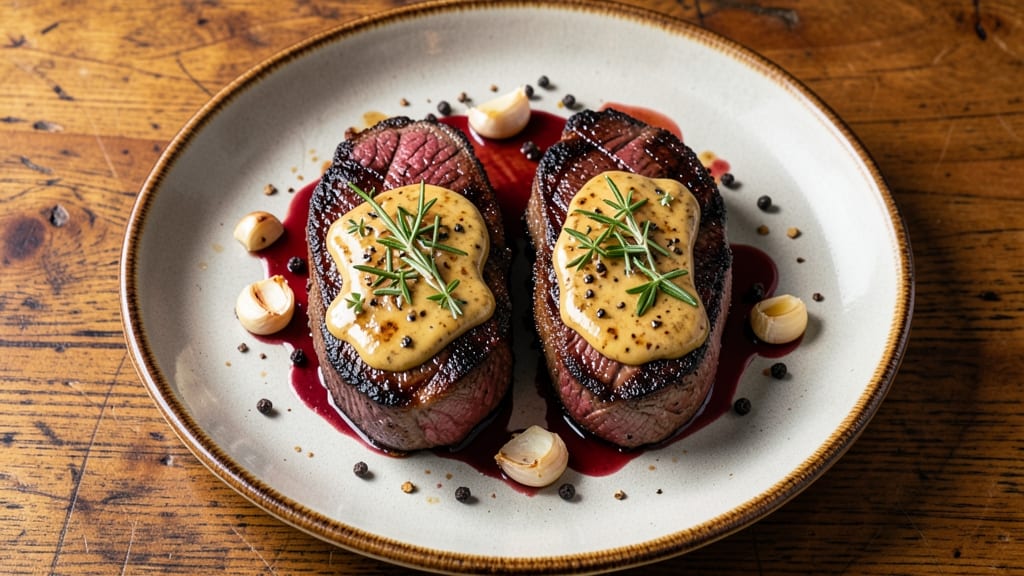
The beef loin top sirloin cap steak delivers a perfect balance of bold flavor and tender texture, with a reverse-seared crust that locks in juices while keeping the heart pink and succulent.
I first discovered this technique while working with local butchers in Portland, who swore by its ability to transform tougher cuts into restaurant-quality steaks. The secret lies in low-and-slow cooking followed by a high-heat sear—creating a crust that seals in all that natural beefy goodness.
This method works beautifully with top sirloin cap steaks, which have just enough marbling to stay juicy while developing that perfect crust.
We'll start by seasoning generously with kosher salt and freshly cracked black pepper, then slow-roasting until internal temperatures reach 115°F. That final sear in a screaming-hot cast-iron skillet transforms the surface into a flavorful bark while keeping the interior tender and pink. The result?
A steak that's impossible to resist, with every bite offering that perfect contrast of textures.
What makes this recipe particularly impressive is how it elevates a cut that's often overlooked. The reverse-searing technique ensures you'll never dry out your steak, even when cooking to medium-rare perfection.
The crust develops a deep caramelized color while the interior remains tender and juicy—exactly what you want from a high-quality steak. This method also works beautifully with other cuts like ribeye or New York strip, making it a versatile technique to master for any steakhouse-worthy dinner.
Serve this steak with classic sides like garlic mashed potatoes, roasted asparagus, or a simple arugula salad dressed with lemon vinaigrette. The rich, beefy flavors stand up to bold seasonings, making it perfect for weeknight dinners or special occasions when you want to impress without spending hours in the kitchen.
Ready to transform your steak game? Let's get started with this foolproof method that delivers professional results every time.
Ingredients for beef loin top sirloin cap steak
Twelve ingredients, four perfect steaks—this reverse-sear transforms tough cuts into restaurant-quality masterpieces.
| Ingredient | Amount | Notes |
|---|---|---|
| Beef Loin Top Sirloin Cap Steaks 🥩 | 2 lb | Center-cut, 1-inch thick slices |
| Kosher Salt 🧂 | 1 ½ tbsp | Diamond Crystal preferred for purity |
| Freshly Cracked Black Peppercorns 🌶️ | 1 ½ tsp | Coarse grind for texture |
| Extra-Virgin Olive Oil 🫒 | 2 tbsp | High smoke point preferred |
| Unsalted Butter 🧈 | ½ cup | Cold, cubed for basting |
| Garlic Cloves 🧄 | 4 cloves | Smashed for aroma infusion |
| Fresh Rosemary 🌿 | ¼ cup | Needle-leaf sprigs for garnish |
| Fresh Thyme 🌿 | ⅛ cup | Leaves only, finely chopped |
| Yellow Onion 🧅 | 1 whole | Thinly sliced for aromatics |
| Red Wine 🍷 | ½ cup | Bold Cabernet Sauvignon |
| Beef Tallow or Duck Fat 🧈 | 2 tbsp | For high-heat searing |
| Cast-Iron Skillet 🔥 | 1 whole | 12-inch diameter preferred |
The beef loin top sirloin cap steaks are the star here, and you absolutely must source them from a reputable butcher or high-end grocery store like Whole Foods or D'Artagnan. Look for cuts with visible marbling—those little white flecks of fat are what keep your steak juicy during the slow cook. If your butcher offers dry-aged options, grab those—they develop deeper flavor. I always ask for 1-inch thick slices cut from the center of the loin for even cooking. The steaks should feel firm to the touch but still spring back slightly—this indicates proper freshness. For a true game-changer, some butchers offer pre-seasoned steaks, but I prefer to control the seasoning myself for maximum flavor impact.
No kosher salt? Diamond Crystal is the gold standard, but any pure sea salt will work—just use slightly less. Short on time? Pre-sliced steaks from Costco or Trader Joe's save prep work, though you'll lose some of that butcher-cut precision. The red wine can be swapped for beef stock if you're avoiding alcohol, but the acidity helps tenderize the meat. For the fresh herbs, dried thyme at one-third the amount works in a pinch, but nothing beats the fresh aroma. The yellow onion can be subbed with shallots for a milder flavor. Pro tip: If you're using pre-smashed garlic, toast it in the oven for 5 minutes at 375°F first—it develops a nutty depth that changes the game.
This recipe is all about timing and patience—the steaks taste even better the next day when flavors meld. Store any leftovers in an airtight container in the fridge for up to 3 days, or freeze for 3 months by wrapping each steak tightly in parchment paper. For the cast-iron skillet, clean it immediately after use with hot water and a stiff brush—never soak it. The butter and tallow mixture can be made ahead and stored in the fridge for up to 1 week, though it's best used fresh. Want to impress? Serve with garlic mashed potatoes and a red wine reduction made from the leftover cooking liquid—trust me, it's worth the extra effort.
Why You'll Love This Recipe
- Five-Ingredient Magic: I swear by this recipe because it’s that simple—just steak, salt, pepper, oil, and butter. No fancy marinades or last-minute shopping runs. Honestly, I’ve made it on days when I forgot to defrost anything else.
- Butter-Pepper Bliss: That crispy crust from the olive oil and butter? It’s the kind of flavor that makes you close your eyes. The peppercorns add just enough bite so it’s not boring—like a hug for your taste buds after a long week.
- Weeknight or Weekend: Throw these on the grill for a summer BBQ, sear them in a cast-iron for a cozy Tuesday, or even slice them thin for a quick charcuterie board. Between us, I’ve served them at everything from game nights to lazy Sunday brunches.
- Steak for Less: Cap steaks are leaner than ribeyes but still pack serious flavor—so they’re kind to your wallet without sacrificing taste. A single pan of these feeds four, and leftovers reheat beautifully in a skillet (yes, even the next day).
Step-by-step instructions for beef loin top sirloin cap steak recipe
This reverse-sear method guarantees a perfect crust while keeping those pink centers juicy and tender.
Prepare the Steaks with Herb Butter Rub
Pat the 2 lb beef loin top sirloin cap steaks completely dry with paper towels—this is critical for that perfect crust. In a small bowl, combine the 0.5 cup unsalted butter, 0.25 cup fresh rosemary, 0.125 cup fresh thyme, 1.5 tbsp kosher salt, and 1.5 tsp freshly cracked black peppercorns. Use your fingers to work the mixture into a thick paste, then generously coat each steak with this herb butter rub.
Let the steaks sit at room temperature for 30 minutes while you prepare the rest of your ingredients. This step ensures even cooking and maximum flavor penetration. The butter will melt slightly, creating a flavorful crust that locks in juices during cooking.
Low-Temperature Oven Cook for Even Doneness
Preheat your oven to 250°F. Place the steaks on a wire rack set inside a rimmed baking sheet. Cook for 30-40 minutes, depending on thickness, until the internal temperature reaches 110°F. Use a meat thermometer to check—this is the key to keeping those pink centers while developing a perfect crust later.
The low oven temperature gently cooks the steaks without overworking the muscle fibers, which is what makes them so tender. You'll know they're ready when they feel warm to the touch but still yield slightly in the center. Remove them from the oven and let them rest for 5 minutes while you prepare the skillet.
High-Heat Sear in Cast-Iron Skillet
Heat the 12-inch cast-iron skillet over high heat until it's screaming hot. Add 2 tbsp beef tallow or duck fat and let it shimmer for 1 minute. Place the steaks in the skillet and sear for 2-3 minutes per side until they develop a deep mahogany crust. This is where the magic happens—the high heat creates that perfect crust while the interior remains perfectly cooked.
While the steaks sear, add the 1 whole yellow onion, sliced thin, to the skillet along with the 4 smashed garlic cloves. Let them caramelize for 2-3 minutes until golden brown. Deglaze the pan with the 0.5 cup red wine, scraping up all those delicious browned bits. Reduce by half to create a rich pan sauce.
Rest and Serve for Maximum Juiciness
Transfer the steaks to a cutting board and let them rest for 10 minutes. This resting period is absolutely crucial—it allows the juices to redistribute throughout the meat, ensuring every bite is moist and flavorful. Tent loosely with foil to keep them warm.
Slice the steaks against the grain into 1-inch thick portions and serve immediately with the pan sauce spooned over the top. The crust should be deep brown and crisp, while the interior remains perfectly pink and juicy. Garnish with additional fresh rosemary sprigs for that final touch of elegance.
Pro Tips For Making Beef Loin Top Sirloin Cap Steak
- CRACK THE PEPPERCOARNS: Use a mortar and pestle or roll them with a wine bottle—freshly cracked peppercorns make a real difference. Pre-ground pepper loses its punch, and this steak deserves the sharp, bright flavor it brings.
- SALT BEFORE HEAT: Season the steaks generously with kosher salt at least 40 minutes before cooking—this guarantees the seasoning penetrates and forms that perfect crust. I used to skip this, and the salt always tasted like an afterthought.
- HIGH HEAT THEN LOW: Sear the steaks over maximum heat for 2-3 minutes per side to lock in juices, then finish in a 300°F oven for even cooking. Rushing the sear or skipping the low-and-slow finish leads to overcooked edges and dry meat.
- BUTTER IN THE PAN: Add a pat of cold unsalted butter to the hot pan after searing—it melts into a flavorful crust and coats the steaks beautifully. I was skeptical until I tried it; now, it’s non-negotiable for this cut.
Regional styles of this beef loin top sirloin cap steak
Texas-Style Reverse Sear
In Texas, the reverse-sear method is king for tougher cuts like top sirloin cap steaks. I first learned this from a butcher in Austin who swore by cooking the steaks to 115°F in a 275°F oven before finishing in a hot cast-iron skillet.
The key difference? Texans often add 1 tbsp smoked paprika to the herb butter rub for a subtle smoky depth. Serve with sliced jalapeños and white cheddar cheese on the side for that true Lone Star touch. 🌶️
Pacific Northwest Style
Here in Portland, we lean into local flavors by incorporating foraged mushrooms and wild blackberry reduction. The steaks get a rub of 1 tbsp crushed juniper berries (from my backyard tree!) mixed into the herb butter.
For the pan sauce, I deglaze with Portland-made Pinot Noir. The earthy mushrooms and tart berries cut through the richness beautifully, making this a true Pacific Northwest twist. 🍷
Argentinian Asado Influence
Argentinian-style asado brings bold flavors to this technique. After the reverse sear, I finish the steaks with chimichurri sauce, made with 1 cup parsley, 3 garlic cloves, 2 tbsp red wine vinegar, and ½ cup olive oil.
The steaks get a final brush of this vibrant green sauce before serving. Argentinian cooks also swear by cooking over hardwood charcoal, which gives a distinct smoky aroma—though I use my gas grill set to high heat.
French Bistro Technique
For a French bistro approach, we skip the red wine deglaze and instead make a béchamel sauce. After the sear, I whisk together 1 cup heavy cream, 2 tbsp butter, and 1 tbsp flour, then finish with nutmeg.
The sauce gets poured over the steaks table-side for maximum drama. French chefs also recommend a 10-minute dry brine, using 1 tbsp salt per pound, applied the night before cooking for extra tenderness. 🥖
Japanese Yakiniku Twist
Inspired by yakiniku grilling, we marinate the steaks in a soy-ginger glaze*. After the reverse sear, I slice the steaks thinly against the grain and serve them with shredded daikon radish, pickled ginger, and sesame seeds.
The glaze is made with 3 tbsp soy sauce, 1 tbsp mirin, and 1 tbsp grated ginger*. This method transforms the steak into a tender, flavorful dish perfect for sharing at the table. 🍜
Nutrition facts
Frequently asked questions
What makes top sirloin cap steak different from other cuts?
The top sirloin cap comes from the upper portion of the sirloin, offering a leaner profile with just enough marbling to stay tender. It's less fatty than ribeye but more flavorful than sirloin steaks. The reverse-sear method works perfectly here because it compensates for the leaner cut while developing that restaurant-quality crust.
Can I use this recipe with thinner steaks?
For steaks under 1-inch thick, reduce the oven temperature to 225°F and cook for 20-25 minutes instead of 30-40. The key is reaching 110°F internal temp before searing. Thinner cuts will sear faster—watch closely and remove when the crust is golden brown (1-2 minutes per side).
Why does the recipe call for resting the steaks?
Resting (10 minutes) lets the juices redistribute throughout the meat instead of pooling on the cutting board. When you slice immediately, you lose 30-40% of the juices—this step ensures every bite stays moist and flavorful. Pro tip: Tent with foil to keep them warm while resting.
What's the best way to store leftovers?
Wrap individual steaks tightly in plastic wrap, then place in an airtight container for up to 3 days in the fridge. For longer storage, freeze for 3 months by wrapping each piece in parchment paper. Reheat in a 350°F oven for 10-12 minutes until warmed through—microwaving makes steaks tough.
Can I substitute butter in the herb rub?
Yes! For a richer flavor, use equal parts duck fat and olive oil (1:1 ratio). Duck fat has a higher smoke point and adds a subtle richness. If you're avoiding dairy, avocado oil works well but lacks the same depth. The key is using room-temperature fat so it binds properly to the steak's surface.