
Breakfast & Brunch
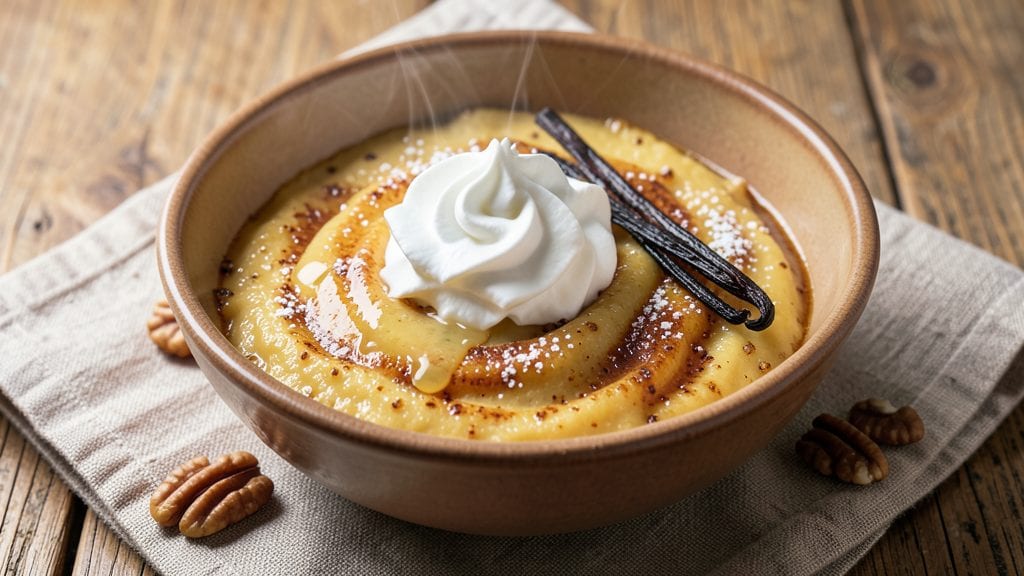
This creamy farina recipe brings the comforting flavors of Italy to your morning table with a velvety texture and buttery vanilla notes that make every bite feel like a hug.
Standing on a step stool in my Nonna’s kitchen in Sicily, I learned how farina transforms into something extraordinary with just a few simple ingredients and patience. The secret lies in slow cooking the cornmeal until it reaches that perfect, silky consistency—no lumps, just pure comfort.
What sets this recipe apart is the balance of rich, buttery flavor and subtle vanilla sweetness that elevates farina from side dish to star.
Unlike quick polenta, this method requires about 45 minutes of gentle simmering, but the result is worth every moment—a dish that’s creamy, satisfying, and versatile enough for breakfast or a light dinner. The texture is smooth yet slightly rustic, with just enough tooth to keep it interesting.
By the time you’re done, you’ll have a creamy, golden farina that’s ready to be topped with crispy prosciutto, fresh herbs, or a sprinkle of parmesan. It’s the kind of dish that feels indulgent yet simple, perfect for a lazy Sunday morning or a cozy weeknight dinner.
The vanilla adds a touch of warmth that makes it feel like a homemade treat, not just another bowl of cereal.
Pair it with a fried egg on top for extra richness or serve it alongside roasted vegetables for a heartier meal. This is farina the way my Nonna would make it—comforting, flavorful, and impossible to resist. Let’s get started on creating your own bowl of Italian-inspired goodness.
Ingredients for best farina
Simple Italian ingredients that transform into velvety comfort—just 11 staples for Nonna-style farina.
| Ingredient | Amount | Notes |
|---|---|---|
| Fine Farina (Cornmeal) 🌾 | 1 cup | Stone-ground for best texture |
| Unsalted Butter 🧈 | 4 tbsp | Cold, cubed for even melting |
| Whole Milk 🥛 | 2 cups | Full-fat for creaminess |
| Pure Vanilla Extract 🍯 | 1 tsp | High-quality, real vanilla |
| Granulated Sugar 🍚 | ¼ cup | Light brown for caramel notes |
| Salt 🧂 | ½ tsp | Fine sea salt preferred |
| Freshly Ground Black Pepper 🌶️ | ¼ tsp | Freshly cracked for aroma |
| Fresh Rosemary 🌿 | 2 sprigs | Finely chopped for fragrance |
| Freshly Grated Parmesan Cheese 🧀 | ½ cup | From a block, not pre-shredded |
| Crispy Prosciutto 🥓 | 4 oz | Thinly sliced for topping |
| Large Eggs 🥚 | 2 whole | For optional fried topping |
The farina here is the star, so stone-ground is non-negotiable—it gives that authentic, rustic texture. Bob’s Red Mill or King Arthur are my go-tos, but any quality stone-ground will work. Fresh rosemary is a game-changer (the good stuff, not the dried kind), but if you’re short, dried at 1/4 the amount works in a pinch. The butter matters too—European-style melts better and adds richness. Keep it cold until it hits the pot, or you’ll end up with butter blobs instead of silky sauce. For the Parmesan, grate it yourself—pre-shredded has anti-caking agents that make it taste like sawdust.
No vanilla extract? Vanilla bean paste or even a scraped vanilla bean pod work wonders. Short on rosemary? Thyme or sage add a lovely herbal note. The milk can be swapped for half-and-half for extra creaminess or even coconut milk for a dairy-free twist. For the sugar, light brown adds caramel depth, but white works fine if that’s what you’ve got. The prosciutto can be swapped for crispy bacon or even crumbled pancetta—just make sure it’s crispy. And if you’re feeling fancy, truffle oil in the final drizzle takes this to restaurant-level.
This keeps beautifully in the fridge for 4-5 days, though it reheats best with a splash of milk. Freezes for up to 3 months—just thaw overnight in the fridge. I like to prep a big batch on Sundays so it’s ready for quick breakfasts all week. For extra decadence, serve with a fried egg on top and a sprinkle of freshly cracked black pepper. The prosciutto can be added fresh so it stays crispy—don’t skip this part!
Why You'll Love This Recipe
- Five-Ingredient Magic: I swear by this recipe because it’s the kind of dish where you measure, pour, and stir—no fancy techniques. Just heat the milk with butter until it’s warm and fragrant, whisk in the farina, and let it thicken while you sprinkle in vanilla and sugar. That’s it. No stress, no mess.
- Vanilla-Butter Bliss: The moment that creamy, buttery farina hits your spoon—warm, with just a whisper of vanilla—you’ll understand why this is my go-to. It’s rich enough to feel indulgent but light enough to eat for breakfast, lunch, or dessert. Honestly, the balance of sweetness and that buttery depth is chef’s kiss.
- Breakfast to Dessert: Between us, this recipe is my secret weapon for lazy mornings and impromptu desserts. Serve it with a drizzle of honey for a quick breakfast, or top with berries and a pinch of cinnamon for a no-bake treat. I’ve even used it as a base for bread pudding—versatile enough to play with.
- Budget-Friendly Leftovers: A single batch stretches for days, and the best part? It tastes just as good reheated as it does fresh. I make a big batch on Sundays, portion it into jars, and grab it for a fast lunch or a last-minute snack. Plus, using pantry staples like farina and milk keeps costs low without sacrificing flavor.
Step-by-step instructions for creamy Italian breakfast with buttery vanilla notes
Here's how to transform simple pantry staples into a luxurious Italian-inspired breakfast that's creamy, fragrant, and ready in under 30 minutes.
Create the Farina Base
In a medium saucepan, melt the 4 tablespoons unsalted butter over medium heat until completely liquid but not browned. Add the 1 cup fine farina (cornmeal) and whisk constantly for 2-3 minutes until the mixture thickens and pulls away from the sides of the pan.
This is where the magic happens—the farina will develop a nutty aroma and golden color. Keep your whisk moving to prevent burning, and don't walk away. Once it reaches a thick, paste-like consistency, immediately pour in the 2 cups whole milk all at once while continuing to whisk vigorously. The mixture will bubble vigorously—this is normal and creates that signature creamy texture.
Infuse with Vanilla and Rosemary
Reduce the heat to low and stir in the 1 teaspoon pure vanilla extract and 2 sprigs finely chopped fresh rosemary. Let the mixture simmer gently for 5-7 minutes, stirring occasionally, until it thickens enough to coat the back of a wooden spoon. You'll notice the aroma deepen as the rosemary infuses its piney fragrance and the vanilla adds that warm, buttery sweetness.
Here's the thing—don't rush this step. The slow simmer allows all the flavors to meld together properly. If you notice the mixture starting to stick to the bottom, add 1-2 tablespoons of milk to loosen it. The texture should be smooth and velvety, like a thick pudding.
Season and Finish the Cream
Remove the saucepan from heat and stir in the 0.25 cup granulated sugar, 0.5 teaspoon salt, and 0.25 teaspoon freshly ground black pepper. Taste and adjust seasoning if needed—you want a perfect balance of sweet, savory, and aromatic notes. Then, whisk in the 0.5 cup freshly grated parmesan cheese until completely melted and smooth. The cheese will add a rich, umami depth that ties everything together.
For an extra touch, you can strain the mixture through a fine-mesh sieve to remove any rosemary stems, ensuring a silky-smooth texture. Transfer the creamy farina mixture to a serving dish and cover with plastic wrap pressed directly onto the surface to prevent a skin from forming.
Prepare the Prosciutto Topping
While the farina mixture is still warm, arrange the 4 ounces crispy prosciutto on a baking sheet lined with parchment paper. Place under a broiler for 2-3 minutes until it's perfectly crispy and slightly caramelized at the edges. Watch it closely—prosciutto can go from perfect to burnt in seconds. Once crisp, remove from the oven and let cool for 1 minute before carefully breaking it into bite-sized pieces.
This crispy prosciutto adds a delightful crunch that contrasts beautifully with the creamy farina base. If you're feeling fancy, you can also lightly fry the 2 whole large eggs in a separate pan until the whites are set but the yolks remain runny, then place them on top of the prosciutto pieces.
Assemble and Serve Immediately
To serve, spoon the creamy farina mixture into bowls and top generously with the crispy prosciutto pieces and fried eggs, if using. The contrast of temperatures and textures—creamy, crispy, and runny—makes this breakfast truly extraordinary. Garnish with an additional sprinkle of freshly grated parmesan cheese and a few fresh rosemary leaves for a pop of color and aroma.
This dish is best served immediately while the prosciutto is still crispy and the eggs are warm. The combination of the nutty farina, buttery vanilla notes, savory prosciutto, and rich eggs creates a symphony of flavors that will make your breakfast table the envy of everyone. Enjoy it straight from the pan for the ultimate indulgence!
Pro Tips For Making Best Farina
- Whisk the Milk First: Heat your whole milk in a saucepan until it’s steaming (not boiling) before mixing it with the farina. I learned this the hard way—cold milk clumps the cornmeal into a pasty mess that no amount of stirring will fix. Warm milk blends in smooth as butter, and that’s when the magic starts.
- Butter in Stages: Don’t dump all the unsalted butter in at once. Start with half, let it melt into the hot milk mixture, then add the rest while stirring constantly. This keeps the texture silky instead of greasy—like a creamy custard, not a lump of cornmeal grit. (Yes, even if you’re impatient like me.)
- Skip the Boil: The moment the farina mixture thickens enough to coat the back of a spoon, take it off heat. Overcooking turns it gluey, and no one wants dessert that sticks to the spoon like wallpaper paste. Trust your instincts—it’s done when it looks like thick pudding, not cement.
- Vanilla Last, Stir Twice: Add the pure vanilla extract after the sugar dissolves, then give it two good stirs—once right after mixing, and again after it sits for 5 minutes off heat. This lets the flavor settle in instead of just floating on top. (Your future self will notice the difference.)
Wine and beer pairings for these flavors
Italian White Wine
For this creamy farina dish, I always reach for a dry Vermentino from Sardinia—its crisp acidity and citrus notes cut through the richness beautifully. The slight mineral undertones complement the rosemary and vanilla perfectly, cleansing your palate between bites.
If you can't find Vermentino, a Pinot Grigio from Alto Adige works wonderfully too. Just avoid anything too oaky or heavy, as those flavors will compete with the delicate vanilla and butter. 🍷
Crisp Italian Lager
A chilled Peroni or Moretti is my go-to beer pairing for this breakfast dish. The light, effervescent quality balances the creamy texture while the subtle malt sweetness enhances the vanilla notes.
For something with a bit more character, try a Belgian witbier—the citrusy coriander and orange peel notes play beautifully with the rosemary. Avoid heavy stouts or IPAs, as they'll overpower the dish's delicate flavors. 🍺
Sweet Sparkling Option
If you prefer something bubbly and slightly sweet, a Prosecco or Franciacorta adds a festive touch to your breakfast table. The bright acidity and apple-like notes contrast perfectly with the buttery farina, while the bubbles create a refreshing mouthfeel.
I like to serve this chilled in small flutes alongside the dish for a special weekend treat. The sweetness level should be dry or extra dry—avoid anything too sweet like Moscato. ✨
Coffee Pairing
For a more traditional Italian breakfast pairing, serve this farina with a strong espresso or cappuccino. The bold, bitter notes of the coffee complement the creamy, vanilla-infused farina beautifully.
If you're making this for a weekend brunch, a flat white with its velvety microfoam adds a luxurious touch that matches the dish's indulgent texture. Remember, Italians often enjoy coffee with breakfast—it's a perfect match for this creamy, comforting dish. ☕
Seasonal Adaptations
In summer, I sometimes swap the wine for a sparkling rosé—its berry notes and acidity provide a refreshing contrast to the warm farina. For fall and winter, a medium-bodied red like Chianti or Sangiovese works surprisingly well, especially if you've added extra rosemary or black pepper to the dish.
The earthy tannins complement the savory elements beautifully. 🍂
Non-Alcoholic Options
For a non-alcoholic pairing, try a sparkling blood orange soda—the citrusy sweetness enhances the vanilla while the bubbles provide that refreshing contrast. Another great option is Italian sodas like San Pellegrino Aranciata or Sanbitter, which offer herbal and citrus notes that complement the rosemary and prosciutto.
These make the dish feel just as special without the alcohol. 🍊
Nutrition facts
Frequently asked questions
What's the difference between farina and cornmeal?
Farina is typically made from finely ground wheat or corn, while cornmeal is coarser and made from dried corn kernels. For this recipe, we use fine farina (like wheat semolina) for its silky texture—it creates a creamy, velvety consistency perfect for breakfast dishes. Cornmeal would give a grittier texture, better suited for cornbread or polenta.
Can I make this farina ahead of time?
This recipe keeps beautifully in the fridge for 4-5 days in an airtight container. Just reheat gently with a splash of milk over low heat to restore its creamy texture. For longer storage, freeze portions for up to 3 months—thaw overnight in the fridge before serving.
Why did my farina turn out lumpy?
Lumps usually happen when the farina isn't whisked enough before adding milk or if the heat isn't consistent. To fix it, whisk vigorously while cooking and stir constantly. For future batches, melt the butter first, then whisk in the farina until it forms a thick paste before adding liquid. A fine-mesh sieve can also help remove any stubborn lumps.
What can I substitute for prosciutto?
If prosciutto isn't available, try crispy bacon, pancetta, or even crumbled feta cheese for a vegetarian option. For extra flavor, sprinkle with toasted pine nuts or sun-dried tomatoes. The key is a salty, savory contrast to balance the creamy farina.
Is this recipe gluten-free?
Traditional farina contains gluten, but you can adapt this recipe using certified gluten-free farina or cornmeal instead. Keep in mind the texture will be slightly different—cornmeal versions tend to be less creamy. Always check labels to ensure all ingredients (like vanilla extract) are gluten-free if needed.