Side Dishes
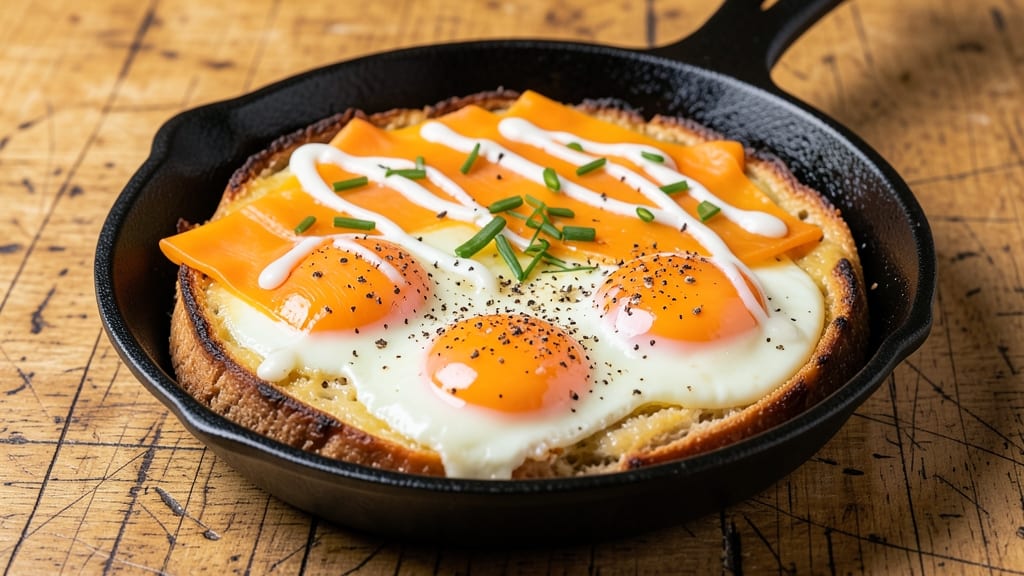
This bread quiche recipe transforms day-old bread into a flaky, golden crust that holds a rich, creamy egg filling better than any pie dough. The secret lies in layering thick bread slices with butter and cheese, creating a crispy base that rivals traditional pastry.
I developed this method after burning through three store-bought crusts—this version stays sturdy even when sliced, making it perfect for potlucks or meal prep.
The filling is where the magic happens: a velvety blend of eggs, cream, and sharp cheddar that sets up just right—creamy in the center with a firm, sliceable edge. You can customize it with spinach, ham, or mushrooms, but even the basic version delivers restaurant-quality flavor.
The best part? It bakes in 30 minutes at 375°F, so you won’t spend all afternoon in the kitchen.
What you’ll end up with is a quiche that’s crispy on the bottom, tender in the middle, and topped with a golden crust that begs to be sliced into wedges.
The aroma alone will have everyone at the table asking for seconds. This recipe proves that flaky doesn’t always require pie dough—sometimes, a little bread and patience work wonders.
Serve it warm with a simple salad or as a hearty breakfast side. The possibilities are endless, but the technique remains foolproof. Let’s get baking!
Ingredients for bread quiche
Six ingredients transform stale bread into a flaky crust that rivals pie dough.
| Ingredient | Amount | Notes |
|---|---|---|
| Day-Old Bread Loaf 🍞 | 1 whole | French or sourdough preferred |
| Unsalted Butter 🧈 | ½ cup | Cold, cubed for layering |
| Shredded Sharp Cheddar Cheese 🧀 | 1 ½ cups | Aged 2+ years for sharpness |
| Large Eggs 🥚 | 6 whole | Room temperature preferred |
| Heavy Whipping Cream 🥛 | 1 cup | Full-fat for richness |
| Whole Milk 🥛 | ½ cup | Warmed slightly for blending |
| Salt 🧂 | ½ tsp | Kosher or sea salt |
| Freshly Ground Black Pepper 🌶️ | ¼ tsp | Coarsely ground preferred |
| Fresh Spinach 🍃 | 3 cups | Chopped, optional but recommended |
| Diced Cooked Ham 🐷 | 1 cup | Low-sodium preferred |
| Non-Stick Cooking Spray 🫧 | 1 tbsp | For greasing quiche dish |
| All-Purpose Flour 🌾 | 2 tbsp | For dusting bread slices |
| Garlic Powder 🧄 | ½ tsp | For seasoning filling |
The bread is non-negotiable—French or sourdough creates the best texture, but any sturdy loaf works. Whole Foods or bakery sections have the freshest day-old bread, often discounted. Look for thick slices (about 1/2-inch) that hold shape when layered. The butter matters too: European-style unsalted melts cleaner than American butter. If you can't find day-old bread, lightly toast stale bread and let it cool completely before assembling.
No sharp cheddar? Gruyère or aged Gouda work beautifully—just increase to 1.75 cups for similar sharpness. The spinach can be frozen (thaw and drain well), but fresh is ideal. Trader Joe's has pre-washed baby spinach that's perfect for this. Ham lovers can swap in cooked sausage or mushrooms for a meatier filling. The garlic powder is optional but adds depth—Penzeys or McCormick brands have the most flavorful versions. For a vegan twist, replace eggs with flax eggs (3 tbsp ground flax + 9 tbsp water per egg).
Assemble the quiche crust and filling up to 12 hours ahead—it keeps well in the fridge. Bake at 375°F for 30-35 minutes until the center is just set. Leftovers reheat beautifully in the oven at 350°F for 10-15 minutes, covered with foil. Store in an airtight container for 4 days or freeze the whole quiche (unbaked or baked) for 3 months. The crust stays crispy when reheated properly—never microwave.
Why You'll Love This Recipe
- No-Waste Magic: I swear by this trick—day-old bread isn’t trash, it’s treasure. Toss in cubes of whatever’s left (sourdough, crusty baguette, even stale brioche) and watch it soak up that creamy egg mixture like a sponge. No crumbs flying everywhere, no extra prep—just slice, layer, and bake.
- Cheesy Crispy Core: That sharp cheddar? It’s the star. When it melts into the golden crust of toasted bread, you get this perfect texture—crispy edges hugging a gooey, stretchy center. Honestly, the first bite makes me forget I’m eating leftovers.
- Weeknight & Weekend Ally: Make it for breakfast when you’re running late. Serve it at brunch with friends. Cut into squares for lunchboxes or a picnic. Between us, I’ve even reheated slices straight from the fridge—still delicious, no judgment.
- Budget Breakfast Hack: Eggs, butter, and cheese stretch further than you’d think. A single loaf of bread and a block of cheddar feed my family for days. Plus, it’s one of those dishes where the longer it sits, the better it tastes—so leftovers? They’re just an excuse to eat more.
Step-by-step instructions for bread quiche with flaky crust
Transform day-old bread into a golden, crispy crust while creating a rich egg custard filling.
Prepare the Flaky Bread Crust
Preheat your oven to 375°F and lightly grease a 9-inch pie dish using the 1 tablespoon non-stick cooking spray. Cut the 1 whole day-old bread loaf into ½-inch thick slices—you should get about 12 slices. Brush each slice with a thin layer of melted unsalted butter (about ¼ teaspoon per slice), focusing on the cut sides.
Arrange the slices in a circular pattern in the pie dish, slightly overlapping each piece. The edges should form a continuous ring with a small opening in the center. Sprinkle 2 tablespoons all-purpose flour over the bread slices to create a barrier between the crust and filling. Press down gently to ensure the bread holds its shape while baking.
Assemble the Egg and Cheese Filling
In a large bowl, whisk together the 6 whole large eggs, 1 cup heavy whipping cream, ½ cup whole milk, ½ teaspoon salt, and ¼ teaspoon freshly ground black pepper until fully combined. Add the 1½ cups shredded sharp cheddar cheese, 1 cup diced cooked ham, and ½ teaspoon garlic powder, mixing until all ingredients are evenly distributed.
In a separate bowl, lightly toss the 3 cups fresh spinach with a pinch of salt. Fold the spinach into the egg mixture just until wilted—avoid overmixing to maintain the custard's texture. Pour the filling into the prepared bread crust, spreading it evenly to the edges. The filling should reach about halfway up the sides of the crust.
Bake Until Golden and Set
Place the assembled quiche on a baking sheet to catch any potential drips. Bake in the preheated oven for 35-40 minutes until the edges are golden brown and the center is just set. The top should look slightly puffed, and a knife inserted near the center should come out clean with minimal wetness.
I like to check for doneness at the 30-minute mark—if the edges are browning too quickly, loosely cover them with aluminum foil to prevent over-browning while the center finishes cooking. The bread crust should be crisp and flaky, while the custard inside should be creamy yet firm enough to hold its shape.
Rest and Serve Warm
Remove the quiche from the oven and let it rest for 10-15 minutes before slicing. This resting period allows the custard to fully set and the bread crust to crisp up further. The contrast between the flaky, buttery crust and the rich, creamy filling is what makes this quiche special.
Slice into wedges and serve warm, accompanied by a simple green salad or crusty bread. The sharp cheddar cheese adds a tangy depth, while the ham and spinach provide a savory balance. Each bite should deliver that perfect combination of crispy crust and velvety egg custard.
Pro Tips For Making Bread Quiche
- Toast the Bread First: I learned this the hard way—skipping the toasting step means soggy bottoms no matter how much butter you use. Spread slices on a baking sheet, broil for 2-3 minutes until golden and crisp, then layer them in your dish. The extra crunch makes all the difference.
- Whisk Eggs Cold: Heavy cream and eggs play nice when they’re both cold. Whisk the eggs and cream together right out of the fridge—they’ll warm up as they bake, giving you a silky custard instead of scrambled bits. (Yes, even if you’re impatient like me.)
- Salt the Cream: The sharp cheddar’s got salt, but the custard needs its own. Mix ½ teaspoon of salt into the heavy cream before whisking it with the eggs—it’s the thing that matters most for balancing the flavors. Trust me, your taste buds will notice.
- Cover While Baking: Sounds weird, but it works: Tent the quiche with foil for the first 20 minutes of baking at 350°F. This keeps the top from drying out while the custard sets, then uncover to let it brown in the last 10 minutes. No more rubbery eggs here.
Common mistakes when making your bread quiche
Overfilling the Crust
One of the biggest mistakes I see is overfilling the bread crust with too much egg mixture. When the filling exceeds the crust's height by more than ½ inch, it creates a soggy mess because the bread can't properly absorb the moisture.
The ideal ratio is filling that reaches midway up the sides—this ensures the bread stays crisp while the custard sets properly. 🍞
Skipping the Flour Barrier
The 2 tablespoons of flour sprinkled between the bread slices and filling isn't optional—it's what prevents a gummy crust. Without this barrier, the bread absorbs too much moisture from the egg mixture, turning soft and rubbery instead of flaky.
I've ruined three quiches by forgetting this step, so don't make my mistake!
Uneven Bread Slices
Thick slices (about ½ inch) are essential for structural integrity, but thin slices (less than ¼ inch) will collapse under the filling's weight. Use a serrated knife to cut even slices, and avoid overlapping them too much in the pie dish.
The goal is a continuous ring that maintains its shape during baking.
Baking at Wrong Temperature
Baking at 350°F instead of 375°F results in a pale, undercooked crust and a runny center. The higher temperature is crucial for creating that golden, flaky texture while ensuring the custard sets properly. I always preheat my oven for 15 minutes before baking to maintain consistent heat.
Not Resting Before Slicing
Cutting into the quiche immediately after baking causes the custard to slide out and the crust to lose its crispness. The 10-15 minute rest allows the filling to firm up and the bread to re-crisp.
This simple step makes all the difference between a perfect slice and a messy one. 💡
Using Fresh Bread
Fresh bread has too much moisture and won't hold its shape during baking. Day-old bread is ideal because it's slightly dried out, creating the perfect crispy texture. If you only have fresh bread, lightly toast it and let it cool completely before assembling.
The crust won't be as flaky, but it will still be delicious.
Nutrition facts
Frequently asked questions
Can I make this bread quiche without ham?
This recipe works beautifully with vegetarian fillings like sautéed mushrooms, bell peppers, and onions. Or try adding roasted zucchini and cherry tomatoes for a fresh twist. Just make sure to pre-cook any veggies to remove excess moisture before adding them to the egg mixture.
How do I prevent the bread crust from getting soggy?
The key is the 2 tablespoons of flour sprinkled between the bread and filling—it acts as a moisture barrier. Also, use day-old bread (never fresh) and avoid overfilling the crust. The filling should only reach midway up the sides of the crust. This ensures the bread stays crisp while the custard sets properly.
Can I prepare this quiche ahead of time?
Yes! Assemble the quiche (crust and filling) up to 12 hours ahead and refrigerate. Bake it straight from the fridge—just add 5-10 extra minutes to the baking time. For leftovers, reheat slices in the oven at 350°F for 10-15 minutes (covered with foil) to restore crispiness. Never microwave!
What’s the best way to reheat leftover slices?
Wrap individual slices in aluminum foil and reheat in a 350°F oven for 10-15 minutes. The foil traps moisture while the oven gently warms the crust. For extra crispiness, place slices on a baking sheet under the broiler for 1-2 minutes at the end. Avoid microwaving—it turns the crust rubbery.
Can I use a different type of bread?
Sturdy, dense breads work best—think French baguette, sourdough, or Italian bread. Avoid soft breads like brioche or challah, as they’ll collapse. If using a loaf with a hard crust (like a baguette), lightly toast the slices first to help them hold shape. The thicker the slice (½ inch is ideal), the better the structure.