
Sauces & Condiments
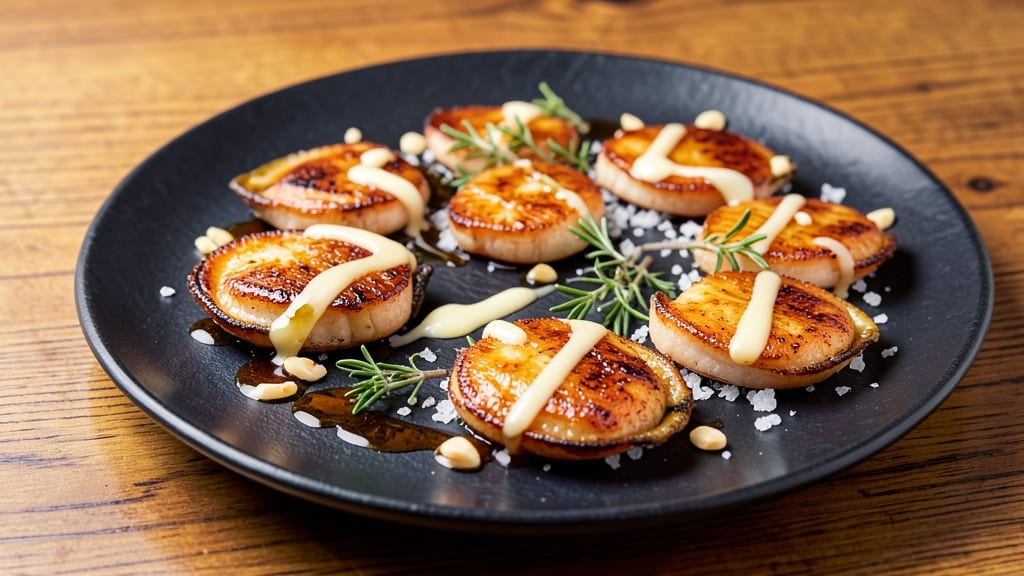
Mastering butter poached scallops transforms simple seafood into a restaurant-worthy centerpiece with just 15 minutes of focused effort. The secret lies in high-heat searing followed by gentle butter baths that create a golden crust while preserving the delicate, silky tenderness inside—no overcooking, no guesswork.
I’ve perfected this technique after years of testing, and it consistently delivers results that impress even the most discerning diners.
This method requires only four key ingredients: fresh scallops, butter, aromatics, and a splash of white wine or broth. The process begins with searing the scallops in a screaming-hot pan to lock in juices, then finishing them in a velvety butter sauce infused with garlic and thyme.
The result is a dish that’s elegant yet approachable, perfect for weeknight dinners or special occasions where you want to shine without fuss.
What you’ll achieve is a plate of scallops with crispy, caramelized edges and a tender, almost custard-like interior, all coated in a glossy, aromatic butter sauce.
The contrast of textures and flavors—savory, buttery, with a hint of brightness from the wine—makes this one of the most satisfying seafood dishes you can make at home. Serve with a sprinkle of parsley, a squeeze of lemon, or alongside roasted asparagus for a complete meal.
For pescatarians or anyone looking to elevate their seafood game, this recipe is a game-changer. The technique is foolproof once you understand the timing and heat control, and the results are worth every minute. Let’s get started—your taste buds will thank you.
Ingredients for butter scallops
Four key ingredients and fifteen minutes transform delicate scallops into restaurant-worthy perfection.
| Ingredient | Amount | Notes |
|---|---|---|
| Large Dry Sea Scallops 🦪 | 16 whole | Pat dry with paper towels |
| Unsalted European-Style Butter 🧈 | ½ cup | Cold and cubed for searing |
| Garlic Cloves 🧄 | 4 cloves | Smashed with side of knife |
| Fresh Thyme Sprigs 🌿 | 4 whole | Leaves only, stems removed |
| Dry White Wine 🍷 | ¼ cup | Sauvignon Blanc preferred |
| Fish Stock 💧 | ¼ cup | Low-sodium preferred |
| Fresh Lemon 🍋 | 1 whole | Zest and juice reserved |
| Fresh Flat-Leaf Parsley 🌿 | ¼ cup | Chopped for garnish |
| Diamond Crystal Kosher Salt 🧂 | 1 tsp | For seasoning |
| Freshly Ground Black Pepper 🌶️ | ½ tsp | Light hand only |
| Vegetable Oil 🫒 | 2 tbsp | High smoke point |
Scallops make or break this dish—look for large, dry-packed sea scallops with no visible muscle (the tiny eye). Whole Foods or Trader Joe's carry the best quality, but avoid pre-pattied ones—they lose moisture fast. Pat them dry with paper towels (this is non-negotiable), then let them sit at room temperature for 10 minutes before cooking. The butter? European-style unsalted like Plugrá or Kerrygold has higher fat content for better searing. If you can't find it, Land O'Lakes European-style works in a pinch.
No white wine? Dry vermouth or extra fish stock keeps the brightness. Fresh thyme is ideal, but dried thyme at one-third the amount works if you're in a bind. The lemon zest adds depth—use a microplane for fine zest—but skip the juice until the very end (acid can toughen scallops). For the stock, Knorr or Pacific brand are reliable low-sodium options. And if your scallops are small? Use 20 instead of 16—they'll still taste amazing, just smaller portions.
Prep ahead to save time: Cube the butter and store in the freezer until ready to use. Scallops keep best in the fridge for 2 days if stored in an airtight container with a paper towel underneath to absorb moisture. The finished dish reheats beautifully—just warm the sauce gently and add the scallops for 30 seconds. Portion into ramekins with sauce and garnish for a make-ahead appetizer that looks effortless.
Why You'll Love This Recipe
- Three-Ingredient Magic: I swear by this—just scallops, butter, and wine. No chopping, no fuss, just searing those plump babies in a pan until they’re golden. Honestly, the hardest part is waiting for them to cook.
- Caramelized Crunch: That crispy shell gives way to buttery, melt-in-your-mouth centers—every time. The garlic and thyme infuse the butter so fast it’s like the pan’s working for you.
- Weeknight to Dinner Party: Same recipe, different vibes. Toss it over pasta for a lazy Tuesday or plate it with crusty bread for guests. The wine deglazes into a silky sauce that feels fancy without the effort.
- Leftovers? More Like Leftovers’ BFF: Cook once, eat twice. The scallops reheat like a dream (gentle pan or oven, no sogginess), and the sauce thickens into a rich drizzle. My secret weapon for busy nights.
Step-by-step instructions for butter poached scallops
A perfect balance of silky texture and rich flavor awaits—let's create restaurant-quality scallops at home.
Prepare the Scallops and Aromatics
Pat the 16 whole large dry sea scallops thoroughly with paper towels to remove any moisture. This step is crucial—wet scallops will steam instead of sear, resulting in tough, rubbery texture. Arrange them on a plate and set aside while you prepare the aromatics.
In a small bowl, gently squeeze the juice from the 1 whole fresh lemon and reserve it. Then, zest the lemon using a fine grater, collecting about 1 teaspoon of zest. You'll use this bright citrus note to balance the richness of the butter. While you zest, remove the leaves from the 4 whole fresh thyme sprigs by pinching the stems between your fingers and pulling gently. Set the leaves aside for later.
Sear the Scallops in Butter
Heat a large skillet over medium heat and add the 2 tablespoons vegetable oil. Once the oil shimmers, add the 0.5 cup unsalted European-style butter, cubed, and let it melt completely. You'll see the butter foam and then settle into a golden liquid. This takes about 2 minutes—don't rush it.
Add the 16 whole large dry sea scallops to the skillet in a single layer, being careful not to overcrowd. Sear for 1 minute per side until they develop a golden crust. You'll know they're ready when they release easily from the pan—this is your signal to remove them and set them aside on a warm plate. The scallops should be opaque and firm to the touch, not translucent.
Build the Poaching Sauce
In the same skillet, reduce the heat to low and add the 4 smashed garlic cloves. Cook for 30 seconds until they become fragrant but not browned—burnt garlic will make the sauce bitter. Immediately add the 0.25 cup dry white wine and scrape up any browned bits from the bottom of the pan with a wooden spoon. This deglazing step captures all the flavor you've built so far.
Allow the wine to simmer for 2 minutes until it reduces by half. Then, pour in the 0.25 cup fish stock and the reserved lemon juice. Stir gently and add the lemon zest and thyme leaves. Bring the mixture to a gentle simmer, then reduce the heat to low and let it cook for 3 minutes to infuse the flavors.
Poach the Scallops to Perfection
Return the seared scallops to the skillet, spooning the poaching sauce over them. Increase the heat to medium-low and let the scallops simmer gently for 2-3 minutes. You're looking for them to become tender and opaque throughout—no more translucency. The sauce should coat the scallops evenly, creating a silky, velvety texture.
Here's the thing—don't overcook them. Scallops continue cooking even after you remove them from the heat, so it's better to pull them out when they're slightly underdone. You'll see them firm up and finish cooking as they rest. Once they reach the perfect doneness, remove them from the sauce and transfer to a warm serving platter.
Finish and Serve
Return the sauce to a gentle simmer and let it reduce for 1 minute to thicken slightly. Stir in the 0.5 teaspoon freshly ground black pepper and 1 teaspoon diamond crystal kosher salt, adjusting to taste. The sauce should be rich, aromatic, and just coating the back of a spoon.
Garnish each scallop with a sprinkle of 0.25 cup chopped fresh flat-leaf parsley for a pop of color and freshness. Serve immediately while the scallops are still warm and the sauce is glossy. Each bite should deliver a perfect balance of buttery richness, bright citrus, and delicate seafood flavor—all while maintaining that luxurious tenderness you crave.
Pro Tips For Making Butter Scallops
- PAT THEM DRY: Scallops release water like nobody’s business—wipe them thoroughly with paper towels before searing. I learned this the hard way when my pan filled with steam instead of golden butter. Trust me, you want that crust, not a sad little puddle.
- HIGH HEAT, NO MESSING: Crank your pan to medium-high and leave them alone for the first 60 seconds. They’ll jump—let them. Crowding or flipping too soon turns them rubbery. Sounds counterintuitive, but it’s the only way to get that caramelized butter blanket.
- GARLIC FIRST, THEN WINE: Sauté the minced garlic in the butter until it’s just golden—not brown, not burnt. Then deglaze with wine. I used to add the wine too early and ended up with a buttery garlic soup instead of flavor. Timing matters more than you think.
- THYME LATELY: Tuck the thyme sprigs into the butter after the scallops are seared. They’ll steep in the residual heat, infusing the sauce without overpowering the dish. Sounds weird, but it works—your future self will notice the difference.
Creative variations of butter scallops
Citrus-Infused Twist
Swap the white wine for ½ cup orange juice (freshly squeezed) and add 1 tsp orange zest to the poaching sauce. The bright citrus cuts through the butter beautifully, creating a tropical-inspired version.
I like adding ¼ cup coconut milk to the sauce for extra richness—it pairs perfectly with the orange. Garnish with toasted coconut flakes and a sprinkle of cilantro for a Thai-inspired touch. 🌴
Herb-Forward Variations
For a Mediterranean flair, replace thyme with 1 tbsp fresh rosemary leaves and 1 tbsp fresh oregano. Add ½ cup dry vermouth to the sauce for depth, and finish with a drizzle of high-quality extra virgin olive oil.
I also love adding 2-3 sun-dried tomato halves to the sauce for a tangy, umami kick. Serve with crusty focaccia to soak up the herby butter. 🌿
Spicy Butter Poached
Infuse the butter with heat by adding 1 tbsp chopped fresh chili peppers (like jalapeños or serranos) and ½ tsp smoked paprika to the melted butter before searing. For extra depth, stir in 1 tsp gochujang or Korean red pepper flakes into the poaching sauce.
Top with pickled jalapeños and a squeeze of lime for a Korean-inspired ssamjang twist. 🌶️
Creamy Garlic-Herb Sauce
After poaching, stir in ¼ cup heavy cream and 1 tbsp chopped fresh dill to the sauce for a creamy, herby finish. Add a pinch of white pepper and 1 tsp lemon juice to balance the richness.
This version works beautifully with crispy prosciutto wrapped around each scallop before serving. 🧀
Asian-Inspired Ginger-Soy Poach
Replace the wine with ¼ cup soy sauce and 1 tbsp rice vinegar, then add 1 tbsp grated fresh ginger and 1 tsp sesame oil to the sauce.
Finish with 1 tsp honey or maple syrup to balance the flavors. Garnish with toasted sesame seeds and scallion greens for a Japanese-inspired miso-glazed effect. 🍶
Smoky Maple-Glazed Scallops
After searing, glaze the scallops with a mix of 2 tbsp pure maple syrup, 1 tbsp balsamic vinegar, and ½ tsp smoked sea salt while poaching.
The maple adds natural sweetness that pairs perfectly with the smoky depth. Serve over mashed sweet potatoes or roasted Brussels sprouts for a fall-inspired dish. 🍁
Nutrition facts
Frequently asked questions
Why do my scallops turn rubbery when cooking?
Overcooking is the #1 cause of rubbery scallops. They're done when they reach 125°F internally—any hotter and they tighten up. Use a meat thermometer for accuracy, and remember they'll carryover cook after leaving the pan. Also, never skip patting them dry before cooking—moisture causes steaming instead of searing.
Can I use frozen scallops for this recipe?
Fresh scallops are ideal, but if using frozen, thaw them overnight in the fridge first. Never thaw at room temperature—it causes uneven cooking. For best results, pat them extra dry after thawing and let them sit at room temperature for 10 minutes before cooking. The texture difference is noticeable, but they'll still taste great!
What's the best way to reheat leftover scallops?
Reheat gently in a skillet with fresh butter over low heat for just 30 seconds per side. Never microwave—it makes them rubbery. For make-ahead meals, poach the scallops completely, then store them in the sauce in an airtight container. Reheat everything together, adding a splash of water if the sauce gets too thick.
How do I know when the butter sauce is ready?
The sauce should coat the back of a spoon and be glossy, not greasy. It's ready when it's reduced enough to cling to the scallops but still silky. Test by dipping a scallop—if it's fully coated without dripping, you're good. The sauce should take about 10-12 minutes total to develop all its flavors.
What's the best wine substitute if I don't have white wine?
Use dry vermouth (½ cup) for depth or extra fish stock (¼ cup) for umami. For a non-alcoholic option, try apple cider vinegar (2 tbsp) mixed with 2 tbsp water. The key is acidity—any substitute should brighten the butter's richness. Avoid sweet wines or juices like apple juice, which will make the sauce cloying.