
Main Courses
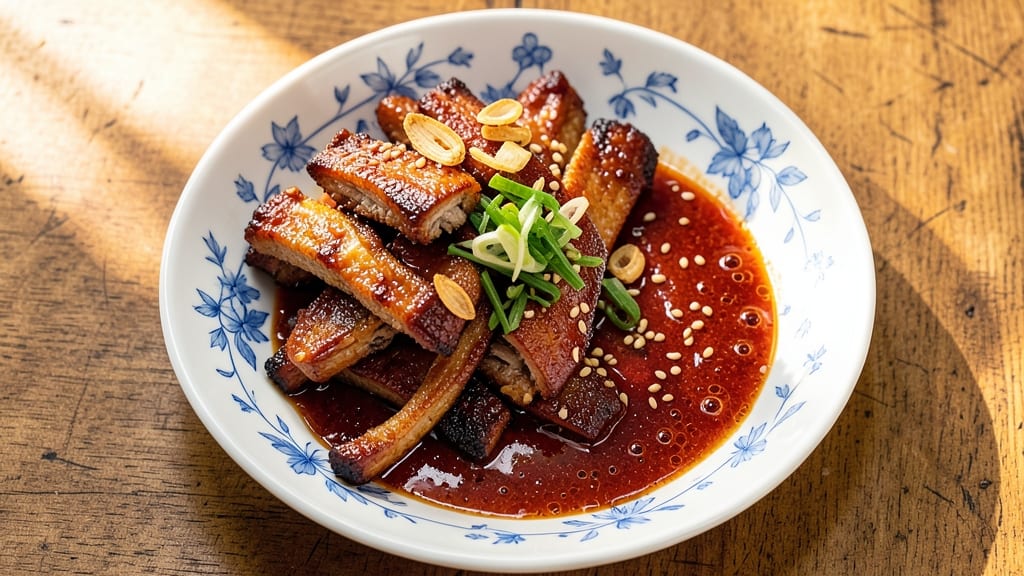
This Chinese fried spare ribs recipe delivers the perfect balance of crispy cornstarch crunch and sweet soy glaze that makes every bite irresistible. The secret lies in a precise frying technique and a marinade that tenderizes the meat while infusing it with aromatic flavors.
I developed this method after years of perfecting the texture—golden, crackling edges that give way to tender, juicy meat inside.
The process begins with a simple yet effective marinade featuring soy sauce, five-spice powder, and a touch of honey to balance the savory notes. After frying, the ribs are tossed in a sweet soy glaze that adds depth and shine.
What sets this recipe apart is the cornstarch coating, which creates that signature crispy texture without sacrificing tenderness. It's the kind of dish that transforms a simple meal into a restaurant-worthy experience.
By following these steps, you'll achieve ribs that are perfectly golden on the outside with a melt-in-your-mouth interior. The glaze adds a sticky-sweet finish that pairs beautifully with the savory depth of the meat.
This recipe is designed to impress, whether you're serving it at a family gathering or enjoying a satisfying weeknight dinner. Let's get started on creating these flavorful, crispy ribs.
One of the best aspects of this dish is its versatility. Serve the ribs with steamed jasmine rice or noodles to soak up every last bit of that delicious glaze. For extra flavor, pair them with a side of quick-pickled vegetables or a simple cucumber salad.
The combination of textures and flavors makes this dish a standout, proving that homemade Chinese fried spare ribs can rival any restaurant version.
Ingredients for chinese fried spare ribs
Fourteen ingredients deliver that signature crispy crunch and sweet glaze you crave in Chinese fried spare ribs.
| Ingredient | Amount | Notes |
|---|---|---|
| Spare Ribs 🍖 | 3 lb | Bone-in, meaty cuts preferred |
| Cornstarch 🌾 | 1 cup | Light and fine texture |
| All-Purpose Flour 🌾 | ½ cup | For coating adhesion |
| Soy Sauce 🥄 | ½ cup | Light or dark preferred |
| Honey 🍯 | ¼ cup | Wildflower or clover |
| Five-Spice Powder 🌶️ | 1 tbsp | Authentic Chinese blend |
| Garlic Cloves 🧄 | 6 cloves | Minced for marinade |
| Ginger Root 🌿 | 1 tbsp | Freshly grated |
| Sesame Oil 🫒 | 1 tbsp | Toasted for aroma |
| Vegetable Oil 🫒 | 3 cups | High smoke point |
| Salt 🧂 | 1 ½ tsp | Kosher or sea salt |
| Black Pepper 🌶️ | ½ tsp | Freshly ground |
| Green Onions 🧅 | 3 whole | Thinly sliced for garnish |
The spare ribs are non-negotiable here—bone-in cuts with good meat-to-bone ratio ensure both tenderness and structure. Costco or Whole Foods carry high-quality spare ribs, but any butcher will trim them to your preference. Look for vibrant red meat with minimal yellow fat; avoid ribs with a sour smell. For the five-spice powder, Penzeys or bulk bins at Asian markets guarantee authentic flavor. Fresh ginger and garlic are essential—dried versions won't deliver the same aromatic punch.
No cornstarch? Arrowroot powder at equal measure works, though texture may vary slightly. Substitute light soy for dark if needed, but the honey should remain—it balances the savory notes perfectly. Running low on sesame oil? Toasted peanut oil adds a similar nutty depth. For the glaze, Trader Joe's has pre-made sweet soy sauces that save time, though homemade blends with extra honey and a pinch of white pepper elevate the dish. The green onions can be omitted if you prefer a cleaner presentation, but their freshness brightens every bite.
Freshly fried ribs stay crispy for 20-30 minutes—serve immediately for that restaurant-quality crunch. Leftovers reheat beautifully in a 350°F oven for 10-15 minutes to restore crispiness. Store cooked ribs in an airtight container for 3 days; freeze for up to 3 months by wrapping tightly in parchment. For meal prep, fry a double batch and portion the glaze separately to maintain freshness.
Why You'll Love This Recipe
- Fewer Ingredients, Bigger Payoff: I swear by this recipe because it’s that simple—just ribs, flour, cornstarch, and a splash of soy and honey. No fancy marinades or hours of prep; the magic happens in the pan with that sticky-sweet glaze.
- Crispy Outside, Sweet Inside: That honey-soy glaze caramelizes into a glossy shell, while the cornstarch coating locks in juiciness. It’s the kind of bite that makes you reach for another piece—no guilt, just satisfaction.
- Leftover Goldmine: These ribs reheat like a dream—toss them in the oven for 10 minutes, and they’re just as addictive as day one. Honestly, I make a double batch on Sundays just to avoid takeout later.
- Budget-Friendly Feast: Spare ribs are cheaper than chicken thighs, and this recipe stretches them across meals. Feed four for dinner, pack leftovers for lunch, and still have ribs for stir-fries—no waste, all flavor.
Step-by-step instructions for Chinese fried spare ribs
Master this technique and you'll achieve the perfect balance of crispy cornstarch crust and sweet soy glaze every time.
Prepare the Marinade and Season the Ribs
In a medium bowl, combine the 0.5 cup soy sauce, 0.25 cup honey, 1 tbsp five-spice powder, 1 tbsp freshly grated ginger root, 6 minced garlic cloves, and 1 tbsp toasted sesame oil. Mix thoroughly until the honey is fully incorporated and the marinade has a smooth, glossy consistency.
Pat the 3 lb spare ribs dry with paper towels—this is crucial for achieving crispy coating. Place the ribs in a large resealable bag and pour the marinade over them. Massage the marinade into the meat, ensuring it coats every surface. Seal the bag and refrigerate for at least 4 hours, or preferably overnight. This allows the flavors to penetrate deeply and tenderizes the meat.
Create the Cornstarch Coating
In a shallow dish, whisk together the 1 cup cornstarch and 0.5 cup all-purpose flour. Add the 1.5 tsp salt and 0.5 tsp black pepper, mixing until evenly distributed. This dry mixture is what will create that signature crispy texture when fried.
Remove the ribs from the marinade, allowing any excess to drip off. Working in batches, dip each rib into the cornstarch mixture, pressing gently to ensure an even coating. Tap off any excess—this prevents a gummy texture. For best results, work quickly and keep the ribs at room temperature while coating.
Heat the Oil and Fry the Ribs
Pour the 3 cups vegetable oil into a deep, heavy-bottomed pot or Dutch oven. Heat the oil over medium-high heat until it reaches 350°F on a deep-fry thermometer. The oil should be hot enough to create small bubbles around the thermometer but not smoking excessively.
Carefully add the coated ribs to the hot oil, working in batches if necessary to avoid overcrowding. Fry for 8-10 minutes, turning occasionally, until the ribs are golden brown and the coating is uniformly crispy. Use tongs to gently press down on the ribs during the first minute—this prevents curling and ensures even contact with the oil.
Rest and Glaze the Ribs
Remove the fried ribs from the oil and transfer them to a wire rack set over a baking sheet. Let them rest for 5 minutes to allow the oil to redistribute and the coating to set. This resting period is essential for maintaining crispiness.
While the ribs rest, return the oil to 325°F and add the 0.5 cup soy sauce and 0.25 cup honey. Simmer for 2-3 minutes until the glaze thickens slightly and coats the back of a spoon. Pour this glaze evenly over the ribs, ensuring they're fully coated. Return them to the rack and let them rest for an additional 3 minutes to allow the glaze to set.
Garnish and Serve Immediately
Thinly slice the 3 whole green onions and sprinkle them evenly over the ribs. The fresh green onions add a bright contrast to the rich, sweet glaze. Serve the ribs immediately while still hot and crispy—this dish is best enjoyed fresh out of the fryer.
The ribs should have a deep golden-brown crust that shatters slightly when pressed, revealing tender meat underneath. Each bite should deliver a perfect balance of crispy texture, sweet soy glaze, and aromatic five-spice seasoning. For extra presentation, serve with steamed jasmine rice and a side of quick-pickled vegetables.
Pro Tips For Making Chinese Fried Spare Ribs
- Blot Before Breading: Pat those ribs dry after marinating—wet meat won’t crisp, no matter how much cornstarch you dust on. I used to skip this and ended up with soggy, gluey ribs that stuck to the pan like regret.
- Double-Dip for Crunch: Toss ribs in flour first, then dip in the cornstarch slurry—this creates a thicker, shatterier crust. Skip the flour step, and you’ll get a thin, flaky coating that falls apart mid-bite.
- Don’t Rush the Honey Glaze: Let that soy-honey sauce reduce until it’s syrupy, not watery—about 3-4 minutes on medium heat. Thin glaze means soggy ribs instead of sticky, caramelized perfection.
- High Heat, Then Low Finish: Fry the ribs hot at first to seal the crust, then drop the heat to medium-low to cook through evenly. I learned this after charring the outside while the inside stayed raw—now they’re golden all the way.
Make-ahead tips for this recipe
Marinade Prep Ahead
Make the marinade up to 2 days in advance and store it in an airtight container in the fridge. I like to combine all ingredients in a mason jar, shaking it gently before using.
The flavors meld beautifully overnight, intensifying the sweet-savory profile. Just remember to bring the marinade to room temperature before applying it to the ribs for even coating. 💡
Rib Prep Timeline
Pat the ribs dry and apply the marinade 4-6 hours before frying—this is the minimum time needed for flavor penetration. For maximum tenderness, marinate overnight. I use a resealable bag with a twist tie to keep the marinade from leaking.
Place the bag on a tray to catch any drips, as soy sauce can stain countertops. 🍖
Glaze Prep Shortcut
Prepare the sweet soy glaze 1 hour before cooking and store it in a small bowl covered with plastic wrap. This gives you time to focus on frying while the glaze thickens slightly at room temperature.
If you're short on time, use ½ cup store-bought sweet soy sauce (like Trader Joe's) and simmer it for just 1 minute to warm through. 🥄
Frying Equipment Prep
Set up your frying station the night before by measuring out 3 cups vegetable oil into a deep pot and placing it in a safe location. I use a Lodge cast iron Dutch oven because it maintains even heat.
Keep a deep-fry thermometer nearby—this is non-negotiable for consistent results. Also, lay out your wire rack and baking sheet so they're ready for resting the ribs. ⚡
Batch Cooking Strategy
For large gatherings, fry the ribs in two batches—this prevents overcrowding and ensures even cooking. Keep the cooked ribs warm in a 200°F oven while you finish the second batch.
I line the baking sheet with parchment paper for easy transfer. The oven keeps them warm without making them soggy, and you can glaze them just before serving. 🔥
Freezing Cooked Ribs
If you've made extra ribs, freeze them for up to 3 months by wrapping them tightly in parchment paper, then aluminum foil. To reheat, bake at 375°F for 15-20 minutes until crispy again.
The glaze might lose some shine, so I recommend brushing on fresh glaze after reheating. This method works perfectly for meal prep—just fry a double batch and portion it out. ❄️
Nutrition facts
Frequently asked questions
Can I use pork spare ribs instead of beef?
Pork spare ribs work beautifully with this recipe—they're more tender and absorb flavors quickly. The frying time may be slightly shorter (6-8 minutes instead of 8-10 minutes), so keep a close eye on them. Pork ribs also pair exceptionally well with the sweet soy glaze, making them a fantastic alternative.
What if I don't have cornstarch?
No problem! Use arrowroot powder in a 1:1 ratio for the same crispy texture. For a slightly different (but still delicious) result, try rice flour or even potato starch. Just remember that arrowroot creates the most authentic crackling. If you're in a pinch, a mix of ½ cup flour + ½ cup crushed cornflakes works too—it adds extra crunch!
Why are my ribs greasy after frying?
Greasy ribs usually mean one of two things: the oil wasn't hot enough (350°F is critical) or the ribs weren't drained properly. Always pat the ribs bone-dry before marinating, and let them rest on a wire rack for 5-10 minutes after frying to let excess oil drip away. Also, avoid overcrowding the fryer—this lowers the oil temperature and creates steam, which makes the coating soggy.
Can I bake these ribs instead of frying?
While you can oven-bake them, you won't get that signature crispy texture. For baked ribs, coat them in the cornstarch mixture and bake at 400°F for 25-30 minutes until golden. The result will be tender but not crispy. For the best texture, stick with frying—but if you're avoiding deep-frying, try air-frying at 400°F for 12-15 minutes (shake the basket halfway).
How do I make this recipe gluten-free?
Replace the all-purpose flour with ½ cup gluten-free flour blend (like Bob's Red Mill 1:1) and use 1 cup cornstarch as-is. For the marinade, ensure your soy sauce is gluten-free (like tamari). The five-spice powder is typically gluten-free, but always check the label. The texture will still be crispy, though slightly less shatterable than with regular flour.