
Sauces & Condiments
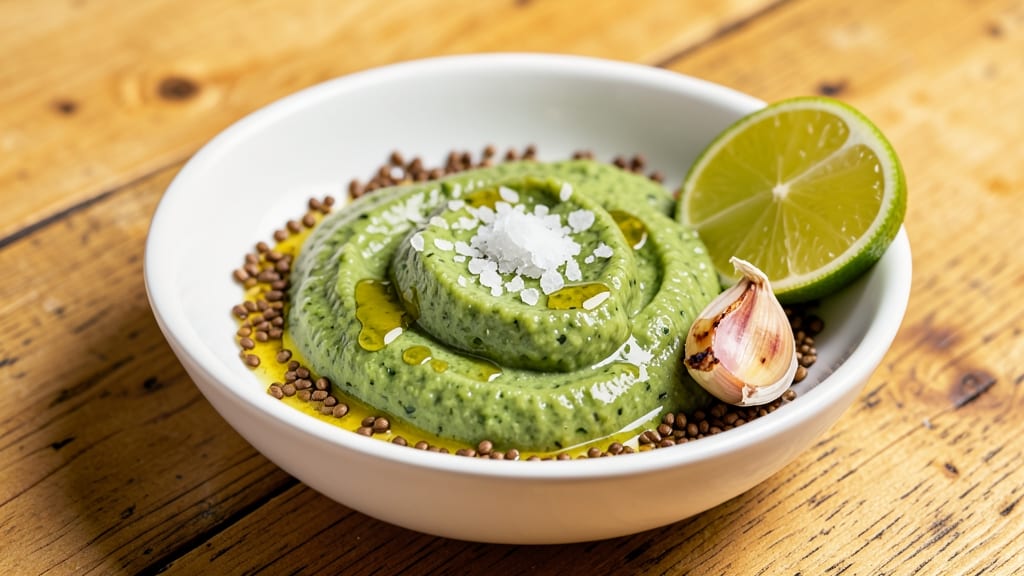
This cilantro paste recipe transforms fresh cilantro into a vibrant, versatile condiment that elevates everything from tacos to soups. The bright green paste combines finely blended cilantro, garlic, lime juice, and avocado oil into a smooth, zesty base that’s far more flavorful than store-bought versions.
I developed this recipe after realizing how much better homemade cilantro paste tastes—fresh, herbaceous, and packed with layers of flavor.
The process is straightforward: blend fresh cilantro stems and leaves with garlic, lime juice, salt, and oil until smooth, then strain for a silky texture. The result is a paste that stays fresh in the fridge for up to a week, making it perfect for meal prep.
Unlike dried cilantro blends, this version retains the herb’s natural brightness and complexity, ensuring every dish gets that fresh cilantro zing.
Use it as a spread for tacos or quesadillas, a marinade for grilled meats, or a garnish for soups and salads. The lime and garlic balance the cilantro’s sharpness, creating a versatile paste that works in both savory and slightly sweet applications.
With just five ingredients, this recipe delivers restaurant-quality flavor without the fuss.
Once you try homemade cilantro paste, store-bought versions won’t compare. The texture is velvety, the flavor is bold, and the possibilities are endless—from drizzling over tacos to mixing into dressings. Let’s get blending!
Ingredients for cilantro paste
Five fresh ingredients blend into vibrant cilantro paste for bold, restaurant-style flavor.
| Ingredient | Amount | Notes |
|---|---|---|
| Fresh Cilantro Leaves 🌿 | 2 cups | Packed, stems included for flavor |
| Garlic Cloves 🧄 | 4 cloves | Peeled, rough chopped for depth |
| Lime Juice 🍋 | ½ cup | Freshly squeezed, no pulp |
| Avocado Oil 🫒 | ¼ cup | High-quality, neutral flavor |
| Sea Salt 🧂 | 1 ½ tsp | Fine grain for even seasoning |
| Lemon Juice 🍋 | 1 tbsp | Brightens flavor, optional |
| Cumin Seeds 🌿 | ½ tsp | Toasted for warmth, optional |
The cilantro is non-negotiable—bright green, no wilting. Mexican cilantro (like cilantro morado) adds a deeper flavor, but regular cilantro works too. Whole Foods or local markets often carry the best quality. Avoid pre-washed cilantro from grocery stores; it loses flavor fast. For garlic, roasted cloves add sweetness, but raw works fine. Toast the cumin seeds in a dry pan for 30 seconds before blending—that smoky aroma elevates everything.
No avocado oil? Extra-virgin olive oil is a perfect swap, but avoid light oils like canola. Short on lime? Key lime juice is tangier, but regular lime works. The lemon juice isn’t mandatory, but it cuts through the cilantro’s sharpness—worth the extra squeeze. For a spicier version, add a pinch of cayenne. If you’re using cilantro stems (which you should!), they add 30% more flavor without extra cost.
Store in a sealed jar with a thin layer of avocado oil on top to preserve color. Keeps for 1 week in the fridge or 3 months frozen in ice cube trays. Freezing in small portions means no waste. The paste thickens when chilled—stir in a splash of oil if it gets too stiff. Use within a week for peak freshness, or freeze for longer storage.
Why You'll Love This Recipe
- No Chopping Required: I swear, this is the only cilantro recipe where I don’t dread the prep. Just pulse the whole stems and leaves together—no tiny leaves flying everywhere, no measuring spoons of chopped herbs. The stems add depth without bitterness, and honestly? It’s the only way I’ll use them.
- Zesty, Bright, Never Bland: The lime juice cuts through the garlic’s punch while the avocado oil keeps it from tasting raw. That first spoonful? Pure brightness—like a margarita but edible on toast. (Between us, I’ve used it as a dip and a marinade, and it’s never let me down.)
- Taco Night to Salad Topping: This stuff turns everything better. Slather it on grilled fish, mix it into guac, or drizzle it over your morning avocado toast. I keep a jar in the fridge for when I’m too tired to think, and honestly? It’s my lazy genius for weeknights.
- Lasts a Week (Really): No sad, wilted cilantro here—this paste stays vibrant for days. I make a big batch on Sundays, and by Thursday, I’m still finding uses for it. Plus, it’s cheap—just a handful of herbs and pantry staples. My wallet and taste buds win.
Step-by-step instructions for cilantro paste recipe
A vibrant, versatile cilantro paste that elevates any dish with its fresh, zesty character.
Toast the Cumin Seeds for Depth
Heat a small dry skillet over medium heat. Add the 0.5 teaspoon cumin seeds and toast for 30-45 seconds until they release their aroma and begin to sizzle gently. Watch closely—they'll darken slightly but shouldn't burn. This step enhances their warm, earthy flavor.
Transfer the toasted cumin seeds to a small bowl and let them cool completely. Once cooled, grind them into a fine powder using a mortar and pestle or spice grinder. Set aside—this aromatic base will form the foundation of your paste.
Process the Cilantro and Garlic
In a food processor, combine the 2 cups fresh cilantro leaves (stems included) and 4 cloves garlic cloves (roughly chopped). Pulse until finely chopped but not completely puréed—you want texture. This ensures the paste retains some body rather than turning into a watery liquid.
Stop the processor occasionally to scrape down the sides. The mixture should resemble coarse sand rather than a smooth paste at this stage. This texture helps create the perfect balance between freshness and creaminess in the final product.
Incorporate the Lime Juice and Salt
Add the 0.5 cup lime juice and 1.5 teaspoons sea salt to the food processor. Process again until the mixture becomes a smooth, vibrant green paste. The lime juice will brighten the flavor and help emulsify the oils, while the salt enhances all the components.
Taste the mixture at this point. You should notice a sharp, citrusy freshness with a hint of garlic. If the paste seems too acidic, add 1 tablespoon lemon juice (though it's optional). This step is where the paste truly comes together—don't rush it.
Finish with Avocado Oil
With the processor running, slowly drizzle in the 0.25 cup avocado oil. This step is crucial—adding the oil gradually allows it to fully incorporate and create a silky, spreadable texture. Process until completely smooth and creamy, about 1-2 minutes.
The paste should now have a rich, velvety consistency with a vibrant green color. If it's too thick, add 1-2 teaspoons water to loosen it. The oil not only binds the ingredients but also adds a subtle richness that rounds out the bright flavors.
Store and Use Immediately
Transfer the cilantro paste to an airtight container. Press a piece of plastic wrap directly onto the surface to prevent oxidation. Store in the refrigerator for up to 1 week or freeze for 3 months. This paste is best used fresh, but freezing preserves its flavor remarkably well.
Use it as a condiment for tacos, a base for dressings, or a marinade for grilled meats. The paste's versatility makes it a kitchen essential—just remember, the fresher it is, the more vibrant its flavor will be.
Pro Tips For Making Cilantro Paste
- Pulse in Batches: Your food processor will hate you if you dump everything in at once. Start with just the cilantro and garlic—maybe half the batch—and pulse until it’s almost smooth, then add the rest. This keeps the motor from overheating and prevents a greasy, soupy mess.
- Dry the Cilantro First: Pat those leaves very dry with a kitchen towel before blending—wet cilantro releases more water and dilutes your paste. I learned this the hard way when my first batch turned into a sad, watery sludge instead of a vibrant, spreadable paste.
- Toast the Garlic: Lightly toast the minced garlic in avocado oil for 30 seconds until fragrant—just until it smells like a sunny day, not burnt. This deepens the flavor without adding bitterness, and your paste will taste like it’s been simmering for hours.
- Salt Last, Taste Often: Add the sea salt after blending, then taste and adjust—cilantro paste needs more salt than you’d think. I used to eyeball it and end up with something bland; now I start with ½ teaspoon, taste, and go from there. (Your future tacos will thank you.)
Make-ahead tips for this recipe
Fridge Storage Secrets
Transfer your cilantro paste to a small glass jar with a tight-sealing lid—I use Le Parfait 8-ounce jars—and press plastic wrap directly onto the surface to minimize air exposure. Store in the fridge for up to 1 week, but I’ve found the flavor peaks at 3-5 days.
The paste naturally thickens when chilled, so stir in 1 teaspoon avocado oil before using if it becomes too stiff. 🌿
Freezer Preservation
For longer storage, portion the paste into ice cube trays and freeze. Once solid, pop out the cubes and transfer to a freezer bag with all air removed. This method preserves flavor for 3 months without freezer burn.
When ready to use, thaw in the fridge overnight or microwave for 10-15 seconds on low power. The texture may separate slightly, but a quick whisk restores its creaminess.
Reviving Stale Paste
If your paste loses vibrancy after a few days, revive it by blending in 1 teaspoon fresh lime juice and ½ teaspoon toasted cumin powder. This boosts brightness and warmth.
For extra richness, stir in 1 tablespoon avocado oil—just enough to restore its silky texture. I’ve successfully rejuvenated paste that was past its prime using this trick. ✨
Portion Control
Make small batches—I typically blend ½ the recipe at a time—to ensure freshness. Store the remaining paste in a separate jar and use it within 3-4 days for peak flavor.
This approach prevents waste and guarantees you’re always working with the freshest, most vibrant cilantro paste. Trust me, the difference is noticeable after a week.
Labeling Matters
Label your jars with the date and contents—I use a waterproof marker—to track freshness. Include any variations (e.g., "spicy" or "lemon-enhanced") so you can recreate favorites later.
I also jot down the storage method (fridge/freezer) to avoid confusion. This small habit saves time and ensures you’re always using the best-tasting paste. 📅
Thawing Strategies
For frozen paste, transfer a cube directly to a small bowl and let it thaw in the fridge overnight. Avoid room-temperature thawing, as it can accelerate oxidation. If you’re in a hurry, microwave the cube on defrost setting for 10 seconds, then stir vigorously to re-emulsify.
The texture will be slightly grainy, but blending briefly with 1 teaspoon oil smooths it out perfectly. 💡
Nutrition facts
Frequently asked questions
Can I use dried cilantro instead of fresh?
Fresh cilantro is essential for authentic flavor—dried cilantro lacks the bright, vibrant taste and can make your paste taste bitter. If you're out of fresh cilantro, try cilantro morado (a deeper-flavored variety) or substitute with 1 tablespoon dried cilantro plus 1 teaspoon extra lime juice to mimic freshness. The texture will also be less smooth.
How do I fix a watery cilantro paste?
If your paste turns out too thin, stir in 1 tablespoon avocado oil to thicken it. For a smoother texture, blend in 1 teaspoon cornstarch or arrowroot powder mixed with 1 teaspoon water until fully combined. Avoid adding more cilantro—it’ll dilute the flavor further. The key is balancing moisture with fat for the right consistency.
What’s the best way to use cilantro paste?
This versatile paste works as a taco spread, dressing base, marinade, or soup garnish. Mix it with yogurt for a creamy dip, drizzle over grilled fish, or blend into guacamole for extra zing. For a spicy kick, add ½ teaspoon chili powder or a dash of hot sauce. The possibilities are endless!
Why does my cilantro paste smell funny?
If your paste smells sour or off, it’s likely oxidized. This happens when air exposure breaks down the lime juice and oils. To prevent it, always store with a layer of oil on top and press plastic wrap directly on the surface. If it’s already spoiled, toss it—cilantro paste should smell bright, citrusy, and herby, not funky. Freshness is key!
Can I make this without a food processor?
Yes! Use a mortar and pestle for a rustic texture. Finely chop 2 cups cilantro and 4 garlic cloves, then grind with 1 teaspoon salt until paste-like. Mix in lime juice and oil by hand, adjusting consistency with a fork. The texture will be chunkier but still packed with flavor. Perfect for small batches!